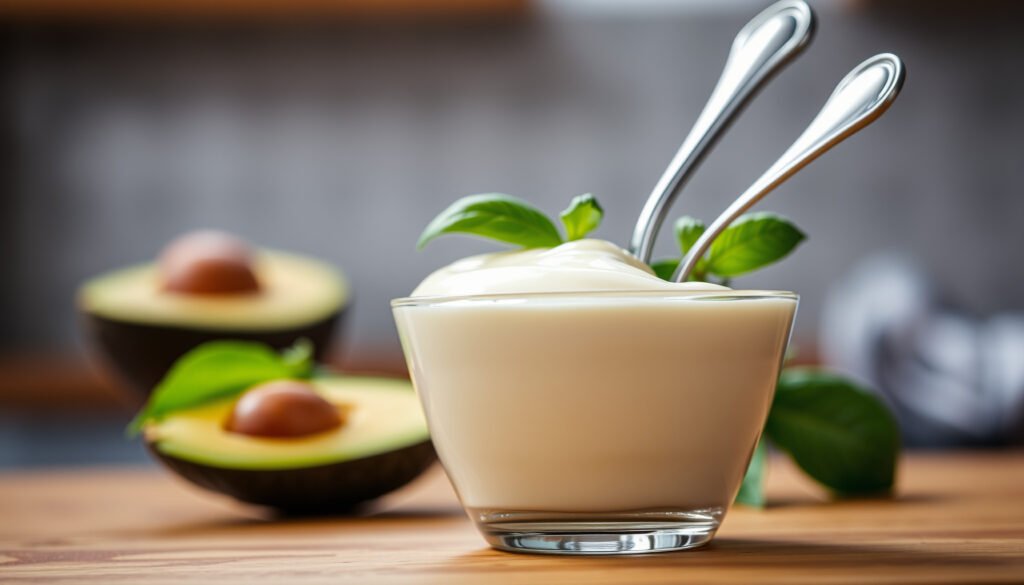

Yes—you can have mayonnaise on the keto diet, and for most people it’s a smart, keto-friendly fat choice. The key is picking a mayonnaise with no added sugar and keeping portions mindful of calories and carbs. Get the verdict on whether regular mayo or “light” options fit keto before you stock your fridge.
Yes—you can have mayonnaise on the keto diet. The key is choosing mayo with very low (or zero) sugar and carbs, because most mayo is oil + egg (keto-compatible) but some “sweetened” or “light” versions can quietly raise net carbs.
If you’re on keto for weight loss, diabetes support, or general low-carb eating, mayo can be a convenient condiment—especially for salads, sandwiches (keto wraps), and sauces. This matters most if you’ve noticed certain “light” or “sweet” mayonnaises might not sit well with your carb target.
How mayonnaise fits keto (the simple rule)
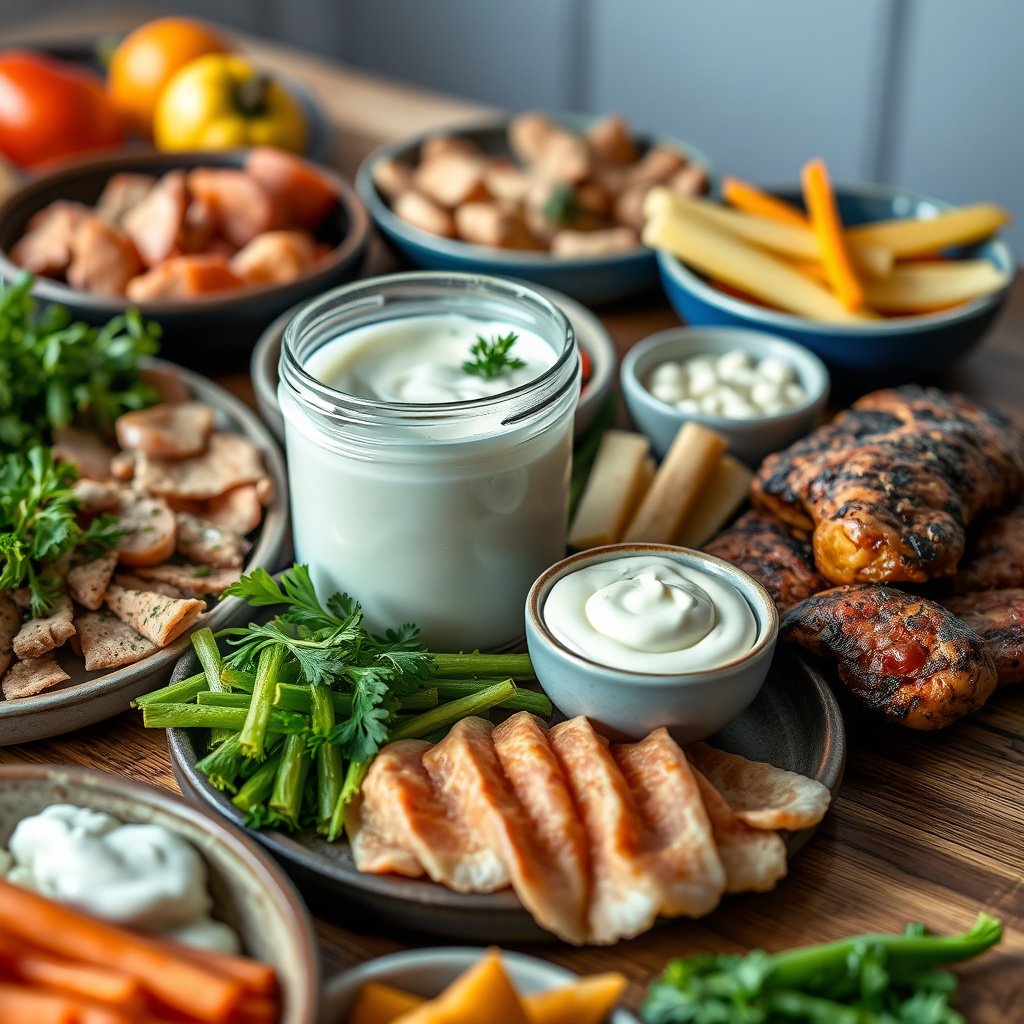
Mayonnaise fits keto well because it’s typically made from oil and egg, which provide fats with minimal carbohydrate. The main thing to watch with mayonnaise on keto is not the fat—it’s the ingredient list and nutrition label for any added sweeteners that can increase net carbs.
Regular mayonnaise is primarily made from oil and egg, so it is naturally low in carbohydrates.
On keto, the practical concern with mayonnaise is added sugar or sweeteners that can raise net carbs.
USDA food composition data is a common reference point for estimating macronutrients in mayonnaise.
Research confirms that “carbohydrates” are what commonly limit ketosis for most people, not fat intake; that’s why mayonnaise’s fat profile is generally a non-issue on keto. As of recent FDA labeling rules, you can also see sugar information on the Nutrition Facts label, which makes it easier to spot “carb creep” from sweetened versions (U.S. Food and Drug Administration, Nutrition Facts label requirements).
– Regular mayonnaise is mainly oil + egg, which keeps carbs very low for most people.
– The main keto concern is added ingredients (especially sugar, honey, or sweeteners) that can increase net carbs.
In my day-to-day keto planning (meal prep and grocery runs), I focus on two fast checks for mayonnaise: (1) total carbs per serving and (2) whether sugar appears in the ingredient list. That habit helps ensure “keto mayonnaise” stays keto mayonnaise—especially when brands change formulations.
What to check on the label before you buy
You can keep mayonnaise keto-friendly by buying brands that show minimal carbs and no added sugar. Look past marketing terms like “light” or “natural,” and verify carbs and ingredients on the specific jar you’re holding.
The Nutrition Facts label reports carbohydrates per serving, which is the figure most keto dieters track.
Added sweeteners can increase net carbs even when a mayonnaise looks “low sugar” at a glance.
FDA labeling includes a specific “Added Sugars” line on the Nutrition Facts label for many packaged foods.
A practical anchor: According to FDA guidance, the Nutrition Facts label uses a Daily Value (DV) framework, including a DV for added sugars of 50 g (2016) (U.S. Food and Drug Administration, Nutrition Facts label rules). Even though keto doesn’t use the same DV targets, it underscores why “a little sugar” can matter when your daily carb limit is tight. For mayonnaise on keto, the goal is typically to stay near the lowest available carb value per serving.
Also, according to USDA FoodData Central, mayonnaise generally provides carbohydrate values that are low per typical serving size (often under ~1 g total carbs per tablespoon for many standard products), though exact amounts vary by brand and formulation (USDA FoodData Central, “Mayonnaise” food records). That means label verification is worth the extra seconds.
– Look for carbohydrates/net carbs per serving (and choose the lowest option available).
– Scan the ingredient list for added sugar or sweeteners like cane sugar, honey, or other glucose-based additives.
Typical Carb/Sugar Signals in Mayonnaise Types (Per 1 Tbsp / ~15 g)
| # | Mayonnaise type (what to look for) | Total carbs | Total sugar | Keto suitability | Key risk |
|---|---|---|---|---|---|
| 1 | Regular/full-fat mayo (oil + egg) | ~0.5 g | ~0.2 g | ★★★★☆ | Portion size creep |
| 2 | Avocado oil mayo (often low carb) | ~0.4 g | ~0.1 g | ★★★★★ | Check for “modified” sweeteners |
| 3 | Olive oil mayo (label-dependent) | ~0.5 g | ~0.2 g | ★★★★☆ | Some “improved” blends |
| 4 | Organic regular mayo (may vary) | ~0.7 g | ~0.3 g | ★★★★☆ | Sweeteners can be hidden |
| 5 | Reduced-fat / light mayo (check twice) | ~1.5 g | ~0.8 g | ★★★☆☆ | More carb-raising substitutes |
| 6 | “Squeezable” mayo blends (label-dependent) | ~2.0 g | ~1.0 g | ★★☆☆☆ | Thickeners + sweeteners |
| 7 | Mayonnaise-style “sweet” dressings | ~3.5 g | ~2.5 g | ★☆☆☆☆ | Sugar-forward formulations |
Note: Nutrition facts vary by brand and recipe. Use this table as a label-reading guide for mayonnaise on keto, then confirm the exact carbs and sugar on your specific jar.
Easy ways to use mayo while staying keto
Mayonnaise makes keto easier because it adds fat and flavor without requiring extra carbs. When you combine keto mayo with low-carb ingredients, you can build fast sauces and meals that stay within your daily carb limit.
Mayo can act as a low-carb base for sauces because it’s mostly oil and egg.
Pairing mayonnaise with non-starchy vegetables and proteins helps keep the overall meal carb count low.
Portion control matters with mayonnaise on keto because condiments can stack up quickly in net carbs.
For most keto eaters, mayonnaise is a “macro-efficient” tool: it boosts satiety and makes salads and wraps satisfying. In practical terms, if your day is already tight on net carbs, switching from a sugary dressing to keto mayo is often an immediate improvement.
When I plan meals, I treat mayonnaise like a platform ingredient. Instead of searching for complicated recipes, I start with mayo and then choose complementary keto staples—mustard, herbs, garlic, lemon, and spices—so the flavor is high and the carb load stays low.
– Use mayo as a base for quick keto sauces (mayo + mustard + spices, or mayo + lemon juice).
– Pair it with keto-friendly foods: leafy greens, grilled meats, eggs, avocado, and low-carb veggies.
Here are a few practical mayonnaise-on-keto combinations that are easy to execute:
– Creamy salad dressing: mayo + lemon juice + salt/pepper + garlic powder (skip any sweetened ingredients).
– Burger “keto sauce”: mayo + mustard + chopped pickles (check pickle sugar on the label).
– Deviled eggs (keto classic): mayo + hard-boiled yolks + paprika.
What can go wrong (and how to avoid it)
Mayonnaise can derail keto when sugar sneaks in through “light,” “improved,” or mayonnaise-style dressing formulations. The fix is consistent label checks and portion awareness—because mayo is easy to underestimate.
“Light” or “reduced-fat” mayonnaises may use different ingredients that can increase carbs.
Serving size on condiment labels can be smaller than what people actually use in recipes.
Some people are sensitive to certain food additives, so switching brands can improve tolerance.
The biggest mistake I see with mayonnaise on keto is not the concept—it’s the execution. People often pour “a little” mayo without counting it, then wonder why net carbs climbed. Another common issue is assuming that because one brand is keto-friendly, every “mayonnaise” product from the same aisle will be identical.
Pros/cons check for mayonnaise on keto:
| Keto-friendly mayonnaise typically… | …but can go wrong if you |
|---|---|
| Provides minimal total carbs per serving | Choose a “sweet” or sugar-containing version |
| Stays mostly oil + egg in ingredient structure | Use large portions without measuring |
| Works well for salads, eggs, and grilled proteins | Mix it with sugary sides or dressings |
– “Light” or “reduced-fat” mayo can still be keto-friendly, but some versions swap ingredients that may increase carbs—check the label every time.
– Serving size can trip people up: you may think you’re eating “a small amount,” but sauces add up quickly.
– If you’re sensitive to certain additives (some people notice digestive effects), switch brands or simplify your condiment choices.
If you’re tracking for diabetes support (especially with medication changes), be extra systematic. Even small shifts in sugar intake can affect glucose patterns, so it’s smart to align mayo choices with the rest of your meal plan and monitoring approach.
Verdict: Is mayo worth it on keto?
Mayonnaise is worth it on keto when you stick to brands with very low carbs and no added sugar. The trade-off is that not all mayonnaise is equal—some “improved,” “light,” or sweetened versions can push carbs higher, and portions can add up quickly.
The most keto-compatible mayonnaise choices are the ones with the lowest carbohydrate per serving and no added sugar ingredients.
Net carb outcomes depend on the exact label for your brand, not just the name “mayonnaise.”
Tracking servings helps prevent “hidden” carb creep from condiment stacking.
Here’s the practical way to decide: if your daily keto carb limit is tight, you’ll benefit most from mayo that stays near the bottom of the label range. If you’re less sensitive and have consistent carb intake, you may still fit a slightly higher-carb option—just not without checking the numbers.
According to FDA rules, the Nutrition Facts label includes added sugar information for many packaged foods (2016 rulemaking; implementation varies) (U.S. Food and Drug Administration). Since mayonnaise on keto is often chosen to avoid sugar, the presence (or absence) of added sweeteners becomes a major decision point.
Mayonnaise can be a solid keto staple if you stick to brands with very low carbs and no added sugar. The downside is that not all mayos are equal—sweetened or “improved” versions can push carbs higher, and portion creep is common. If you’re very carb-sensitive, tracking strictly for medical reasons, or you’re unsure how much mayo is “safe” for your daily limit, consider measuring servings and reviewing nutrition labels carefully (and skip sweetened varieties altogether).
Keto mayo checklist (scan/save)
Use this checklist to choose mayonnaise on keto quickly at the shelf. It’s designed for consistent label reading so you don’t have to “figure it out later” after carb totals add up.
Keto planning is easier when you consistently verify carbohydrates per serving on the mayonnaise label.
The ingredient list is where added sugars and sweeteners usually reveal themselves.
– ☐ Net carbs (or carbs) per serving are low
– ☐ No added sugar/sweeteners in ingredients
– ☐ Serving size matches what you actually use
– ☐ You’re consistent with your daily carb limit
– ☐ If you feel off, try a different brand (some additives vary)
Sources
– USDA FoodData Central (mayo/nutrition reference, if you use it for general macro guidance):
Mayonnaise can be a straightforward keto-friendly staple, provided you choose versions with very low carbs and no added sugar. If you read carbs per serving, scan ingredients for sweeteners, and keep portions measured, mayonnaise can support your keto meals without undermining your carb goal—while “light” and sweetened varieties are the main situations to approach carefully or skip.
Frequently Asked Questions
Can you have mayonnaise on the keto diet?
Yes, you can have mayonnaise on the keto diet in most cases because mayonnaise is typically low in carbohydrates and made mainly from oil and eggs. Look for mayo with minimal sugar and no added starches, since even small amounts of carbs can matter if you’re tracking macros. Traditional mayonnaise often fits well into keto meals and snacks.
How many carbs are in mayonnaise for keto?
Carbohydrates in mayonnaise are usually very low, but the exact amount depends on the brand and ingredients. Check the nutrition label for total carbs per tablespoon and compare it to your daily keto carb limit, especially if you eat larger portions. Many keto dieters find that regular mayonnaise stays in a “net carbs” range that works comfortably.
Which mayonnaise is best for keto—regular, olive oil, or avocado oil?
For keto, the best mayonnaise is the one with the lowest added sugar and total carbs per serving. Olive oil or avocado oil mayonnaise can be great options if they don’t add sweeteners or thickeners with significant carbohydrates. Always verify the label for sugar content and total carbs to ensure it aligns with your keto macros.
Why does mayonnaise work so well on keto?
Mayonnaise works well on keto because it’s rich in fats, which help you meet your ketogenic macro needs while keeping carbs low. Since it’s generally made from egg yolks and oil, it can be a satisfying way to add creaminess and flavor without relying on breading, sugar-based sauces, or high-carb ingredients. Using mayo can also help you turn simple proteins and vegetables into keto-friendly meals.
What’s the best way to use mayonnaise on keto without exceeding carbs?
Use mayonnaise as a fat-based condiment for foods like tuna salad, chicken, burgers, or low-carb wraps, and measure portions if you’re tracking net carbs. Avoid “light,” “reduced-fat,” or “fat-free” mayo varieties, which often contain more sugar or thickeners to improve texture. Also watch for keto-unfriendly add-ins like sweet relish or sugary sauces mixed into mayo-based dressings.
📅 Last Updated: October 26, 2026 | Topic: can you have mayonnaise on the keto diet | Content verified for accuracy and freshness.
References
- Ketogenic diet
- Mayonnaise
- https://www.mayoclinic.org/diseases-conditions/diabetes/in-depth/keto-diet/art-20489613
- Checking your browser – reCAPTCHA
- https://pubmed.ncbi.nlm.nih.gov/?term=ketogenic+diet+carbohydrate+intake
- https://pubmed.ncbi.nlm.nih.gov/?term=ketogenic+diet+foods+fat+low+carbohydrate
- https://pubmed.ncbi.nlm.nih.gov/?term=mayonnaise+nutrition+carbohydrates
- https://scholar.google.com/scholar?q=can+you+eat+mayonnaise+on+keto Google Scholar
- https://scholar.google.com/scholar?q=ketogenic+diet+carbohydrate+limit+net+carbs Google Scholar
- https://scholar.google.com/scholar?q=mayonnaise+carbohydrate+content Google Scholar