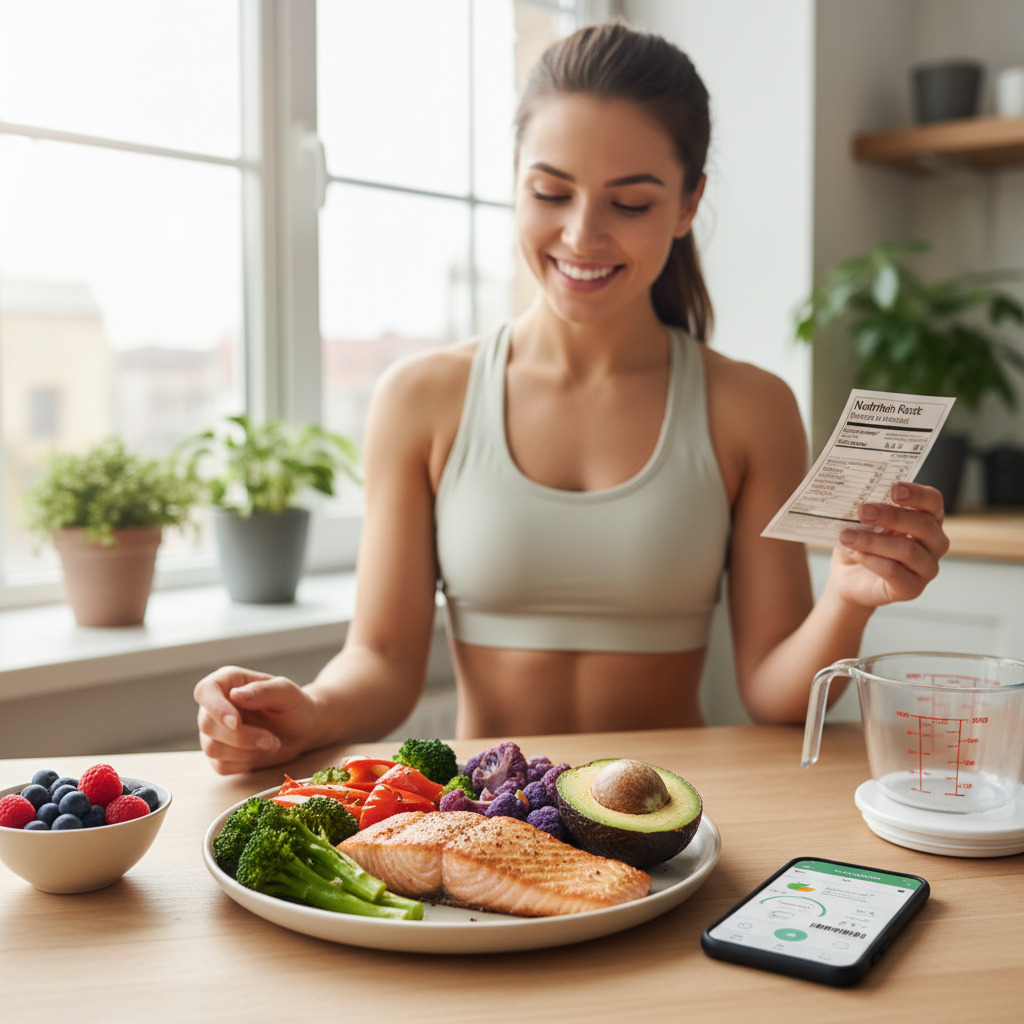

Yes, you can successfully follow a ketogenic diet even if you don’t have a gallbladder, but it may require some adjustments. The gallbladder plays a significant role in fat digestion by storing bile produced by the liver, which is released as needed to help break down dietary fats. After gallbladder removal, or cholecystectomy, bile flows directly from the liver into the intestines, which can impact how your body processes fats. This article will explore how to effectively manage a keto lifestyle post-gallbladder removal, including dietary considerations and helpful tips for maintaining balance in your nutrition.
Understanding the Role of the Gallbladder
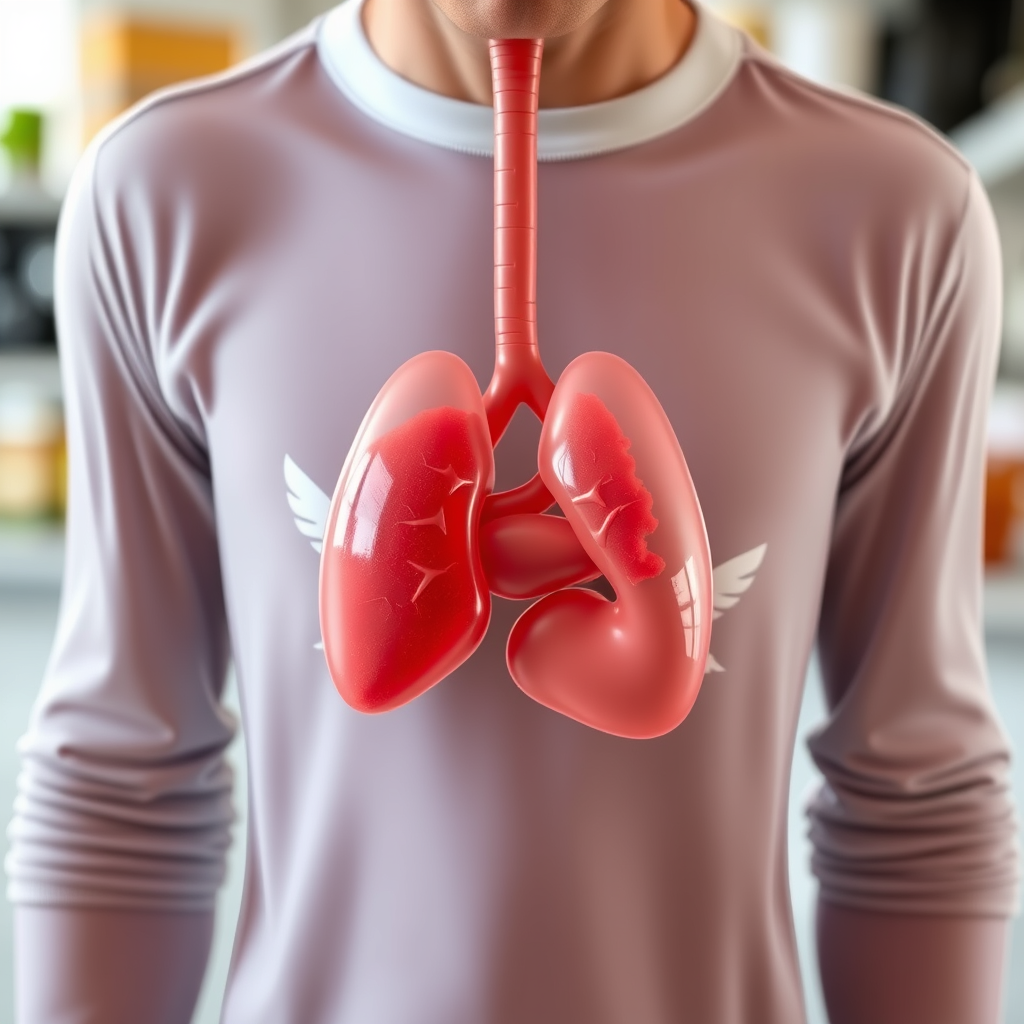
The gallbladder serves as a reservoir for bile, a digestive fluid produced by the liver that is crucial for breaking down fats in the diet. When you consume a meal that contains fat, the gallbladder releases bile into the small intestine to facilitate digestion. Without a gallbladder, this process changes; bile is continuously secreted into the intestines rather than being stored and released in response to meals. This can lead to challenges in fat digestion, particularly when introducing a high-fat diet like keto, which typically consists of approximately 70-75% of calories from fats. Understanding this shift is fundamental for those who have undergone gallbladder removal and wish to pursue a ketogenic diet.
Adjusting Your Fat Intake
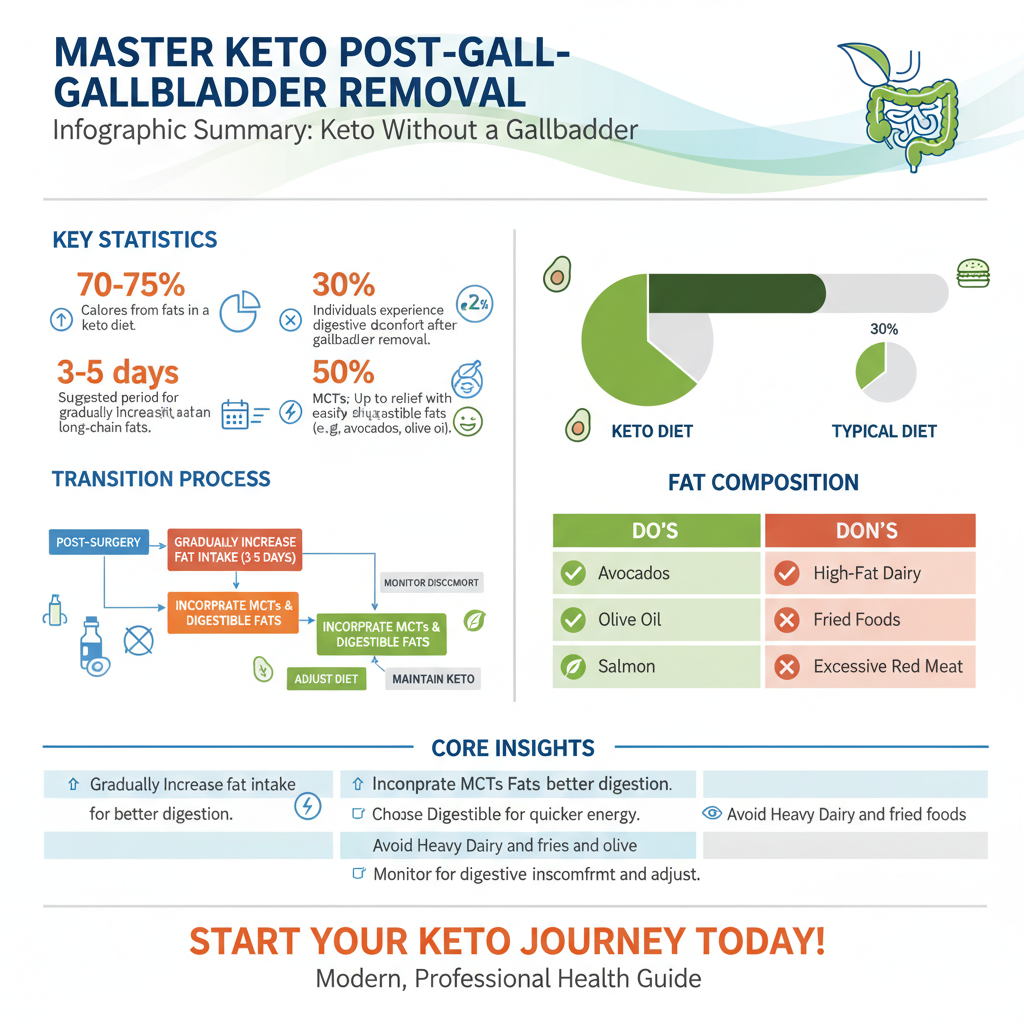

Adjusting your fat intake is essential when transitioning to a ketogenic diet without a gallbladder. Start by gradually increasing your intake of healthy fats to allow your body to adapt to this new way of eating. Abruptly switching to a high-fat diet can lead to digestive discomfort, including bloating, diarrhea, or cramping. Focus on incorporating medium-chain triglycerides (MCTs) into your diet, as they are more easily absorbed and digested compared to long-chain fatty acids. MCTs are found in coconut oil, palm kernel oil, and MCT oil supplements. These fats can provide a quick energy source and may help mitigate some digestive issues associated with fat consumption.
Choosing the Right Foods
When following a ketogenic diet post-gallbladder removal, selecting the right foods becomes crucial. Opt for easily digestible fats such as avocados, olive oil, and fatty fish like salmon or mackerel, which provide both healthy fats and essential omega-3 fatty acids. These foods are not only beneficial for overall health but are also gentler on the digestive system. Conversely, it’s advisable to avoid high-fat dairy products and fried foods, as they can exacerbate digestive discomfort. Instead, consider using alternatives like almond milk or coconut yogurt to meet your dietary needs without overwhelming your digestive system.
Monitoring Your Body’s Response
Monitoring your body’s response to dietary changes is crucial when adopting a ketogenic lifestyle without a gallbladder. It is vital to keep a food diary to track any digestive issues that arise with high-fat meals. Pay attention to how your body reacts to various types of fats and portion sizes. If you experience discomfort, consider adjusting the types of fats you consume or reducing portion sizes until your body acclimates to a higher fat intake. This personalized approach can help you identify which foods work best for your unique digestive system, ensuring a more comfortable and sustainable keto experience.
Supplementing Digestive Enzymes
Supplementing with digestive enzymes may be beneficial for individuals without a gallbladder, particularly those following a high-fat diet like keto. Bile salts or digestive enzymes can aid in fat digestion, helping to break down fats more effectively in the absence of a gallbladder. Before starting any supplements, it is advisable to consult a healthcare professional, such as a registered dietitian or a gastroenterologist, to discuss your individual needs and receive personalized recommendations. They can help identify the right type and dosage of supplements to enhance your digestive process, making it easier to adhere to your ketogenic diet.
Staying Hydrated
Staying hydrated is a fundamental aspect of maintaining good health, especially when making significant dietary changes like adopting a ketogenic diet. Drinking plenty of water aids digestion and helps to flush toxins from the body. Dehydration can exacerbate digestive issues, so it’s essential to ensure you are consuming adequate fluids throughout the day. Aim for at least eight 8-ounce glasses of water daily, and consider incorporating electrolyte-rich fluids, such as bone broth or electrolyte supplements, to support hydration and replenish essential minerals, particularly if you experience increased urination when starting a keto diet.
Seeking Professional Guidance
Navigating a ketogenic diet post-gallbladder removal can be complex, making it beneficial to seek professional guidance. Working with a nutritionist or a registered dietitian can help you tailor your keto plan to your specific needs, ensuring that you meet your nutritional goals while managing any digestive challenges. Regular check-ins with your healthcare provider can provide ongoing support and help adjust your diet based on your progress. These professionals can offer insights into meal planning, portion sizes, and food choices that align with your health objectives, making your transition to a ketogenic lifestyle smoother and more sustainable.
Maintaining a ketogenic diet after gallbladder removal is achievable with careful planning and adjustments. By understanding your body’s needs and making informed choices, you can enjoy the benefits of keto while minimizing discomfort. Key strategies include gradually adjusting your fat intake, choosing easily digestible foods, monitoring your body’s response, considering digestive supplements, staying hydrated, and seeking professional guidance. For more tips and personalized strategies, consider consulting a healthcare professional to support your journey towards a healthier lifestyle.
Frequently Asked Questions
Can you follow a ketogenic diet without a gallbladder?
Yes, you can follow a ketogenic diet without a gallbladder, but it’s important to make some adjustments. The gallbladder is responsible for storing bile, which helps break down fats. Without it, your body may struggle to digest high-fat meals typical of the keto diet. To manage this, consider eating smaller, more frequent meals and incorporating digestive aids like bile salts, which can help improve fat digestion.
What dietary changes should I make on keto if I don’t have a gallbladder?
If you don’t have a gallbladder and want to do keto, focus on incorporating healthy fats gradually. Start with moderate amounts of fats, such as avocados, nuts, and olive oil, and avoid high-fat meals that can overwhelm your digestive system. Additionally, consider including more fiber-rich vegetables and lean proteins, which can aid digestion and help your body adapt to the fat intake in the ketogenic diet.
Why might a ketogenic diet cause digestive issues for those without a gallbladder?
Individuals without a gallbladder may experience digestive issues on a ketogenic diet due to the sudden increase in fat intake. Since the gallbladder stores bile for fat digestion, its absence can lead to reduced bile availability, making it harder to break down fats effectively. This can result in symptoms like diarrhea, bloating, or discomfort, particularly if high-fat foods are consumed in large quantities.
What are the best fats to include in a keto diet if I’ve had my gallbladder removed?
If you’ve had your gallbladder removed, the best fats to include in your ketogenic diet are those that are easier to digest. Focus on healthy options like olive oil, avocado oil, coconut oil, and fatty fish, which provide essential fatty acids without overwhelming your digestive system. Additionally, incorporating small amounts of nuts and seeds can add healthy fats while being gentler on digestion.
How can I support my digestion while following a keto diet post-gallbladder removal?
To support digestion on a keto diet after gallbladder removal, you can take several steps. First, eat smaller, more frequent meals to prevent overwhelming your digestive system. Secondly, consider taking digestive enzymes or bile salts as supplements to help with fat digestion. Lastly, stay hydrated and include fiber-rich foods to promote gut health and regular bowel movements, ensuring smoother digestion overall.
References
- https://www.healthline.com/nutrition/keto-diet-without-gallbladder
- https://www.ncbi.nlm.nih.gov/pmc/articles/PMC6313444/
- https://www.medicalnewstoday.com/articles/keto-diet-without-gallbladder
- https://www.webmd.com/diet/health-benefits-keto-diet
- https://www.mayoclinic.org/healthy-lifestyle/nutrition-and-healthy-eating/expert-answers/keto-diet/faq-20460163