

Eating peas on a keto diet is generally not recommended due to their higher carbohydrate content compared to other low-carb vegetables. However, incorporating small amounts can still be possible depending on your overall daily carb limit. In this article, we will explore the carbohydrate content of peas, their nutritional benefits, and how they can fit into a ketogenic lifestyle.
Understanding the Carbohydrate Content of Peas
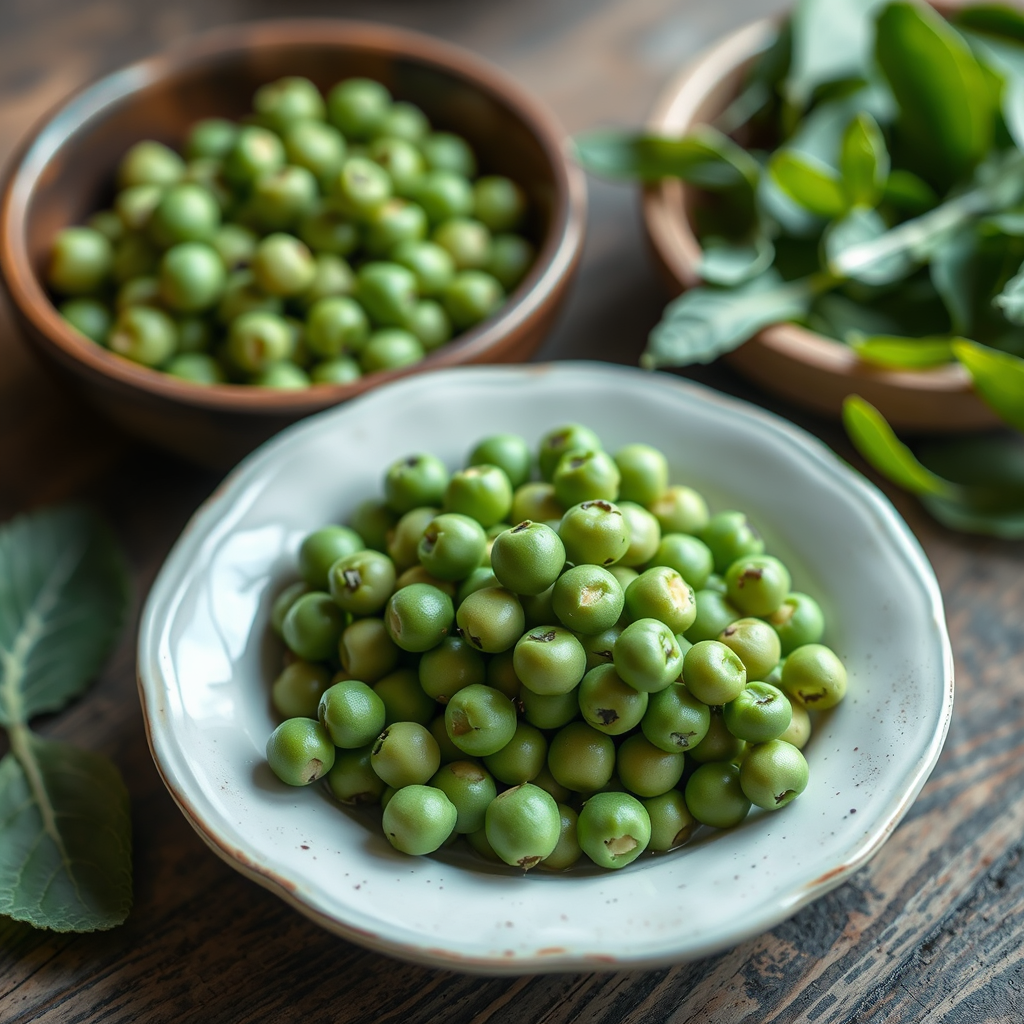
Peas, particularly green peas, contain approximately 14 grams of carbohydrates per 100 grams. While they are a nutritious option, this carbohydrate content is notably higher than many other vegetables that are often recommended on a ketogenic diet, such as leafy greens and cruciferous vegetables. For individuals adhering to a strict keto regimen, which typically limits daily carbohydrate intake to around 20-50 grams, consuming even a moderate serving of peas can quickly consume a significant portion of one’s carb allowance. Therefore, while peas are not strictly off-limits, they require careful consideration and moderation to avoid disrupting ketosis.
Nutritional Benefits of Peas
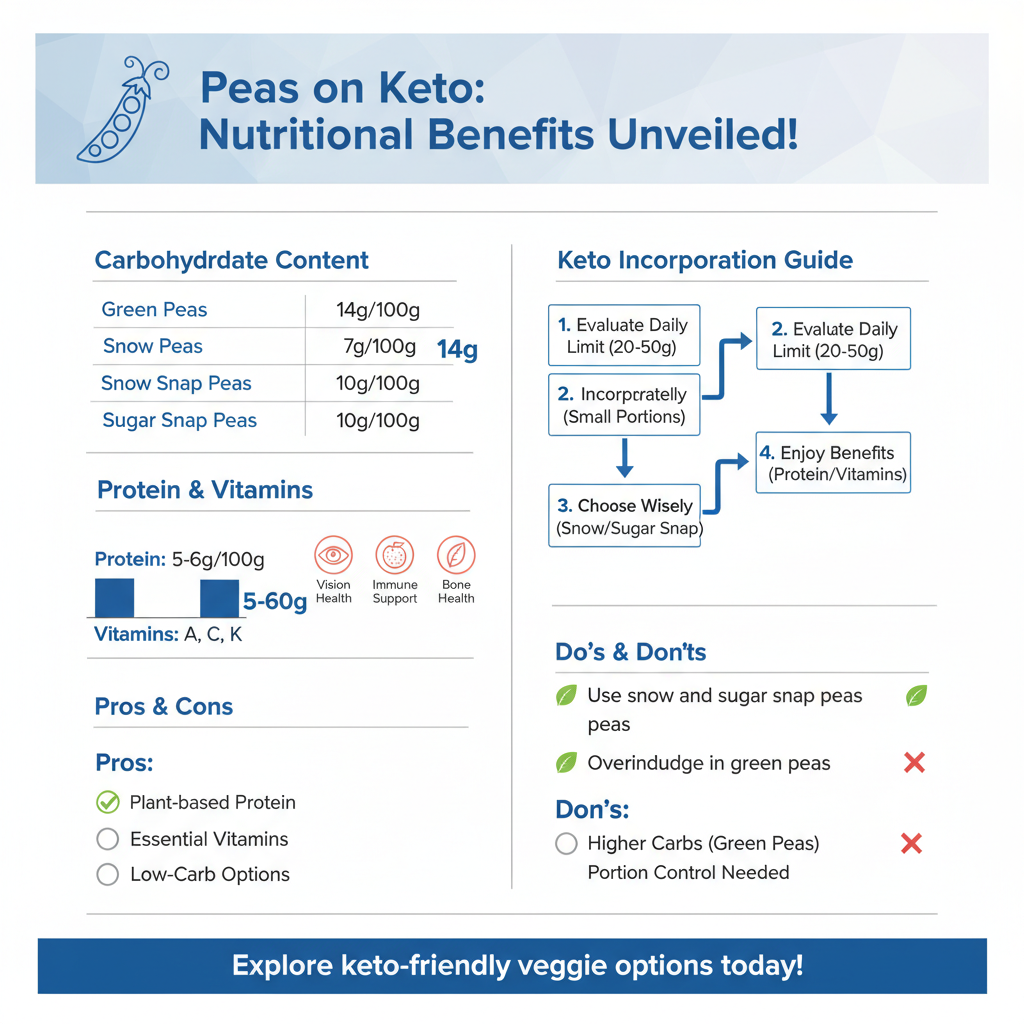

Despite their higher carbohydrate content, peas offer numerous health benefits. They are rich in essential vitamins, including vitamins A, C, and K, which play crucial roles in immune function, skin health, and blood clotting, respectively. Additionally, peas are a good source of dietary fiber, which can aid in digestion and promote a feeling of fullness.
Moreover, peas provide a plant-based source of protein, with about 5-6 grams of protein per 100 grams. This can be particularly beneficial for those looking to maintain muscle mass while following a ketogenic diet, which is often lower in protein compared to other dietary plans. Incorporating peas in controlled portions can thus provide valuable nutrients that support overall health, even within the confines of a low-carb lifestyle.
Different Types of Peas and Their Carb Counts
When considering peas in the context of a ketogenic diet, it’s essential to recognize the different varieties and their respective carbohydrate counts.
– Green peas: The most common type of pea, typically found in frozen or fresh forms, has a higher carbohydrate content, making it the least suitable for a strict keto diet.
– Snow peas: These are flatter and have a slightly lower carbohydrate count, around 7 grams per 100 grams. They can be a better option for those wanting to include peas in moderation.
– Sugar snap peas: A hybrid of green peas and snow peas, sugar snap peas offer a sweet flavor and contain about 8 grams of carbohydrates per 100 grams. While not as low-carb as other vegetables, they can still be included in small amounts.
Understanding the specific carbohydrate counts of these varieties can help you make informed choices on how to incorporate them into your meals.
Portion Control: How to Include Peas on Keto
If you wish to include peas in your ketogenic diet, portion control is key. Small servings can provide flavor and nutrition without significantly impacting your carb intake. For instance, a quarter-cup serving of green peas contains about 3.5 grams of carbohydrates, which can be manageable within a daily carb limit if balanced with other foods.
Consider adding peas to salads, stir-fries, or as a side dish in conjunction with lower-carb vegetables like zucchini or cauliflower. Additionally, you can pair peas with protein sources such as chicken or fish, which can help balance out the meal and maintain your overall macronutrient goals.
To effectively balance carbs from peas, keep an eye on your total daily intake, and ensure that your other meals are low in carbohydrates. For example, if you consume peas in one meal, consider avoiding other starchy vegetables or grains throughout the day.
Alternatives to Peas on Keto
For those seeking lower-carb alternatives to peas, there are several options that can provide similar textures or flavors without the higher carbohydrate content.
– Green beans: Providing about 7 grams of carbohydrates per 100 grams, green beans are a versatile vegetable that can be used in a variety of dishes.
– Broccoli: With only 7 grams of carbohydrates per 100 grams, broccoli is not only low in carbs but also rich in vitamins and minerals, making it an excellent substitute.
– Cauliflower: Often touted as a keto staple, cauliflower contains approximately 5 grams of carbohydrates per 100 grams and can be used in various forms, from rice to mash.
Incorporating these alternatives into your meals can help you maintain a low carbohydrate intake while still enjoying delicious, nutritious dishes. Recipes such as cauliflower rice stir-fry or broccoli salad can easily replace traditional pea-based dishes.
Monitoring Your Macros on Keto
To successfully maintain ketosis, monitoring your carbohydrate intake is essential. Keeping track of your macros ensures that you remain within your desired daily limits and can help prevent inadvertent carbohydrate overload.
Fortunately, there are numerous tools and apps available to assist with macro tracking. Popular options include MyFitnessPal, Cronometer, and Carb Manager, which allow you to log food items easily and analyze your carbohydrate intake.
In addition to these tools, consider maintaining a food diary, where you can jot down your meals, ingredient portions, and any relevant observations about how different foods affect your ketosis. This level of awareness can empower you to make more informed dietary decisions as you progress in your keto journey.
Making Informed Choices on Your Keto Journey
Ultimately, the decision to include peas in your ketogenic diet should be guided by your personal dietary needs, goals, and how your body responds to carbohydrate intake. Some individuals may find that they can enjoy small amounts of peas without hindering their progress, while others may need to avoid them altogether.
Consulting with a nutritionist or dietitian who specializes in ketogenic diets can provide personalized guidance tailored to your unique situation. They can help you evaluate your macronutrient requirements, suggest appropriate portion sizes, and offer insights into balancing your meals effectively.
Summarizing the key points, while peas can be enjoyed in moderation on a ketogenic diet, it’s essential to be mindful of their carbohydrate content. Consider alternatives and track your macros to ensure you maintain ketosis. Exploring more about low-carb vegetables can enhance your keto meal planning and keep your diet diverse and enjoyable.
Frequently Asked Questions
Can you eat peas on a keto diet?
While peas are nutritious and provide vitamins and minerals, they are relatively high in carbohydrates compared to other low-carb vegetables. A 100-gram serving of green peas contains about 14 grams of carbohydrates, which may exceed the daily carb limit for many people following a strict ketogenic diet. Therefore, it’s essential to consume peas in moderation and consider your overall carbohydrate intake for the day.
How many carbs are in a serving of peas?
A standard serving of green peas (approximately 100 grams) contains around 14 grams of total carbohydrates, with about 5 grams of dietary fiber. This results in a net carb count of roughly 9 grams. If you are on a keto diet, tracking this net carbohydrate intake is crucial to ensure you remain within your daily limit and maintain ketosis.
Why are peas considered high in carbs for a keto diet?
Peas are classified as legumes, which tend to have higher carbohydrate content than non-starchy vegetables. The sugars and starches found in peas contribute to their carb count, making them less suitable for a ketogenic diet that typically restricts carb intake to around 20-50 grams per day. As a result, opting for lower-carb vegetables may be more beneficial for maintaining ketosis.
What are some low-carb alternatives to peas for keto diets?
If you’re looking for low-carb vegetable alternatives to peas, consider options like spinach, zucchini, cauliflower, and broccoli. These vegetables are lower in carbohydrates and can provide similar nutrients without the higher carb count, making them more suitable for a ketogenic diet. Incorporating these alternatives can help you enjoy a variety of flavors while staying within your carb limits.
How can I include peas in a keto-friendly diet?
If you want to include peas in your keto diet, consider using them sparingly as a garnish or in smaller portions within dishes. For example, adding a tablespoon of peas to salads or soups can provide flavor without significantly impacting your carb count. Pairing peas with higher-fat foods, such as avocado or cheese, can also help balance your meal while still keeping your overall carb intake in check.
References
- https://www.healthline.com/nutrition/keto-diet-and-peas
- https://www.medicalnewstoday.com/articles/what-to-eat-on-a-keto-diet
- https://www.ncbi.nlm.nih.gov/pmc/articles/PMC6723784/
- Low-Carb Vegetables – Visual Guide to the Best and Worst — Diet Doctor
- Everyday Health: Trusted Medical Information, Expert Health Advice, News, Tools, and Resources
- https://www.verywellfit.com/are-peas-keto-friendly-5181328