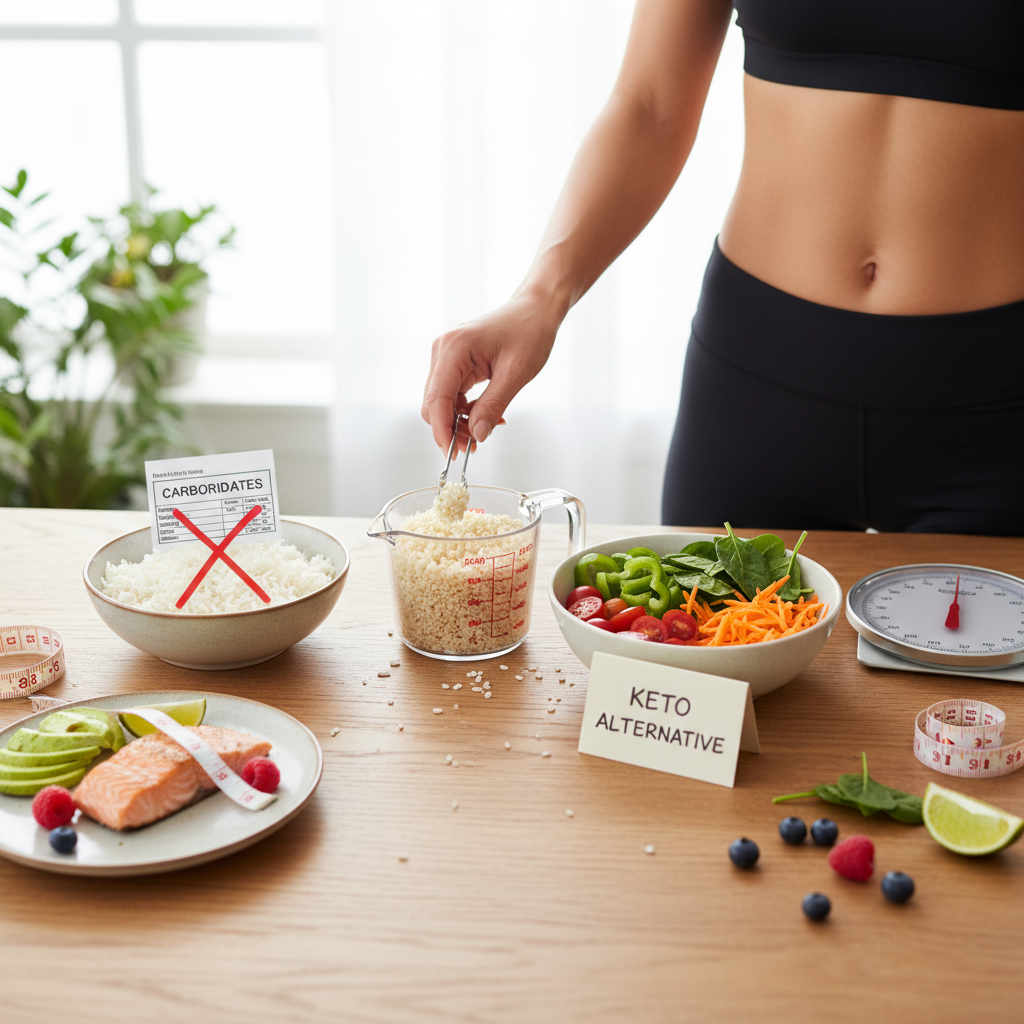

Eating rice on the keto diet is generally not recommended due to its high carbohydrate content, which can hinder the state of ketosis necessary for this eating plan. The ketogenic diet emphasizes a high-fat, low-carbohydrate intake to promote fat burning for energy. Traditional rice, whether white or brown, contains substantial amounts of carbohydrates that can easily disrupt ketosis. However, there are several alternatives and strategies that allow you to enjoy rice-like textures while adhering to keto principles. In this article, you’ll discover the reasons behind avoiding traditional rice and explore viable substitutes that can help you maintain your keto lifestyle.
Understanding the Keto Diet
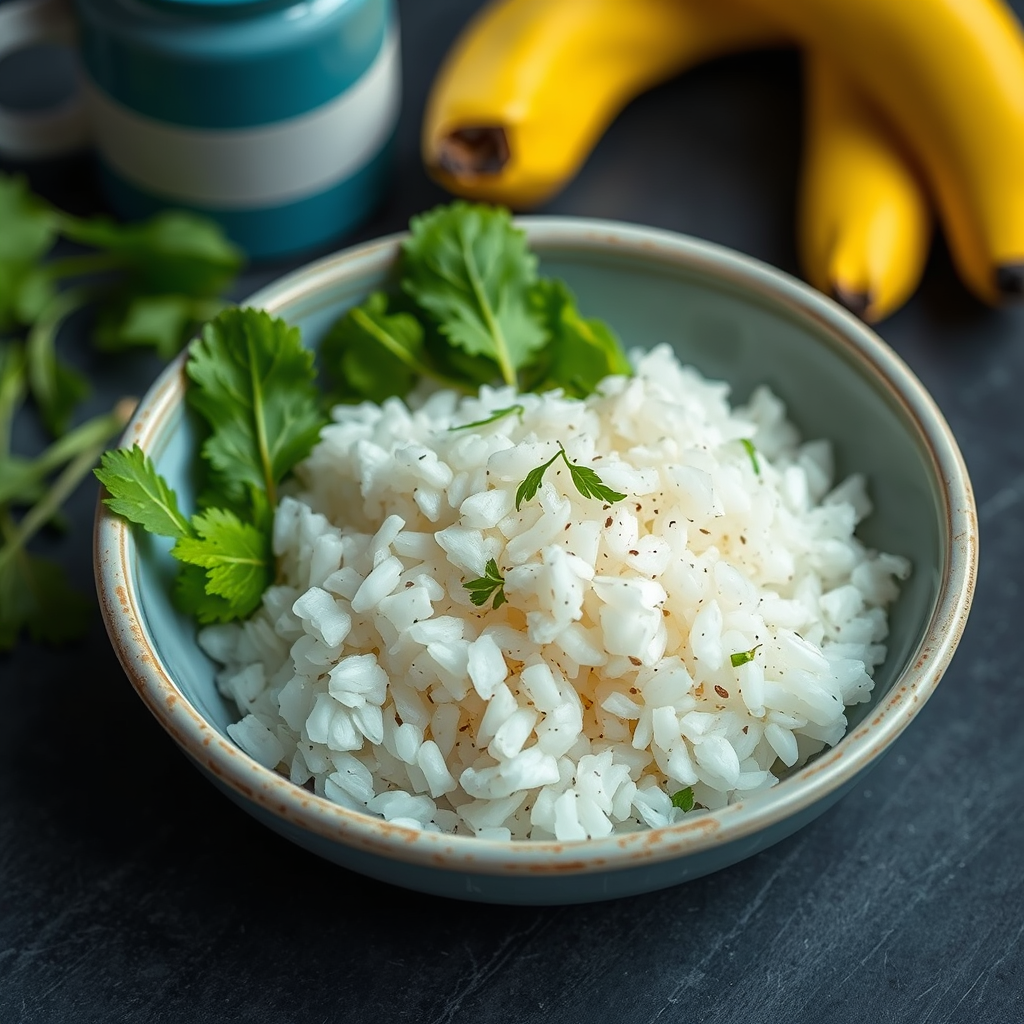
The ketogenic diet, commonly referred to as the keto diet, is designed to shift the body’s primary energy source from carbohydrates to fats. This dietary approach typically involves a macronutrient ratio of approximately 70-75% fat, 20-25% protein, and only about 5-10% carbohydrates. The goal is to enter a metabolic state known as ketosis, where the body efficiently burns fat for fuel, leading to weight loss and improved energy levels. When following a keto diet, it is crucial to minimize carbohydrate intake, as even small amounts can prevent the body from entering or sustaining ketosis.
Carbohydrate Content of Rice
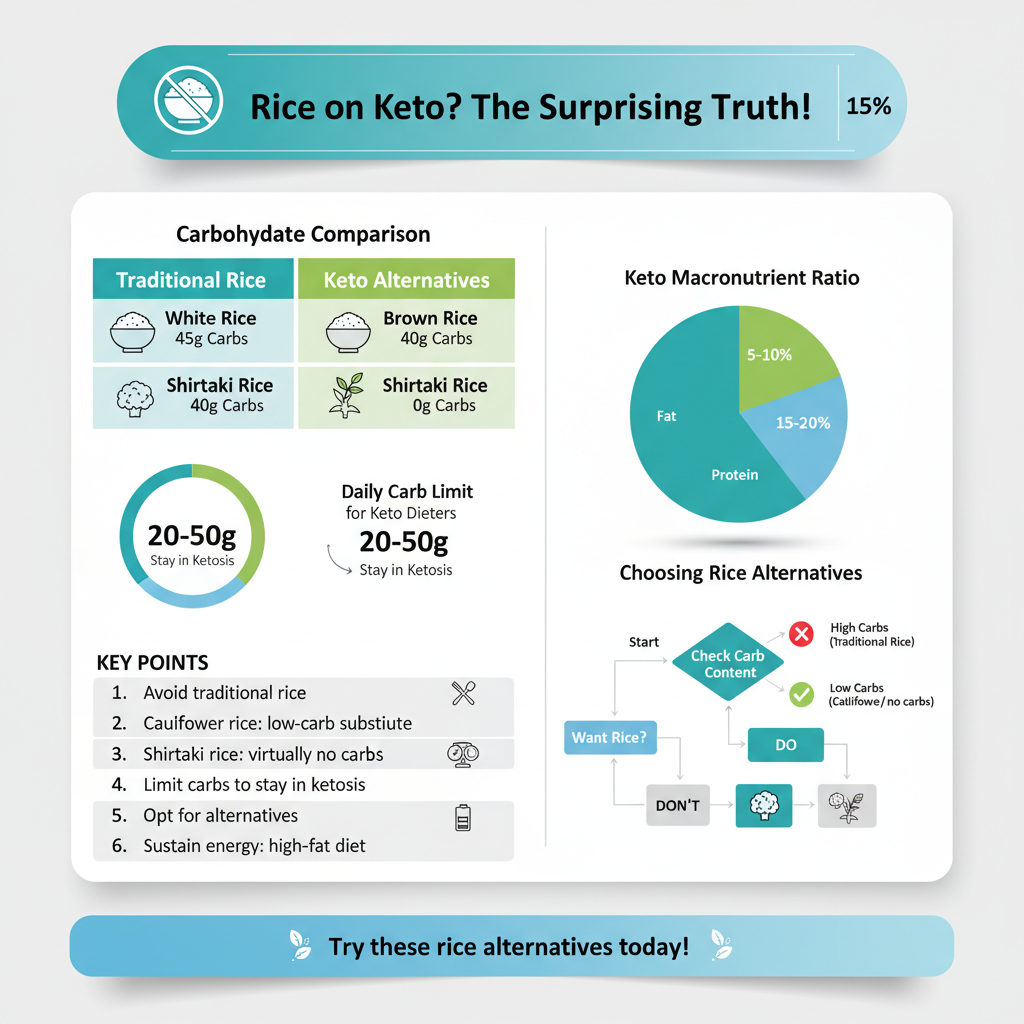
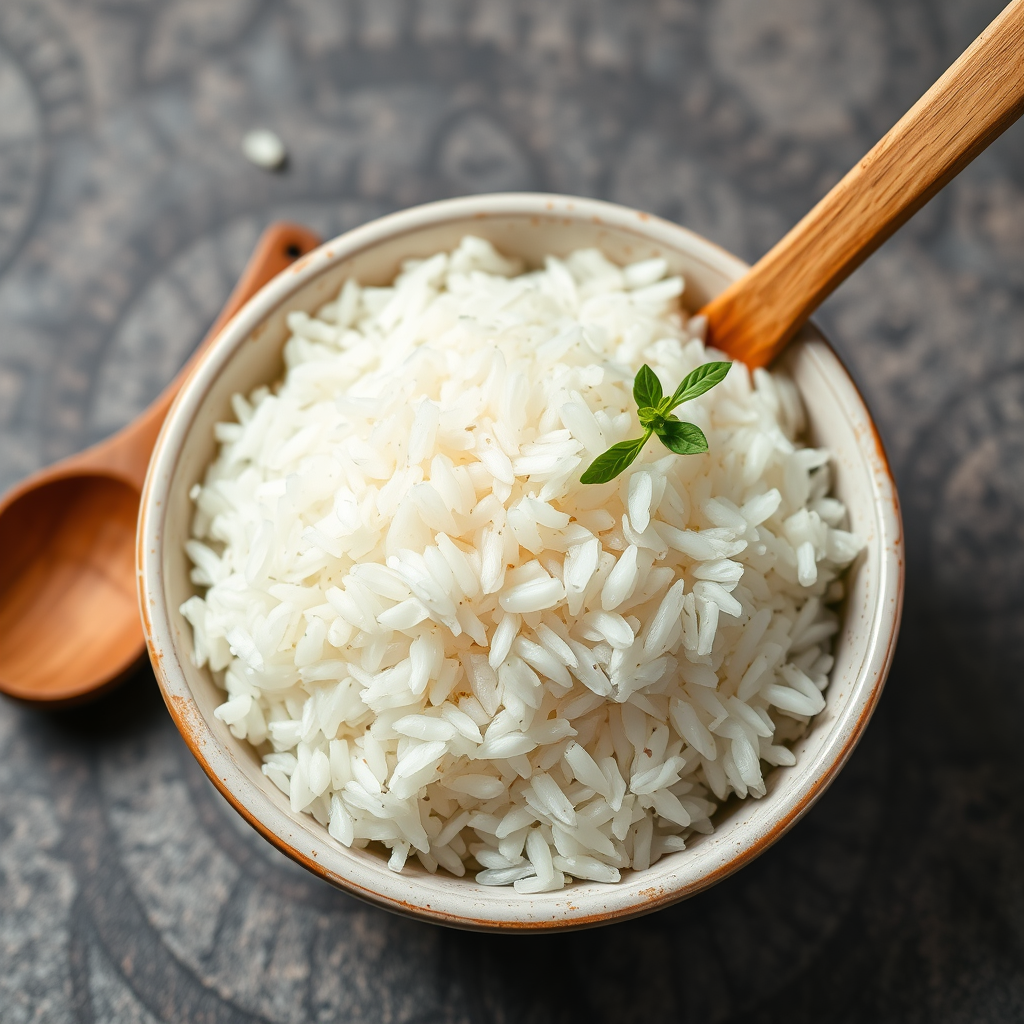
Rice is a staple food in many cultures, but its carbohydrate content poses a significant challenge for those adhering to a ketogenic diet. A single cup of cooked white rice contains about 45 grams of carbohydrates, which can easily exceed the daily carbohydrate limit for someone on a keto diet, typically set between 20 to 50 grams. Brown rice, while often considered a healthier alternative, is still high in carbohydrates, with about 40 grams per cup. Consuming such quantities not only risks knocking you out of ketosis but can also lead to cravings and blood sugar spikes, which are counterproductive to the goals of the keto diet.
Alternatives to Traditional Rice
Fortunately, there are several low-carb alternatives to traditional rice that can help you maintain the desired texture and flavor in your meals without compromising your keto goals.
1. Cauliflower Rice: This is perhaps the most popular substitute for traditional rice among keto followers. Cauliflower is low in carbohydrates and can be easily transformed into rice-like granules by grating or processing it. A cup of cauliflower rice contains roughly 5 grams of carbohydrates, making it a versatile and healthy option.
2. Shirataki Rice: Made from the konjac plant, shirataki rice is another excellent low-carb option. It contains virtually no calories and carbs, making it an ideal choice for those strictly following the ketogenic diet. Shirataki rice has a unique texture that absorbs flavors well.
3. Broccoli Rice: Similar to cauliflower rice, broccoli can also be pulsed into rice-like pieces. It adds a different flavor and additional nutrients, including fiber and vitamins C and K, while keeping carbohydrate content low.
These alternatives not only mimic the texture of rice but also provide additional nutritional benefits that traditional rice lacks.
Incorporating Low-Carb Rice Substitutes
Integrating low-carb rice substitutes into your meals can be both easy and delicious. For instance, preparing cauliflower rice is simple: start by grating fresh cauliflower or pulsing it in a food processor until it reaches a rice-like consistency. Sauté it in olive oil or butter with garlic and seasonings for added flavor. This dish can be served as a side, used as a base for stir-fries, or even incorporated into casseroles.
In a stir-fry, using shirataki rice can enhance the meal while keeping it keto-friendly. Simply rinse the shirataki rice to remove its natural odor, sauté it briefly with your choice of protein and vegetables, and finish with soy sauce or a keto-friendly sauce. For broccoli rice, try mixing it with ground meat and spices to create a hearty keto bowl.
Exploring various recipes that utilize these low-carb alternatives will not only keep your meals interesting but also help you stay committed to your keto lifestyle.
Potential Health Benefits of Reducing Rice Intake
Reducing or eliminating rice from your diet can lead to several health benefits, particularly when following a ketogenic approach. Lower carbohydrate consumption is linked with improved blood sugar levels, making it an effective dietary strategy for individuals with insulin resistance or type 2 diabetes. By minimizing carbs, you also reduce the likelihood of experiencing blood sugar spikes and crashes, which can lead to cravings and overeating.
Additionally, the ketogenic diet has been shown to support weight loss goals by promoting fat burning and reducing overall hunger levels. Many individuals report enhanced energy levels and improved mental clarity when in ketosis, which can lead to better productivity and overall quality of life. Emphasizing low-carb substitutes like cauliflower and broccoli rice can help maintain these health benefits while still allowing for satisfying meals.
Tips for Staying on Track with Keto
Successfully adhering to a ketogenic diet requires planning and strategic choices. Here are some effective tips to help you stay on track:
1. Meal Planning: Planning your meals in advance is crucial for avoiding carb-heavy choices. Create a weekly menu that incorporates low-carb alternatives and stick to it to minimize temptation.
2. Grocery Shopping: When shopping, focus on the perimeter of the store where fresh produce, meats, and dairy are typically located. Read labels carefully to avoid hidden sugars and carbs in packaged foods.
3. Use Keto-Friendly Apps: There are several smartphone applications available that can help you track your carbohydrate intake and monitor your macro ratios. These tools can provide insights into your eating habits and help you stay accountable.
4. Experiment with Recipes: Keep your meals exciting by trying new recipes that utilize low-carb substitutes. This not only keeps you engaged in your diet but also prevents boredom, a common pitfall in long-term dietary changes.
Common Misconceptions About the Keto Diet and Rice
A common misconception is that occasional consumption of traditional rice is acceptable on a keto diet. However, even small amounts can disrupt ketosis and lead to increased cravings for carbohydrates. Understanding that the keto diet is a lifestyle change rather than a temporary fix is essential for long-term success.
Another misconception involves hidden carbs in rice dishes. For example, fried rice or rice mixed with sauces can contain significant amounts of added sugars and carbohydrates that can easily derail your diet. It’s vital to be aware of how rice is prepared and what ingredients are included to maintain adherence to your keto goals.
Summarizing the key insights, it’s clear that traditional rice is not suitable for a keto diet due to its high carb content. Instead, by incorporating low-carb alternatives such as cauliflower rice, shirataki rice, and broccoli rice, you can enjoy satisfying meals while staying on track. Being mindful of your overall carbohydrate intake and preparing meals ahead of time will further support your keto journey. Consider trying out some of the substitutes mentioned above to maintain your keto lifestyle effectively and enjoy the health benefits associated with reduced carbohydrate consumption.
Frequently Asked Questions
Can I eat rice on the keto diet?
No, traditional rice is not compatible with the keto diet due to its high carbohydrate content. A standard serving of white rice contains about 45 grams of carbs, which can significantly exceed the typical daily carb limit of 20-50 grams for those following keto. Instead, consider alternatives like cauliflower rice or shirataki rice, which are low in carbs and can provide a similar texture without compromising your keto goals.
What are some keto-friendly alternatives to rice?
There are several excellent keto-friendly alternatives to traditional rice. Cauliflower rice is one of the most popular substitutes, made by grating or processing cauliflower into small, rice-like pieces. Other options include broccoli rice, zucchini rice, and konjac rice (shirataki), all of which are low in carbohydrates and can be used in various dishes to maintain a low-carb lifestyle.
How can I incorporate rice-like textures in my keto meals?
To incorporate rice-like textures in your keto meals, you can use cauliflower rice, which can easily be sautéed, steamed, or used in stir-fries. You can also try riced vegetables like broccoli or zucchini, which can absorb flavors well and add volume to your dishes. Additionally, using spices and sauces can enhance the flavor profile, making these alternatives satisfying substitutes for rice.
Why is rice considered high in carbs and unsuitable for keto?
Rice is considered high in carbs primarily because it is a grain that contains substantial amounts of starch. A single serving can provide a significant portion of the daily carbohydrate allowance for someone on the keto diet, hindering the body’s ability to enter ketosis—a metabolic state where fats are burned for energy instead of carbohydrates. For those looking to maintain a ketogenic lifestyle, it’s essential to avoid rice to stay within the desired carb limits.
Which types of rice are lower in carbs, and can I include them in a keto diet?
While most rice varieties are high in carbohydrates, certain types, like wild rice, have slightly lower carb counts than white or brown rice, but they are still not recommended for a strict keto diet. For example, wild rice contains about 35 grams of carbs per cooked cup. If you’re looking for a low-carb option, it’s best to stick with substitutes like cauliflower rice or other vegetable-based rices, which can provide the texture you crave without the high carb load.
References
- https://www.healthline.com/nutrition/keto-diet-foods
- https://www.ncbi.nlm.nih.gov/pmc/articles/PMC7074832/
- https://www.webmd.com/diet/what-is-the-keto-diet
- Mayo Clinic
- https://www.verywellfit.com/what-is-the-keto-diet-4686478
- https://www.upmc.com/services/weight-loss/healthy-eating/keto-diet
- https://www.cdc.gov/healthyweight/healthy_eating/index.html