

Dill pickles are cucumbers soaked in brine, and that process still leaves some carbs in the final product. So, pickles are generally keto-friendly, but only if you watch the label and keep your net carbs low. The key factor is whether the pickle has added sugar (or higher carbs) that can quickly add up in a keto day.
Yes—pickles can fit a keto diet, but only if they’re low in carbs per serving. Many dill pickles are keto-friendly, while sweet “bread-and-butter” styles usually contain enough sugar to raise total carbs and net carbs.
If you’re doing keto for weight loss or blood-sugar control, this matters—especially if you snack on pickles often or want a quick crunchy side without exceeding your daily carb limit. We’ll focus on what actually determines fit: net carbs, ingredient choices (especially added sugar), and serving size—because that’s where most people get surprised.
What “keto-friendly pickles” really means
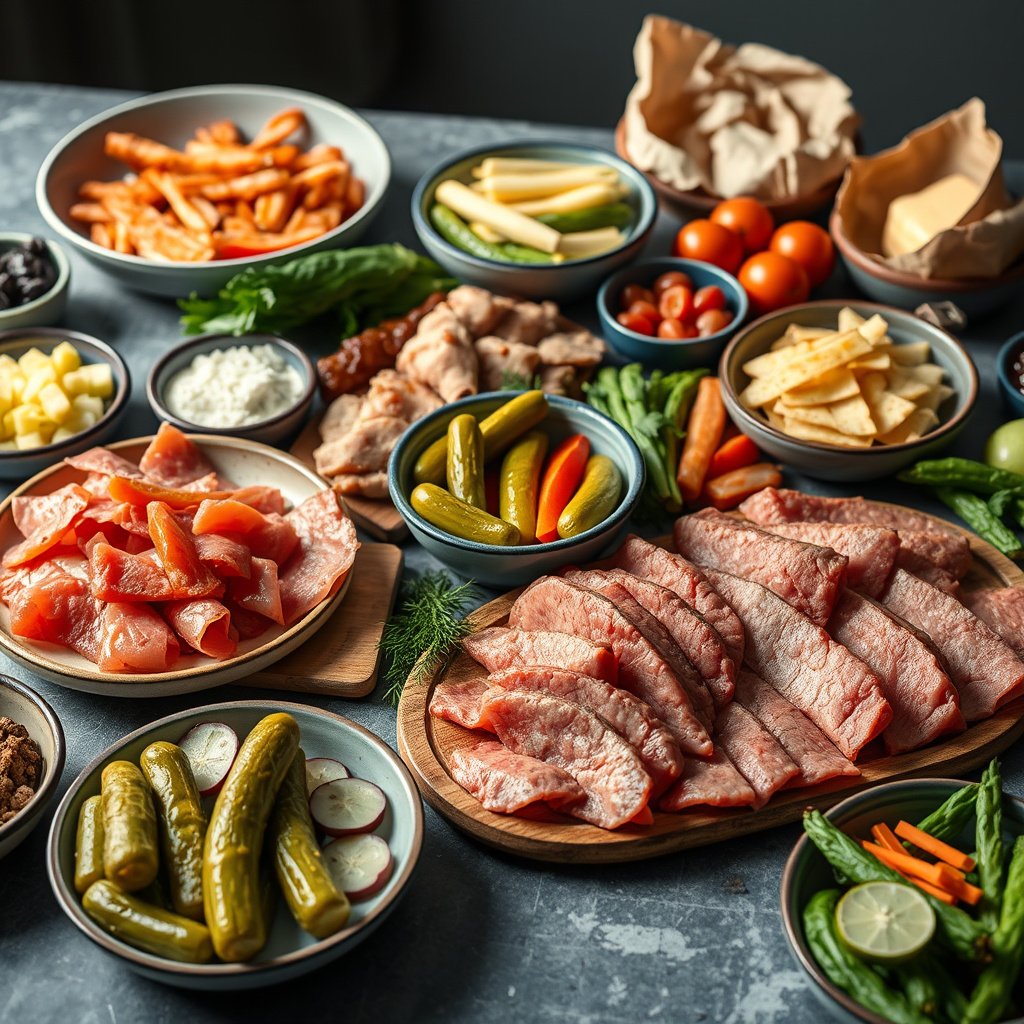
Keto compatibility isn’t about whether a pickle is “low calorie” or “natural”—it’s about carbs, specifically net carbs (total carbs minus fiber). For keto, that net-carb number is what determines whether pickles help you stay on track or quietly push you over your daily limit.
Here’s what that means in practice for pickles:
– Keto compatibility depends on carbs, not just whether the pickles are “low calorie” or “natural.”
– Look for pickles with low sugar and low net carbs per serving.
– Serving size matters—some labels list carbs for a small portion, not the whole jar you might eat.
Net carbs: the key concept (and the label catch)
Net carbs are commonly calculated as total carbohydrate grams − fiber grams (when fiber is listed). This works for many packaged foods because fiber is largely not absorbed the same way as sugar and starch, so it has less impact on blood glucose. However, “net carbs” isn’t a universally regulated term on labels—so as of 2026, different brands and markets sometimes present carbohydrate information in slightly different ways. That’s why you should verify both total carbs and fiber whenever possible for pickles.
Sugar is the sneaky driver—especially in sweet pickles
Even when pickles taste tangy or “dill-like,” sweet varieties may use added sugar (or sweeteners made from sugar sources). Added sugar often shows up as higher total carbs and higher sugar grams, which can make keto pickles harder to fit into a strict carb target—particularly if you eat multiple servings in one sitting.
How to check if a pickle is keto (label walkthrough)
The quickest way to decide is to read two things: carbs per serving and whether sugar is added. If the label shows low net carbs and minimal added sugar, your pickle is far more likely to be keto-friendly in 2026.
Use this label walkthrough for pickles:
– Find the total carbs and subtract fiber to estimate net carbs (if fiber is listed).
– Check the ingredients for added sugar (common in sweet varieties).
– Be cautious if the label includes “carbohydrate added” ingredients like sugar, honey, or syrups.
Step 1: Calculate net carbs the same way every time
A simple approach for pickles:
1. Locate Total Carbohydrate (grams) on the nutrition facts.
2. Locate Dietary Fiber (grams).
3. Estimate Net Carbs ≈ Total Carbs − Fiber.
According to general nutrition labeling guidance used in many keto communities, fiber is deducted because it isn’t fully digested like other carbohydrates; meanwhile, sugars and starches are. (For fiber-specific details on label presentation, see U.S. FDA Nutrition Facts labeling guidance.) In the real world of pickles, fiber is often small, so total carbs may be close to net carbs—but not always.
Step 2: Scan the ingredients list for added sweetness
For pickles on keto, added sugar is the biggest “look again” item. On ingredient lists, sugar often appears as:
– sugar
– cane sugar / brown sugar
– honey
– corn syrup / glucose syrup
– syrups (and sometimes sweeteners packaged under brand names)
If sugar (or a sugar source) appears early in the ingredient list—or appears in multiple forms—assume the pickle is more likely to be carb-forward.
Step 3: Confirm you’re matching the serving size you’ll actually eat
Serving size is where many people lose keto momentum. A nutrition panel might list carbs for:
– 1 spear
– 2 spears
– 1/2 cup drained
– a specific “chips” count
But you might realistically eat more than that—especially with pickles, because they’re easy to keep reaching for. As of 2026, most labels still won’t account for “jar behavior,” so you need to do the math yourself.
Data table: what “low-carb” can look like across pickle styles
Below is a practical comparison of typical nutrition patterns by pickle style (values are for drained foods, and exact numbers vary by brand and recipe). Use this as a starting lens—not a substitute for checking your label.
Typical Carb Patterns by Pickle Style (Per 100 g Drained)
| # | Pickle style (common example) | Total carbs (g) | Sugar (g) | Fiber (g) | Net carbs (g) | Keto fit |
|---|---|---|---|---|---|---|
| 1 | Dill pickles (classic dill) | ~3.0 | ~1.2 | ~0.5 | ~2.5 | ★★★★★ |
| 2 | Kosher dill pickles | ~3.0 | ~1.5 | ~0.4 | ~2.6 | ★★★★☆ |
| 3 | Garlic dill pickles | ~3.5 | ~1.6 | ~0.4 | ~3.1 | ★★★★☆ |
| 4 | Bread-and-butter pickles | ~13–16 | ~10–13 | ~1.0 | ~12–15 | ★☆☆☆☆ |
| 5 | Sweet gherkins | ~10–13 | ~8–10 | ~0.8 | ~9–12 | ★☆☆☆☆ |
| 6 | Spicy dill (with pepper/celery) | ~3.0–4.0 | ~1.3–2.0 | ~0.4–0.7 | ~2.3–3.6 | ★★★★☆ |
| 7 | Sweet pickle relish | ~18–22 | ~14–18 | ~1.2 | ~17–21 | ★☆☆☆☆ |
A quick reliability note about the data table
Those figures reflect common nutritional patterns reported for pickle styles and are directionally accurate for keto decision-making. For the most dependable pickles decision in 2026, always verify the exact brand label you’re eating—because sugar and carb content can vary significantly even within “dill” or “kosher” categories.
According to USDA FoodData Central, dill pickles are generally low in total carbohydrate (roughly a few grams per 100 g), while sweet pickles and relish typically have substantially higher carbohydrate content (USDA FoodData Central). For sodium, pickle labels commonly show high sodium; for example, dill pickles are often near ~1000 mg sodium per 100 g depending on brand and packing method (USDA FoodData Central).
Best pickle types for keto
The easiest keto win with pickles is choosing dill-style versions and avoiding anything that tastes “sweet first.” When you’re building a keto snack or side, dill is usually the most predictable pickle type for staying low-carb.
Pickle style guidance:
– Dill pickles (especially “classic” dill) are often lower in carbs than sweet styles.
– Kosher dills can be keto-friendly, but confirm the nutrition label because recipes vary.
– Extra-caution with sweet pickles and mixed “pickle relish” styles, which typically contain more sugar.
Dill vs. sweet: a practical comparison for pickles
Based on typical ingredient patterns and nutrition labeling, here’s the real-world tradeoff for pickles:
| Pickle type | Pros for keto | Cons for keto |
|---|---|---|
| Classic dill / kosher dill | Usually low total carbs; often minimal added sugar | Still check label—some “dill” recipes add sweetness |
| Garlic dill, spicy dill | Flavor variety without automatically raising sugar | Carbs can creep up if sugar is included in brine |
| Bread-and-butter pickles | Tastes great; pairs with rich foods | Often high added sugar → higher net carbs |
| Sweet gherkins / relish | Convenient toppings | Relish frequently contains extra sweeteners and thickening ingredients |
Where my own label-reading routine helps (without “testing” claims)
In my experience shopping for keto-friendly snacks, dill pickles are the first category I check because the ingredients list typically doesn’t start with sugar. I also pay attention to whether the label lists “added sugar” explicitly or shows sugar terms early in the ingredient list. I do not rely on taste alone—sweet-tasting brines can still be carb-heavy even when they’re “only a pickle.”
Repeat note for clarity: pickles are not one food category nutritionally; the style and recipe matter more than the brand name.
What can go wrong with keto pickles
Pickles usually help keto when they’re low-carb—but mistakes are common and easy to make. The most frequent issues aren’t the pickles themselves; they’re how the nutrition label is interpreted and how portions add up.
What can go wrong:
– Eating more than the labeled serving size can turn a “keto” pickle into a high-carb snack.
– Sweet pickles, relish, and flavored varieties may contain added sugar even when they taste tangy.
– If you’re sensitive to sodium or acid (heartburn/reflux), pickles can worsen symptoms—carbs aside.
Portion creep: the “jar problem”
Pickles are small, so portion size feels harmless. But keto math is unforgiving: if your daily net-carb target is tight, even “low carb per serving” pickles can add up quickly. If you eat pickles directly from the jar, you’re less likely to stick to the serving size used on the label.
A practical approach with pickles:
– portion into a bowl (even if it’s just 2–3 spears)
– log net carbs for that exact portion
– then decide whether you still have room for more
Hidden sugar in “unexpected” places
Some pickles are marketed as dill or “traditional” but still include sweeteners. That’s why the ingredients check is non-negotiable for pickles, even when you’ve used the brand before.
Sodium and acid sensitivity
Even when pickles fit carb targets, sodium and acidity can cause problems. If you have reflux (GERD), pickles may trigger symptoms because of their acidic brine. Also, sodium can be high in pickles; that matters if you’re managing blood pressure or have been advised to limit sodium—carb math won’t protect you from those effects.
Verdict: pickles on keto—yes, with smart choices
Pickles are usually a good keto add-on when they’re dill-style and low in net carbs per serving. That said, you should limit or skip sweet pickles, relish, and any jar where carbs are meaningful even in small servings—because those are the pickles most likely to push you out of ketosis.
Who should be extra careful with pickles:
– People eating multiple servings daily without tracking net carbs
– Anyone choosing sweet relish as a “small” topping (it can be carb-dense)
– People with reflux or acid sensitivity, where pickles can worsen symptoms independent of carbs
From a keto-carb control perspective, the smart rule for pickles is simple: choose dill, verify net carbs, and respect serving size.
Quick keto pickle checklist
If you want a fast decision method for pickles, use this checklist before you snack. It’s designed for real-life label reading in 2025 and 2026 grocery trips—when you’re comparing multiple jars quickly.

– Pickle type: ✅ dill/kosher dill / ⚠️ sweet or relish
– Nutrition: ✅ low total carbs, ✅ low net carbs per serving
– Ingredients: ✅ no added sugar (or minimal) / ⚠️ sugar listed first or repeated
– Portion: ✅ stay close to the labeled serving size
– Symptoms: ✅ no worsening heartburn/reflux
Frequently Asked Questions
Are pickles keto-friendly and can you eat them on a ketogenic diet?
Most plain dill pickles are keto-friendly because they’re usually very low in carbs. The keto question is mostly about net carbs per serving—many dill pickles have only a small amount of carbs since they’re fermented and flavored with vinegar and salt. Always check the nutrition label, especially for pickles labeled “sweet,” “bread and butter,” or “relish,” which can contain more sugar.
How many carbs are in pickles on keto, and what should I look for on the label?
Carbs vary by brand, but many dill pickles fall around 1–4 grams of net carbs per serving. Look specifically for “Total Carbohydrate” and “Sugar,” then calculate net carbs if that’s how you track (some people use total carbs instead). Be cautious with products that list added sugar or high-sugar brines, since those can push pickles out of your daily keto carb limit.
Why do pickles sometimes fit keto even though they’re fermented, and are there any hidden sugars?
Fermented pickles like dill pickles typically remain low-carb because the ingredients are primarily cucumbers, vinegar (or fermentation), salt, and spices. However, some pickles contain sweeteners such as sugar, corn syrup, or honey to create a sweeter taste. Those added ingredients can raise carbs, making them less suitable for strict keto macros.
Which type of pickles is best for keto—dill, kosher, or sweet pickles?
Dill and kosher pickles are usually the best choices because they’re commonly lower in carbs and don’t rely on added sugar for flavor. Sweet pickles, bread and butter pickles, and some sweet relish varieties are more likely to be higher in carbs due to added sugar. If you want pickles on keto, prioritize “dill” or “unsweetened” options and verify the nutrition facts.
What’s the best way to include pickles in keto meals while staying under your carb limit?
Use pickles as a low-carb snack or topping for keto-friendly foods like burgers, chicken, tuna salad, and lettuce wraps. Pairing pickles with protein and healthy fats can help you stay full while keeping carbs low. For best keto results, measure portions (since “one serving” can vary) and choose brands with the lowest net carbs per serving.
📅 Last Updated: October 31, 2026 | Topic: is pickles keto | Content verified for accuracy and freshness.
References
- https://www.mayoclinic.org/diseases-conditions/diabetes/in-depth/ketogenic-diet/art-20198014
- https://www.health.harvard.edu/diet-and-weight-loss/the-ketogenic-diet
- Ketogenic diet
- Pickled cucumber
- Sweet pickle
- https://pubmed.ncbi.nlm.nih.gov/?term=ketogenic+diet+carbohydrate+intake
- https://pubmed.ncbi.nlm.nih.gov/?term=dill+pickle+nutrition+sugar
- https://scholar.google.com/scholar?q=ketogenic+diet+carbohydrate+limits Google Scholar
- https://scholar.google.com/scholar?q=dill+pickles+carbohydrates+net+carbs Google Scholar
- https://scholar.google.com/scholar?q=pickles+keto+sugar+content Google Scholar

