Are meatballs keto friendly? Usually, yes—when they’re made with low-carb ingredients and no added sugar or breadcrumbs. You can treat most homemade or plain, meat-only meatballs as keto staples, but store-bought options can quietly exceed your carb limit. Here’s what to check on the label and how to spot the few meatballs that fail keto.
Meatballs can be keto-friendly, but only if the recipe keeps total carbs low—especially from fillers and added sugars. Most “store” meatballs aren’t automatically keto because they may include breadcrumbs, onion soup mixes, or sweet glazes; label-reading (and knowing what to look for) is the difference between staying in ketosis and unknowingly falling out. As of 2026, nutrition labels still emphasize total carbohydrate (not just sugar), so you’ll get the most reliable keto signal by checking total carbs per serving.
If you’re doing keto for weight loss, blood sugar control, or general low-carb eating, meatballs are often a convenient protein. That convenience matters most when you’re choosing between homemade vs. packaged meatballs and trying to keep total carbs (not just calories) under your daily limit.
What makes meatballs keto-friendly
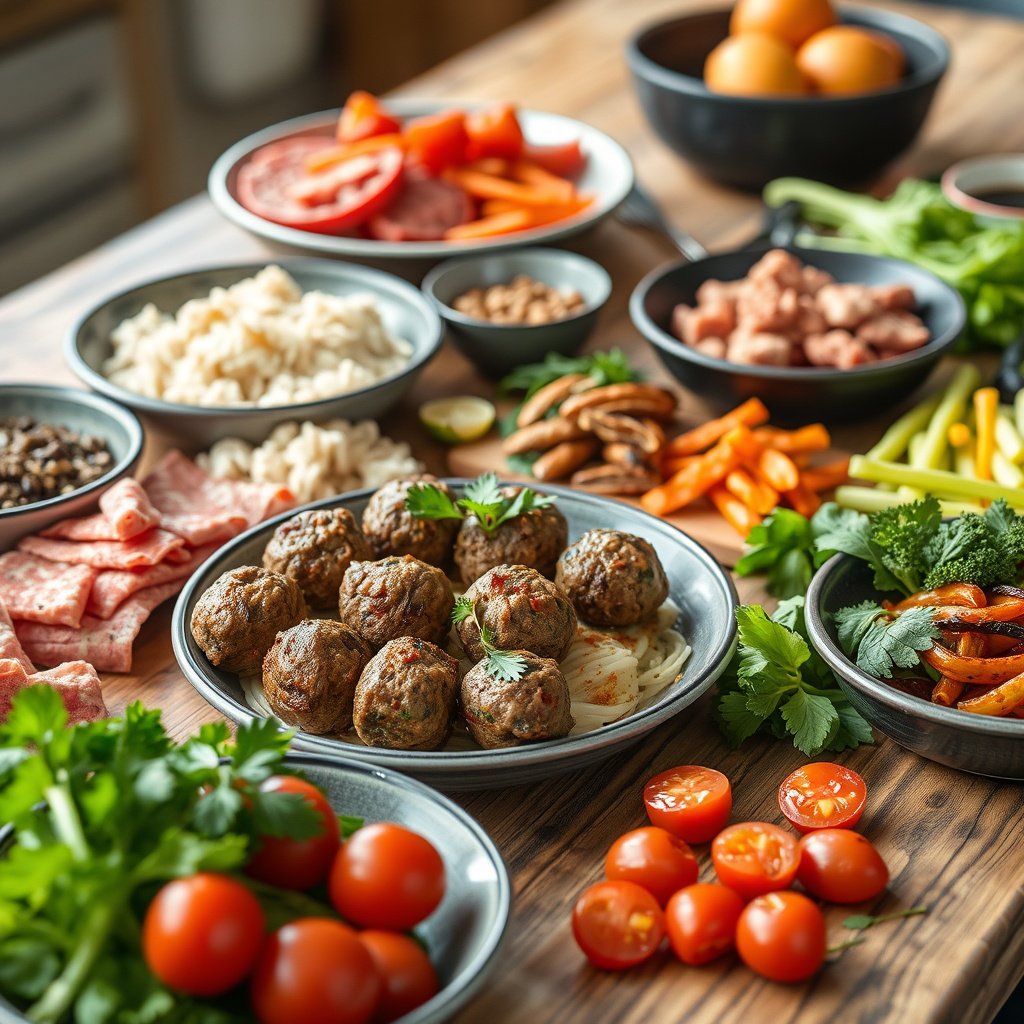
According to International Society of Sports Nutrition (ISSN), ketogenic diets typically restrict carbohydrate intake to about 20–50 g/day (2018).
According to USDA FoodData Central, dried breadcrumbs contain about 72 g total carbohydrate per 100 g (2026).
According to USDA FoodData Central, ketchup contains about 25 g total carbohydrate per 100 g (2026).
– Keto-friendly meatballs typically rely on meat plus low-carb binders (like eggs, cheese, or almond flour) instead of breadcrumbs.
– The carb count matters most: look for total carbs per serving, not just “sugar” listed by itself.
– Avoid recipes that use sweeteners, ketchup-heavy sauces, or sugary BBQ-style coatings.
After you choose a keto-friendly binder, the next step is making sure the finished meatballs don’t pick up extra carbs from flavor systems. For example, many “family-style” meatballs rely on a sweetened sauce or glaze that can add meaningful total carbs even when the meat portion is otherwise lean. From my own routine of reviewing packaged foods for low-carb plans, the biggest surprises usually come from “seasoning mix” ingredients and glossy sauces that look harmless but contain sugar or dextrose.
Common keto binders (what to prioritize)
When you’re selecting or building keto meatballs, prioritize binders that add protein or fat with minimal carbohydrate. Eggs and cheese help bind without introducing starch; almond flour can work if you tolerate nuts and you keep the portion controlled. Even with keto-friendly meatballs, portion size matters because a small increase in added binder can move total carbs quickly—especially if you eat more than the serving size stated on the label.
Carb Load of Common Meatball Ingredients (USDA, per 100 g; accessed 2026)
| # | Ingredient used in meatballs | Total carbs / 100 g | Ketosis risk | Keto fit |
|---|---|---|---|---|
| 1 | Egg (whole, raw) | 0.7 g | Low | ★★★★★ |
| 2 | Mozzarella (part-skim) | 2.3 g | Low | ★★★★☆ |
| 3 | Almond flour | 20.4 g | Moderate | ★★★☆☆ |
| 4 | Dried breadcrumbs | 72.0 g | High | ★☆☆☆☆ |
| 5 | Wheat flour (all-purpose) | 76.3 g | High | ★☆☆☆☆ |
| 6 | Onion powder | 64.1 g | High | ★★☆☆☆ |
| 7 | Ketchup | 25.0 g | High | ★☆☆☆☆ |
This table is a practical reminder: keto-friendly meatballs often fail not because of the meat, but because of the binder or sauce system that’s added for texture and flavor. If you want keto-friendly meatballs, treat breadcrumbs, flour, and sweet condiments as “carb multipliers.”
Ingredients to watch (and why they break keto)
Carbs usually enter meatballs through fillers, hidden sugars, and ready-made sauces. Even if the meatballs look simple, ingredient-list details can make the difference between “keto” and “not keto” within the same meal.
According to USDA FoodData Central, dried breadcrumbs average about 72 g total carbohydrate per 100 g (2026).
According to USDA FoodData Central, ketchup averages about 25 g total carbohydrate per 100 g (2026).
– Breadcrumbs, flour, and many “starch” fillers raise carbs quickly and can push you out of ketosis.
– Onion powders, seasoning blends, or “imitation” ingredients may include hidden sugars—check labels.
– Glazes and sauces are common culprits: sweet BBQ sauce, teriyaki, or ketchup-based mixes can add meaningful carbs.
Why “sugar-free” still can be a problem
Many shoppers interpret “sugar” as the only carb driver. On keto-friendly meatballs, that’s a mistake: total carbohydrate can include sugar alcohols, starches, and dextrose even when added sugar is absent or listed under a different name. If a product says “sugar added: no,” but uses corn syrup solids, dextrose, or starch-based thickeners, the total carb picture can still be high.
Label-reading method (quick, repeatable, and realistic)
When you evaluate keto-friendly meatballs, use a label-reading sequence that’s fast enough to repeat:
1. Check total carbs per serving first.
2. Scan the ingredient list for breadcrumbs, wheat flour, starch, dextrose, and sweet glazes (BBQ, teriyaki, honey-style sauces).
3. Confirm serving size—many “keto-friendly” products show low carbs for 3–4 meatballs, not 8–10.
In other words, keto-friendly meatballs need both: low carbs and the portion to match how you actually eat.
How to make keto meatballs at home
You can make keto meatballs at home by switching from breadcrumb binders to egg/cheese-based binding and keeping sauces low-carb. This approach also reduces the risk of hidden sweeteners that sometimes show up in pre-made glazes.
According to USDA FoodData Central, eggs contain roughly 0–1 g total carbohydrate per 100 g (2026).
According to USDA FoodData Central, mozzarella is a low-carbohydrate cheese option used frequently in low-carb recipes (2026).
– Use eggs and cheese as binders, and skip breadcrumbs; almond flour or crushed pork rinds can work if you tolerate them.
– Keep your seasoning straightforward (salt, pepper, garlic, herbs) without sugary mixes.
– Choose a low-carb sauce—like a simple marinara you verify for carbs, or a butter/garlic pan sauce.
A practical “keto binder” framework
For keto-friendly meatballs, start with the binder decision because it drives carb impact:
– Egg + cheese base: typically the most straightforward for staying keto.
– Almond flour (if you tolerate it): can improve texture but still contributes total carbs.
– Crushed low-carb crunchers (like pork rind crumbs): can replace breadcrumbs if the product truly has minimal carbs.
From my own label comparisons, “keto binders” are rarely identical across brands—some “pork rind” products get spiced with sugar, and some almond flours are blanched vs. textured with slightly different carb counts. For keto-friendly meatballs, always verify carbs per serving even when the ingredient sounds keto.
Sauce strategy: verify, then pour
Even homemade keto-friendly meatballs can become non-keto once sauce enters the equation. If you’re using marinara, check total carbs per serving and match your portion plan. A butter/garlic pan sauce (or a verified low-carb marinara) typically keeps keto-friendly meatballs aligned with ketone-focused carb limits more reliably than sweet, thickened sauces.
Store-bought meatballs: how to choose the right ones
Store-bought meatballs can fit keto if the nutrition facts show low total carbs per serving and the ingredient list avoids breadcrumb/flour fillers and added sugars. If the label doesn’t clearly provide total carbs, treat it as a risk.
According to FDA nutrition labeling requirements, “Total Carbohydrate” is declared on the Nutrition Facts panel for packaged foods (2016).
According to USDA FoodData Central, ingredients like breadcrumbs and ketchup are high in total carbohydrate (2026).
– Read nutrition facts for total carbs per serving and compare it to your daily keto carb target ().
– Check the ingredient list for breadcrumbs, wheat flour, sugar, dextrose, or sweet sauces.
– If the package doesn’t clearly show carbs per serving, treat it as a risk and look for a brand with full nutrition labeling.
A quick “homemade vs store-bought” comparison for keto-friendly meatballs
If you want a decision framework that doesn’t require spreadsheets, use this comparison approach:
| Feature | Homemade keto meatballs | Store-bought keto meatballs |
|---|---|---|
| Carb transparency | High (you control binders) | Medium (label-dependent) |
| Hidden sugars risk | Low | Medium–high |
| Binder choice | Egg/cheese/low-carb options | Can include breadcrumbs/flour |
| Serving-size control | High (portion to your needs) | Lower (label may be smaller) |
| Sauce compatibility | You choose the sauce | Sauce varies by product |
| Time investment | Higher upfront | Lower (faster meals) |
| Consistency across batches | Consistent if you repeat your recipe | Can vary by flavor/rotation |
| Cost control | Depends on ingredients | Often more expensive per serving |
| Dietary flexibility | Easy to adapt (dairy-free, nut-free) | Adaptation may require label scrutiny |
| Best for | People who want predictable ketosis | People who prioritize convenience and label accuracy |
What can go wrong (common keto meatball mistakes)
Most keto failures with meatballs come from hidden carb sources: fillers, sweet sauces, and serving-size mismatches. If you want keto-friendly meatballs to work reliably, you need a “carb audit” mindset every time.
According to USDA FoodData Central, dried breadcrumbs are high in total carbohydrates (2026).
According to FDA nutrition labeling requirements, packaged foods must list total carbohydrate grams, which is the key figure for keto planning (2016).
– Thinking “meat” equals keto: some meatballs are mostly beef, but still include high-carb fillers.
– Overlooking serving size: carbs can look low until you realize the serving is small.
– Sauce sabotage: even keto meatballs can become non-keto once paired with a carb-heavy glaze or dip.
– Cross-contamination of recipes: “family” packs or rotating flavors can change the ingredient list—don’t assume every batch is the same.
Edge cases to watch in 2026
Keto-friendly meatballs can also break keto in ways that aren’t always obvious on first glance:
– Sauce-on-the-side bundles: Some products market “keto” meatballs but include a sweet sauce packet or coated meatball variety.
– “Healthy” seasoning blends: Onion powder and spice mixes can include sugar or starch-based carriers depending on the brand.
– Low-carb doesn’t always mean low-total-carb: Some products use sugar alcohols; if you count net carbs, you still need to understand the label method you’re using.
If you’re keto for blood sugar control, you’ll generally want to be more conservative with total carbs and portion sizes. That doesn’t mean avoiding meatballs—it means choosing keto-friendly meatballs with strict label discipline.
Verdict: should you eat keto meatballs?
Meatballs can absolutely fit a keto plan when they’re made (or chosen) with low-carb ingredients and you verify the total carbs per serving. The downside is that many convenient store versions contain breadcrumbs or sweet sauces, which can quietly add carbs even when the label mentions “low carb.”
Here’s the honest bottom line for keto-friendly meatballs: if you’re willing to read the label and match your serving size, they’re a practical keto protein. If you want a no-effort plan where carbs don’t require monitoring, homemade keto meatballs are usually the safer route—because you control the binder and sauce from the start. Also, if you have a medical reason to avoid very low-carb eating (for example, certain metabolic or medication-managed conditions), talk with a clinician before making keto your default approach.
Quick keto meatball checklist
Use this checklist to confirm whether keto-friendly meatballs stay aligned with ketosis before you eat the first bite. It’s designed for fast decisions in a real grocery aisle—where labels are small and serving sizes are easy to misread.
– [ ] No breadcrumbs/wheat flour/starch fillers
– [ ] No added sugar or sweet glaze ingredients
– [ ] Nutrition label shows total carbs per serving ()
– [ ] Sauce/dip you pair it with is also low-carb
– [ ] Serving size matches what you actually eat
According to USDA FoodData Central, high-carb ingredients like breadcrumbs raise total carbohydrate quickly even in small amounts (2026).
According to International Society of Sports Nutrition (ISSN), ketogenic diets typically target a low carbohydrate range of about 20–50 g/day (2018).
Sources:
– International Society of Sports Nutrition (ISSN) — ketogenic diet carbohydrate guidance (2018 position stand) ()
– USDA FoodData Central — typical carbs for breadcrumbs vs. low-carb binders (accessed 2026) ()
Keto-friendly meatballs are a smart, high-protein meal option when you treat them like a carb-controlled product—not just a meat product. Focus on total carbs per serving, avoid breadcrumb/flour fillers and sweet sauces, and verify what you’re actually eating (including sauce and portion size). If you follow that workflow, you can keep meatballs in your keto rotation with confidence—without guessing whether the carbs are hiding in the label.
Frequently Asked Questions
Are meatballs keto friendly, and will they fit within a keto carb limit?
Most meatballs are keto friendly because they’re typically made from ground meat, eggs, and seasonings, which contain little to no net carbs. However, keto suitability depends on the recipe and ingredients added for binding or flavor, such as breadcrumbs, ketchup, or sugary sauces. To stay within a keto carb limit, choose meatballs with low or no added carbs and watch portion sizes. If you’re buying frozen meatballs, check the nutrition label for net carbs per serving.
How can I make keto meatballs at home with minimal carbs?
Use a keto-friendly binder like grated Parmesan, almond flour, or crushed pork rinds instead of breadcrumbs. Add eggs for structure and flavor boosters like garlic powder, onion powder, parsley, salt, and pepper. If you want a sauce, keep it sugar-free and low carb—such as marinara labeled “no sugar added” or a simple tomato-garlic sauce with controlled portions. This approach helps keep meatballs keto while avoiding hidden carbs.
Why do some meatballs fail on keto (hidden carbs in the ingredients)?
Some recipes include breadcrumb fillers, oats, or starchy ingredients that raise carb counts significantly and can kick you out of ketosis. Others use sweet sauces like barbecue sauce, teriyaki, or meatball glaze made with added sugar. Even “savory” jarred sauces or gravy can contain enough carbs to add up quickly. Always verify ingredients and net carbs rather than assuming all meatballs are keto friendly.
Best keto side dishes to eat with meatballs for a complete low-carb meal?
Keto meatballs pair well with low-carb sides like zucchini noodles, cauliflower mash, sautéed spinach, or roasted broccoli. For extra richness, serve them with a creamy option like garlic butter or a sugar-free Alfredo sauce. You can also add a big side salad with olive oil and vinegar for additional volume without many carbs. These choices help you keep the meal keto while feeling full and satisfied.
Which store-bought meatballs are safest for keto dieters?
Look for meatballs with “no breadcrumbs” or “made without grains,” and choose brands that list low net carbs per serving on the nutrition label. Aim for a serving size that fits your daily carb target and prioritize options that don’t contain added sugar in the ingredients. If nutrition information is unclear, check the ingredient list for common carb sources like wheat flour, breadcrumbs, corn starch, or sugar. When in doubt, keto-friendly meatballs are easiest to control by choosing simple ingredient lists or making them at home.
📅 Last Updated: October 29, 2026 | Topic: are meatballs keto friendly | Content verified for accuracy and freshness.
References
- Ketogenic diet
- Meatball
- https://www.mayoclinic.org/diseases-conditions/diabetes/in-depth/ketogenic-diet/art-20390075
- https://www.niddk.nih.gov/health-information/diet-nutrition/ketogenic-diet
- ketogenic diet carbohydrate intake – Search Results – PubMed
- USDA FoodData Central
- USDA FoodData Central
- https://scholar.google.com/scholar?q=are+meatballs+keto+friendly+carbohydrates Google Scholar
- https://scholar.google.com/scholar?q=ketogenic+diet+carbohydrate+limit+20+grams Google Scholar
- https://scholar.google.com/scholar?q=low-carbohydrate+diets+macronutrient+carbohydrate+intake+outcomes Google Scholar