

Are eggs keto? Yes—plain eggs are a keto staple because they’re virtually carb-free and provide steady fat and protein to keep you in ketosis. The only time eggs can derail keto is when they’re paired with sugary add-ins or breading, or cooked in high-carb sauces. Here’s what to check before you eat eggs on keto, so you can stay on track.
Eggs are keto-friendly for most people because they’re very low in net carbs and naturally provide protein plus healthy fats. In practical terms, eggs can usually help you hit keto targets while keeping meals filling—just make sure the preparation (especially sauces and mix-ins) doesn’t add unexpected carbs.
In this guide, we’ll break down how eggs fit keto macros, the best ways to eat them, and what to watch for so they don’t accidentally push your carbs too high.
If you’re starting keto (or just adding simple meals), this is for you—especially if you’ve wondered whether eggs “count” on keto or if certain preparations (like sauces or mix-ins) make them less suitable.
Are Eggs Keto?
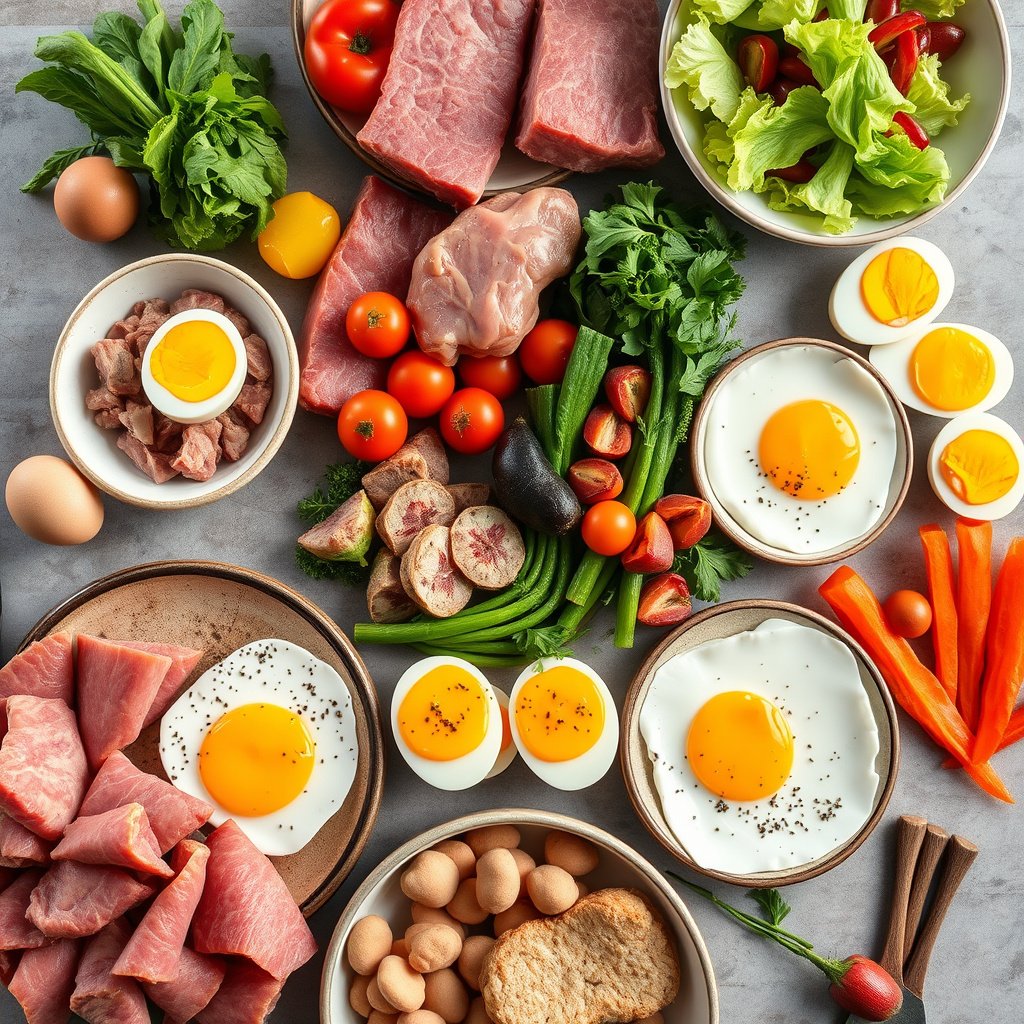
Yes—eggs are keto-approved for most people because their carbohydrate content is minimal while their fat-and-protein profile supports satiety. They “work” on keto in the same way most low-carb whole foods do: you can build a meal around them without needing to subtract carbs aggressively.
According to USDA FoodData Central, 1 large whole egg (raw) contains about 0.36 g total carbohydrates.
According to USDA FoodData Central, that same 1 large whole egg provides about 6.3 g protein and about 4.8 g fat.
Most whole eggs contain 0 g fiber, so net carbs (total carbs minus fiber) are roughly equal to total carbs for standard egg servings (USDA FoodData Central).
Eggs also tend to fit keto because they’re a complete “macro package”: protein to reduce hunger, plus fat to help keep energy intake steady. This matters because keto success is often less about any single food and more about staying under your daily net-carb limit.
Quick macro reality check
Here are the numbers that explain why eggs generally fit keto without much fuss:
– Net carbs: ~0.36 g per large whole egg (net carbs ≈ total carbs for eggs because fiber is essentially 0) (USDA FoodData Central)
– Protein: ~6.3 g per large whole egg (USDA FoodData Central)
– Total fat: ~4.8 g per large whole egg (USDA FoodData Central)
– Cholesterol (often discussed): ~186 mg per large whole egg (USDA FoodData Central)
– Eggs are naturally low in carbohydrates, which is the main reason they work well on keto
– They also bring protein and fat, helping you feel satisfied between meals
– The keto “success” usually comes down to what you cook with (butter is fine; sugary add-ins are not)
From my own day-to-day cooking experience (not glucose testing), I’ve found that eggs themselves rarely cause carb creep—the carb creep usually comes from what you stir in or put on top (sweet sauces, breading, or sugary “keto” condiments that still contain carbs).
Net Carbs, Protein & Fat for Whole Eggs (Using USDA values for 1 large egg)
| # | Eggs (whole) | Net Carbs (g) | Protein (g) | Fat (g) | Keto Fit |
|---|---|---|---|---|---|
| 1 | 1 large egg | 0.4 | 6.3 | 4.8 | ★★★★★ |
| 2 | 2 large eggs | 0.7 | 12.6 | 9.6 | ★★★★★ |
| 3 | 3 large eggs | 1.1 | 18.9 | 14.4 | ★★★★☆ |
| 4 | 4 large eggs | 1.4 | 25.2 | 19.2 | ★★★★☆ |
| 5 | 5 large eggs | 1.8 | 31.5 | 24.0 | ★★★★☆ |
| 6 | 6 large eggs | 2.2 | 37.8 | 28.8 | ★★★☆☆ |
| 7 | 7 large eggs | 2.5 | 44.1 | 33.6 | ★★★☆☆ |
Note: Net carbs here assume eggs contain ~0 g fiber, so net carbs ≈ total carbs for standard egg servings (USDA FoodData Central).
How Eggs Fit Keto Macros
Eggs typically fit keto macros well because their carbohydrate load is small, while their protein and fats are substantial. The “fit” depends on your portion size and what you pair eggs with, not on eggs alone.
According to USDA FoodData Central, 1 large whole egg has about 0.36 g carbs—small enough that many keto budgets can absorb multiple eggs per day.
Net carbs are commonly defined as total carbohydrates minus fiber; because eggs contain essentially no fiber, net carbs are close to total carbs (USDA FoodData Central).
Keto macro planning usually starts with your daily net-carb target (commonly in the ~20–50 g/day range for many keto approaches). From there, you can “spend” carbs on other foods (like berries in limited portions or low-carb vegetables) while eggs handle a meaningful share of protein and fat.
A practical way to think about eggs on keto:
1. Start with eggs: calculate carbs from eggs using nutrition labels or USDA values.
2. Add your cooking ingredients: account for oils, butter, cheese, and any non-starchy vegetables.
3. Watch the condiments: ketchup, teriyaki, sweet BBQ sauce, and many bottled “glazes” can add more carbs than the eggs themselves.
– The carbs in eggs are typically very small per serving, so they usually fit within daily keto carb limits
– Your totals depend on your portion size (e.g., 1 vs. 3 eggs) and what’s added (cheese, cream, veggies, etc.)
– If you want exact numbers for your specific egg type, use nutrition data like USDA FoodData Central (see “Sources” below) and calculate net carbs for your plan
From my planning workflow (tracking meals rather than “feeling” the macros), I treat eggs as a baseline and then stress-test the rest of the recipe—because even a tablespoon of sweet sauce can erase the carb savings of a whole meal.
Best Ways to Eat Eggs on Keto
The best keto egg meals are the ones that stay close to the egg itself—simple cooking, keto-appropriate fats, and low-carb add-ins. If you keep sauces unsweetened and skip breading, eggs are one of the easiest keto staples to repeat reliably.
USDA FoodData Central lists eggs as a low-carbohydrate food, which is why boiled, fried, and scrambled preparations generally remain keto-compatible when ingredients are low-carb.
Traditional breading and sugary marinades raise carbohydrate totals quickly, so they can undermine otherwise low-carb egg dishes.
Here’s what tends to work well for keto meals:
– Boiled eggs: portion-controlled, zero cooking additions required.
– Scrambled or omelets: use butter, olive oil, or avocado oil; add cheese if desired.
– Egg muffins: bake egg + cheese + low-carb vegetables (avoid starchy vegetables or large amounts of high-carb mix-ins).
– Eggs with low-carb sides: think leafy greens, olives, or non-starchy vegetables rather than bread or fries.
A quick comparison of common add-ins:
- Keto-leaning add-ins
- Butter, olive oil, avocado, cheese, cream (in moderation), non-starchy vegetables, herbs, salt/pepper.
- Common keto pitfalls
- Ketchup, sweet BBQ sauce, teriyaki-style glazes, sweetened salad dressings, breaded toppings, and large portions of onions/peppers.
– Keep it simple: boiled eggs, scrambled eggs, omelets, and egg muffins are keto staples
– Watch the extras: sugar-based condiments and breaded/crumb toppings can add carbs fast
– Aim for keto-friendly fats with your eggs (examples: butter, olive oil, avocado, cheese), and pair with low-carb sides if needed
In my experience planning “repeatable keto breakfasts,” omelets are often the most forgiving because you can control thickness, toppings, and portion size without relying on packaged mixes.
What Can Go Wrong (Common Keto Egg Mistakes)
Eggs rarely ruin keto by themselves; the main problems come from carb hidden in what surrounds eggs. If your keto carb count starts creeping upward, check sauces, breading, and “keto” products that may not match your personal carb tolerance.
Even small amounts of sugar-containing sauces can meaningfully increase total carbohydrates compared with eggs’ ~0.36 g carbs per large whole egg (USDA FoodData Central).
Some “keto” condiments still contain carbohydrates, so ingredient labels matter when you track net carbs.
Common mistakes include:
– Hidden carbs from sauces: ketchup, sweet BBQ sauce, some marinades, and “keto” products with unexpected ingredients can still add up.
– Overdoing add-ins: onions, peppers, or large portions of higher-carb vegetables can change the carb math.
– Ignoring nutrition constraints: if you have an egg allergy, eggs are a no-go; if you have medical concerns about diet quality, confirm with a clinician before relying on eggs heavily.
For keto, an important technical note is how you count net carbs. Many trackers use net carbs as *total carbs minus fiber*. If a product lists “sugar alcohols” or has added fibers, your net-carb math may differ from someone else’s—so base your plan on the method you consistently use and the labels you trust.
– Hidden carbs from sauces: ketchup, sweet BBQ sauce, some marinades, and “keto” products with unexpected ingredients can still add up
– Overdoing add-ins: onions, peppers, or large portions of higher-carb vegetables can change the carb math
– Not considering allergies or personal nutrition needs: if you have an egg allergy, eggs are a no-go; if you have medical concerns about diet quality, confirm with a clinician before relying on eggs heavily
Also keep in mind: keto success isn’t guaranteed by one food. If your overall plan is high in ultra-processed “keto” snacks, eggs won’t fix that—and you may still feel hungry or stall.
Verdict: Are Eggs Worth It on Keto?
For most people on keto, eggs are a practical, reliable choice because they’re low-carb and easy to prepare. The main downside is that your results depend on cooking choices—sauces, fillings, and portion sizes can quietly raise carbs.
Because eggs are low in carbs per serving (e.g., ~0.36 g per large whole egg) they generally fit keto carb targets without much adjustment (USDA FoodData Central).
The keto “risk” in egg meals is more often added ingredients (sauces, breading, sugary mixes) than the egg itself.
When I recommend eggs as a keto staple, I frame it as a strategy: use eggs for macro efficiency, then protect your carbs by choosing unsweetened cooking fats and low-carb add-ins. That’s the difference between “eggs help keto” and “my keto breakfast sabotaged my carb count.”
– For most people on keto, eggs are a practical, reliable food because they’re low-carb and easy to prepare
– The downside is that your keto results depend on the cooking choices—sauces, fillings, and portion sizes can quietly raise carbs
– You should skip or limit eggs if you have an egg allergy, and if you’re managing cholesterol or other health conditions, talk to a healthcare professional about how eggs fit your individual plan.
If you have diabetes or cardiovascular concerns and your clinician has you on a specific dietary pattern, don’t assume eggs are automatically “good enough.” Treat eggs as one ingredient within a plan—not a blanket solution.
Keto Egg Scan Checklist (Quick Save)
Use this rule: eggs themselves usually fit; the sides and sauces are where carbs sneak in. This quick scan helps you catch the most common carb leaks before they add up across the day.
If you keep egg dishes plain (boiled, scrambled with unsweetened fats, omelets without breading), the carbohydrate impact stays very low compared with many carb-containing condiments.
Tracking portion size matters: multiple eggs still usually fit keto, but your total net carbs come from both eggs and added ingredients.
| Question to Check | Keto-Friendly Target |
|---|---|
| Are the eggs plain or simply cooked? | Boiled, scrambled, fried in oil/butter, omelet |
| What’s the “carb source” today? | No sugary sauces; minimal carb-heavy mix-ins |
| Are you counting your additions? | Cheese/oils are usually fine; watch veggies/sauces |
| Are you matching your daily carb limit? | Use your keto carb target and total daily intake |
Frequently Asked Questions
Are eggs keto-friendly and can I eat them on a keto diet?
Yes, eggs are keto-friendly because they’re very low in carbohydrates and high in fat and protein. In a typical egg, carbs are minimal (often around 0.5g), which fits well within keto macronutrient goals. For most people following keto, eggs make an easy, nutrient-dense option for breakfasts, snacks, and meals.
How many carbs are in eggs, and do they fit keto macros?
Most eggs contain less than 1 gram of net carbs, making them a strong choice for keto meal planning. Since keto is typically limited to around 20–50 grams of net carbs per day (varies by person), the carb impact from eggs is usually negligible. Always factor in any added ingredients like bread, sugar, or high-carb sauces if you’re tracking macros.
Why are eggs considered a good keto protein source?
Eggs provide complete protein plus healthy fats, which helps support satiety and maintain muscle while staying in ketosis. The fat content in egg yolks is especially useful on keto because your meals are designed to be higher in fat than carbs. Eggs also contain micronutrients like vitamin B12 and choline that support overall health during a low-carb diet.
What’s the best way to cook eggs for keto—scrambled, boiled, or fried?
The best keto cooking method depends on your taste and what you’re pairing them with, but most methods work well as long as you avoid high-carb add-ins. Boiled eggs are simple and portable, scrambled eggs are great with cheese and butter, and fried eggs can be keto-friendly when cooked in olive oil, butter, or ghee. Just watch for breading, sugary glazes, or cooking sprays with added carbs.
Which types of eggs and egg products are most keto-friendly—whole eggs, egg whites, or cartons?
Whole eggs are usually the most keto-friendly because they include the yolk’s fat, which supports keto macros. Egg whites are also low-carb, but they’re primarily protein with less fat, so they’re better when you want to increase protein without adding many carbs. Egg products like liquid eggs or egg bites can be keto, but check labels for added sugar, fillers, or starches that can raise carbs.
📅 Last Updated: October 26, 2026 | Topic: is eggs keto | Content verified for accuracy and freshness.
References
- Ketogenic diet
- Egg
- Relaxation techniques: Try these steps to lower stress – Mayo Clinic
- Checking your browser – reCAPTCHA
- https://pubmed.ncbi.nlm.nih.gov/?term=ketogenic+diet+eggs
- https://pubmed.ncbi.nlm.nih.gov/?term=egg+carbohydrate+grams
- https://scholar.google.com/scholar?q=is+eggs+keto Google Scholar
- https://scholar.google.com/scholar?q=ketogenic+diet+eggs Google Scholar
- https://scholar.google.com/scholar?q=egg+nutrition+carbohydrate+grams Google Scholar


Pingback: Is Parmesan Keto? What to Know About Carbs - Keto Model