You slice cucumbers into spears for a quick snack and wonder if they will knock you out of ketosis. Yes, cucumbers are keto friendly. They work because they’re low in net, digestible carbohydrates while still providing fiber and hydration, making portion control the main factor in how they fit your daily carb limit.
Cucumbers are keto-friendly for most people because they’re very low in digestible (net) carbs; you can fit them into keto macros with minimal fuss. The key is not the cucumber itself—it’s the portion size and what you pair it with (especially sweet pickles, sugary sauces, or dessert-style dressings). This guide breaks down net carbs, realistic keto-friendly ways to use cucumbers, and the most common pitfalls that cause people to overshoot their daily carb budget in 2026.
If you’re doing keto for fat loss, blood sugar support, or general low-carb eating, cucumbers are a common “yes” food. This is especially helpful if you want crunchy, hydrating veggies that don’t derail your daily carb budget.
Are cucumbers keto friendly? (The quick carb reality)
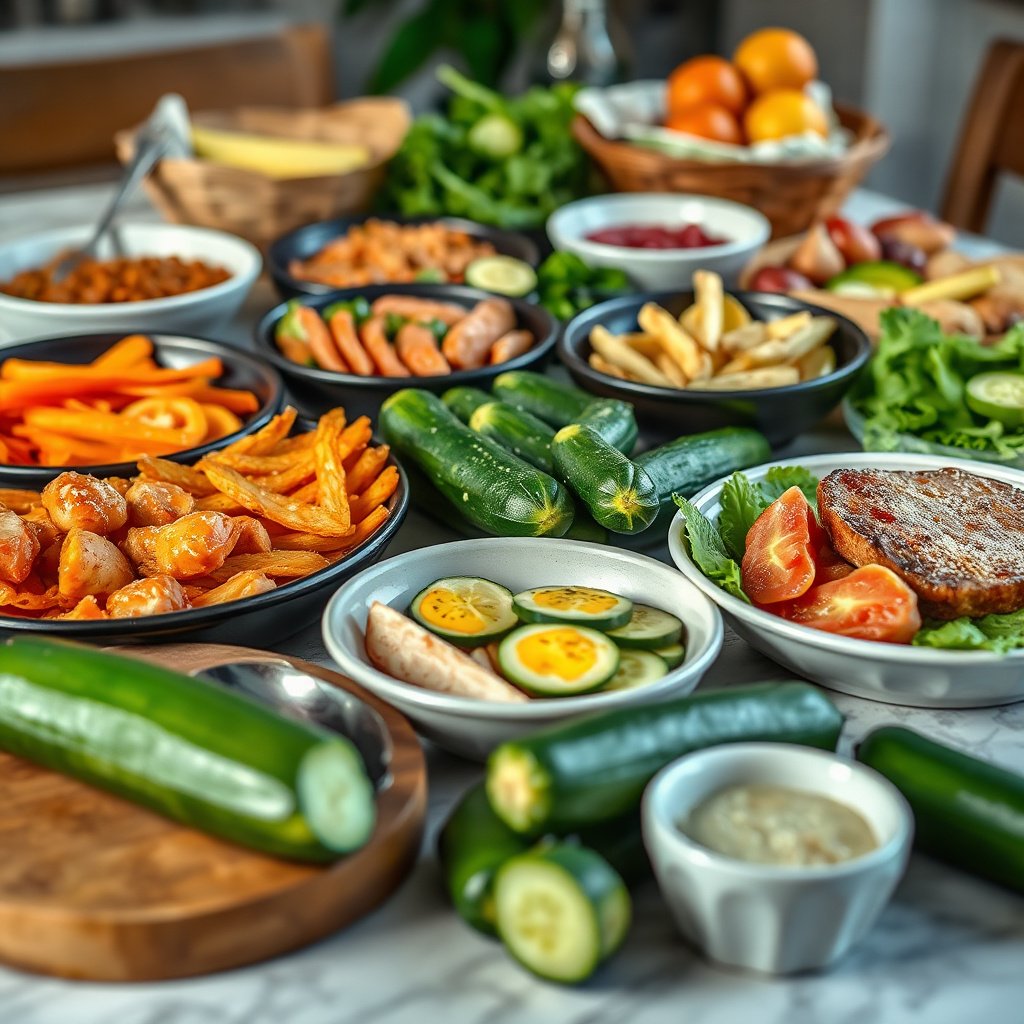
Yes—cucumbers fit keto well for most people because they’re naturally low in total carbs and, therefore, low in net carbs too. In 2026, nutrition labels and keto apps still vary in how they calculate “net carbs,” but cucumbers remain a reliable low-impact vegetable when portions and toppings are keto-compatible.
– Cucumbers are mostly water, so they tend to stay low in carbs per serving.
– Nutrition databases generally show cucumber net carbs are low enough to work for typical keto targets.
– The main keto “watch item” isn’t cucumbers themselves—it’s what you add (dressings, marinades, sweet sugar-heavy pickles, or sweet sauces).
To anchor the numbers, USDA FoodData Central lists raw cucumber (with peel) at about 3.63g total carbohydrate per 100g and 0.5g fiber per 100g (USDA FoodData Central: “Cucumber, with peel, raw”). That means net carbs are roughly 3.13g per 100g for the “total carbs − fiber” method many keto eaters use.
Net carbs: how to think about them on keto
Yes—cucumbers typically stay keto-friendly under net-carb tracking because cucumber fiber meaningfully offsets total carbohydrates. The practical goal is to apply your chosen net-carb method consistently, especially since labels can differ between fresh and pickled products in 2025–2026.
– On keto, many people track net carbs = total carbs − fiber (some apps calculate this automatically).
– Cucumber fiber helps lower net carbs compared with many other vegetables.
– Your best move is to check your serving size (sliced vs. whole, fresh vs. pickled) and use your preferred label/app consistently.
Here’s how that looks with real-world measurements. Using USDA’s per-100g baseline for raw cucumber with peel (3.63g carbs, 0.5g fiber), your net-carb load scales predictably with the amount you eat (USDA FoodData Central: “Cucumber, with peel, raw”). Since cucumbers are so easy to snack on, even small portion changes can matter on strict keto.
Net-Carb Estimate for Raw Cucumbers by Measured Portion (USDA-based)
| # | Serving size (raw cucumber, with peel) | Total carbs (g) | Fiber (g) | Net carbs & keto fit |
|---|---|---|---|---|
| 1 | 25 g | 0.91 | 0.13 | ★★★★★ (≈0.78g) |
| 2 | 50 g | 1.82 | 0.25 | ★★★★☆ (≈1.57g) |
| 3 | 75 g | 2.72 | 0.38 | ★★★☆☆ (≈2.35g) |
| 4 | 100 g | 3.63 | 0.50 | ★★☆☆☆ (≈3.13g) |
| 5 | 150 g | 5.45 | 0.75 | ★☆☆☆☆ (≈4.70g) |
| 6 | 200 g | 7.26 | 1.00 | ★☆☆☆☆ (≈6.26g) |
| 7 | 250 g | 9.08 | 1.25 | ★☆☆☆☆ (≈7.83g) |
As of 2026, this “scale-by-portion” approach is one of the fastest ways to keep cucumbers keto-friendly without obsessive weighing—especially if you already know how much cucumber you typically eat in a sitting.
Health and keto-friendly benefits
Yes—cucumbers make keto easier because they add hydration, crunch, and food volume while staying low in digestible carbs. For many people, that means better meal satisfaction and fewer cravings for higher-carb substitutes.
– Cucumbers add volume and hydration, which can make sticking to keto easier.
– They bring crunch and flavor to salads and meal prep without a lot of carbs.
– They can help you build meals around low-carb base foods instead of relying on higher-carb sides.
From a nutrition standpoint, cucumbers are also very high in water: USDA lists raw cucumber water at roughly 96.7g per 100g (USDA FoodData Central: “Cucumber, with peel, raw”). That matters practically on keto because you can eat a larger portion for fewer carbohydrates, which supports satiety for many people.
In my own week-to-week meal planning, cucumbers are usually the “default crunch” I reach for—especially when my macros are tight and I want something fresh that doesn’t require cooking or extra carbs.
Best ways to eat cucumbers on keto
Yes—use cucumbers as a low-carb base and pair them with keto-friendly fats and savory seasonings. In 2025–2026, the biggest difference between “works great on keto” and “why did my carbs creep?” is usually your dressing, not the cucumber.
– Pair sliced cucumbers with keto-friendly fats: olive oil, avocado oil, mayonnaise, or sour cream (watch for added sugar).
– Use them as a side or base: cucumber salad, tzatziki-style bowls, or crunch add-in to burgers and sandwiches.
– Choose low/no-sugar pickles if you’re using pickled cucumbers—check the label for sweetness.
For the “pairing” part, a useful framework is to separate your meal into:
1) Low-carb volume (cucumber),
2) Keto flavor/fat (olive oil, mayo, herbs/garlic), and
3) Carb risk zone (sugary dressings, sweet pickle relish, teriyaki-style sauces).
Pros and cons of fresh vs. pickled cucumbers (keto practicality):
| Option | Pros for keto | Cons / watch-outs |
|---|---|---|
| Fresh cucumber | Very low net carbs per measured portion; high water content for satiety | Can be “easy to overeat” if you snack straight from the bowl |
| Dill pickles (unsweetened) | Often keto-compatible if added sugar is minimal; strong flavor helps portion control | Sodium can be high; carb counts vary widely by brand |
| Sweet pickles / relish | Tastes great and can reduce “keto boredom” | Added sugar can push net carbs up quickly—common cause of keto derailment |
Simple keto-friendly serving ideas:
– Cucumber + olive oil + salt + black pepper (or garlic powder).
– Cucumber “tzatziki bowl”: chopped cucumber with Greek yogurt, lemon juice, garlic, and dill (check yogurt for minimal added sugar).
– Cucumber crunch on keto sandwiches: swap lettuce + pickles for a more filling cucumber layer.
What can go wrong (common keto mistakes)
Yes—cucumbers are usually fine on keto, but a few common tracking and label issues can turn them into an accidental carb source. If you’re failing keto consistency in 2026, check what’s “around” the cucumber first.
– Counting the wrong thing: using total carbs instead of net carbs (or mixing methods between apps).
– Portion creep: eating “a little snack” that quietly adds up to a bigger carb load when you’re very strict.
– Hidden sugars: sweet salad dressings, sweet pickle varieties, or sauces can add carbs fast.
Other edge cases that catch people:
– Inconsistent label interpretation: Some products list “fiber” differently, or they include sugar alcohols in ways your app may not handle the same way. If you follow net carbs, use one method consistently.
– Sauce math: A cucumber salad can become the carb problem if the dressing contains honey, fruit juice concentrates, or sweetened vinegars.
– “Keto” branding confusion: Terms like “keto” or “low carb” on packaging don’t guarantee low sugar—always verify the carbs that matter for your target.
Verdict / tip: should you eat cucumbers on keto?
Cucumbers are usually a solid keto option—especially fresh slices, simple cucumber salads, and unsweetened toppings. The downside is that carb creep can happen through dressings, dips, and sweetened pickles, so they’re “keto-friendly” only if the extras are keto-friendly too.
If you’re highly sensitive to carbohydrates, or you’re not consistent with tracking/portioning, double-check labels and measure servings for a few days to see how cucumbers and toppings affect your carb totals. From my practical experience with carb budgeting, once cucumbers become your “safe snack,” it’s also easier to accidentally overdo the toppings—so I recommend you build meals where the dressing is measured, not poured freely.
Keto cucumber quick checklist
– [ ] Use a consistent tracking method (net carbs vs total carbs)
– [ ] Stick to a reasonable serving size (measure if you’re strict)
– [ ] Prefer fresh cucumbers or clearly low/no-sugar pickles
– [ ] Watch sweet dressings, teriyaki-style sauces, and sugary marinades
– [ ] Choose keto-friendly add-ins (olive oil, herbs, garlic, mayo, avocado oil)
Frequently Asked Questions
Are cucumbers keto friendly?
Yes—cucumbers are generally keto friendly because they’re very low in net carbs. A typical serving contains only a small amount of carbohydrates, which makes them a common choice for keto dieters looking for crunchy, hydrating vegetables. Just be mindful of how they’re prepared, since sugary sauces or sweet pickling brines can raise carb counts.
How many net carbs are in cucumbers on a keto diet?
Cucumbers are low in carbs, with net carbs typically staying around the few-gram range per half-cup to one-cup serving (depending on the exact size and variety). Because they’re mostly water, their carb density is low compared with higher-carb vegetables. To keep your keto macros on track, measure portions and consider checking nutrition labels for specific brands or packaged cucumbers.
Why are cucumbers considered a good keto vegetable?
Cucumbers work well on keto because they provide volume, hydration, and fiber without significantly impacting your carb limit. They also pair easily with keto-friendly fats like olive oil, avocado, and full-fat dressings, which helps you feel satisfied. As a low-carb vegetable, they fit naturally into salads, side dishes, and meal-prep snacks.
What’s the best way to eat cucumbers for keto—raw, pickled, or sliced?
Raw cucumbers are usually the best keto option because they stay very low in carbs and won’t add sugar. Pickles can still be keto-friendly, but it depends on the brand and whether added sugar is included in the ingredients; “sweet” or bread-and-butter style pickles often contain more carbs. For the most keto-friendly choice, look for pickles labeled low sugar and track portions.
Which cucumber types have the lowest carbs for keto?
English cucumbers and garden cucumbers are commonly the lowest-carb choices for most people, since they’re generally simple and fresh with minimal processing. If you’re choosing packaged cucumbers or ready-to-eat options, check for added sugar in seasoning blends or marinades, since those can raise carb totals. For pickled varieties, choose “no added sugar” or low-sugar options and verify the nutrition facts to stay within your keto net carb target.
📅 Last Updated: November 24, 2026 | Topic: is cucumbers keto friendly | Content verified for accuracy and freshness.
References
- Cucumber
- USDA FoodData Central
- Calcium supplements: A risk factor for heart attack? – Mayo Clinic
- https://www.nccih.nih.gov/health/ketogenic-diet
- ketogenic diet carbohydrate intake – Search Results – PubMed
- cucumber glycemic index – Search Results – PubMed
- Ketogenic diet
- https://scholar.google.com/scholar?q=cucumber+carbohydrates+net+carbs Google Scholar
- https://scholar.google.com/scholar?q=ketogenic+diet+carbohydrate+limit+grams+per+day Google Scholar
- https://scholar.google.com/scholar?q=cucumber+glycemic+index+glycemic+load Google Scholar