The Paleo diet focuses on whole, unprocessed foods reminiscent of our ancestors, emphasizing fruits, vegetables, lean meats, and nuts. In contrast, the Keto diet drastically reduces carbohydrates to promote ketosis, emphasizing high fat intake. While both can aid in weight loss and health, Paleo prioritizes nutrient density, whereas Keto targets rapid fat burning. Each has its benefits and potential drawbacks, which can affect your choice. You’ll discover more about their differences as you explore further.
Overview of the Paleo Diet
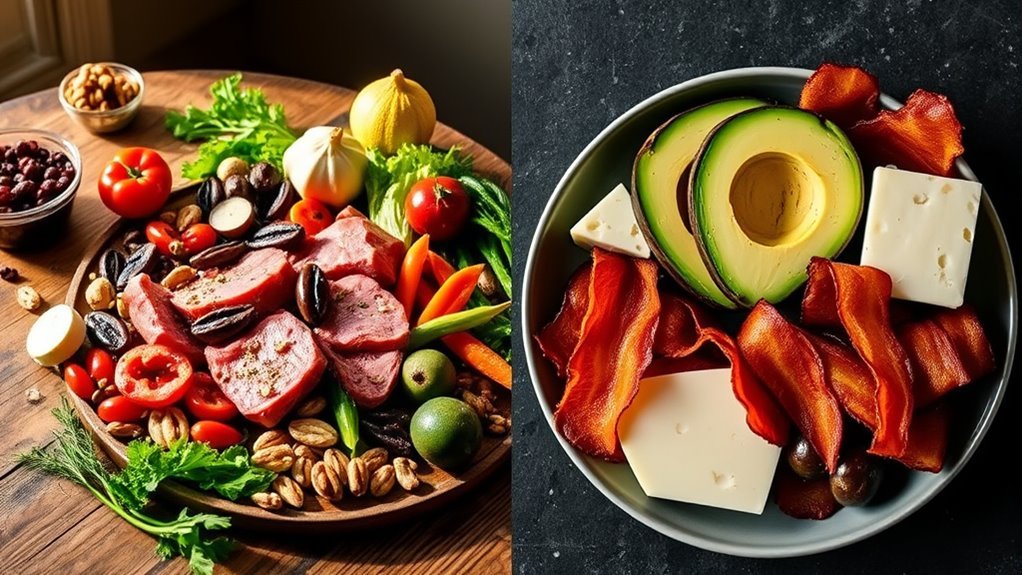
The Paleo diet, often referred to as the “caveman diet,” emphasizes eating foods that our ancestors might have consumed during the Paleolithic era. The core paleo principles include focusing on whole foods like lean meats, fish, fruits, vegetables, nuts, and seeds while avoiding processed foods, grains, and dairy. Many people believe that the diet is restrictive, but it actually offers a wide variety of delicious options. Some common paleo misconceptions suggest that it’s only about meat or that it lacks essential nutrients. In reality, when followed correctly, it can provide a balanced intake of vitamins and minerals. By understanding these principles and misconceptions, you can make informed choices that align with your health goals while enjoying the freedom to explore diverse foods.
Overview of the Keto Diet
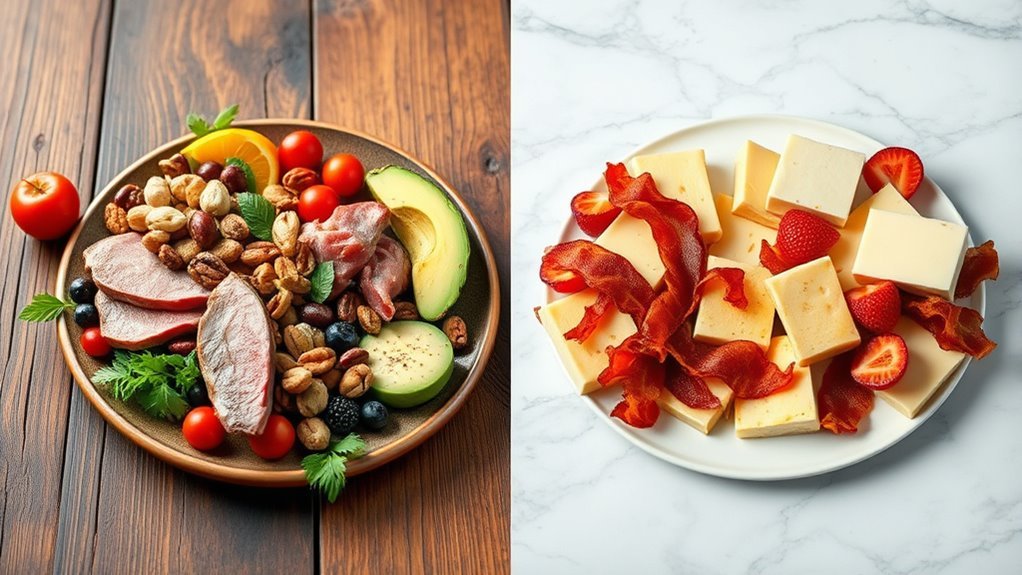
While many diets focus on calorie restriction, the Keto diet, short for ketogenic, emphasizes a significant reduction in carbohydrate intake to shift the body’s metabolism into a state called ketosis. In this state, your body becomes highly efficient at burning fat for energy, which can lead to weight loss and increased mental clarity. To achieve and maintain ketosis, you’ll need to pay close attention to your keto macros, typically comprising high fats, moderate proteins, and very low carbohydrates. This dietary approach encourages fat adaptation, where your body learns to utilize fat as its primary fuel source. Many people find this liberating, as it can reduce cravings and hunger, allowing greater freedom in food choices while achieving health goals.
Key Principles of the Paleo Diet
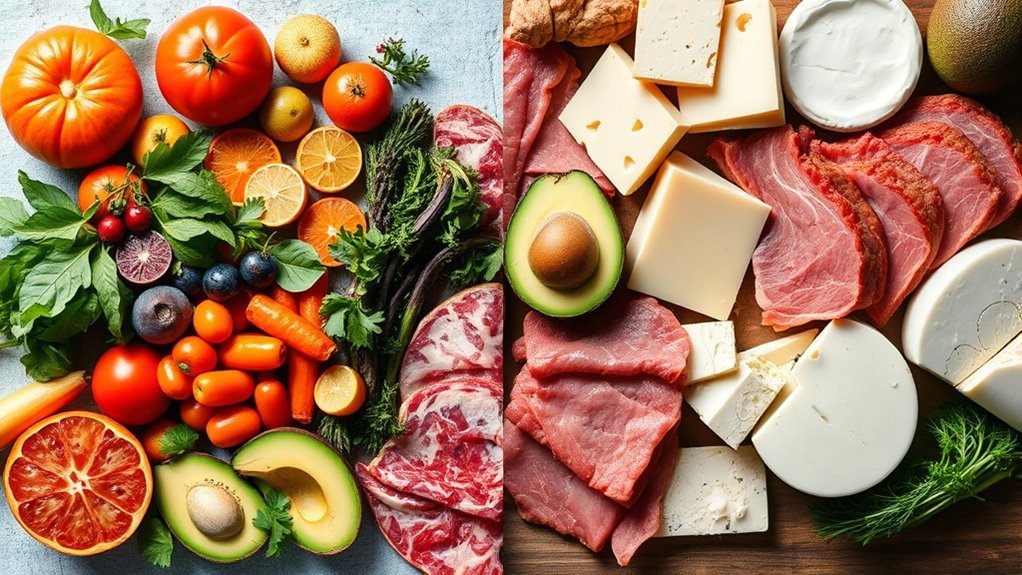
A key principle of the Paleo diet is its focus on whole, unprocessed foods that resemble what our ancestors might have eaten during the Paleolithic era. This means you’ll prioritize paleo food like lean proteins, natural fats, and seasonal produce, aiming for nutrient density in every meal. The idea is to embrace ancestral eating habits, which support your body’s health and well-being. You’ll want to eliminate refined sugars, grains, and legumes, opting instead for foods sourced sustainably to protect our environment. By choosing nutrient-dense options, you not only nourish your body but also enjoy the freedom to explore a variety of flavors and textures. Ultimately, the Paleo diet is about connecting with your food and respecting the natural world.
Key Principles of the Keto Diet
Shifting from the principles of the Paleo diet, the Keto diet emphasizes a significant reduction in carbohydrate intake while increasing fat consumption to encourage the body to enter a state of ketosis. This approach relies on specific macronutrient ratios, typically around 70% fats, 25% proteins, and 5% carbohydrates. Meal planning becomes essential to meet these ratios and maintain ketosis.
| Macronutrient | Percentage | Food Sources |
|---|---|---|
| Fats | 70% | Avocado, Nuts, Oils |
| Proteins | 25% | Meat, Fish, Eggs |
| Carbohydrates | 5% | Leafy Greens, Berries |
Food Groups Allowed in Paleo
To understand the food groups allowed in the Paleo diet, it’s important to focus on whole, unprocessed foods that our ancestors would have likely consumed. The diet emphasizes natural sources, steering clear of processed items. Here’s a quick overview of what you can enjoy on the Paleo plan:
Embrace a diet of whole, unprocessed foods reminiscent of our ancestors for optimal health and wellness.
- Paleo meats: Think grass-fed beef, free-range poultry, and wild-caught fish.
- Paleo fruits and vegetables: Opt for berries, leafy greens, and root veggies, avoiding grains and legumes.
- Paleo fats: Embrace healthy fats like avocado, olive oil, and nuts.
While some choose to avoid Paleo dairy and sweeteners, focusing on these core groups allows for satisfying Paleo snacks and meals that align with a back-to-basics approach. Enjoy the freedom of nourishing your body the way nature intended!
Food Groups Allowed in Keto
While the Keto diet focuses on drastically reducing carbohydrate intake, it emphasizes high-fat and moderate protein foods to promote a state of ketosis. You’ll want to incorporate healthy fats like avocados, olive oil, and nuts. Low carb vegetables such as spinach, broccoli, and zucchini are also vital. For protein sources, think grass-fed meats, fish, and eggs. If you prefer dairy, opt for full-fat options or dairy alternatives like coconut yogurt. Effective meal planning is imperative, so consider your macro ratios to maintain ketosis. Snack options could include cheese, olives, or nut butter. Meal prep can help streamline your diet, making it easier to stick to Keto while enjoying a variety of delicious foods that fit your lifestyle.
Health Benefits of the Paleo Diet
Although the Paleo diet is often associated with weight loss, its health benefits extend beyond just shedding pounds. By focusing on whole, unprocessed foods, you’re likely to boost your nutrient density, providing your body with essential vitamins and minerals. This can lead to improved energy levels and overall well-being. Additionally, the emphasis on fiber-rich fruits and vegetables can enhance your digestive health, promoting regularity and reducing bloating.
Here are some key benefits you might experience:
- Improved nutrient absorption due to a varied diet.
- Enhanced gut health from consuming whole foods.
- Increased energy levels from balanced blood sugar.
Embracing the Paleo lifestyle can empower you to reclaim your health and liveliness, allowing you to thrive in a more natural way.
Health Benefits of the Keto Diet
The keto diet is often praised for its potential to promote weight loss by shifting your body into a fat-burning state known as ketosis. Many individuals also report improved mental clarity and focus, possibly due to the brain using ketones as a more efficient energy source. As you consider these benefits, it’s essential to weigh them against any challenges the diet may present.
Weight Loss Effects
How does the ketogenic diet contribute to weight loss? This diet focuses on drastically reducing carbohydrates, which helps your body enter a state of ketosis. In ketosis, your body burns fat for energy, leading to effective weight loss. This approach can complement traditional weight loss strategies by creating a calorie deficit more easily due to reduced hunger levels.
- You may experience less appetite due to stable blood sugar levels.
- The high fat intake can keep you feeling full longer.
- Many find it easier to stick to a keto plan, reducing the likelihood of binge eating.
Improved Mental Clarity
One of the notable benefits of the ketogenic diet is its potential to enhance mental clarity. Many people report improved cognitive benefits once they shift to a keto lifestyle. This improvement may stem from the brain’s ability to utilize ketones, a more efficient energy source than glucose. As a result, you might notice an increase in mental performance, including quicker thinking and better focus.
Research supports these claims, indicating that a high-fat, low-carb diet can reduce brain fog and enhance overall cognitive function. Additionally, some studies suggest that ketogenic diets may protect against neurodegenerative diseases, offering long-term benefits. By prioritizing mental clarity, the keto diet allows you to seize each day with heightened awareness and focus, paving the way for greater freedom in your pursuits.
Potential Drawbacks of Each Diet
While both the Paleo and Keto diets offer unique benefits, they also come with potential drawbacks that you should consider before making a commitment. For instance, both diets can lead to nutritional deficiencies if you’re not careful about food choices. Long term sustainability might be challenging, especially when social situations arise that don’t align with your dietary restrictions.
Here are some specific considerations:
- Social challenges: Dining out or attending events can be tricky when adhering to strict guidelines.
- Individual preferences: You may find some foods are hard to eliminate, impacting adherence strategies.
- Metabolic impact: Both diets can lead to initial fatigue or discomfort as your body adjusts.
Weigh these factors carefully to find what works best for you.
Choosing the Right Diet for Your Lifestyle
When choosing between Paleo and Keto, consider how each diet aligns with your daily routine and food preferences. Paleo emphasizes whole foods and can promote a balanced intake of nutrients, while Keto focuses on low carb intake to encourage fat burning. Understanding these differences can help you select a diet that supports your lifestyle and health goals effectively.
Lifestyle Compatibility
Choosing the right diet often hinges on how well it fits into your daily routine and personal preferences. Both Paleo and Keto have distinct approaches, so consider what aligns with your lifestyle for long-term sustainability.
- Meal Preparation: If you enjoy cooking and experimenting with whole foods, Paleo might be your jam.
- Social Gatherings: Think about how each diet affects your participation in social events. Keto can be tricky with carbs often present, while Paleo might offer more flexibility.
- Personal Preferences: Your food tastes matter! If you love fats and proteins, Keto could be appealing; if you prefer variety with fruits and veggies, Paleo might suit you better.
Ultimately, choose a diet that enhances your freedom and fits seamlessly into your life.
Nutritional Focus
Understanding the nutritional focus of each diet is essential, as it directly influences not only your health but also your overall satisfaction with the food you eat. The Paleo diet emphasizes nutrient density, encouraging whole foods like fruits, vegetables, lean meats, and nuts while avoiding processed foods. This approach aims to provide a balanced intake of vitamins and minerals.
On the other hand, the Keto diet focuses on specific macronutrient ratios, typically high in fats, moderate in proteins, and very low in carbohydrates. This can lead to rapid weight loss through ketosis but may not prioritize nutrient density as much as Paleo. Choosing the right diet for your lifestyle involves considering what best supports your health goals while keeping you feeling satisfied and energized.
What is the basic difference between the Paleo and Keto diets?
Can you eat fruits and vegetables on both diets?
Which diet is more sustainable in the long term?
Are there any health benefits associated with each diet?
Can you combine Paleo and Keto diets?
References
- https://www.ncbi.nlm.nih.gov/pmc/articles/PMC6313445/
- https://www.health.harvard.edu/staying-healthy/the-paleo-diet-and-the-ketogenic-diet
- https://www.mayoclinic.org/healthy-lifestyle/nutrition-and-healthy-eating/expert-answers/paleo-diet/faq-20057515
- https://www.cdc.gov/healthyweight/healthy_eating/index.html
- https://www.webmd.com/diet/what-is-the-keto-diet
- https://www.webmd.com/diet/what-is-the-paleo-diet
- https://www.sciencedirect.com/science/article/pii/S0899900717304239
- https://www.nutrition.org.uk/healthyliving/basics/paleo-diet.html