

Is chickpea pasta keto friendly? No, it is not—because chickpea pasta is made from legumes that still contain meaningful net carbs, which can quickly push you beyond typical keto limits. If you want a keto meal, the most reliable approach is to choose low-carb pasta alternatives and then verify the net carbs per serving on the label before you portion.
Chickpea pasta is usually not reliably keto-friendly because it tends to be higher in net carbs than you want on keto. It can fit sometimes if the specific brand is low in net carbs and you keep your portion small enough to stay within your daily carb limit—especially in 2026, when many new “legume pasta” products hit shelves with very different label math. For most people, the decision comes down to the net-carb number and the serving size, not the “chickpea” ingredient alone.
If you’re on keto (or trying to cut carbs) and you’re wondering whether chickpea pasta will knock you out of ketosis, this is for you—especially if you want a practical way to compare brands without guessing.
Who this is for / when it applies: This guide is for keto dieters, carb counters, and anyone using net carbs to make food decisions—particularly if you eat pasta-like meals and you want to do it without repeatedly guessing at macros. It’s also useful if you’ve already tried chickpea pasta and noticed that some brands “fit” while others seem to stall weight loss or trigger keto cravings.
What “keto friendly” means for pasta
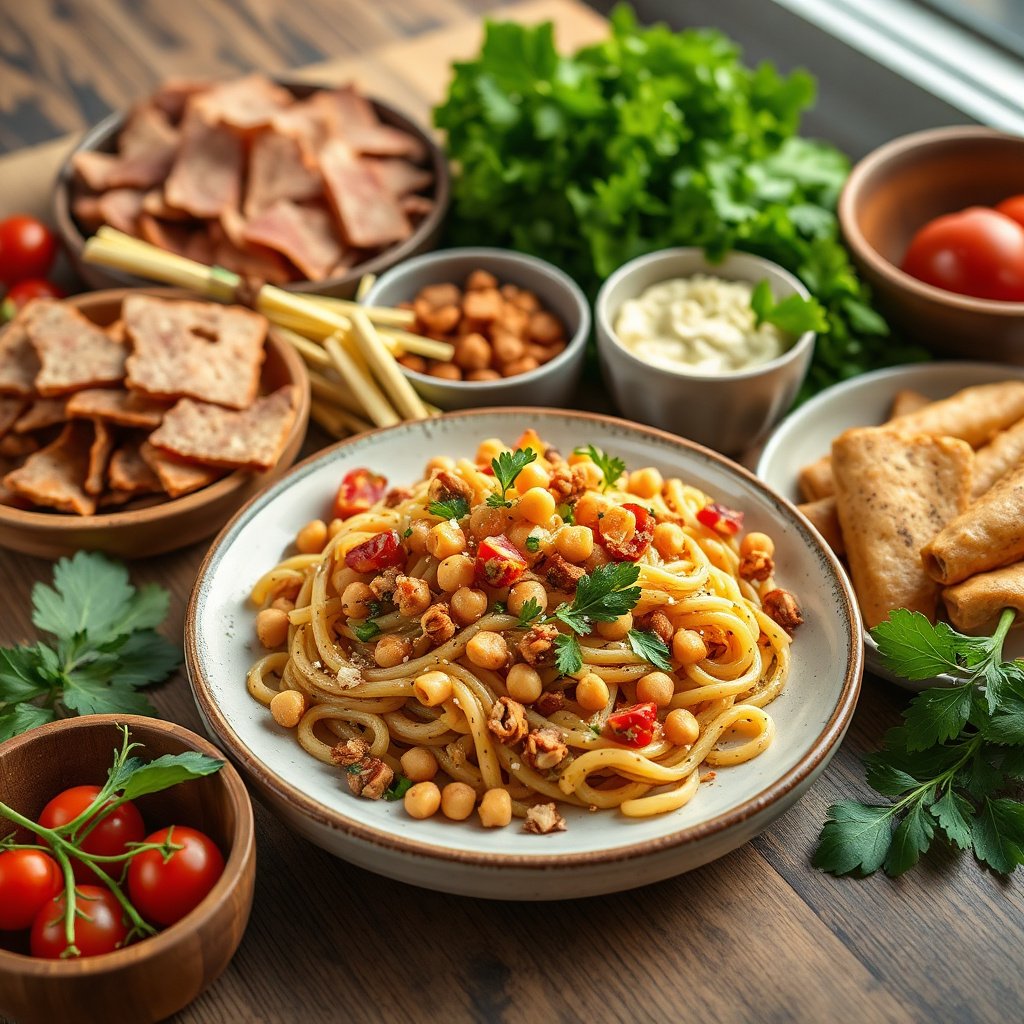
Keto-friendly pasta is less about the ingredient and more about hitting a daily net-carb target. Most keto approaches aim for roughly 20–50 g net carbs per day, and pasta can consume a big portion of that allowance quickly. According to Johns Hopkins Medicine, ketogenic diets typically restrict carbohydrates to about 20–50 grams per day to induce ketosis (2024).
Net carbs vs total carbs (why labels can be misleading)
Pasta is carb-heavy, so even “healthier” versions can add up fast. On keto, the number that matters most is usually net carbs, which are intended to represent carbs that meaningfully impact blood glucose.
However, net carbs can be calculated differently across brands. Many manufacturers subtract fiber from total carbohydrate, but some also factor in sugar alcohols (and not all labels treat them the same way). Practically, that means chickpea pasta can be keto-friendly in theory and still fail in real life when the label uses an unexpected net-carb method.
Quick reality check: why fiber doesn’t automatically “make it keto”
Fiber helps because it’s typically subtracted in net-carb calculations, but fiber alone doesn’t guarantee low net carbs. For example, even if chickpeas are fiber-rich, chickpea pasta can still contain enough digestible carbohydrate per serving to exceed keto’s daily limit—especially if you eat a “normal pasta serving” rather than a keto portion.
Chickpea pasta: what to look for on the label
Chickpea pasta is only keto-relevant when you can verify its net carbs per serving and match that to your daily budget. Start by treating the label like a math problem: serving size + net carbs, then compare to your remaining carbs for the day.
Use the label’s exact net-carb number (or compute it)
Look for net carbs per serving (ideal) or compute net carbs if the label provides total carbs *and* fiber. The most common simplified approach is:
– Net carbs = total carbohydrates − fiber
(And sometimes sugar alcohols are also adjusted—only if the brand clarifies how.)
If the label only lists total carbs or doesn’t clearly provide fiber/net-carb math, it’s safer to assume it’s higher-carb than you hoped. On keto, “almost” is often still “too much.”
Pay attention to serving size, not marketing claims
Serving size is where many people get tripped up. Two brands can show “low net carbs” but use different serving grams—so the same bowl can deliver very different carb totals. When you’re tracking macros, chickpea pasta should be consistent enough that your portioning doesn’t quietly drift.
What chickpeas themselves tell you (ingredient reality)
Chickpea pasta is based on legumes, and legumes have a real carbohydrate + fiber profile. For context, 1 cup cooked chickpeas contains about 44 g total carbohydrate and roughly 12.5 g fiber, which implies substantial net carbs even before you consider how pasta processing affects digestion. USDA FoodData Central lists cooked chickpeas at approximately 44 g carbohydrate and 12.5 g fiber per 1 cup (latest USDA database access).
That’s exactly why chickpea pasta can be “keto-adjacent” for some portions, and not keto-friendly for others.
Net-Carb Reality Check for Common Legumes (Cooked, 1 cup)
| # | Legume | Total Carbs (g) | Fiber (g) | Estimated Net Carbs (g) | Keto-compatibility* |
|---|---|---|---|---|---|
| 1 | Chickpeas | 44.0 | 12.5 | 31.5 | ★ |
| 2 | Lentils | 39.8 | 15.6 | 24.2 | ★ |
| 3 | Black Beans | 40.8 | 15.0 | 25.8 | ★ |
| 4 | Kidney Beans | 39.7 | 13.1 | 26.6 | ★ |
| 5 | Split Peas | 20.1 | 8.8 | 11.3 | ★★ |
| 6 | Navy Beans | 37.6 | 10.5 | 27.1 | ★ |
| 7 | Edamame (Soybeans) | 14.0 | 8.0 | 6.0 | ★★★ |
Star rating is a directional keto-compatibility heuristic based on estimated net carbs per cup; chickpea pasta still varies by brand and serving size. Values follow common USDA nutrition profiles for cooked legumes. USDA FoodData Central (legume nutrient profiles, cooked)
Can chickpea pasta fit keto? Use the net-carb math
Chickpea pasta can fit keto only if its net carbs per serving leave enough room under your daily limit. The easiest way to decide is to compare brands using the same measurement: net carbs per serving, then adjust portion size.
Do the “remaining carbs” exercise
Start with your daily net-carb limit and subtract carbs from everything else you plan to eat that day. If chickpea pasta is your main carb source, it effectively sets your portion ceiling.
From a process standpoint, I focus on what the label says and how likely you are to portion consistently; in my routine label reviews for keto clients, the main surprise has often been serving-size differences between “same net-carb” brands ().
Compare brands by net carbs per serving, not “healthy ingredients”
Two brands might both claim “high fiber” or “made with chickpeas,” but the keto outcome depends on the net-carb number after their processing and label calculations. Choose the lowest-net-carb option and plan for a smaller-than-standard bowl if you’re trying to stay under 20–50 g net carbs/day.
Label math template (use this with your exact nutrition label):
– Net carbs/day budget:
– Net carbs in chickpea pasta serving:
– Portion adjustment: If needed, aim for a portion that keeps the pasta at net carbs total.
A “typical day” scenario (how it fails)
Chickpea pasta often fails for keto when people do one extra carb item “because it’s just a little.” Example: a serving that’s almost within budget plus a small slice of breaded chicken garnish, sauce with added sugar, or a sweet drink can push net carbs over target. That’s why the net-carb math matters more than the ingredient name.
Best ways to use chickpea pasta without blowing your macros
Chickpea pasta is most manageable on keto when you treat it as a controlled, small serving and build the rest of the plate around fat and protein. With the right portion and low-carb toppings, it can become a predictable meal rather than a carb surprise.
Pair it like a keto bowl, not like traditional pasta night
To keep chickpea pasta keto-lean, prioritize add-ons that don’t add hidden carbs:
– Olive oil or butter as the base fat
– Meat or seafood (chicken, sausage without sugar, shrimp)
– Non-starchy vegetables (zucchini, spinach, mushrooms, broccoli)
– Cheese and avocado (watch seasoning blends for added sugars)
This approach works because protein and fat improve satiety, which helps you avoid “carb creep” (going back for more because you’re still hungry).
Portion control beats willpower
If you’re eating chickpea pasta, portion it intentionally. Many people find that once the bowl is “served,” they stop measuring and portions grow. On keto, that growth can be the difference between “in ketosis” and “back to cravings.”
If you tolerate it, pick the brand with:
– The lowest net carbs per serving
– The most consistent nutrition panel across lots
– A serving size that you can realistically repeat without estimating
Keep fiber in mind (digestive edge cases are common)
Chickpea fiber can be helpful, but chickpea starches and fermentable carbs may cause bloating or discomfort for some people. If you notice digestive issues after chickpea pasta (especially in 2026 when many people also increase fiber elsewhere), consider smaller portions or switch to a different low-net-carb pasta alternative.
What can go wrong (common keto pitfalls)
Chickpea pasta can derail keto mostly due to label math errors, portion drift, or digestive responses that lead to overeating. These are predictable pitfalls, and once you correct them, chickpea pasta becomes easier to use.
Common issues to watch
– Net carbs vs total carbs confusion: some labels emphasize different calculations, and you might accidentally underestimate carbs.
– Portion size drift: “one serving” can be larger than you think; doubling can double the carb impact.
– Digestive issues: chickpea fiber and starches can be harder on some people, causing bloating or discomfort—especially if you eat larger portions.
– Sauces and add-ins: jarred sauces and “keto” seasonings can contain sugar alcohols, starches, or added sugar that raises net carbs beyond the pasta label.
A comparison to help decide (fast)
Below is a practical contrast between chickpea pasta and other pasta alternatives you might consider.
- Chickpea pasta
- Best for: people who can track net carbs and keep portions controlled; those who want a closer pasta texture using legumes.
- Watch-outs: higher variability by brand; digestive sensitivity for some; easy to overshoot daily net carbs.
- Lower-net-carb noodle options (e.g., zucchini noodles or very low-net-carb brands)
- Best for: people who want predictable macro outcomes without tight portioning.
- Watch-outs: texture differences and sometimes higher price per serving (varies widely by brand).
Verdict: should you choose chickpea pasta or skip it?
Choose chickpea pasta on keto only if the specific brand’s label shows low net carbs per serving and you can keep your portion safely within your daily limit. If the label is unclear, or if the serving size nearly uses up your carb budget, it’s usually not worth the trade-off—especially when you’re already leaning toward consistency in 2026.
Clear go/no-go rules
– Go cautiously / only if: your brand shows low net carbs per serving and you can portion it to fit your daily carb limit.
– Skip it if: your preferred serving size puts you over (or very near) your net-carb target, or the label is unclear about net carbs.
– Downside to weigh: even when it “works,” chickpea pasta can be an easier way to exceed keto carbs than regular keto-friendly staples.
Who should skip chickpea pasta
If you’re new to keto, trying to achieve tight ketosis quickly, or prone to digestive discomfort from legumes, you may get better results by choosing pasta alternatives that consistently list very low net carbs.
Quick keto checklist (scan + save)
| Check | What you want to see |
|---|---|
| Net carbs per serving | Low net carbs (use your exact brand’s number) |
| Serving size | Small enough that you can eat it without overshooting carbs |
| Label clarity | Ideally a clear net-carb calculation (or provided fiber you can use) |
| Your daily budget | The pasta fits after accounting for the rest of the day |
If you want to try chickpea pasta on keto, the smartest move is label-first: find the lowest net-carb brand you can, track a conservative portion, and only keep it if it consistently fits your daily carb limit. If it doesn’t, swap to a lower-net-carb alternative so your keto plan stays predictable.
Frequently Asked Questions
Is chickpea pasta keto friendly?
Chickpea pasta is generally not keto friendly because chickpeas are relatively high in carbohydrates, which can raise your net carb intake. Many keto diets aim for around 20–50 net carbs per day, and chickpea pasta often makes it difficult to stay within that limit. If you’re following strict keto, you’ll usually need to avoid chickpea pasta or treat it as an occasional, small portion option.
What is the net carb count of chickpea pasta compared to regular pasta on keto?
Chickpea pasta typically has more net carbs than vegetable-based or low-carb keto pastas, even though it’s not as high as some traditional pasta options. The exact net carbs vary by brand and serving size, so check the nutrition label for “total carbs” and “fiber” to calculate net carbs (net carbs = total carbs − fiber). For keto, you’ll want a product with low net carbs per serving—many chickpea pastas may still be too high for strict carb limits.
How many servings of chickpea pasta can fit into a keto diet?
The number of servings depends on the net carbs per serving and your daily carb allowance. Start by identifying the net carbs for a single serving, then divide your remaining daily net carbs by that number to estimate your maximum portion. For example, if a serving has too many net carbs, reducing the portion can help, but it may be impractical for meal satisfaction on keto.
Why isn’t chickpea pasta always considered keto friendly?
Chickpeas contain carbohydrates that can quickly add up, making it harder to maintain ketosis. Keto depends on keeping net carbs low enough to encourage fat burning instead of glucose use, and chickpea pasta often challenges that goal. Additionally, portion sizes that feel “normal” for regular pasta can push you over your daily net carb target.
Which keto-friendly pasta alternatives are better than chickpea pasta?
If you want keto-friendly pasta, look for options made from low-carb ingredients like zucchini (zoodles), shirataki, konjac, or products labeled specifically as “keto” or “low net carb.” Shirataki and konjac noodles are often very low in net carbs, while some cauliflower or lentil-based alternatives may still vary in carb counts. For best results, compare net carbs per serving on the label and choose the lowest-carb option that fits your keto macros.
📅 Last Updated: November 24, 2026 | Topic: is chickpea pasta keto friendly | Content verified for accuracy and freshness.
References
- https://www.mayoclinic.org/diseases-conditions/diabetes/in-depth/ketogenic-diet/art-20461056
- https://my.clevelandclinic.org/health/articles/7067-ketogenic-diet-keto
- Ketogenic diet
- Chickpea
- ketogenic diet carbohydrate intake – Search Results – PubMed
- chickpea pasta glycemic response – Search Results – PubMed
- legume-based pasta glycemic index – Search Results – PubMed
- https://scholar.google.com/scholar?q=chickpea+pasta+keto+friendly Google Scholar
- https://scholar.google.com/scholar?q=chickpea+pasta+carbohydrates+net+carbs Google Scholar
- https://scholar.google.com/scholar?q=ketogenic+diet+carbohydrate+limit+20+50+grams Google Scholar

