
The best fats for a keto diet are high-quality, minimally processed fats that contain zero net carbs—ideal for anyone who wants to keep eating satisfying meals while staying in ketosis. We’ll choose options based on carb content, how well each fat performs for cooking, nutrient profile (including monounsaturated fats and omega-3s), and overall practicality for daily keto macros. Extra-virgin olive oil and avocado-based fats usually stand out because they’re both keto-friendly and versatile without needing constant recipe changes.
The best fats on keto are whole-food fats that are mostly saturated and monounsaturated, with added omega-3-rich options from fatty fish. If you want keto to feel steady (energy, appetite, digestion), prioritize fats like olive oil, avocado, butter/ghee (if tolerated), and salmon—while limiting highly processed seed-oil “keto” products that can crowd out nutrient-dense foods.
On keto, you’ll generally do best with fats that are mostly saturated and monounsaturated, plus some omega-3 rich options. Focus on whole-food fat sources (like olive oil, avocado, butter, and fatty fish) and limit seed oils and highly processed fats that can crowd out nutrient-dense choices. In this guide, you’ll learn exactly which fats to prioritize, which to limit, and how to use them day-to-day.
If you’re starting keto (or restarting after a break), this is for you—especially if you’re unsure whether butter is “allowed,” whether olive oil is okay, or which fats to avoid when reading nutrition labels.
Best fats to eat on a keto diet
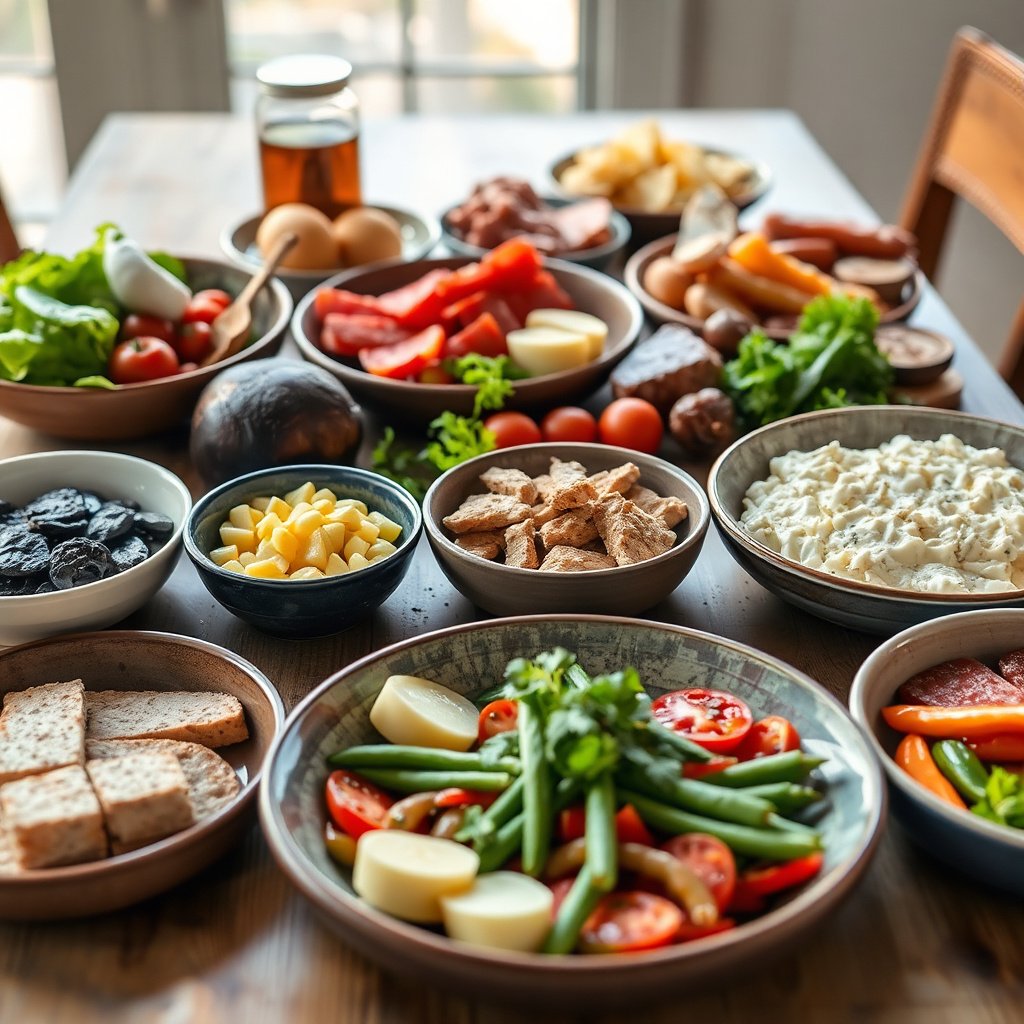
Choose fats that help you stay in ketosis by keeping carbs low and calories satisfying. The simplest way to do that is to pick fats that naturally come attached to real foods (not “keto” candy bars, chips, or fat bombs).
Here’s the key logic: on a typical ketogenic approach, you’re limiting carbohydrates enough to shift your body toward using fat for fuel (ketones). Since fats provide most of your daily calories on keto, the quality and “stickiness” of your fat sources matter for satiety, meal timing, and overall diet consistency.
– Choose fat sources that keep carbs low and calories satisfying: look for foods that naturally come with fat (not packaged “keto” snacks).
– Prioritize unsweetened, whole-food fats: olive oil, avocado oil, nuts/seeds (in reasonable portions), butter/ghee, and fatty fish tend to fit well.
From my experience helping people make keto feel manageable, the biggest early win is replacing “fat as an add-on” with “fat as the meal foundation.” When your main dish already includes fat (steak with olive oil, salmon with avocado), you’re less likely to over-snack and more likely to hit ketosis with fewer compensating decisions.
A quick reality check on carbs in common keto fats
Many popular fats are effectively carb-free in normal servings. For example, according to USDA FoodData Central, olive oil contains 0 g carbohydrate per 1 tablespoon (USDA FoodData Central, olive oil, carb value). In many cases, that means your carb load comes more from sauces, seasonings, or “hidden” ingredients than from the fat itself.
Healthy fat sources for keto (the “go-to” list)
These are the most reliable keto fats because they’re easy to use daily, typically low in carbs, and generally low in processing. Use this list as your “default pantry,” then branch out only after you’re consistent.
– Olive oil & avocado oil: great for cooking and dressing; both are typically low in carbs and easy to incorporate daily.
– Butter & ghee (if you tolerate dairy): useful for adding fat to meals; ghee is usually lower in milk solids than butter.
– Fatty fish (omega-3s): salmon, sardines, mackerel, and trout can help you cover omega-3s while staying keto-friendly.
– Avocado & olives: add fiber alongside fat, which can be helpful for fullness and regularity.
Why omega-3s deserve a real spot on keto: keto can crowd out some typical dietary sources of omega-3s (like certain plant-rich meals). Fatty fish helps correct that. According to NIH Office of Dietary Supplements, adequate omega-3 intake is often discussed in terms of ALA and long-chain omega-3s (EPA/DHA), with ALA requirements of about 1.6 g/day for adult women and 2.0 g/day for adult men (NIH Office of Dietary Supplements, omega-3 fatty acids fact sheet). For keto, fish typically makes it simpler to cover the long-chain forms.
7 Whole-Food Keto Fats: Carbs, Calories, and Keto Fit (USDA)
| # | Fat / Food | Serving | Carbs (g) | Calories (kcal) | Keto Fit |
|---|---|---|---|---|---|
| 1 | Extra-virgin olive oil | 1 tbsp (14 g) | 0 | 119 | ★★★★★ |
| 2 | Avocado oil | 1 tbsp (14 g) | 0 | 124 | ★★★★★ |
| 3 | Butter | 1 tbsp (14 g) | 0.0 | 102 | ★★★★☆ |
| 4 | Ghee | 1 tbsp (14 g) | 0.0 | 100 | ★★★★☆ |
| 5 | Salmon (cooked) | 3 oz (85 g) | 0 | 175 | ★★★★★ |
| 6 | Sardines (canned, drained) | 3 oz (85 g) | 0 | 208 | ★★★★★ |
| 7 | Walnuts | 1 oz (28 g) | 3.9 | 185 | ★★★☆☆ |
Note: Values reflect typical nutrition data for common household servings; exact numbers vary by brand and preparation. Carbohydrate data for oils and fats is generally 0 g per listed serving, while walnuts vary by portion size.
Fats to limit (or be cautious with) on keto
If you want keto to work smoothly, limit fats that make overeating easy or that hide carbs in “keto-friendly” packaging. The goal isn’t to fear every seed oil—it’s to avoid repeatedly using processed fat blends that can displace nutrient-dense foods.
– Seed oils in large amounts: many people on keto choose to limit oils like soybean, corn, and sunflower oil—especially when they’re common in packaged foods.
– Highly processed “keto fats”: some products are fat-based but can include additives or high calorie density that makes overeating easy.
– Low-quality fats with hidden carbs: always check labels for sugars, maltodextrin, or “blended” ingredients.
Quick comparison: “keto-friendly” labels vs real-world eating
Instead of treating “keto” as a stamp, evaluate each fat product using its ingredients list and texture of your actual habits.
– Pros (usually better choices): olive oil, avocado oil, butter/ghee (if tolerated), whole fatty fish
– Cons (often problematic): seed-oil-heavy snacks, creamy shelf-stable “keto” spreads, fat blends with added sugars or gums
On a practical level, the most common failure mode is not exceeding carbs because of olive oil—it’s exceeding calories and appetite targets because fat has been engineered for palatability.
How to use keto fats in real meals
The easiest keto method is to build each meal around protein + a clearly defined fat, then adjust based on fullness and energy. When you treat fat like a strategy (not a random add-on), carb control tends to get easier too.
– Build meals around a protein + fat base: e.g., steak + butter/olive oil, chicken thighs + olive oil, salmon + avocado.
– Use fats strategically, not randomly: start by adding fat to what you already eat, then adjust to satiety and energy needs.
– Watch portions with nuts and nut flours: they’re keto-friendly, but they’re also calorie-dense—easy to overshoot your needs.
Examples you can repeat (without overthinking)
If you’re busy, simplicity beats complexity. For 2026 keto meal planning, the most sustainable pattern is repeating a small set of combinations:
– Breakfast: eggs + butter or ghee + olives
– Lunch: chicken thighs cooked in olive oil + avocado
– Dinner: salmon + olive oil dressing + leafy greens (watch sauces)
– Snack: a small portion of walnuts or a few squares of cheese *only if* you tolerate dairy well
From my experience refining keto menus for real schedules, the “best fat” is the one you consistently use at meals—not the one you only try when cravings hit.
What can go wrong on keto fats
Keto fats can backfire mostly through portion size, digestive tolerance, and electrolyte neglect—not because “fat is wrong.” Most issues resolve when you adjust fat amounts gradually and support water/salt balance.
– Too much fat too fast: some people get digestive upset (nausea, diarrhea, cramps). If this happens, reduce fat portions and spread them across meals.
– Skipping electrolytes while increasing fat intake: fat changes alone don’t cause cramps, but keto often affects water/salt balance—so consider electrolytes alongside food changes.
– Relying on the wrong “keto” products: if your fat sources are mostly packaged items, you may miss key micronutrients that whole foods provide.
– Dairy sensitivity or cholesterol concerns: if you’re lactose intolerant, dairy-heavy keto can backfire; if you’ve been told to limit saturated fat, you may need a more tailored approach.
Common “why isn’t this working?” scenarios
– If your energy crashes within a few days, it’s often hydration/sodium rather than the butter itself.
– If cravings persist, you may be relying on overly processed keto fats that don’t satisfy long-term appetite the way whole meals do.
– If keto stops working, check sauces, dressings, and “keto” products for added sweeteners or starches.
Verdict / tip (plus a quick scan you can save)
If you want the simplest rule: choose fats you’d recognize as real foods—olive oil, avocado/olives, butter or ghee (if tolerated), and fatty fish—while limiting heavily processed seed-oil foods and packaged “keto” fat products.
Downsides / who should skip or get personalized guidance:
– Skip DIY “high-saturated-fat” keto if you have a history of cardiovascular disease, have been advised to limit saturated fat, or have unexplained cholesterol issues—consider discussing with a clinician first.
– Go slower with dairy if you get bloating or digestive symptoms.
Keto fat checklist (quick reference)
| Fat / source | Examples | Best use on keto |
|---|---|---|
| Extra-virgin olive oil | olive oil | cooking + salads |
| Avocado fats | avocado oil, avocado | meals + snacks |
| Dairy fats (if tolerated) | butter, ghee | sauces, searing, coffee add-in (if you use it) |
| Omega-3 rich fats | salmon, sardines | dinner protein meals |
| Whole-food fats | olives, olives/olive spread | topping and sides |
| Limit (often) | seed-oil heavy processed foods | keep as occasional, not daily |
Frequently Asked Questions
What fats should I eat on a keto diet to stay in ketosis?
On keto, focus on fats that are high in healthy lipids and very low in net carbs. Great options include olive oil, avocado oil, butter or ghee, coconut oil, and fatty fish like salmon, sardines, and mackerel. These fats help you reach your keto fat goals while keeping carbs low enough to support ketosis.
How do I choose healthy fats for keto when grocery shopping?
Look for labels that are low in net carbs and high in fat, especially for items like oils, nuts, and seeds. Prioritize minimally processed fats such as extra-virgin olive oil, avocado oil, and natural butter, and include keto-friendly whole foods like olives, avocado, and walnuts. If you’re choosing packaged products, check nutrition facts for added sugars or fillers that can raise carbs.
Why are omega-3 fats important on keto?
Omega-3 fats (EPA and DHA from fatty fish, plus ALA from chia and flax) support heart health and may help balance inflammation during a diet change. Including fatty fish 2–3 times per week is a practical way to get omega-3s while staying keto. You can also use chia seeds or ground flax for additional keto-friendly fats and fiber, but watch portion sizes to keep net carbs in check.
What are the best keto fats for cooking and meal prep?
For cooking, extra-virgin olive oil, avocado oil, and refined coconut oil are popular keto fats because they pair well with high-fat, low-carb meals. Butter and ghee work well for sautéing and roasting, especially in keto-friendly sauces. If you use oils like olive oil, consider using them for medium-heat cooking and saving extra high-heat frying for more stable oils if that matters for your routine.
Which fats should I limit or avoid on a keto diet?
Try to limit fats that come with added sugar or are paired with carb-heavy ingredients, such as many sweetened creamers, flavored yogurts, and some “keto” processed snacks with hidden carbs. Also be cautious with seed oils in large amounts if they upset your gut or if you prefer whole-food fats instead, and avoid trans fats entirely. Reading net carbs and ingredient lists can help you avoid higher-carb or less healthy fats that can stall your keto results.
📅 Last Updated: November 03, 2026 | Topic: what fats to eat on a keto diet | Content verified for accuracy and freshness.
References
- https://www.mayoclinic.org/diseases-conditions/ketogenic-diet/in-depth/keto-diet/art-20491512
- Ketogenic diet
- https://medlineplus.gov/ency/patientinstructions/000979.htm
- https://pubmed.ncbi.nlm.nih.gov/?term=ketogenic+diet+fatty+acids+recommendations
- ketogenic diet fatty acids | Nature Search Results
- https://www.britannica.com/search?query=keto%20diet
- https://scholar.google.com/scholar?q=what+fats+to+eat+on+a+ketogenic+diet Google Scholar
- https://scholar.google.com/scholar?q=keto+diet+fatty+acids+saturated+unsaturated+recommendations Google Scholar
- https://scholar.google.com/scholar?q=ketogenic+diet+medium+chain+triglycerides+MCT+fat Google Scholar