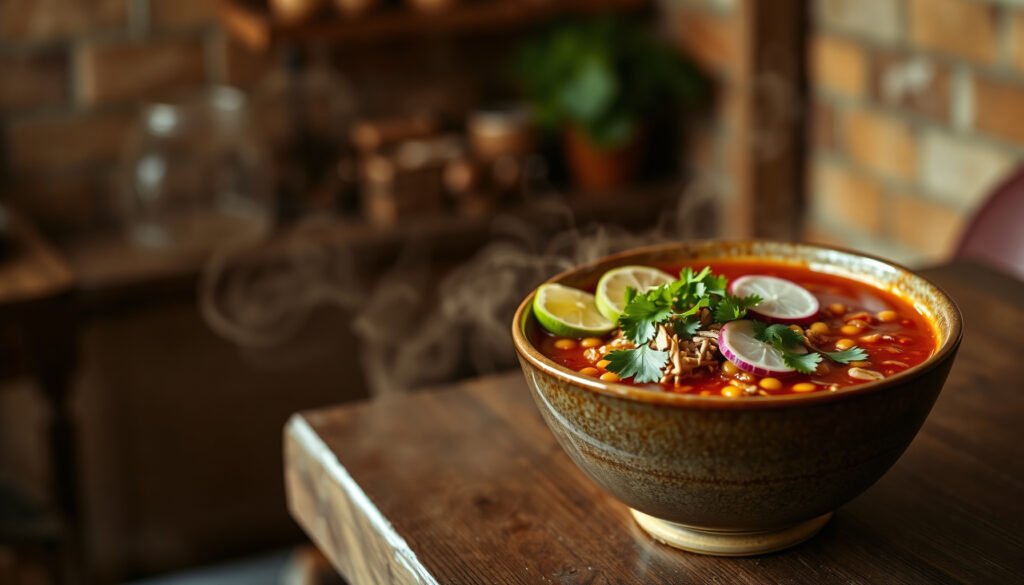

Pozole is generally not keto-friendly because traditional recipes use hominy, a starchy ingredient that quickly raises net carbs. That can be disappointing if you love its rich flavor and broth. If you want keto-compatible options, you’ll learn what to check on the ingredient list and how to adjust servings or use substitutes to keep carbs low.
Yes—pozole can fit keto, but classic pozole usually doesn’t because it’s thickened with hominy (corn). If you choose a hominy-free recipe (or swap in a low-carb substitute) and keep toppings like chips/tostadas controlled, you can enjoy the flavor without blowing your daily carb target.
Traditional pozole usually isn’t keto because it’s made with hominy (corn), which tends to be too high in carbs for most keto targets. You can eat pozole on keto if you choose a recipe that skips hominy or swaps it for a low-carb alternative and keeps portions + toppings under control. In this guide, we’ll break down what’s keto-friendly in pozole and how to order or adapt it.
If you’re doing strict keto (or keto “most days”) and love the flavor of pozole, this is for you. It’s also helpful if you’re deciding whether to eat homemade pozole, canned/restaurant pozole, or a “keto-style” version you saw online.
Is Pozole Keto-Friendly?
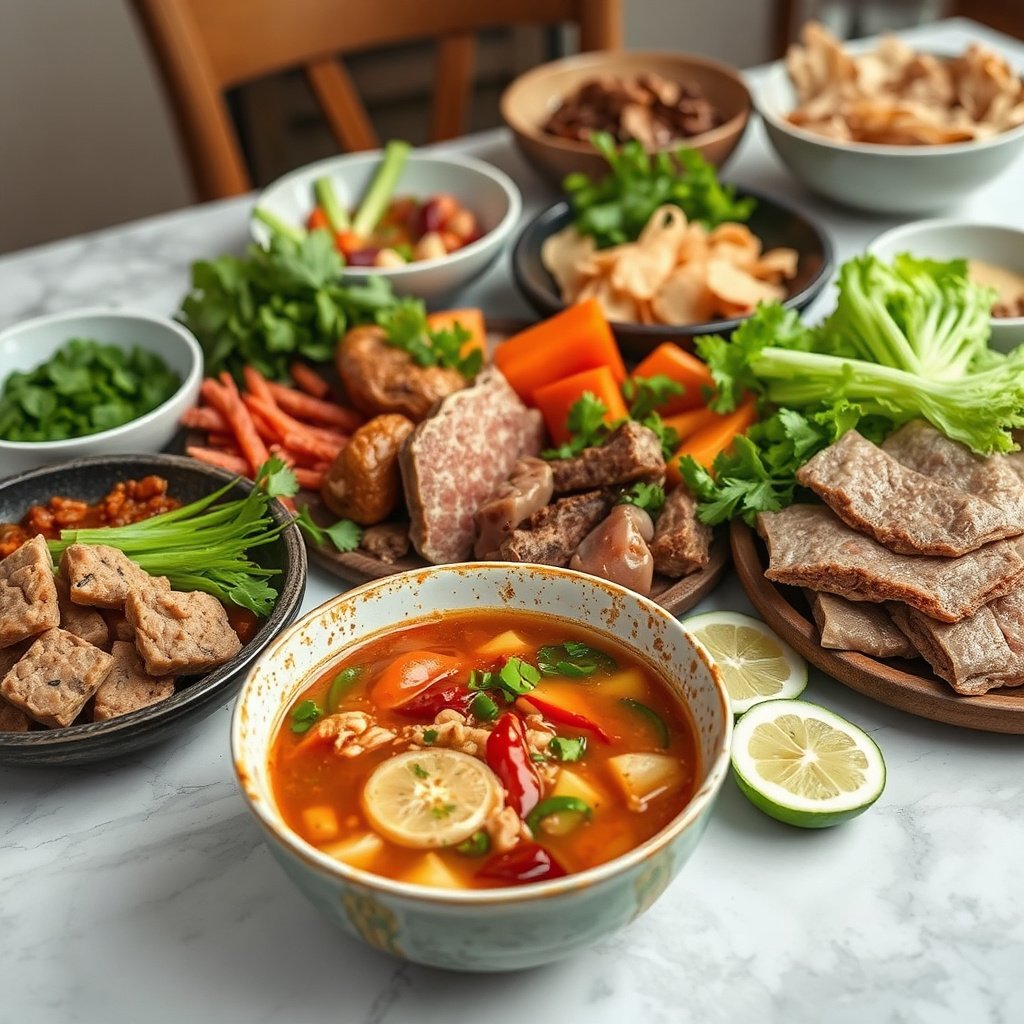
Classic pozole is generally not keto-friendly, but keto-friendly pozole exists when the recipe avoids hominy/corn thickening. The key issue isn’t the broth’s spices—it’s the corn component that changes the carb math fast.
– Traditional pozole relies on hominy (corn), which is typically the biggest carb driver and usually knocks it out of keto range.
– The broth and seasonings may be keto-compatible, but what makes or breaks it is whether hominy (or other corn-based thickeners) is included.
– Toppings matter: garnishes like tostadas/tortilla chips and sometimes extra corn-based sides can add carbs fast.
From a keto-definition standpoint, the reason this matters is simple: most ketogenic approaches restrict carbs quite tightly. According to the International Society of Sports Nutrition (ISSN) position stand, ketogenic diets typically keep carbohydrate intake around 20–50 g/day for nutritional ketosis (2018) Journal of the International Society of Sports Nutrition. The same ISSN guidance describes ketogenic diets as frequently calorie-managed around 70–80% from fat (2018) Journal of the International Society of Sports Nutrition. In practice, that means even “one scoop” of a carb-heavy component like hominy can shift a bowl from “manageable” to “over target,” depending on your daily limit and whether you track net carbs.
Also note: “pozole” can mean slightly different preparations depending on region and household style, and a lot of those differences affect carb load. Some recipes add extra corn ingredients beyond hominy (or use corn-based thickeners), and restaurants sometimes garnish more heavily than you’d build at home. In 2026, most keto trackers still use some form of “net carbs” calculation (total carbs minus fiber), but hominy’s carb contribution is typically large enough that subtraction doesn’t make it reliably keto.
If you’re deciding whether pozole is keto-friendly, treat it like this: broth + meat + chile can be keto, but hominy + tortilla-based toppings usually aren’t.
How to Make Pozole Fit Keto
Keto-friendly pozole is achievable by controlling two variables: the carb source (skip/swap hominy) and the portion/toppings (keep add-ons minimal). If you build the bowl around meat and broth first, you can recreate the traditional flavor profile while keeping carbs predictable.
– Start with the protein and broth: choose meat-based pozole (pork or chicken) with a broth that isn’t sweetened, and keep spice blends sugar-free when possible.
– Replace hominy with a low-carb swap, such as chopped cabbage or a cauliflower-style substitute (what works best depends on the recipe texture you want).
– Portion like you would with any keto “stew”: even keto-friendly swaps can become high-carb if the serving is large enough or toppings pile up.
Choose the “base” ingredients that stay keto
For keto-friendly pozole, prioritize:
– Meat: pork shoulder, pork ribs, or chicken are typically low enough in carbs to fit keto as long as the cooking process doesn’t add sugar.
– Broth: chile-forward broths (often red/green depending on sauce) can be keto-friendly when they’re not sweetened.
– Aromatics + seasoning: onion, garlic, dried chiles, cumin, oregano, and bay leaf generally support flavor without creating a carb spike.
As of 2026, many packaged spice mixes or jarred sauces still contain dextrose, sugar, or corn-derived ingredients. If you’re using store-bought chile sauce or seasoning packets, check for added sugars and corn derivatives. In my experience making “keto-style” adaptations for family meals, the most common derailers in pozole-like dishes are sugar added “to balance” and corny thickeners added for body—both can turn a bowl into an unplanned carb event ().
Swap hominy without losing the “pozole texture”
Hominy is valued for its hearty texture. Keto-friendly substitutes aim to mimic that mouthfeel while reducing carbs:
– Chopped cabbage: adds volume and a mild flavor that absorbs broth.
– Cauliflower-style pieces: can mimic “soft bites” if you simmer them long enough.
– Other low-carb veg (depending on your tolerance): zucchini or hearts of palm (texture varies by brand and preparation).
The best swap depends on whether you prefer pozole to feel stew-like (more vegetable volume) or hominy-forward (more “bean-like” bites). Either way, you’ll want to test simmer time so the substitute is tender but not mushy.
Keep portions and toppings keto-tight
Pozole is easy to overserve because it’s a soup/stew. Even if the swap is keto-friendly, toppings can undo your macros:
– Tostadas/tortilla chips: usually not keto.
– Extra corn garnishes: also usually not keto.
– “A little drizzle” of sweet sauce: surprisingly relevant if the sauce contains sugar.
A practical keto strategy for pozole: build the bowl with most of your volume coming from meat + broth + your swap, then add toppings sparingly.
Quick comparison: classic vs keto-style
Below is a straightforward way to decide whether a bowl is likely to derail your carbs.
| Factor | Classic pozole | Keto-style pozole |
|---|---|---|
| Thickener/body | Often includes hominy (corn) | Hominy-free or low-carb veg swap |
| Most common carb risk | Corn-based hominy | Portion size + any sweet sauce |
| Toppings | Tostadas/chips often common | Limit chips; prioritize herbs/lime |
| Broth sweetness | May include sugar to balance | Prefer no added sugar |
| Carb outcome on keto | Often exceeds keto carb targets | Can fit with tracking + portion control |
The takeaway for keto-friendly pozole: you don’t need to abandon the dish—you need to redesign the bowl around keto-compatible components.
What to Watch on the Label (or Menu)
Keto success with pozole usually comes down to ingredient verification. Ask whether hominy/corn is included and whether any sauces are sweetened—even “no sugar” claims may still hide corn-derived carbs.
– Look for hidden corn ingredients: words like “hominy,” “corn,” “masa,” or “corn flour” are common places carbs sneak in.
– Check add-ins and sides: tortilla products, chips, and corn-forward garnishes can ruin an otherwise decent bowl.
– Watch for added sugar in sauces or braises—some restaurant-style pozole recipes use it to balance flavor.
What to scan for on a label
When you’re checking packaged soup mixes, canned pozole, or bottled sauces, the fastest way to determine keto fit is to look for:
– Hominy (directly)
– Corn or corn-derived ingredients (including “corn flour,” “corn masa,” or similar)
– Thickeners that may be corn-based
– Added sugar or sweeteners (even small amounts can matter if you track strict net carbs)
As of 2026, many nutrition panels still report “total carbs” and sometimes include fiber separately; if you track net carbs, you’ll want to account for fiber, but hominy is typically the bigger carb driver than fiber offsets.
How to order pozole at a restaurant
If you order pozole in a restaurant, use a specific script to reduce ambiguity:
– Confirm whether hominy is included
– Request no hominy (and ask what they use instead)
– Ask about sweeteners in the sauce if they can clarify ingredients
You’ll get better outcomes when you treat the server’s answer as “ingredient intent,” not a guarantee. If they can’t confirm the presence/absence of hominy or corn thickening, assume your keto outcome is uncertain.
| # | Pozole component | Primary carb risk | Keto fit | Practical call |
|---|---|---|---|---|
| 1 | Hominy (cooked corn) | Corn starch/soluble carbs | ★☆☆☆☆ | Avoid on strict keto |
| 2 | Corn masa / corn flour | Corn-based thickening | ★☆☆☆☆ | Avoid unless carbs fit |
| 3 | Pork (typically braised) | Low (watch added sugar) | ★★★★☆ | Usually keto-friendly |
| 4 | Chicken (typically simmered) | Low (watch sweet braises) | ★★★★☆ | Usually keto-friendly |
| 5 | Chile broth (unsweetened) | Low if no added sugar | ★★★☆☆ | Verify “no sweeteners” |
| 6 | Tostadas / tortilla chips | Tortilla starch | ★☆☆☆☆ | Limit or skip |
| 7 | Lime, cilantro, radish | Minimal carb impact | ★★★★★ | Great keto toppings |
If you remember just one rule for pozole on keto: hominy and tortilla-based toppings are the usual “no” answers.
What Can Go Wrong
Even when pozole is modified for keto, a few common mistakes can still knock you out of ketosis. Most failures aren’t dramatic—they’re small ingredient and topping overshoots that compound.
– “Keto” can be misleading: a dish might be low-fat or skip a sugary sauce but still include hominy or another carb-heavy component.
– Portion creep is real with soups/stews—keto fails often happen because the bowl is bigger than expected, not because the ingredients were “totally wrong.”
– Toppings can be the culprit: even if the soup is modified, a handful of tortilla chips or extra sides can push carbs over your limit.
Mislabeling and menu ambiguity
Restaurant “keto” labels aren’t standardized. One kitchen might call a dish “keto” because it’s meat-forward, but still include hominy in the base. Another might remove hominy while forgetting that some sides (like corn relishes or tortilla crumbs) are still part of the bowl experience.
For pozole specifically, hominy is the anchor ingredient that changes the entire carb profile. If you can’t confirm whether it’s present, you’re essentially guessing your way through keto.
Portion creep in a bowl
A single serving of soup can be deceptively large. If you’re strict keto (or keto “most days”), you should treat pozole like any other keto stew: choose a portion size you can measure, not just “a ladle and a half.” In 2026, many people track net carbs, but without tracking portion volume, the carb total can jump quickly.
Toppings are often the hidden carb lever
Even with a good hominy-free broth, toppings can ruin the plan:
– chips or tostadas add a starchy carb layer
– corn garnishes add additional corn carbs
– sweet sauces (even if “small”) add sugar that pushes your total carbs higher
Here’s the pros/cons framing for pozole on keto:
– Pros of keto pozole: meat + broth + chile flavor, customizable toppings, satisfying comfort-food effect.
– Cons of keto pozole: needs careful ingredient verification (hominy/corn), toppings can spike carbs, and restaurant versions can be inconsistent.
Verdict / Tip
If you’re asking “is pozole keto?” the honest answer is: not usually in its classic form, because hominy is typically not keto-friendly. Your best bet is to choose a version that removes hominy and uses a low-carb substitute, or you make it at home so you control ingredients and portion size.
Skip keto pozole (or be extra cautious) if you can’t confirm whether hominy/corn thickening is included, or if you’re aiming for strict keto and don’t want to track carbs closely.
If you want a reliable rule for pozole and keto: focus on the bowl’s structure, not the name. Classic pozole is built around hominy; keto-style pozole is built around meat, broth, and a low-carb “body” you control.
Quick Keto Pozole Checklist
| Check | Keto-safe direction |
|---|---|
| Hominy included? | If yes, it’s usually not keto |
| Corn/masa/corn flour mentioned? | Avoid unless you verify carbs stay within your limit |
| Broth/sauce sweetened? | Prefer no added sugar |
| Toppings | Limit/avoid tostadas, chips, and extra corn-based garnishes |
| Portion size | Keep it controlled—soup servings add up |
Frequently Asked Questions
Is pozole keto-friendly or low-carb?
Traditional pozole is usually not keto-friendly because it’s made with hominy, a type of dried corn that’s high in carbohydrates. Many keto diets aim to keep net carbs very low, and hominy can quickly push pozole outside that range. That said, keto-friendly versions are possible by swapping hominy for lower-carb ingredients and watching added carbs like broth and garnishes.
How can I make keto pozole with fewer carbs?
To make keto pozole, replace hominy with a low-carb alternative such as cauliflower rice or diced hearts of palm for a similar texture. Use a protein base like pork shoulder or chicken, and season with traditional spices (garlic, oregano, chili, cumin) without adding sugar or starchy thickeners. Keep an eye on toppings—choose high-fat, low-carb garnishes like shredded cabbage, cilantro, radish, and avocado while limiting tortillas and other carb-heavy sides.
Why is traditional pozole high in carbs?
The main reason traditional pozole is high in carbs is the hominy, which is made from corn and naturally contains significant carbohydrates. Even if the meat is keto-friendly, the hominy can dominate the nutrition profile and raise net carbs. Some recipes may also include sweeteners or carbohydrate-rich additions, further reducing keto compatibility.
Which store-bought pozole is most likely keto?
Store-bought pozole is often not keto because it commonly contains hominy and may include added sugars for flavor. If you want the closest option, look for products with no hominy or with very low carb counts per serving, and always check the nutrition label for net carbs. In practice, homemade keto pozole or recipes that clearly specify hominy-free substitutes tends to be the safest choice for staying keto.
What’s the best way to calculate if pozole fits my keto macros?
Start by identifying the total carbohydrates and fiber on the nutrition label or recipe. Calculate net carbs (usually net carbs = total carbs minus fiber) and compare that to your daily keto limit, commonly 20–50 grams net carbs depending on the individual. Then account for portion size and toppings, since cabbage, radish, and sauces can add up—choose keto-friendly portions to keep your keto pozole within your carb budget.
📅 Last Updated: November 03, 2026 | Topic: is pozole keto | Content verified for accuracy and freshness.
References
- Pozole
- Ketogenic diet
- https://www.mayoclinic.org/diseases-conditions/diabetes/in-depth/ketogenic-diet/art-20045864
- https://www.britannica.com/topic/ketogenic-diet
- https://pubmed.ncbi.nlm.nih.gov/?term=ketogenic+diet+carbohydrate+restriction
- Food Search | USDA FoodData Central
- Food Search | USDA FoodData Central
- https://scholar.google.com/scholar?q=pozole+keto Google Scholar
- https://scholar.google.com/scholar?q=ketogenic+diet+carbohydrate+limit Google Scholar
- https://scholar.google.com/scholar?q=hominy+carbohydrate+content+glycemic+index Google Scholar