

Pork rinds are generally considered keto-friendly because they are made from rendered pork skin with virtually zero net carbs. You will learn how to read nutrition labels for carb content, what nutrients they provide, and the simplest ways to portion them for crunchy snacks or low-carb breading. With about a 5-minute check of the label and a few practical serving ideas, you can start using them confidently while staying in ketosis.
Pork rinds are usually keto-friendly because they’re made from fried pork skin and are typically very low in carbs. The catch is that keto-compatibility depends on the ingredient list and the nutrition label (especially total carbs or net carbs)—so the “keto” part is something you verify, not something you assume. The guidance below will help you read the label, understand what changes carb counts, and use pork rinds in a way that supports ketosis.
If you’re doing keto for weight loss, blood sugar control, or just lowering carbs, pork rinds can be a convenient crunchy snack or topping. This is especially relevant if you’ve noticed some flavored brands list different carb counts or include added ingredients. As of 2026, most packaged pork rinds marketed to low-carb eaters still end up working on keto—but the range of results is wide enough that a quick label check can save you from accidentally overshooting your daily carb limit.
Why Pork Rinds Can Fit Keto
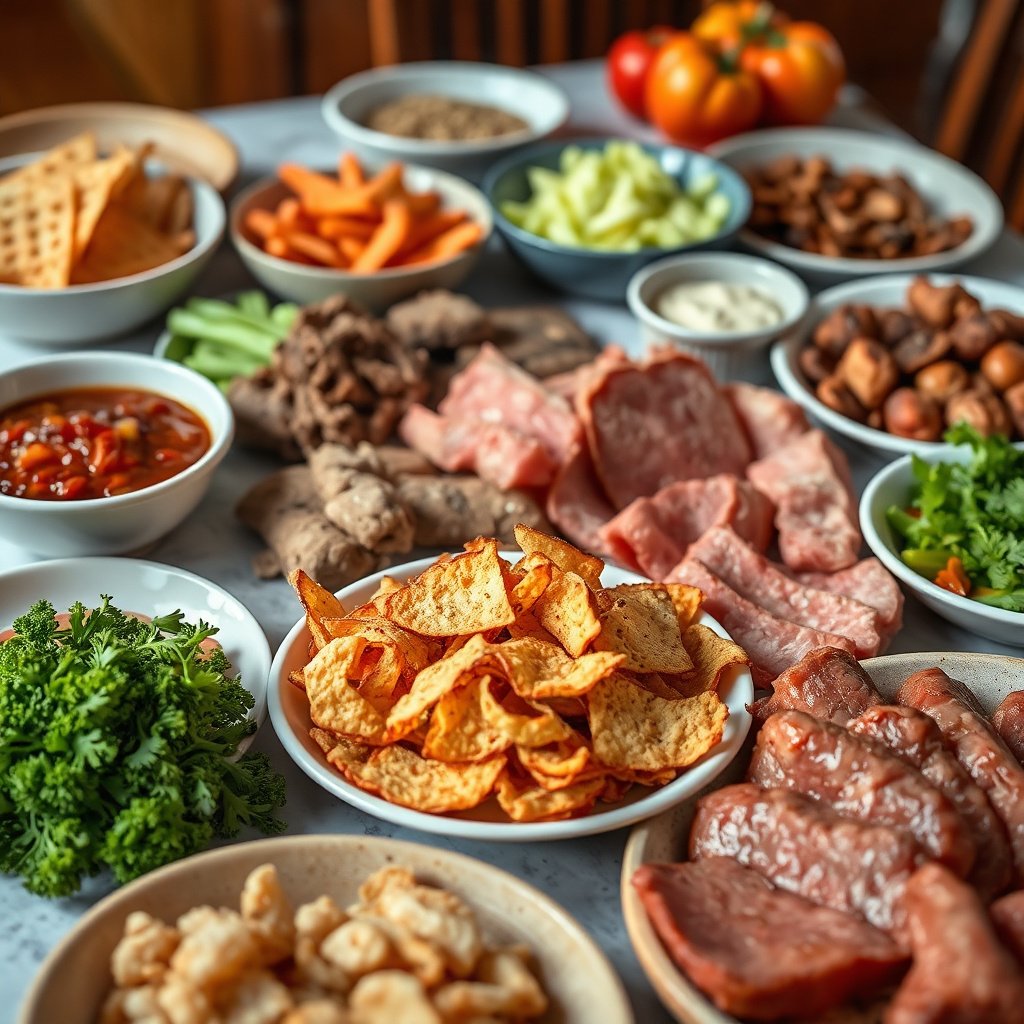
Pork rinds can fit keto because they deliver fat and protein with minimal carbohydrate coming from the core ingredient: pork skin. For most people, the practical question isn’t “are pork rinds keto by definition?”—it’s whether a serving keeps your net carbs low enough for ketosis to continue.
– Pork rinds are primarily fat and protein, with very little carbohydrate by nature of the ingredient (pork skin).
– For most people on keto, the key is keeping daily net carbs low enough to stay in ketosis.
– When you choose plain or simply seasoned varieties, they’re often easier to keep within keto targets.
A useful way to think about keto is the daily carb ceiling. Many reputable clinical and diet sources commonly describe ketogenic diets as aiming for roughly 20–50 g of carbohydrates per day for most people, often tracking “net carbs” (total carbs minus fiber) to manage that limit (Mayo Clinic, 2023). Pork rinds often land near the low end of that range—sometimes at ~0–1 g net carbs per serving—but flavors and batch-to-batch formulations can shift the numbers.
Also, pork rinds are typically eaten for texture and convenience, which can help you replace higher-carb snacks without changing the rest of your meal plan. That matters for adherence: keto tends to work best when it’s repeatable on busy days. In my own keto meal planning, I’ve found that having a predictable “crunch option” makes it easier to stay consistent—especially when I portion into a small serving container rather than eating straight from the bag.
Typical Nutrition Focus for Plain Pork Rinds (Common Label Ranges)
| # | Nutrition label item (per 1 oz / ~28 g) | Typical range | Keto relevance | Keto score |
|---|---|---|---|---|
| 1 | Net carbs (if reported / implied) | 0–1 g | Lower helps maintain ketosis | ★★★★★ |
| 2 | Total carbs | 0–2 g | Flavors can push this higher | ★★★★☆ |
| 3 | Fiber | 0–1 g | Affects net-carb calculation | ★★★☆☆ |
| 4 | Protein | 10–18 g | Helps satiety and meal balance | ★★★★☆ |
| 5 | Total fat | 9–14 g | Supports keto macros (varies by brand) | ★★★★★ |
| 6 | Saturated fat | 3–5 g | High is common; moderate if needed | ★★★☆☆ |
| 7 | Sodium | 300–600 mg | Can add up fast for salt-sensitive people | ★★★☆☆ |
Carbs and Ingredients to Check First
To stay keto, confirm the carb math on the package before you treat pork rinds as “free.” In practice, the biggest differences show up between plain and flavored varieties, because seasonings may include sugar, starch, or sweeteners that change total carbs.
– Look at the nutrition label for total carbs and/or net carbs (some brands calculate differently).
– Check the ingredient list for added sugars or carb-containing additives—flavored seasonings can vary a lot.
– “Keto-friendly” packaging can be helpful, but the label numbers matter more than marketing.
Here’s the label checklist I recommend in plain language. First, find total carbohydrates per serving. Second, look for fiber—because if a brand subtracts fiber to show “net carbs,” your net-carb result changes based on that fiber number. Third, scan the ingredient list for words that often indicate hidden carbs: sugar, brown sugar, dextrose, maltodextrin, modified starch, or anything described as a “sweetener” beyond simple salt and spices.
A key point: “net carbs” is not a single universal formula across all brands and apps. Some companies calculate net carbs as total carbs minus fiber; others may also subtract sugar alcohols, depending on the product. If you want consistency on keto, track the method you trust and stick with it across your week.
Another practical constraint is sodium. Pork rinds are often salty by design, and keto already changes water balance early on for many people, which can make electrolyte management feel more urgent. Still, sodium should be intentional. The American Heart Association recommends limiting sodium to no more than 2,300 mg per day for most adults (American Heart Association, 2023). If you eat multiple servings of pork rinds plus other salty foods, it’s easy to overshoot.
Finally, consider your tolerance. The crunch and high-fat profile can be great for many people, but if you’re sensitive to very fatty, processed foods, pork rinds may not feel as comfortable as a whole-food snack. As you evaluate “keto-friendly,” remember that carbs aren’t the only variable that can affect your results.
How to Use Pork Rinds on a Keto Diet
Pork rinds work best on keto when you use them with controlled portions and keto-appropriate pairings. That means treating them like an intentional snack or ingredient—not an unlimited substitute for meals.
– Use them as a snack instead of chips: portion them so carbs stay predictable across the day.
– Crumble them for breading or texture—common options include chicken tenders, meatballs, or casseroles.
– Pair with keto-friendly dips (like mayo-based sauces or guacamole) to increase satiety—avoid sweet dips.
One straightforward strategy is to swap pork rinds for higher-carb crunch. If you typically reach for potato chips or tortilla chips, start by selecting a plain or lightly seasoned pork rind and measuring one serving into a small bowl. In my own routine, I find that pre-portioning into a container reduces “bag drift,” where the actual amount eaten becomes much larger than the serving size on the label.
For cooking, crumbled pork rinds are especially useful because they create a crisp coating without flour. If you’re breading chicken or coating a casserole, use pork rinds as the top “crunch layer” and keep your binder keto-compatible (egg is typically the go-to). This approach can also help you keep carbs predictable in a recipe—because you can calculate the carb impact based on the coating’s serving.
When it comes to dips, pair pork rinds with flavors that don’t reintroduce sugar. Mayo-based dips, ranch-style sauces without added sugar, sour cream with herbs, and guacamole generally fit keto better than dessert-like or sweetened options. If the dip label lists sugar or carbs prominently, it can erase the carb advantage you thought you had from the pork rinds.
What Can Go Wrong (Common Keto Pitfalls)
Pork rinds can derail keto when the carb math changes or when sodium and portion size get out of control. These issues are common enough that a quick plan can prevent “one snack” from turning into a day-long problem.
– Hidden carbs in flavored varieties: some seasonings or “sweet” flavor lines can push carbs higher than expected.
– Overeating: even low-carb snacks can add up quickly if you eat large portions.
– Salt and seasoning concerns: pork rinds are often high in sodium; if you’re salt-sensitive or have blood pressure concerns, watch intake.
– Digestive issues: the texture and fat content can bother some people—start with a small amount to see how you react.
Flavored varieties are the #1 reason carb counts vary. Some may use sweetness to balance smoky flavors, while others may include starches to improve flavor adhesion or texture. If you’re trying to stay within a strict net-carb range, even a couple of grams can matter. According to commonly cited keto practice, maintaining ketosis is easiest when you keep net carbs consistently low rather than “saving carbs” for later (you’ll often have less wiggle room than you expect) (Cleveland Clinic, 2024).
Second, portions are the quiet problem. Pork rinds are designed to be addictive to eat—crunch, salt, and seasoning drive repeat mouthfuls. If you eat two or three servings, you may not notice carb creep because each serving looks small. That’s why measured portions matter more than the label’s category claim.
Third, pay attention to sodium and how you feel. If you notice swelling, headaches, or elevated blood pressure, consider reducing salty snacks and spreading them out. Keto can shift fluid balance, so “high sodium” plus “early keto adjustment” can feel harsher for some people.
Finally, digestive sensitivity is real. The combination of fat, salt, and processed texture can trigger reflux or discomfort for some individuals. If you’ve been prone to gastrointestinal issues, start with a small serving and reassess.
Pork rinds vs. common keto crunchy alternatives
| Criterion | Pork rinds | Keto chips (typical) | Roasted nuts (typical) |
|---|---|---|---|
| Carbs per serving | Often lower, varies by flavor | Often moderate; depends on brand | Often higher than rinds per calorie |
| Texture satisfaction | High (crunch) | Medium to high | Medium |
| Sodium profile | Often high | Varies widely | Moderate to high |
| Best use case | Snack swap + breading | Snack, portioned | Snack when carbs fit and portions are tight |
| Main risk | Flavored hidden carbs + overeating | “Hidden” starches/sugars | Portion size driving carbs |
Verdict / Tip: Are They Worth It?
Pork rinds can be a solid keto snack choice when you pick the right brand and confirm the carbs on the label. The upside is convenience: they deliver crunch with typically very low carbs, which makes keto easier to stick to—especially as of 2026, when many brands clearly list total carbs and fiber.
– Downsides include potentially high sodium, strong flavoring (sometimes with extra ingredients), and the risk of overeating out of “crunch habit.”
– You may want to skip or limit them if you have sodium restrictions, significant digestive sensitivity, or if your specific brand’s label shows carbs that don’t fit your keto target.
A practical decision rule: if your daily net-carb budget is tight (for example, you’re tracking closer to the lower end of the commonly used keto range), prioritize plain pork rinds first. Reserve flavored options for days when you can afford slightly higher carb counts. If your brand shows “0g net carbs” but lists nonzero total carbs with fiber that doesn’t reconcile cleanly, pause and confirm how the label calculates net carbs.
If you’re using pork rinds as a topping, remember that “topping math” matters. A tablespoon of crumbles can be small, but a handful can double or triple the serving you meant to eat. For consistency, measure once and then scale based on your measured portion.
Keto Pork Rinds Quick Checklist (Save This)
| What to check | Keto goal | Why it matters |
|---|---|---|
| Nutrition label carbs (total/net) | Stay within your daily keto carb limit | Some brands vary widely by flavor/formulation |
| Ingredient list | No added sugar or carb-heavy additives | Hidden carbs can break ketosis |
| Portion size | Keep it measured | “Low carb” doesn’t mean “unlimited” |
| Sodium + seasonings | Reasonable for your needs | Can affect blood pressure and comfort |
Frequently Asked Questions
Is pork rinds keto-friendly?
Yes—pork rinds are typically keto-friendly because they are made from pork skin and are very low in carbohydrates. Most keto dieters focus on keeping net carbs low, and plain pork rinds generally fit that goal well. However, you should still check the nutrition label to confirm carbs are minimal and watch for any added sugar or flavoring.
How many carbs are in pork rinds on a keto diet?
Carbs in pork rinds can vary by brand, but many plain pork rinds contain near-zero net carbs per serving. To stay on track with keto, look at both total carbs and fiber, then calculate net carbs (total carbs minus fiber). If you’re tracking strictly, choose varieties that list extremely low carbs and avoid “sweet” or BBQ-style flavors that may include added ingredients.
Why are pork rinds considered a low-carb snack for keto?
Pork rinds are considered a low-carb snack because they provide a crunchy alternative to chips while containing very little carbohydrate. They’re also usually high in protein and fat, which can help you feel satisfied while maintaining ketosis. This makes pork rinds a popular keto option for snacking, topping burgers, or pairing with dips like guacamole.
Which pork rind flavors are best for keto?
The best keto pork rind flavors are typically “plain,” “salted,” or simple seasonings that don’t include sugar-containing ingredients. Barbecue and sweet heat flavors may contain added sugars or higher carb counts, which can affect ketosis. For the safest choice, review the carb grams per serving and aim for the lowest net carbs available from each brand.
How do I eat pork rinds on keto without going over calories or macros?
Even though pork rinds are low in carbs, portion size still matters because they can be calorie-dense. Start with a serving size listed on the package and pair them with keto-friendly foods like cheese, mayo-based dips, or sour cream to balance your macros. If you track macros, use the label to confirm net carbs and adjust portions so you stay within your daily keto carbohydrate limit.
📅 Last Updated: November 03, 2026 | Topic: is pork rinds keto | Content verified for accuracy and freshness.
References
- Pork rind
- https://fdc.nal.usda.gov/fdc-app.html#/search?query=pork%20rinds
- https://fdc.nal.usda.gov/fdc-app.html#/search?query=pork%20cracklings
- Ketogenic diet
- https://www.mayoclinic.org/healthy-lifestyle/weight-loss/in-depth/ketogenic-diet/art-20045828
- https://pubmed.ncbi.nlm.nih.gov/?term=ketogenic+diet+carbohydrate+intake
- https://pubmed.ncbi.nlm.nih.gov/?term=ketogenic+diet+low+carbohydrate+diet+adverse+effects
- https://scholar.google.com/scholar?q=ketogenic+diet+carbohydrate+limit+net+carbs+20+grams+per+day Google Scholar
- https://scholar.google.com/scholar?q=pork+rinds+nutrition+carbohydrates+carb+content Google Scholar
- https://scholar.google.com/scholar?q=ketogenic+diet+low+carbohydrate+diet+overview Google Scholar


Pingback: Is Pozole Keto? Can You Eat Pozole on Keto? - Keto Model