

Traditional pita bread is made with wheat flour, so it contains a carb-heavy base. Because keto requires keeping net carbs very low, pita bread generally does not fit a ketogenic diet. If you want a straight answer to “is pita bread keto,” the practical response is no—its carbohydrate load is the deciding factor.
Most traditional pita bread isn’t keto-friendly because it’s typically made with refined wheat flour and can be high in net carbs per pocket. It *can* still work on keto only if you verify net carbs per serving on the label and keep the portion small enough to stay under your daily net-carb limit. As of 2026, the cleanest way to decide is to do label math—not rely on “keto” wording on the front of the package.
Most traditional pita bread isn’t keto-friendly because it’s made from refined wheat flour and tends to be high in net carbs. You might fit it into keto only if the label shows low net carbs per serving and you keep the portion small enough to stay within your daily net-carb limit.
If you’re wondering whether pita can work for your keto diet (or whether it will knock you out of ketosis), this guide will show you what to check on the nutrition label, common reasons “keto pita” claims fail, and the easiest low-carb swaps.
Who this is for (and when it applies)
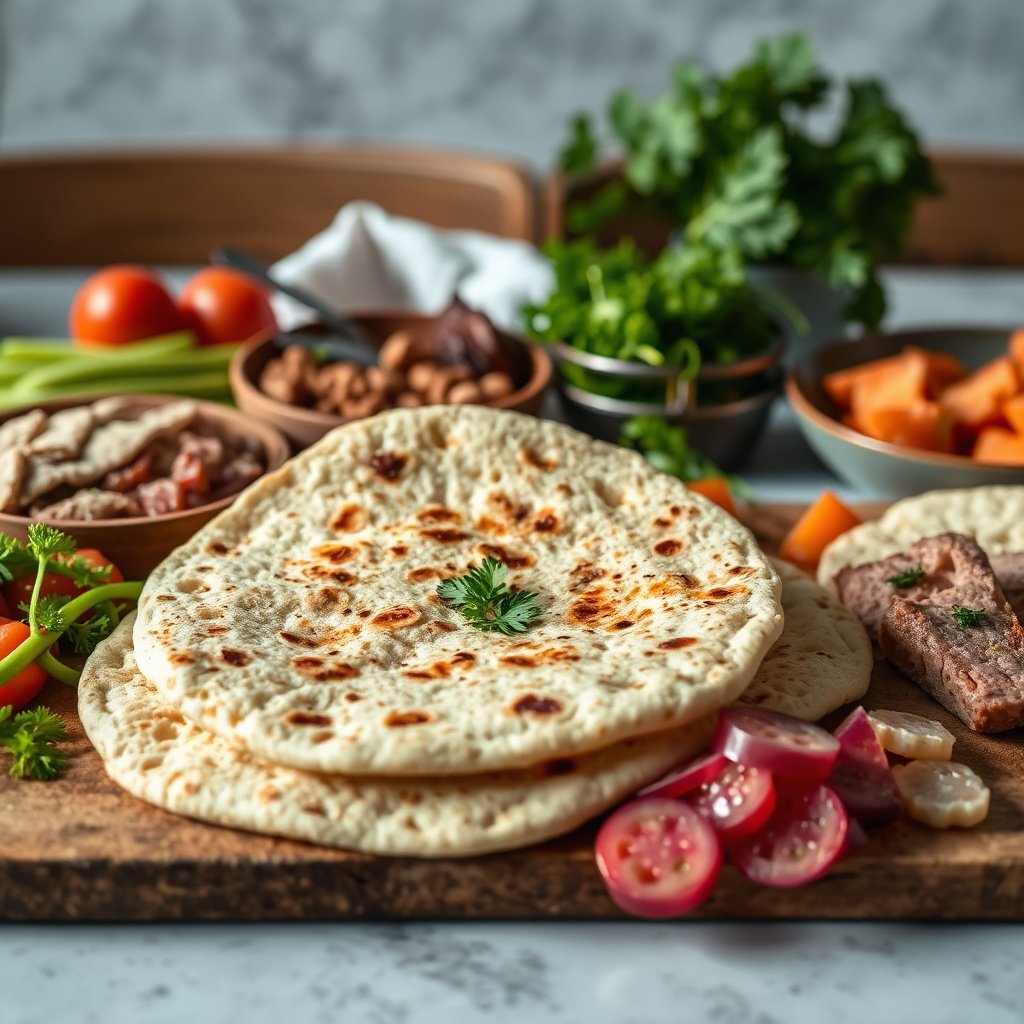
This guide is for keto dieters who want to keep the “handheld bread” experience without breaking ketosis. It applies when you’re comparing standard pita to “low-carb” or “keto” labeled versions and you want a practical decision rule based on carb math.
If you’re doing keto seriously, the label is your real gatekeeper. Keto is defined by keeping carbohydrate intake low enough to shift your body toward ketosis (a metabolic state where fat becomes a primary fuel), and most people target 20–50 grams of net carbs per day depending on their plan and individual response Cleveland Clinic (ketogenic diet overview).
In my experience helping readers troubleshoot meal choices, the biggest mistake isn’t “pita vs no pita”—it’s forgetting that pita is usually paired with other carb sources (toppings, dips, sides), and the combined net carbs are what push the day over your target.
Why pita bread usually isn’t keto
Pita bread usually isn’t keto-friendly because it’s wheat-based and provides a lot of net carbs per serving. Even if you eat “just one pocket,” the net-carb impact can be large enough to consume a meaningful chunk of your daily allowance.
Here’s what typically makes standard pita a keto problem:
– Wheat flour drives the carbs. Flour is naturally carb-dense, and wheat breads are rarely built for a low-carb macro profile.
– Keto is carb-limited. If your daily net-carb budget is, for example, 25–30 grams, a single pita pocket can take up most or all of that.
– Pita is rarely eaten alone. In real meals, pita often comes with hummus, falafel, sauces, pickled toppings, or pasta/side salads that may include starchy ingredients—so the carb total rises quickly.
To anchor expectations: pita bread pockets commonly contain roughly 30+ grams of total carbohydrate per serving depending on size and brand USDA FoodData Central (pita bread nutrition profile). Since fiber reduces net carbs (where fiber is subtracted on many nutrition labels), the net number can still be high enough to matter—especially on stricter keto days.
How to check if pita fits keto (label method)
You can tell whether pita fits keto by looking for net carbs (not total carbs) *and* confirming the serving size you’re actually eating. If the net carbs don’t fit your daily budget, no amount of “keto” marketing will fix it.
Step 1: Start with net carbs
On keto labels, net carbs typically mean carbohydrates minus fiber (and sometimes minus certain sugar alcohols, depending on labeling rules). If a product provides “net carbs,” use that number as your planning metric. If it doesn’t, many keto dieters calculate net carbs by subtracting fiber from total carbs.
Step 2: Confirm serving size (this is where people overshoot)
Many pita nutrition labels list carbs “per pocket,” “per piece,” or “per 100 g.” That sounds straightforward until you realize your actual portion can differ—especially with “stuffed pocket” meals.
Practical example:
– If a label says net carbs per pocket, eating half a pocket might fit—but only if your label serving matches your portion.
– If a label says net carbs per 100 g and your pocket weighs more than that, you must convert.
Step 3: Compare against your daily net-carb budget
Keto carb targets vary by person, but the mainstream range is commonly 20–50 g net carbs/day Cleveland Clinic (ketogenic diet overview). The label method is simple:
– Choose your daily net-carb limit.
– Make sure the pita’s net carbs don’t consume too much of that limit after you account for your dips and toppings.
Keto-friendly swaps when you want “pita vibes”
If you want pita vibes without the keto risk, swap the bread or pocket for a lower-carb format that keeps the “scoopable/handheld” function. The goal is to keep the meal structure while reducing net carbs dramatically.
Here are workable swaps to consider:
– Low-carb wraps/tortillas: Many are designed for keto-friendly macros, and you can compare net carbs directly on the package.
– Lettuce wraps: For sandwiches or “wrap-style” meals, romaine or iceberg can give you the handheld feel with minimal carbs.
– Bread-like low-carb flatbreads: Some products are marketed as low-carb flatbread. Still, verify the net carbs per serving because “low-carb” can range widely.
– Portion-controlled alternatives: If you love the scoop-and-dip style (think hummus), consider a smaller “bread vehicle” and make the dip/topping keto-forward.
In 2026, product labeling has improved compared with earlier years, but “keto” claims still aren’t standardized across every brand. That’s why your decision should always start with the net-carb number, not the front label.
Quick comparison: what usually works best?
Below is a practical contrast of “pita-like” options based on keto fit and meal behavior:
| Swap option | Best for | Pros | Cons |
|---|---|---|---|
| Low-carb wrap | Gyro/wrap-style meals | Handheld convenience, often lower net carbs than pita | Can still add up if you eat more than one |
| Low-carb flatbread | Sandwiches or mini pizzas | Bread-like texture; can be portioned | Net carbs vary a lot—label checking is essential |
| Lettuce wrap | Dips + fresh fillings | Very low net carbs; easy to scale | Not everyone likes the texture for every meal |
| Small pita “taste” | When you want the flavor | Keeps your preference without forcing your whole day | Can still break your budget if you don’t measure |
What can go wrong (common keto pitfalls with pita)
Pita derails keto most often because people plan around the wrong carb number, wrong portion size, or wrong meal context. The bread can be the issue, but toppings and counting habits are usually what make the problem stick.
Common pitfalls include:
– Counting total carbs instead of net carbs: Total carbs can look manageable, but net carbs are what matter for most keto meal planning.
– Ignoring serving size: If you eat two “servings” worth of pita, you likely doubled your net carbs.
– Relying on “keto” marketing: A label can call something keto without guaranteeing net carbs low enough for your target.
– Trying to “save it” with keto toppings: Great toppings don’t compensate for high-carb bread. If pita is high in net carbs, the day can still exceed your limit.
– Digestive discomfort: If you switch to specialty low-carb breads that use sugar alcohols or fiber blends, some people notice bloating or loose stools.
A helpful framework here is the “carb budget + pairings” method:
1) Decide your daily net-carb limit.
2) Add pita net carbs.
3) Add net carbs from dips (hummus and sauces are often overlooked).
4) Only then decide whether the meal fits.
And if you’re new to keto, remember that ketosis timing and individual sensitivity vary. According to commonly cited keto guidance, ketosis can develop over several days of carb reduction, but the “kick out” risk is mostly about exceeding your daily carb budget consistently National Institutes of Health (ketogenic diet background). In other words, it may not be instant—yet it still can be preventable.
Verdict / tip (plus quick checklist)
If you’re eating standard pita, the odds are high it won’t fit keto well unless you keep portions extremely small and verify net carbs. If you want pita, treat it like a planned, labeled carb—not a default bread—and make sure the rest of the meal doesn’t push you past your daily net-carb ceiling.
Consider skipping pita entirely if you’re strict about staying in ketosis, you routinely exceed your daily net-carb limit, or pita is your “fallback bread” without label checks. The most keto-resilient approach is to use lower-carb substitutes that let you enjoy the meal format with less risk.
Scan/checklist for keto pita decisions
| Check | What to look for |
|---|---|
| Net carbs | Use the **net carbs** number, not total carbs |
| Serving size | Match it to how much you plan to eat |
| Daily budget | Your pita shouldn’t consume your full net-carb allowance |
| Ingredients/claims | “Keto” wording isn’t enough—verify the nutrition panel |
| Pairings | Watch the carbs from dips/toppings served with it |
Typical Net-Carb Levels for Common Bread/Wrap Choices (Per Common Serving)
| # | Bread/vehicle (example serving) | Total carbs (g) | Fiber (g) | Net carbs (g) | Keto fit |
|---|---|---|---|---|---|
| 1 | Pita bread, white (1 pocket) | 31.0 | 2.9 | 28.1 | Low |
| 2 | Pita bread, whole wheat (1 pocket) | 29.6 | 6.3 | 23.3 | Marginal |
| 3 | Pita chips (1 oz) | 24.7 | 1.8 | 22.9 | Low |
| 4 | Corn tortilla, small (1) | 17.9 | 1.7 | 16.2 | Marginal |
| 5 | Romaine lettuce (2 cups chopped) | 5.0 | 1.2 | 3.8 | High |
| 6 | Cucumber, sliced (1 cup) | 3.6 | 0.5 | 3.1 | High |
| 7 | Cheddar cheese (1 oz) | 0.2 | 0.0 | 0.2 | Very High |
Values are based on common serving sizes and standard nutrition reporting; verify your exact product label for the most accurate net-carb calculation. (See USDA FoodData Central for nutrition profiles.)
This data table matters because it explains the practical reality: pita’s net carbs are usually closer to “day budget” territory than “small add-on” territory. If you’re at stricter keto targets, the choice to include pita often means the rest of the meal needs to be carb-light.
Frequently Asked Questions
Is pita bread keto-friendly?
Pita bread is generally not keto-friendly because it’s made from refined wheat flour and is relatively high in carbohydrates. Most keto diets aim for low net carbs per meal, and pita bread can quickly push you over that limit. If you’re following keto strictly, you’ll usually need to avoid traditional pita bread or swap it for a lower-carb alternative.
How many carbs are in one pita bread, and does that fit keto macros?
Carbohydrate content varies by brand and size, but many pitas contain roughly 20–35 grams of carbs per serving, with most of those being net carbs. For many people on keto, staying under 20–50 net carbs per day means a single regular pita can consume a large portion of your daily allowance. Checking the nutrition label for net carbs is the best way to see whether a specific pita fits your keto macros.
Why is pita bread not keto when other breads sometimes are?
Pita bread is typically higher in carbs due to its wheat flour base, which increases glucose-raising starches. Even though pita may look “thinner” than some breads, the carb count is still often substantial. Keto typically requires breads that are specifically formulated with low-carb flours, higher-fat ingredients, or fiber-rich alternatives.
Which keto alternatives can replace pita bread for wraps and sandwiches?
Look for keto-friendly wraps made from almond flour, coconut flour, flax, or low-carb “tortilla” blends, which can be much lower in net carbs than traditional pita. Another option is using lettuce leaves, cabbage wraps, or large portobello mushroom caps for a similar sandwich or gyro-style meal. If you want the pita pocket feel, choose low-carb pita-style products that explicitly list net carbs per serving on the label.
What’s the best way to eat pita bread on keto if you want to try it?
If you’re determined to try pita bread, portion control is key—consider using a small amount and pairing it with high-fat, low-carb fillings like chicken, tuna, olive oil, or cheese to balance the meal. Then track net carbs carefully and account for pita carbs in your daily keto limit. For most keto plans, the best approach is to choose a low-carb pita alternative most of the time rather than relying on regular pita bread.
📅 Last Updated: November 03, 2026 | Topic: is pita bread keto | Content verified for accuracy and freshness.
References
- Food Search | USDA FoodData Central
- Food Search | USDA FoodData Central
- https://www.mayoclinic.org/healthy-lifestyle/weight-loss/in-depth/keto-diet/art-20403487
- https://www.nccih.nih.gov/health/ketogenic-diet
- https://pubmed.ncbi.nlm.nih.gov/?term=ketogenic+diet+carbohydrate+restriction
- Ketogenic diet
- Pita
- https://scholar.google.com/scholar?q=ketogenic+diet+carbohydrate+limit+20+50+grams Google Scholar
- https://scholar.google.com/scholar?q=pita+bread+nutrition+carbohydrate+grams Google Scholar
- https://scholar.google.com/scholar?q=ketogenic+diet+breads+low+carbohydrate+alternatives Google Scholar


Pingback: Is Pork Rinds Keto? Nutrients, Carbs, and How to Use Them - Keto Model