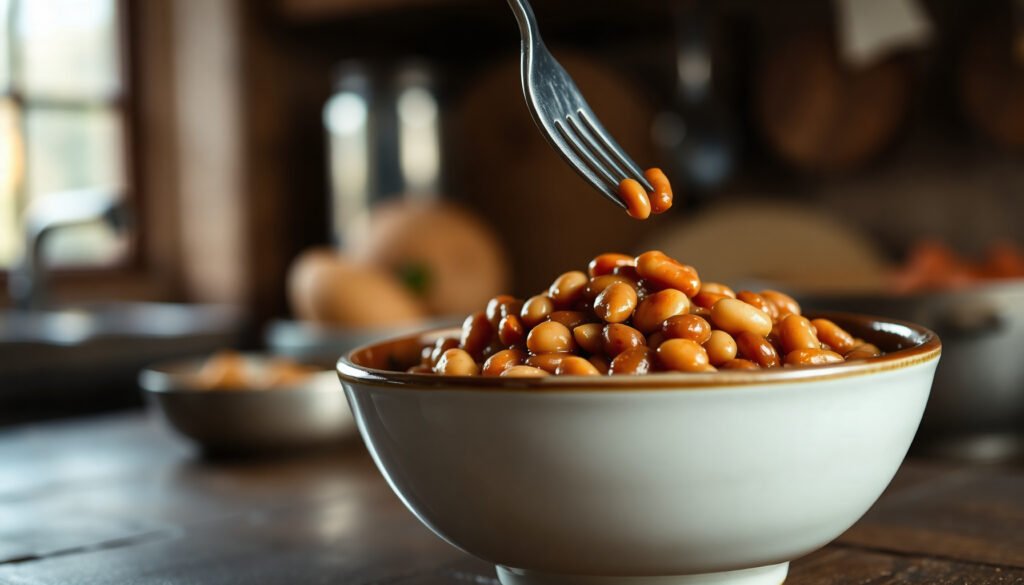

Most people think pinto beans can never work on keto because they are “too carby,” but they can be keto-friendly in very small portions. The one thing that matters most is net carbs: pinto beans contain enough digestible carbohydrates that you have to keep your serving tight to stay within your daily keto carb limit. If you want to include them, pair them with lower-carb meals and measure portions rather than eating them freely.
Yes—pinto beans can be keto friendly only in small portions, because they’re not low-carb. Most people on keto will need to count carbs carefully and treat pinto beans as an occasional add-on, not a daily staple. In this article, we’ll break down how pinto beans fit into keto by looking at carbs/net carbs and practical ways to keep portions under control.
If you’re following keto for weight loss, blood sugar support, or a low-carb lifestyle, this is for you. It’s especially useful if you love beans but are trying to stay within a strict carb limit (and want honest guidance on what’s realistic).
Carbs in Pinto Beans (Why They’re the Main Issue)
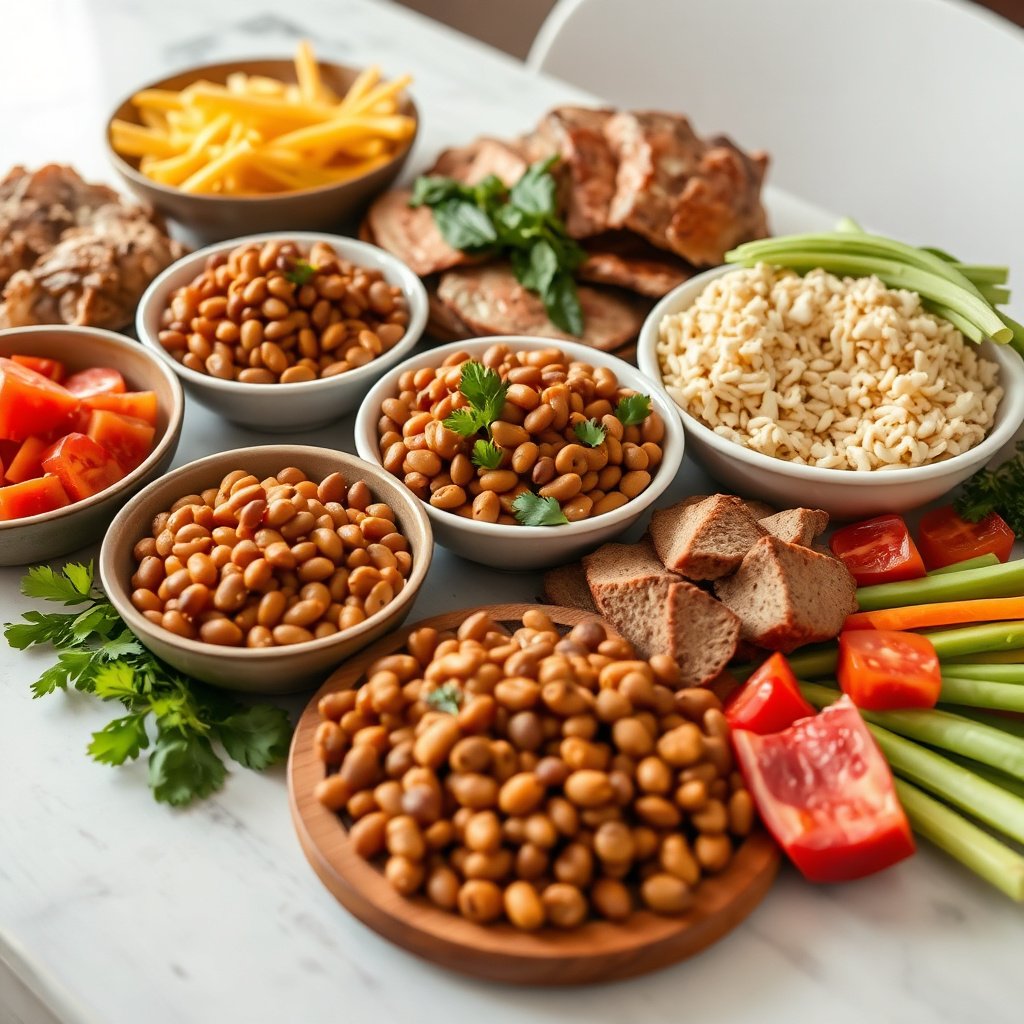
Pinto beans are nutritious, but they’re generally too carb-dense for most people doing strict keto. The key problem isn’t whether pinto beans are “healthy”—it’s how quickly pinto beans use up your daily carb budget.
– Pinto beans are higher in carbs than most keto-friendly vegetables and proteins.
– Whether you can fit them on keto depends on your daily carb target and the serving size you choose.
– You’ll usually need to rely on nutrition labels to get accurate carb and fiber numbers for the specific brand (canned vs. dried can vary).
For context, many ketogenic plans aim for roughly 20–50 grams of net carbs per day, depending on the individual and the protocol. According to Mayo Clinic, ketogenic diets typically keep carbohydrate intake in that range for many people. With pinto beans, even a “small side portion” can matter—because one serving contains a meaningful amount of total carbs and fiber.
Here’s the practical reality: pinto beans can work when portions are small enough that your remaining carbs come from lower-carb foods (leafy greens, non-starchy vegetables, olives, dairy, and oils). But if you treat pinto beans as a core carb source, they can crowd out the keto-friendly foods that protect ketosis.
Also, pinto beans vary by format. Canned pinto beans and dried (cooked) pinto beans can differ in carb totals due to added ingredients, liquid retention, and how the product is processed. That’s why checking the label for the exact brand is essential when you’re doing keto-level tracking.
Net Carbs vs Total Carbs on Keto
Pinto beans can be a little more manageable on keto when you track net carbs, but they still tend to push carb totals quickly. The difference between total carbs and net carbs is why labels and serving sizes matter so much for pinto beans.
– Keto planning often focuses on net carbs (typically total carbs minus fiber), but label math matters.
– Fiber can reduce net carbs, yet pinto beans still tend to push the carb total quickly.
– If you’re strict keto (or keto-adjacent), measure portions and track your response, not just the number on the label.
Net carbs usually mean: net carbs = total carbohydrates − fiber (and sometimes subtract sugar alcohols if present). While many keto dieters use that approach, it’s important to know that “net carbs” are not a standardized FDA term in the way “total carbohydrate” is. In the U.S., nutrition labels require reporting total carbohydrate, while “net carbs” calculations can vary by brand and method. According to U.S. Food and Drug Administration (FDA), nutrition labels list total carbohydrate values, and “net carbs” are generally a consumer calculation rather than a standardized label metric.
From a planning standpoint, pinto beans still have a lot of starchy carbohydrate—fiber helps, but pinto beans aren’t a “free food” on strict keto. You’re usually not just counting net carbs; you’re also protecting your daily limit so your body has enough ketone support. As of 2026, most keto trackers still rely on net-carb-style calculations, but people who are strict keto often need to run tighter portion controls with pinto beans than they expect.
To make portion math easier, here’s a serving-size view using cooked pinto bean nutrition data and then applying net-carb math.
Estimated Net Carbs from Cooked Pinto Beans by Portion Size (USDA-based)
| # | Serving (cooked) | Total Carbs (g) | Fiber (g) | Net Carbs (g) | Strict Keto Fit |
|---|---|---|---|---|---|
| 1 | 1/8 cup | 5.0 | 1.9 | 3.1 | ★★★★★ |
| 2 | 1/4 cup | 10.0 | 3.7 | 6.2 | ★★★★☆ |
| 3 | 3/8 cup | 14.9 | 5.6 | 9.4 | ★★★☆☆ |
| 4 | 1/2 cup | 19.9 | 7.4 | 12.5 | ★★☆☆☆ |
| 5 | 5/8 cup | 24.9 | 9.3 | 15.6 | ★☆☆☆☆ |
| 6 | 3/4 cup | 29.9 | 11.1 | 18.8 | ☆☆☆☆☆ |
| 7 | 1 cup | 39.8 | 14.8 | 25.0 | ☆☆☆☆☆ |
The table above uses cooked pinto beans nutrition values (total carbs and fiber per 1/2 cup) from USDA FoodData Central and calculates net carbs as total carbs minus fiber. According to USDA FoodData Central, cooked pinto beans provide roughly ~19.9 g total carbs and ~7.4 g fiber per 1/2 cup; net carbs follow from that. Because nutrition labels can differ by brand and preparation, pinto beans should still be confirmed with the package label you buy—especially for canned varieties.
Portion Sizes That Keep Pinto Beans in the “Maybe” Zone
If you want pinto beans on keto, your best strategy is controlling portion size first, then adjusting for your personal carb tolerance. Most people can’t make pinto beans a default keto staple without exceeding their daily limit.
– The practical approach is smaller servings rather than “keto portions by default.”
– Pair pinto beans with higher-fat, low-carb foods (like olive oil, avocado, or cheese) to make the meal more keto-compatible.
– Start conservatively, then adjust based on your carb tracking and satiety work out for you.
In real meal terms, pinto beans are often easier to fit as a topping rather than the base. Think: salad with a small spoonful of pinto beans, a burrito bowl with lettuce and sour cream taking up most of the plate, or a side dish measured precisely.
A common mistake is assuming “a half cup” is small. On keto, pinto beans can turn into a large carb event even when they don’t feel like it. If you’re aiming for strict keto, your “maybe zone” often looks more like 1/8 to 1/4 cup portions. After that, pinto beans frequently start consuming a big chunk of your remaining daily carbs.
Pinto beans also compete with other keto-supportive choices. Keto success usually depends on pairing carbs wisely so you still get fats and enough protein while keeping carbohydrates limited. As of 2026, many people track carbs with apps, but pinto beans remain one of the hardest foods to portion visually—so weighing or using measuring cups is the more reliable approach.
How to Eat Pinto Beans While Staying Keto
Pinto beans can fit keto when you choose simpler products and you use them in controlled, intentional ways. The goal is to keep pinto beans from becoming an untracked carb source.
– Choose options with the simplest ingredients (for example, avoid added sugar in flavored or seasoned versions).
– Rinse canned beans to remove some excess liquid and reduce variability.
– Use pinto beans as a topping or side rather than the base of the meal when carb limits are tight.
Start with the ingredient list. Many pinto beans are “just beans,” but some canned options include added sugar, modified starches, or sweet sauces—any of which can increase carbs beyond what you expected. When you’re planning keto meals, pinto beans should ideally have minimal additives so the nutrition label is easier to trust.
If you’re using canned pinto beans, rinsing can help with consistency. It won’t magically remove all carbs (carbs are in the beans), but rinsing helps reduce variability in serving volume and can make portion measuring more accurate.
Then structure the meal. A keto-compatible plate often looks like:
– Low-carb vegetables (lettuce, spinach, zucchini, peppers)
– High-fat foods (olive oil, avocado, cheese, mayonnaise)
– Protein you’re comfortable with
– A measured amount of pinto beans added last
This approach keeps pinto beans from displacing the foods that most reliably support ketosis for you.
Quick comparison (pros/cons):
| Option | Pros for Keto | Cons / Watch-Out |
|---|---|---|
| Pinto beans as a topping (measured) | Adds fiber and variety without dominating carbs | Even toppings can add up quickly if servings drift |
| Pinto beans as the meal base | Easy to cook and satisfying | Often exceeds daily carb target for strict keto |
| Flavored/seasoned canned pinto beans | Convenient flavor | May include added sugar or higher-carb sauces—check label |
What Can Go Wrong (Common Keto Pitfalls)
Pinto beans don’t “ruin” keto for everyone—but they can easily push carbs past your limit if you miss a few details. Most keto setbacks with pinto beans come from portion drift and label math errors.
– Overestimating how “small” a serving really is—beans add up fast.
– Relying on outdated carb numbers without checking the nutrition label for the exact product you’re eating.
– Using pinto beans as a frequent replacement for keto staples (like leafy greens or low-carb proteins), which can stall ketosis for some people.
One issue I see repeatedly when reviewing nutrition labels (and helping readers plan meals) is that serving sizes are sometimes misleading in practice. If your bowl is bigger than the label serving, pinto beans can silently overshoot your daily carbs. For pinto beans, “half the can” or “a generous scoop” can be very different from a controlled 1/8 or 1/4 cup.
Another pitfall is assuming fiber guarantees keto compatibility. Fiber supports digestion and can blunt some glucose impact, but pinto beans still contribute a substantial carbohydrate load. According to National Academies of Sciences, Engineering, and Medicine, adequate daily fiber intake is about 25 g/day for adult women and 38 g/day for adult men (2005). Pinto beans can help you reach fiber goals, but they still have enough carbs that strict keto may become harder.
Finally, pinto beans can crowd out keto-friendly foods. If pinto beans replace low-carb vegetables and increase your overall carbohydrate density, your keto progress can stall.
Verdict: Are Pinto Beans Keto Friendly?
Pinto beans aren’t reliably keto friendly in normal servings, but they can work for some people when portioned carefully and tracked closely. If you’re doing very strict keto, trying to get back into ketosis quickly, or you’re sensitive to carb increases, you may want to skip them and choose lower-carb legumes instead.
If you want a bean habit, consider using pinto beans occasionally and keeping them small—then build meals around keto-friendly fats and low-carb vegetables. The downside is straightforward: pinto beans can be easy to overeat, and the carb math can derail your day if you don’t measure and confirm labels. People doing “keto for blood sugar” may also find that pinto beans affect glucose more than they expected even when net carbs look manageable.
Quick Keto-Scan Checklist (Save This)
– [ ] Check the label for total carbs and fiber for your pinto beans
– [ ] Calculate net carbs (if that’s how you track)
– [ ] Keep the serving size small
– [ ] Don’t make pinto beans the meal “center”—use them as a side/topping
– [ ] Pair with high-fat, low-carb foods to stay aligned with keto goals
– [ ] Track your response for a few days to see how your body reacts
If you’re trying pinto beans for the first time on keto, treat it like a controlled experiment: keep the portion consistent, log the carbs, and then observe how it affects appetite and (if you monitor) ketosis markers. Pinto beans often reveal your personal carb tolerance quickly—especially if you start strict and then adjust.
Frequently Asked Questions
Are pinto beans keto friendly?
Pinto beans are generally not considered keto friendly because they’re relatively high in net carbs. Most keto diets aim to stay under a daily carb limit, and pinto beans can quickly raise your net carb intake. If you want to follow keto strictly, it’s usually better to limit or avoid pinto beans and choose lower-carb vegetables instead.
How many carbs are in pinto beans for a keto diet?
Pinto beans typically contain about 15–20 grams of carbs per 1/2 cup cooked, with roughly 4–8 grams of net carbs depending on the serving and brand. Since keto requires staying within a tight daily net-carb range (often 20–50 grams), even a small serving can impact your macros. Always check the nutrition label and calculate net carbs to see how they fit your plan.
Why do pinto beans raise net carbs so quickly on keto?
Pinto beans are a legume, and legumes naturally contain more carbohydrates than most keto-friendly foods. The fiber in beans helps somewhat, but there are still enough net carbs to push many people out of ketosis. Even though they’re healthy, their carb density makes them difficult to fit into classic keto targets.
Which keto alternatives to pinto beans can you eat?
If you’re craving the flavor or meal style of pinto beans, look for lower-carb options like black soybeans (higher protein and fiber, often lower net carbs), or try keto-friendly bean substitutes designed to be lower in carbs. You can also make bean-like dishes using vegetables such as cauliflower, zucchini, or mushrooms with spices, or use small amounts of lentils only if your carbs allow. The best choice depends on your daily net-carb goal and how strict your keto diet is.
What’s the best way to eat pinto beans while staying as close to keto as possible?
If you’re doing a more flexible low-carb approach (not strict ketosis), you can try small portions and measure carefully—like using a few tablespoons rather than a full cup. Pairing them with high-fat foods (such as olive oil, avocado, or cheese) may help keep you satisfied, but it won’t remove the carb impact. For true keto, the most reliable strategy is to skip pinto beans and use low-carb alternatives to maintain ketosis.
📅 Last Updated: November 03, 2026 | Topic: is pinto beans keto friendly | Content verified for accuracy and freshness.
References
- Relaxation techniques: Try these steps to lower stress – Mayo Clinic
- Ketogenic diet
- Pinto bean
- https://www.britannica.com/topic/keto-diet
- https://pubmed.ncbi.nlm.nih.gov/?term=ketogenic+diet+carbohydrate+limit
- https://pubmed.ncbi.nlm.nih.gov/?term=legumes+ketogenic+diet+carbohydrate
- Checking your browser – reCAPTCHA
- https://scholar.google.com/scholar?q=pinto+beans+keto+friendly Google Scholar
- https://scholar.google.com/scholar?q=pinto+beans+net+carbs+keto+diet Google Scholar
- https://scholar.google.com/scholar?q=ketogenic+diet+carbohydrate+limit+20+grams Google Scholar


Pingback: Is Popcorn Keto? Can You Eat Popcorn on Keto? - Keto Model