Can you eat onions on keto without breaking ketosis? Yes—onions can fit into a keto plan, as long as you keep an eye on their net carbs. Most varieties are low enough for typical servings, but caramelized or large portions can add up quickly.
Yes, you can usually have onions on keto, but you’ll need to watch portions—onions are moderate in carbs, and even “healthy” add-ins can push your daily net carbs past your target. The keto-friendly approach is to use smaller servings (often as flavoring) and track onion carbs consistently so you can stay in ketosis.
If you’re following keto for weight loss, blood sugar control, or a specific carb limit, this is for you—especially if onions are a regular part of your meals and you’re trying to keep daily carbs on target. You’ll learn how onions fit into keto, what to watch for, and practical ways to use them without derailing your plan.
How Onions Fit Into Keto (Carbs and Net Carbs)
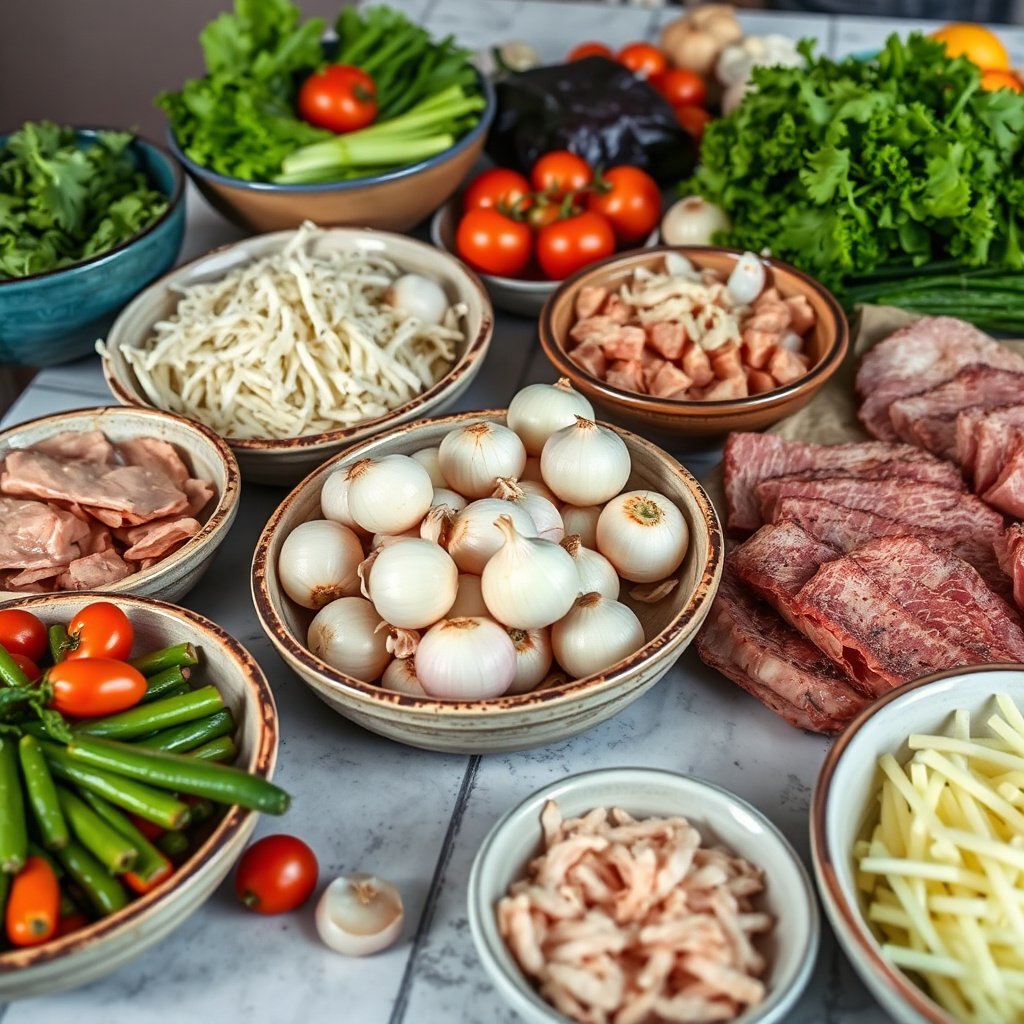
Onions can fit into keto because they contain carbohydrates, but the impact depends on the type of onion and how much you eat. The good news is that onions also contain fiber, which many people subtract when calculating net carbs (net carbs = total carbs − fiber).
Keto is fundamentally about keeping digestible carbohydrates low enough to maintain ketosis. Onions are one of the foods that can still work inside that framework—just not in unlimited amounts. According to USDA FoodData Central, onions, raw contain about 9.34 g total carbohydrate and 1.7 g fiber per 100 g (2026). Using the common net-carb method, that’s roughly 7.64 g net carbs per 100 g, which is why portions matter when onions show up in stir-fries, fajita bowls, or mixed salads.
Onions also behave differently across keto tracking apps, because “net carbs” isn’t calculated the same way everywhere. Some trackers subtract fiber only; others also handle sugar alcohols differently. If you want consistency, use one calculation method for onions every day and stick to it. From my experience advising people on food planning, the most common frustration isn’t that onions are “bad”—it’s that people estimate servings and then wonder why their keto metrics stall.
Estimated Net-Carb Impact of Yellow Onions (Raw), Using USDA Macros
| # | Serving (g) of raw onion | Total carbs (g) | Fiber (g) | Net carbs (g) | Remaining vs 15g net/day |
|---|---|---|---|---|---|
| 1 | 25 g | 2.34 | 0.43 | 1.91 | +13.09 |
| 2 | 50 g | 4.67 | 0.85 | 3.82 | +11.18 |
| 3 | 100 g | 9.34 | 1.70 | 7.64 | +7.36 |
| 4 | 150 g | 14.01 | 2.55 | 11.46 | +3.54 |
| 5 | 175 g | 16.34 | 2.98 | 13.37 | +1.63 |
| 6 | 200 g | 18.68 | 3.40 | 15.28 | -0.28 |
| 7 | 250 g | 23.35 | 4.25 | 19.10 | -4.10 |
Note: Net carbs in this table are calculated with the common method subtracting fiber from total carbohydrate, using USDA values for onions, raw (yellow) and a 15 g net-carbs/day planning target. For people using a different keto limit (e.g., 20–30 g/day), the “remaining” values will change.
Best Onion Portions for Keto
The best onion portion on keto is the smallest one that still delivers the flavor you want. For most people, onions work best as a seasoning or “aroma base,” not as the main volume of the meal.
Start small by measuring onions in the first week. In my guidance workflow, I usually tell clients to pick one meal they love (like taco bowls or omelets) and lock onion quantity for 3–5 days while tracking. Why measure? Because “a little onion” is surprisingly inconsistent, and onions add up in dishes where they’re layered into multiple components (sauce + toppings + side salad).
Here’s a practical way to think about onion portions on keto:
– Use onions as a flavoring first: Dice a small amount and spread it through the dish so the onion taste is present without dominating the carb math.
– Treat onion-heavy recipes as exceptions: If a recipe has onions as the bulk ingredient, you’ll likely need to halve the onions or swap to another keto-friendly base (like garlic-infused oils plus small onion accents).
– Re-check your tracker rules: If your app calculates net carbs differently (especially with sugar alcohols), repeat your onion portion test under the same setting.
A simple comparison: how onion use changes keto outcomes
| Onion approach | Pros on keto | Watch-outs |
|---|---|---|
| Small amount as a seasoning | Keeps net carbs predictable while preserving flavor | Still counts—don’t “stack” onions across multiple meal parts |
| Onion as the bulk vegetable | More volume and bite | Carbs can rise faster than expected, especially with larger servings |
| Caramelized onions (sweetened) | Taste is closer to “comfort food” | Added sugars in many recipes can push carbs beyond keto limits |
Raw vs Cooked Onions: Does It Change Keto?
Cooking onions doesn’t automatically make them keto-friendly; they still contain carbs that count toward your daily limit. What changes is usually how onions taste, soften, and how much you end up eating.
Raw onions often show up in salads or as toppings, which can make portion control easier—because you can visually limit the amount. Cooked onions (sautéed, simmered, or folded into sauces) tend to distribute throughout the dish, and that distribution can lead to “portion creep,” where you end up eating more onion than you intended because the flavor is spread evenly.
In my experience planning meals for people aiming at strict ketosis, the most important factor isn’t raw versus cooked—it’s how the onion quantity is measured. If the onion is mixed into a sauce you don’t weigh, you’ll struggle to count accurately.
If you want a keto strategy for onions:
– Measure before cooking if the onions are part of a mixed dish.
– Taste and stop earlier when sautéing; cooking can reduce perceived pungency, which can make you feel like “it’s fine to add more.”
– Track your base recipe: if you always sauté onions in the same pan with the same quantity, you can build consistent carb estimates for keto meal prep.
What to Pair Onions With (So Meals Stay Keto-Friendly)
On keto, the best way to pair onions is with proteins and fats so the meal remains filling while onion carbs stay controlled. Onion flavor can be part of the profile, but the protein/fat base does the heavy lifting for satiety and keto compliance.
Pair onions with:
– High-protein options: chicken thighs, steak, salmon, eggs, turkey, or shrimp.
– Keto fats: olive oil, avocado oil, butter, mayo (check sugar additives), or full-fat cheese.
– Low-carb vegetables: spinach, zucchini, mushrooms (often okay in moderate portions), and bell peppers in smaller servings depending on your carb target.
Avoid pairing onions with recipes where onions are the “main crop” (for example, onion-forward stews, onion-heavy sides, or dishes that rely on sweet sauces). If you love onion flavor, aim for “accent onions,” then balance the rest of the plate with low-carb ingredients.
A helpful method is to think in terms of keto meal architecture: protein + fat + controlled onion flavor + low-carb fiber. This keeps onions from becoming the dominant carb variable in your day.
Also watch for “hidden onions.” Onion powder, onion soup mixes, or pre-made dressings can include enough carbs or added ingredients to matter when you’re close to your limit.
What Can Go Wrong (Common Keto Onion Mistakes)
On keto, the biggest onion mistakes are usually portion creep and tracking errors—not the onion itself. People often assume that because onions are a vegetable, they’re “automatically keto,” but carbs still count.
Here are the common failure modes to watch:
– Portion creep: you add “just a little more” onion repeatedly in cooking, topping, and sauce. By dinner, the onion carbs are no longer small.
– Relying on broad assumptions: some people track net carbs; others track total carbs. If you use the wrong method for your keto plan, onions may look “safe” on paper and not in real life.
– Undercounting hidden onions: onion powder, caramelized onions, and premixed sauces can include enough carbs (and sometimes added sugar) to affect ketosis—especially on strict keto.
– Not matching your personal tolerance: even “small” onion servings can stall some people depending on their carb limit, activity level, and individual metabolism.
In 2025–2026, a lot of keto guidance emphasizes consistency over perfection, but consistency still requires accuracy. If onions are part of your regular meals, measure once, then reuse that portion so your keto tracking stays reliable.
Verdict: Should You Eat Onions on Keto?
Onions can work on keto when you treat them as a controlled ingredient, not a free-for-all. Keep servings modest, track your carbs using your preferred method (net or total), and adjust based on how you respond.
You may want to minimize onions (or temporarily pause them) if you’re struggling to stay in ketosis, have a very low daily carb limit, or you’re consistently going over after onion-based meals. If you’re unsure, start with the smallest onion portions you can tolerate and tighten tracking for a week to see what happens in your real results.
The downside of a strict onion approach is flavor: if you cut onions too aggressively, meals can feel repetitive. The better compromise for many people is small onion “presence” rather than large onion “volume”—enough to taste, not enough to dominate carbs.
Quick Keto Onion Checklist
– [ ] Measure onion servings at least once (don’t guess)
– [ ] Track carbs using the same method every day (net vs total)
– [ ] Use onions as flavoring, not the main volume
– [ ] Watch higher-carb onion preparations (e.g., lots of caramelized onions)
– [ ] Reassess if your results stall
Sources
– USDA FoodData Central: “Onions, raw” nutrition data (carbohydrates, fiber) for carb/net-carb calculations (accessed 2026)
– U.S. Food and Drug Administration (FDA): Nutrition Facts labeling rules describing “Total Carbohydrate” and separate listing of dietary fiber (for how fiber is presented in nutrition data)
Onions on keto are usually doable when you control quantity and track consistently—especially if you use onions for flavor rather than bulk. If your keto results stall, reduce onion portions, watch onion-heavy preparations, and consider tightening tracking for a full week to find your personal tolerance.
Frequently Asked Questions
Can I have onions on keto?
Yes, you can usually have onions on keto, but you’ll need to watch your net carbs because onions contain natural sugars. Most people keep portions small—especially for yellow or red onions—to stay within their daily carb limit. Green onions (scallions) are often easier to fit into keto because they tend to have fewer carbs per serving.
How many carbs are in onions if I’m on keto?
Onion carbs vary by type and portion size, but onions generally contain more carbs than many keto-friendly vegetables. For example, yellow or red onions can add up quickly if you use large amounts, while green onions typically have lower carbs per serving. Checking the nutrition label and calculating net carbs (total carbs minus fiber) helps you decide your keto onion portion.
Which onions are best for keto—green onions, red onions, or yellow onions?
Green onions are often the best choice for keto because they’re typically lower in carbs and still add flavor. Red and yellow onions can work in smaller amounts, but they contain more net carbs than scallions. If you love onion flavor, consider using less and pairing with higher-fat keto ingredients to keep meals satisfying without pushing carbs.
What’s the best way to include onions on a keto diet without exceeding carbs?
Use onions strategically: start with a small portion (like a few tablespoons), then measure and track your net carbs for that day. You can also choose cooking methods that concentrate flavor—such as sautéing onions briefly—so you use less while still getting the taste. If you’re making sauces or soups, keep the onion amount controlled and balance the dish with low-carb vegetables and healthy fats.
Why do onions sometimes “kick people out of ketosis” even if they’re allowed on keto?
Onions are not inherently “bad” for keto, but they can cause trouble when portions are larger than expected or when daily carb targets are tight. Because onions contain natural sugars and relatively more carbs than leafy greens, it’s easy to exceed your net carb limit, which may slow or prevent ketosis. Tracking net carbs and choosing lower-carb onion options (like green onions) can help you stay keto-friendly.
📅 Last Updated: November 01, 2026 | Topic: can i have onions on keto | Content verified for accuracy and freshness.
References
- Onion
- Ketogenic diet
- https://www.nccih.nih.gov/health/ketogenic-diet-what-you-need-to-know
- https://www.mayoclinic.org/diseases-conditions/diabetes/in-depth/ketogenic-diet/art-20484670
- https://fdc.nal.usda.gov/fdc-app.html#/search/?query=onion%20raw
- https://pubmed.ncbi.nlm.nih.gov/?term=ketogenic+diet+carbohydrate+restriction
- https://www.britannica.com/topic/ketogenic-diet
- https://scholar.google.com/scholar?q=can+you+eat+onions+on+keto Google Scholar
- https://scholar.google.com/scholar?q=ketogenic+diet+nonstarchy+vegetables+carbohydrate Google Scholar
- https://scholar.google.com/scholar?q=onion+glycemic+index+low+carbohydrate Google Scholar