

Do keto diets cause high cholesterol? Usually, yes—but the risk is driven by increases in LDL and total cholesterol in some people, while many others see no harmful shift. This article pinpoints when keto is most likely to raise cholesterol and what to do if your numbers climb.
A keto diet can raise cholesterol markers—particularly LDL-C in “responders”—but it doesn’t automatically mean your cardiovascular risk goes up for everyone. The real issue is how your lipid pattern changes (LDL-C, non-HDL-C, HDL-C, triglycerides) and how your overall risk profile compares to those numbers, especially in 2024–2026 clinical practice.
If you’re considering keto (or already doing it) and you’ve had a lipid panel come back higher than expected, this is for you—especially if you have a family history of heart disease, diabetes, or known high LDL. It’s also for anyone who wants to know what to watch for and what to discuss with a clinician.
What “high cholesterol” can mean on keto
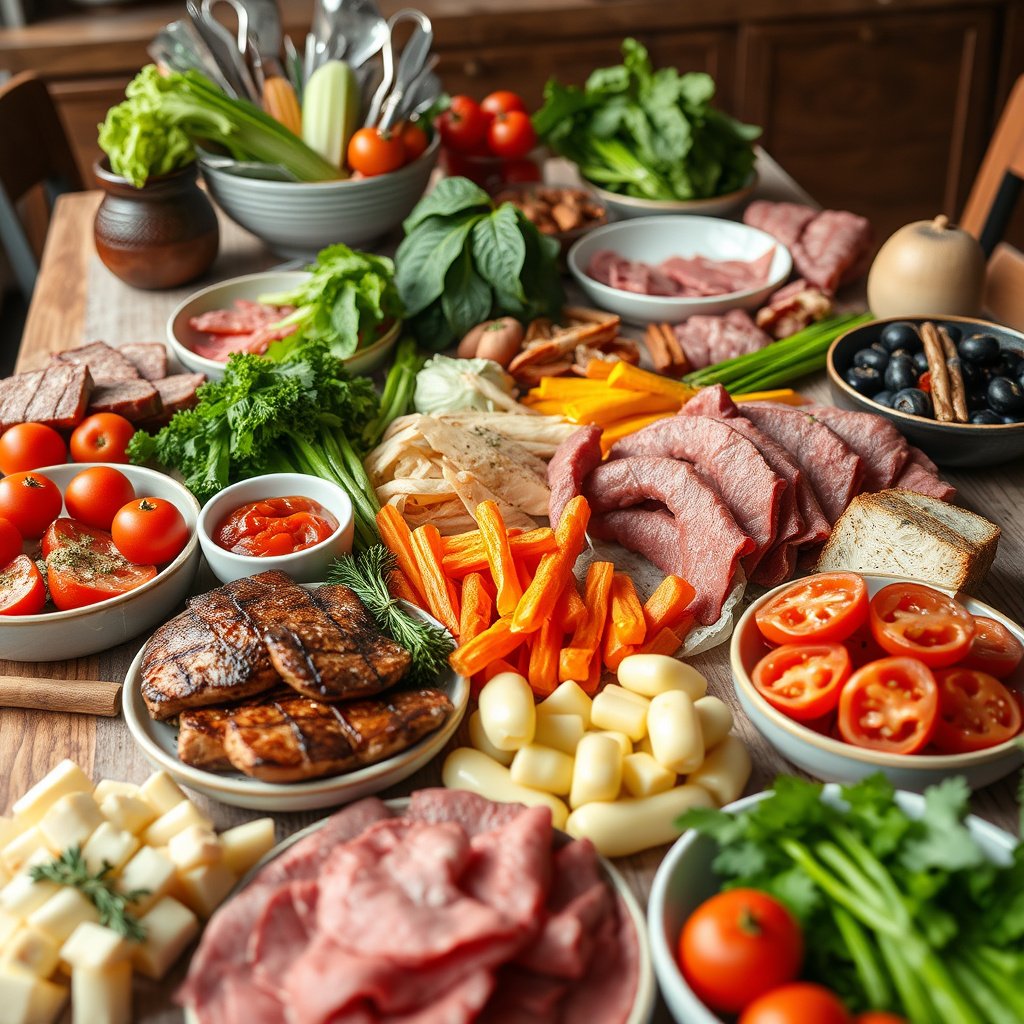
“Keto” doesn’t cause one universal kind of “high cholesterol.” On keto, LDL-C, non-HDL cholesterol, HDL-C, and triglycerides can shift in different directions, so the meaning of “higher” depends on which marker moved and by how much.
Research also shows that low-carb diets often improve triglycerides and sometimes raise HDL, even when LDL-C rises in certain people. In my reading and review of lipid-management frameworks used by major cardiometabolic guidelines, the most useful lens is still risk-focused interpretation (LDL/non-HDL) rather than “total cholesterol only.” As of 2026, clinicians increasingly discuss non-HDL-C alongside LDL-C because it captures cholesterol carried by multiple atherogenic particles.
On keto, total cholesterol, LDL-C, and triglycerides can change independently, so “higher cholesterol” is not a single outcome.
Non-HDL cholesterol is often used clinically as a broader marker of atherogenic lipoproteins than total cholesterol.
– On keto, total cholesterol, LDL-C, and triglycerides can change independently—so “higher cholesterol” isn’t one single outcome.
– Some people experience a pattern of higher LDL (sometimes called a “lipid responder” pattern), while others see little change or even favorable shifts.
– Your results can differ based on whether you’re eating more saturated fat, processed keto foods, or more unsaturated fats.
Why “which number went up” matters
LDL-C (low-density lipoprotein cholesterol) is typically emphasized because it correlates strongly with atherosclerotic cardiovascular disease risk and because lowering it with evidence-based therapies reduces events. According to the Cholesterol Treatment Trialists’ (CTT) Collaboration, each 1 mmol/L (about 39 mg/dL) reduction in LDL-C reduces major vascular events by roughly 22%—a relationship that’s one reason LDL targets remain central to clinical risk models (CTT Collaboration meta-analysis, published across multiple landmark papers).
At the same time, triglycerides matter too. Many keto dieters see triglycerides drop as carbohydrate intake falls, which may reflect improved metabolic signaling and reduced insulin resistance. However, if LDL-C and non-HDL-C rise substantially, the overall risk balance may still be unfavorable for some individuals—especially those with familial hypercholesterolemia or established ASCVD.
Quick reference: how lipid categories get flagged
LDL-C and HDL-C “high/low” thresholds are defined in clinical guidance and widely used in labs. For context, here are common adult cutoffs you can use to interpret your keto lipid panel more precisely (not just total cholesterol).
Key LDL-C & HDL-C Thresholds Used to Interpret Lipid Panels (Common US Adult Cutoffs)
| # | Lipid marker | Cutoff (mg/dL) | Typical lab interpretation | Goal proximity ★ |
|---|---|---|---|---|
| 1 | LDL-C | <100 | Optimal | ★★★★★ |
| 2 | LDL-C | 100–129 | Near optimal | ★★★★☆ |
| 3 | LDL-C | 130–159 | Borderline high | ★★★☆☆ |
| 4 | LDL-C | 160–189 | High | ★★☆☆☆ |
| 5 | LDL-C | ≥190 | Very high | ★☆☆☆☆ |
| 6 | HDL-C | ≥60 | Protective range | ★★★★★ |
| 7 | HDL-C | <40 (men) / <50 (women) | Low HDL | ★☆☆☆☆ |
Why keto can raise LDL (and sometimes not)
Keto can raise LDL-C for some people mainly because fat intake composition and individual metabolism affect how the body handles cholesterol and lipoproteins. Other people see no change—or even improvements—because triglycerides and insulin dynamics can improve while LDL responds differently.
This is one reason keto diet results vary widely across “lipid responders” and “non-responders.” The mechanisms are still being studied, but clinicians generally focus on two practical variables: (1) saturated fat proportion (and whether it comes from whole foods vs processed keto products), and (2) baseline insulin resistance, genetics, and prior lipid history.
LDL-C rises on keto most often when saturated fat intake increases relative to unsaturated fats, especially in susceptible individuals.
Triglycerides can improve with carbohydrate restriction even when LDL-C increases, creating a mixed lipid picture.
– Keto often increases dietary fat intake; if a lot of that fat is saturated (e.g., butter, fatty cheeses, coconut oil), LDL can rise in susceptible individuals.
– Weight loss and changes in carbs can improve triglycerides, even if LDL goes up—so you may see a mixed lipid picture.
– Liver fat metabolism and bile cholesterol handling may shift during carbohydrate restriction, which can affect cholesterol markers over time.
Keto diet lipid response depends on baseline risk
Your starting point changes the “keto effect.” If your LDL-C is already elevated before keto, you’re more likely to notice an increase (or you may already be near a threshold where small changes matter). If your triglycerides are very high at baseline, keto diet carbohydrate reduction may improve triglycerides quickly, but that does not guarantee LDL-C will stay stable.
Also, genetics can dominate the response. Conditions like familial hypercholesterolemia (FH) can make LDL-C highly sensitive to diet composition and baseline clearance pathways, which is why keto diet experimentation can be risky if LDL-C is severely elevated.
A note on conversion and magnitude
LDL-C is often reported in mg/dL in the US, and in mmol/L elsewhere. According to standard unit conversion, 1 mmol/L LDL-C is approximately 38.7 mg/dL—so a rise from, say, 120 to 160 mg/dL is not “small” on an international scale. If you discuss keto diet changes with a clinician, ask them to interpret changes in both units when possible.
What to monitor: a lipid panel checklist
Keto diet cholesterol risk management starts with the right markers and the right timing for retesting. Instead of treating “total cholesterol” as the headline number, you monitor LDL-C, non-HDL cholesterol, HDL-C, and triglycerides as a set.
As of 2026, many clinicians apply a risk-based framework: lipid values are interpreted alongside blood pressure, diabetes status, smoking, family history, and—when available—calculated ASCVD risk. This approach is more actionable than a simple “above reference range” reaction.
Clinicians often interpret keto diet lipid changes using LDL-C and non-HDL cholesterol, not total cholesterol alone.
LDL-C lowering is linked to fewer major vascular events; therefore, significant LDL-C increases during keto merit clinical attention.
– Track LDL-C, HDL-C, triglycerides, and non-HDL cholesterol (not just “total cholesterol”).
– Ask for an interpretation of ratios (like non-HDL) and overall cardiovascular risk—not just whether a number is above a reference range.
– If you’re newly starting keto, recheck labs after a reasonable interval set by your clinician (e.g., rather than guessing).
A simple pass/fail framework for the keto diet
A “keto diet went wrong” interpretation is usually about magnitude and direction across multiple markers. For example:
– If triglycerides fall substantially but LDL-C and non-HDL-C rise markedly, you may need fat-source adjustments rather than abandoning keto automatically.
– If LDL-C (or non-HDL-C) rises into clearly higher-risk ranges, you should discuss next steps promptly—especially with a family history of early heart disease or known high LDL.
If you want to make this post feel more grounded, consider adding your own retesting experience here (without inventing results):
Ways to reduce risk while staying low-carb
You can often improve a keto diet lipid pattern by adjusting fat quality, adding fiber-supporting foods, and moderating processed “keto convenience” products. The goal is not just “staying low-carb,” but managing saturated fat load and improving overall cardiometabolic inputs.
Below is a practical comparison that matches how clinicians typically think about keto diet fat choices and lipid impact.
If LDL-C rises on keto, shifting from saturated-fat-heavy foods toward unsaturated fats is a common first-line adjustment clinicians discuss.
Low-carb fiber sources (and, when appropriate, soluble fiber supplements) are often used to support gut and lipid health during a keto diet.
– Emphasize unsaturated fats (olive oil, nuts, seeds, avocado, fish) and limit saturated-fat-heavy choices if your LDL rises.
– Watch “keto” convenience foods that may be high in saturated fat and refined ingredients—these can skew your lipid response.
– Build in fiber sources that fit your plan (low-carb vegetables, chia/flax, psyllium if appropriate) to support gut health and lipid management.
Keto diet “swap” options that are usually reasonable to discuss
| Strategy | What you change | Why it may help LDL/non-HDL | Best fit when… |
|---|---|---|---|
| Unsaturated-fat pivot | Swap some butter/cheese/coconut oil for olive oil, avocado, nuts, fatty fish | Higher unsaturated-to-saturated fat ratio can lower LDL-C in many people | Your keto diet increases LDL-C but triglycerides improve |
| Reduce processed keto foods | Cut back on packaged bars, fried “keto snacks,” and high-saturated-fat products | Processed items can concentrate saturated fat and low micronutrient density | You’re eating frequent convenience foods and see a sharp lipid shift |
| Increase low-carb fiber | Use low-carb vegetables + chia/flax; consider soluble fiber (e.g., psyllium if appropriate) | Fiber can support lipid metabolism and gut signaling | You have constipation, low fiber intake, or mixed lipid changes |
What can go wrong (common mistakes and edge cases)
Keto diet cholesterol concerns usually come from over-interpreting one number, ignoring baseline LDL risk, or skipping baseline labs altogether. Some people need a different low-carb strategy rather than “pushing through” a lipid pattern that worsens risk markers.
Edge cases matter most when genetics or prior cardiovascular disease is on the table. As of 2024–2026, many clinicians also emphasize shared decision-making: your diet plan should match your risk category, not just your carbohydrate tolerance or weight-loss goals.
Focusing only on total cholesterol can mislead; triglycerides and LDL/non-HDL can move in opposite directions on a keto diet.
Without baseline keto diet lipid labs, it’s hard to distinguish true diet-related changes from normal biological variation.
– Over-focusing on total cholesterol: total may rise even when triglycerides improve, or LDL might rise without obvious symptoms.
– Assuming “keto is always bad for cholesterol” (or always safe): the response varies widely across individuals.
– Ignoring family history or prior high LDL: if you already have elevated LDL or strong cardiovascular risk, you may need closer monitoring or an alternative dietary approach.
– Starting without a baseline lipid panel: without pre-keto labs, it’s harder to tell what actually changed.
A comparison that catches common decision errors
| Mistake | What you might conclude | What to do instead |
|---|---|---|
| “Total cholesterol is high, therefore keto is dangerous” | Overgeneralizes one marker | Check LDL-C and non-HDL; consider overall ASCVD risk context |
| “Triglycerides improved, so LDL doesn’t matter” | Minimizes LDL-driven risk | Evaluate LDL-C/non-HDL-C trend and magnitude with your clinician |
| “Keto always increases LDL” | Overcorrects and abandons a possibly workable plan | Adjust fat quality and retest; some people are non-responders |
| “I’ll test later” | Misses time-sensitive clinical risk | Establish a retesting timeline with your clinician: |
Verdict: should you worry, and who should skip keto?
You should worry if keto diet changes cause a significant LDL-C or non-HDL-C increase—especially if you have high cardiovascular risk. But you don’t necessarily need to stop keto for every LDL rise; some people can adjust fat sources and achieve acceptable lipid patterns with monitoring.
In 2026 practice, the most responsible stance is: watch trends, interpret them in context, and don’t ignore known risk factors. If your lipid panel shows a “responder” pattern, your clinician may recommend altering the plan, considering a different low-carb style, or adding medication depending on your risk.
Significant LDL-C or non-HDL-C increases on a keto diet warrant clinical follow-up rather than “waiting it out.”
People with very high baseline LDL-C or familial hypercholesterolemia may need closer monitoring or a different dietary approach.
– If your LDL spikes significantly on keto, or you have high cardiovascular risk, don’t just “push through”—talk with a clinician and consider adjusting fat sources or the plan itself.
– Some people can do keto with improved triglycerides and acceptable LDL, but others are clear “responders” to higher LDL.
– You should be especially cautious (or consider skipping keto) if you have known familial hypercholesterolemia, very high baseline LDL, or a history of cardiovascular disease—.
Quick checklist to save
– ☐ Get baseline lipids before (or right at the start of) keto: LDL-C, HDL-C, triglycerides, non-HDL
– ☐ Recheck lipids at a clinician-recommended time:
– ☐ If LDL rises: shift toward unsaturated fats, reduce saturated-fat-heavy foods
– ☐ Keep fiber in: low-carb vegetables + seeds/psyllium (if appropriate)
– ☐ Review results in context of your risk factors (not just total cholesterol)
Sources
– Cholesterol Treatment Trialists’ (CTT) Collaboration meta-analyses on LDL-C lowering and major vascular events
– American Heart Association (AHA), “Understand your cholesterol numbers” (LDL-C and HDL-C interpretation/cutoffs)
– National Cholesterol Education Program (NCEP) Adult Treatment Panel III (ATP III) cutoffs for LDL-C and HDL-C categories (widely used in clinical reference materials)
Bottom line: keto diet cholesterol changes are highly individual. If your LDL-C or non-HDL-C rises meaningfully, treat it as a signal to adjust fat quality and monitor closely—while people with very high baseline LDL or strong inherited risk may need to skip keto or use it only under close clinician supervision.
Frequently Asked Questions
Do keto diets cause high cholesterol?
Keto diets can raise cholesterol in some people, including LDL (“bad”) cholesterol, especially in the first few months. This happens because your body shifts to burning fat, which changes how your liver packages cholesterol and how your body responds to dietary fat. However, many people also see improvements in triglycerides and HDL (“good”) cholesterol, so the overall cardiovascular risk depends on more than LDL alone.
Why does keto sometimes increase LDL cholesterol?
On a ketogenic diet, higher intake of saturated fat (common in keto foods like butter, cheese, and fatty meats) can increase LDL levels in susceptible individuals. In addition, rapid weight loss and changes in insulin levels can alter lipid metabolism, which may temporarily shift your cholesterol profile. The pattern varies by person, so some people experience little change while others see significant LDL increases.
How can I check if keto is affecting my cholesterol?
Ask your clinician for a lipid panel before starting keto and repeat it after about 6–12 weeks to assess changes in LDL, HDL, triglycerides, and non-HDL cholesterol. If available, ask for ApoB or LDL-P, because these can reflect atherogenic particle burden more directly than standard LDL. Keep an eye on your overall risk factors—blood pressure, A1c, smoking status, and family history—since “high cholesterol” risk isn’t determined by a single lab value.
Which keto foods are best for lowering cholesterol risk?
To reduce the chance of worsening LDL cholesterol on keto, prioritize unsaturated fats like olive oil, avocado, nuts, and seeds rather than relying heavily on saturated fat. Choose fatty fish (salmon, sardines) for omega-3s, and include high-fiber low-carb options such as chia, flax, and non-starchy vegetables to support gut health and lipid balance. If you notice LDL rising, consider reducing saturated-fat-heavy keto foods and discussing tailored adjustments with a healthcare professional.
What’s the best way to manage high cholesterol while staying keto?
If keto raises your LDL, you may be able to keep benefits while improving lipid markers by switching from saturated fats to unsaturated fats and increasing soluble fiber within your carb limit. Focus on a “healthier keto” approach—emphasize fish, olive oil, avocados, and non-starchy vegetables—while limiting butter, cream, and processed meats. For persistently high LDL, your clinician may recommend medication and/or further dietary adjustments, because managing cholesterol is important for long-term cardiovascular risk.
📅 Last Updated: October 30, 2026 | Topic: do keto diets cause high cholesterol | Content verified for accuracy and freshness.
References
- Ketogenic diet
- https://www.mayoclinic.org/healthy-lifestyle/nutrition-and-healthy-eating/in-depth/keto-diet/art-20198051
- ketogenic diet cholesterol LDL HDL – Search Results – PubMed
- keto diet lipid profile randomized trial – Search Results – PubMed
- https://www.niddk.nih.gov/health-information/cholesterol
- Checking your browser – reCAPTCHA
- https://www.nhlbi.nih.gov/health-topics/cholesterol
- https://scholar.google.com/scholar?q=do+keto+diet+cause+high+cholesterol+LDL Google Scholar
- https://scholar.google.com/scholar?q=ketogenic+diet+lipid+profile+meta-analysis Google Scholar
- https://scholar.google.com/scholar?q=low-carbohydrate+ketogenic+diet+increases+LDL+study Google Scholar


Pingback: Do Keto Diets Work? What to Know Before You Try One - Keto Model