

The difference between the keto diet and the Atkins diet comes down to how strict ketosis is—and that determines which one is more likely to produce fast, consistent fat loss. If you want the most predictable results from carbohydrate restriction, keto is the clear winner because it aims to keep carbs low enough to maintain ketosis. Choose Atkins instead if you want a more flexible, phased plan that starts lower but lets you increase net carbs over time.
Keto and Atkins are both low-carb plans, but keto’s defining goal is keeping you in nutritional ketosis consistently, while Atkins is built around phased low-carb with a structured move back toward higher carb intake. If you want a “stay the course” framework focused on ketosis maintenance, keto usually fits better; if you prefer a step-by-step carb reintroduction roadmap, Atkins is typically the better match. This matters most if you’re trying to choose a plan you can follow for weeks or months, not just “eat less carbs for a while.” In the sections below, we’ll break down the practical differences in structure, food rules, and what to watch for.
Who this is for (and when it applies)
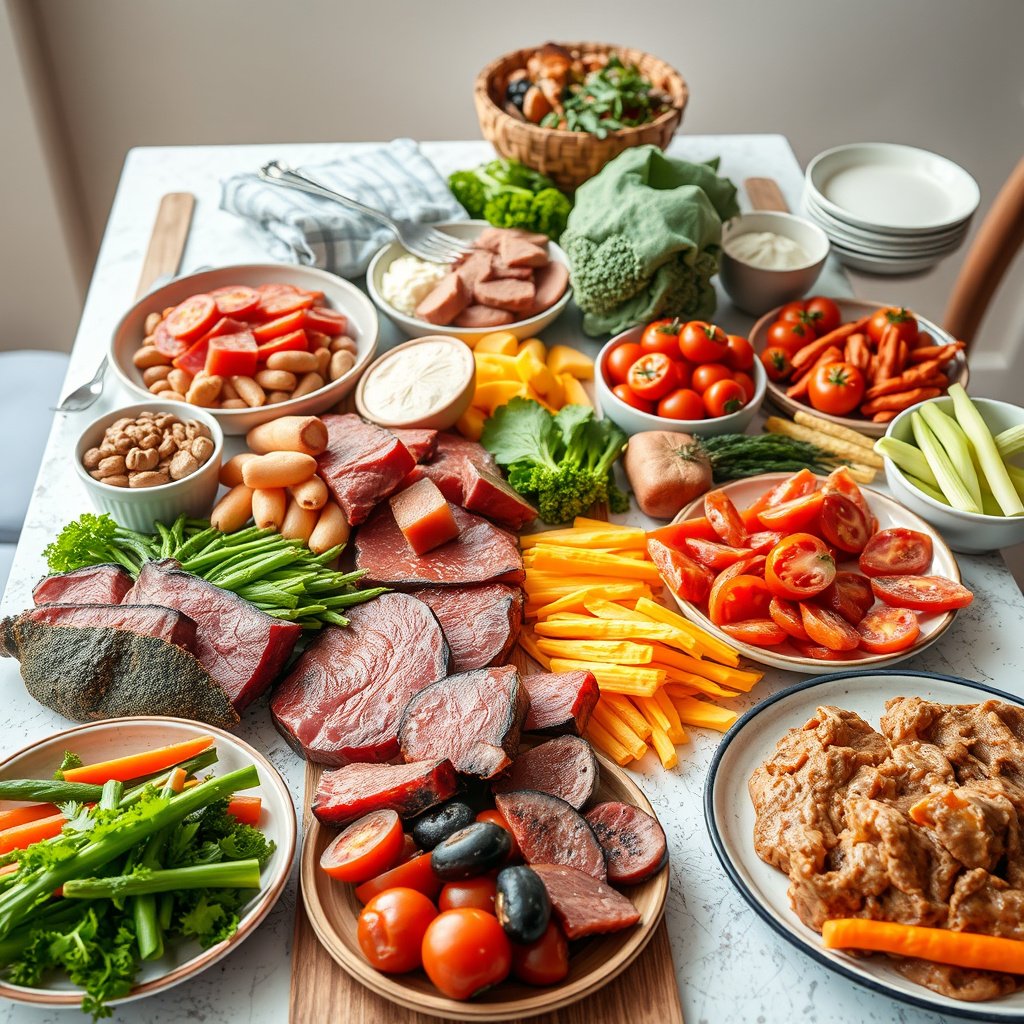
The fastest way to decide is to match the plan structure to your lifestyle: keto tends to work best when you want one steady framework, while Atkins fits better if you want scheduled phases and a deliberate carb “ramp.” Both can reduce carbs, but the long-term rules—and therefore the mental load—are different for most people.
If you’re thinking about keto vs Atkins, you’ll usually land here for one of these reasons:
- You’re considering both diets and want the easiest way to decide which one fits your goals.
- You prefer clear structure: keto tends to be “maintain ketosis,” while Atkins is “phase and adjust.”
- You want to understand differences without guessing at nutrition details.
“Keto” is designed around maintaining nutritional ketosis, not just reducing carbs temporarily.
“Atkins” uses phased carb targets and then increases carbs based on progress and tolerance.
The most meaningful difference is how each plan treats carbs over time—steady restriction (keto) versus structured reintroduction (Atkins).
Quick context: what you should be optimizing
In 2026, more people are choosing keto vs Atkins for one of two reasons: metabolic outcomes (ketones, blood sugar stability) or sustainability/variety (phases and reintroduction). From a planning perspective, keto is often simpler day-to-day because “low-carb for ketosis” is the ongoing rule. Atkins can feel more intuitive for people who want checkpoints (“Phase 1, then Phase 2…”) and a clearer expectation that carbs will rise.
Also, if you’re on medications for diabetes or you have kidney disease, you should pause and get medical guidance first—both keto and Atkins can change medication needs and lab markers.
Keto diet vs Atkins diet: the core difference
If you only remember one thing, remember this: keto is about staying in ketosis, while Atkins is about moving through phases and adjusting carbs. Both are low-carb approaches, but their “success criteria” are not the same, so the rules can diverge even when the meal looks similar early on.
– Keto: The main target is *staying in ketosis* (your body using ketones for fuel).
– Atkins: The main approach is *phased low-carb*, typically starting strict and then moving to higher carb levels over time.
– Both can overlap (they’re both low-carb), but the “end goal” and how carbs are handled are different.
Nutritional ketosis is typically defined using blood ketone levels (often beta-hydroxybutyrate), which keto aims to sustain.
Atkins’ approach is structured around induction and subsequent phases that increase carb intake gradually.
Because keto defines success as “ketosis maintained,” even small carb increases can matter more than on Atkins.
What “ketosis maintenance” actually implies
With keto, “success” generally means your body continues producing and using ketones at a meaningful level. Practically, that pushes keto toward tighter and more consistent carb limits plus adequate fat intake (and careful protein handling). With Atkins, success is generally framed through phase completion and personal carb tolerance—so the plan can become less restrictive over time.
A simple comparison you can use
Here’s how to think about the difference in decision rules:
- Keto decision rule
- “Will this keep my carbs low enough to stay in nutritional ketosis?”
- Atkins decision rule
- “Which phase am I in, and how should I adjust carbs this week based on progress?”
Carbs and “how strict” the plan is
The real difference in day-to-day strictness is that keto usually keeps carbs low continuously, while Atkins keeps carbs low temporarily and then reintroduces them in stages. If you hate “thinking about phases,” keto’s steady framework is often easier; if you want a structured carb reintroduction plan, Atkins is designed for that.
– Keto is ongoing: Carbs are usually kept low consistently to support ketosis.
– Atkins is staged: After an initial strict phase, carbs are reintroduced gradually, based on your progress.
– If you don’t want to think about carb “phases,” keto’s simpler framework may feel easier.
Keto planning typically focuses on maintaining a low-carb range that supports ongoing nutritional ketosis.
Atkins planning typically starts with a low-carb “induction” phase and then uses stepwise carb increases.
Carb reintroduction pace is the key behavioral variable that separates keto vs Atkins after the first few weeks.
Anchor points (what the numbers usually look like)
To make the difference concrete, here are common target anchors people use when planning keto vs Atkins. (These are program- and person-dependent, and you should verify with official guidance before starting.)
Typical Carb Strategy Targets in Keto vs Atkins (Planning Anchors)
| # | Approach / Phase | Net Carbs Target | Primary Goal | Ketosis Support |
|---|---|---|---|---|
| 1 | Keto (typical ongoing range) | 20–50 g/day | Maintain nutritional ketosis | High |
| 2 | Keto (more strict planning) | ≤25 g/day | Maximize ketosis consistency | Very High |
| 3 | Atkins (Induction—Atkins 20) | ≤20 g/day | Jumpstart weight loss + strict start | High |
| 4 | Atkins (Induction—Atkins 40) | ≤40 g/day | Start lower-carb with more room | Moderate to High |
| 5 | Atkins (Ongoing carb reintroduction) | Increase in steps | Find personal carb tolerance | Variable |
| 6 | Atkins (maintenance—individual) | Often higher than induction | Maintain outcomes with tolerance | Lower |
| 7 | Keto (carb “slip” tolerance) | Tight control needed | Avoid dropping out of ketosis | Can drop quickly |
Statistics you can use when planning (keto vs Atkins)
– According to , nutritional ketosis is typically associated with blood beta-hydroxybutyrate at or above ().
– According to Atkins.com program guidance accessed in 2026, Atkins’ induction phase for the Atkins 20-style program targets net carbohydrates around 20 g/day (2026).
– According to Atkins.com program guidance accessed in 2026, Atkins increases carbs in stepwise increments during the ongoing phases rather than keeping carbs constant (2026).
Food rules: what you’ll typically emphasize
The most practical answer here is that keto usually emphasizes fat-forward meals to support ketones, while Atkins also uses low-carb foods but often shifts emphasis by phase—especially as carbs rise. In early weeks, many meals overlap (eggs, non-starchy vegetables, meat, olive oil), but the long-term carb rules and portion strategy differ.
– Keto generally emphasizes fat and limits carbs tightly, with protein managed to support ketosis.
– Atkins also starts low-carb and often emphasizes protein and fat, then allows more variety as you move through phases.
– In real life, the “plate” may look similar early on—what changes is the long-term carb strategy.
Keto food rules typically prioritize fat intake alongside tight carb limits to support ketone production.
Atkins food rules start low-carb but evolve as phases progress and carb targets increase.
Even when keto and Atkins look similar at breakfast and lunch, their “what can I add later?” rules diverge.
Keto: fat-forward consistency
Keto’s food rule set is usually built around keeping carbs low enough to stay in nutritional ketosis while using fats as the main energy source. Protein is not “unlimited,” because overly high protein can be an issue for some ketosis-focused goals, especially if carbs also creep up.
Atkins: phase-driven variety
Atkins is low-carb early on, but later phases tend to allow more food variety, including different carb-containing foods—provided you stay within the phase targets. That’s a major reason Atkins can feel more sustainable for people who miss fruit, legumes, or higher-carb whole grains after the first strict phase.
Practical overlap (and why it can confuse people)
Because keto and Atkins both reduce carbs, the first 1–2 weeks can look almost identical in a grocery cart. The confusion happens later: if you keep adding carbs “because the meals worked,” keto may become unstable, while Atkins may actually be following its own phase logic.
What can go wrong (common mistakes and limits)
The biggest risk when choosing keto vs Atkins is misunderstanding what “success” means, then applying keto-style ketosis thinking to Atkins (or vice versa). Many common issues show up when people treat both as interchangeable low-carb diets instead of phase-based versus ketosis-maintenance systems.
– Assuming they’re interchangeable: Keto-style “keep ketosis” rules don’t always translate to Atkins-style “phase and increase.”
– Carb creep: If you’re aiming for ketosis (keto), even small carb increases can pull you out of the target range.
– Digestive issues and fatigue: Low-carb transitions can cause constipation, headaches, or low energy—especially if electrolytes and water intake aren’t addressed.
– Protein confusion: Too much protein can matter for ketosis-focused goals, while Atkins plans may handle protein differently across phases.
Carb creep is the most common keto failure mode because ketosis is sensitive to both carbs and total energy balance.
Atkins-related “failure” often comes from reintroducing carbs too fast, too aggressively, or without tracking how you respond.
Electrolyte and hydration shortfalls are frequently associated with early low-carb side effects (fatigue, headaches, constipation).
Mistake #1: switching logic midstream
If you start Atkins and then hold yourself to keto ketosis rules (“I need ketones every day”), you may feel like you’re “doing Atkins wrong.” Conversely, if you start keto and then follow Atkins-style carb increases, you may unintentionally exit ketosis and lose the benefit you were targeting.
Mistake #2: ignoring electrolytes
When carbohydrate intake drops, insulin levels fall and water/electrolyte balance changes. If sodium, potassium, and magnesium aren’t managed, people often experience headaches, low energy, or constipation. For 2026 planning, this is especially important if you exercise or work in heat.
Mistake #3: confusing “more protein” with “better”
Both keto and Atkins can involve higher protein than some people expect, but the role of protein differs depending on your ketosis target. On a ketosis-maintenance plan, protein decisions can affect how stable your ketone output stays—particularly when carbs are already near the lower boundary.
Comparison structure (pros/cons)
| Factor | Keto (pros) | Keto (cons) | Atkins (pros) | Atkins (cons) |
|---|---|---|---|---|
| Carb handling | More consistent framework for ketosis | Less forgiving if carbs creep | Structured phases with planned increases | Requires patience during reintro phase |
| Meal planning | Clear “low-carb for ketosis” rule | More tracking of carbs for many people | Often feels less restrictive later | Phase changes add decision points |
| Outcome alignment | Best for “ketosis as the target” | Not ideal if you want eventual higher carbs | Better for stepwise carb tolerance | Not designed to keep ketosis as the primary endpoint |
Verdict: which one should you pick?
The clearest recommendation is: choose keto if your priority is maintaining ketosis consistently, and choose Atkins if you want a phased plan with gradual carb reintroduction. If you try to force the wrong structure, you’ll often feel like you’re working harder than the diet needs.
– Choose keto if your priority is maintaining ketosis consistently and you’re comfortable with long-term strict carb limits.
– Choose Atkins if you like the idea of an initial strict phase followed by a structured, gradual carb increase.
– Skip both (or get medical guidance first) if you have conditions that require dietary supervision (e.g., diabetes on medication, kidney disease, eating disorder history, or pregnancy/breastfeeding). Also be cautious if you’ve previously had trouble maintaining restrictive diets.
Keto tends to be the better fit when ketosis is the primary metric you care about maintaining.
Atkins tends to be the better fit when you want a phase-by-phase plan that deliberately increases carbs over time.
People with diabetes on glucose-lowering medication and people with kidney disease should get clinician guidance before starting keto or Atkins.
A practical decision in real life (what to do this week)
If you’re still deciding in 2026, use this rule: pick the diet whose “hard part” you can tolerate. Keto’s hard part is staying strict for months; Atkins’ hard part is learning how to reintroduce carbs without overshooting.
If you already know you dislike tracking, keto may still work—but only if you can follow a consistent low-carb template (and you’re comfortable with less flexibility). If you want more flexible carbs eventually, Atkins usually offers the clearer off-ramp.
Quick scan: keto vs Atkins checklist
| Feature | Keto diet | Atkins diet |
|---|---|---|
| Main goal | Stay in ketosis | Move through phases and adjust carbs |
| Carb strategy | Consistently very low to maintain ketosis | Initially very low, then gradually increases |
| Structure | “Maintain” ketosis-style framework | “Induction → ongoing” style phases |
| What changes over time | Usually less change in carb level | More change as you progress through phases |
| Best fit for | People who want ketosis as the ongoing target | People who want step-by-step carb reintroduction |
Checklist to decide in 2 minutes:
– If you want ketosis long-term → lean keto.
– If you want phases + gradual carb increases → lean Atkins.
– If you prefer less tracking and fewer carb decisions → keto may feel simpler.
– If you prefer a roadmap with stages → Atkins may feel clearer.
Sources:
Keto and Atkins are both low-carb, but they’re built around different priorities: keto aims to keep you in ketosis, while Atkins uses a phased plan that eventually allows more carbs. Choose the plan whose structure matches your long-term goal—steady ketosis for keto, or a planned carb ramp for Atkins—and you’ll spend less time fighting the rules and more time getting results.
Frequently Asked Questions
What is the difference between the keto diet and the Atkins diet?
The keto diet (ketogenic diet) focuses on reaching and maintaining ketosis, usually by limiting net carbs to about 20–50 grams per day and emphasizing high-fat foods. The Atkins diet is a structured low-carbohydrate plan that typically starts very low-carb but may increase carbs during later phases, depending on progress. While both can be low-carb, keto is more restrictive and targets ketosis as the primary goal, whereas Atkins gradually adjusts carbohydrate intake.
How do you start keto compared with starting Atkins?
Starting keto usually means immediately cutting carbohydrates aggressively to trigger ketosis, often within a few days, and building meals around fat and protein with minimal carbs. Atkins also begins with a “Induction” phase that is very low in carbs, but it’s designed to be a step-by-step program that later reintroduces carbs in measured amounts. If you want a simpler “stay in ketosis” approach, keto may feel more straightforward; if you want structured phases, Atkins may feel more guided.
Why do people get different results on keto vs Atkins?
Keto results often depend on how consistently you keep net carbs low enough to maintain ketosis, along with adequate electrolytes and protein. Atkins results can vary based on how people follow each phase and whether they increase carbs too quickly after induction, which can reduce fat-burning efficiency for some. Both diets can work for weight loss, but the biggest difference is keto’s emphasis on sustained ketosis versus Atkins’ phased rebalancing of carbs over time.
Which is better for weight loss and long-term sustainability: keto or Atkins?
Keto may support weight loss for some people because it can reduce hunger and keep insulin levels low while you stay in ketosis, but it can be challenging to maintain the carb restriction long term. Atkins may be easier for some to sustain because it typically allows gradual carb increases after the initial phase, which can improve variety and adherence. The “best” choice usually depends on your preferences, how you respond to carbohydrate changes, and your ability to stick with low-carb keto or a phased Atkins plan.
What should you eat on keto versus Atkins—are the meal plans the same?
Keto meals generally prioritize fats (like olive oil, avocado, butter, and fatty fish) while keeping net carbs very low and using moderate protein to support ketosis. Atkins also encourages low-carb foods—such as meats, eggs, cheese, and low-carb vegetables—but it later supports higher carb portions during reintroduction phases (for example, berries or additional vegetables) based on your targets. Both diet plans overlap heavily in low-carb staples, but keto typically keeps carbs consistently low, while Atkins adjusts them over time.
📅 Last Updated: October 29, 2026 | Topic: what is the difference between keto diet and atkins diet | Content verified for accuracy and freshness.
References
- Ketogenic diet
- Atkins diet
- https://www.britannica.com/science/ketogenic-diet
- https://www.britannica.com/topic/Atkins-diet
- https://www.mayoclinic.org/healthy-lifestyle/nutrition-and-healthy-eating/in-depth/keto-diet/art-20390051
- ketogenic diet Atkins diet – Search Results – PubMed
- low-carbohydrate diet Atkins ketogenic comparison – Search Results – PubMed
- https://scholar.google.com/scholar?q=keto+diet+vs+Atkins+diet+difference Google Scholar
- https://scholar.google.com/scholar?q=ketogenic+diet+Atkins+diet+comparison+study Google Scholar
- https://scholar.google.com/scholar?q=low+carbohydrate+diet+ketogenic+vs+Atkins+review Google Scholar

Pingback: What Is the Difference Between Low Carb and Keto? - Keto Model