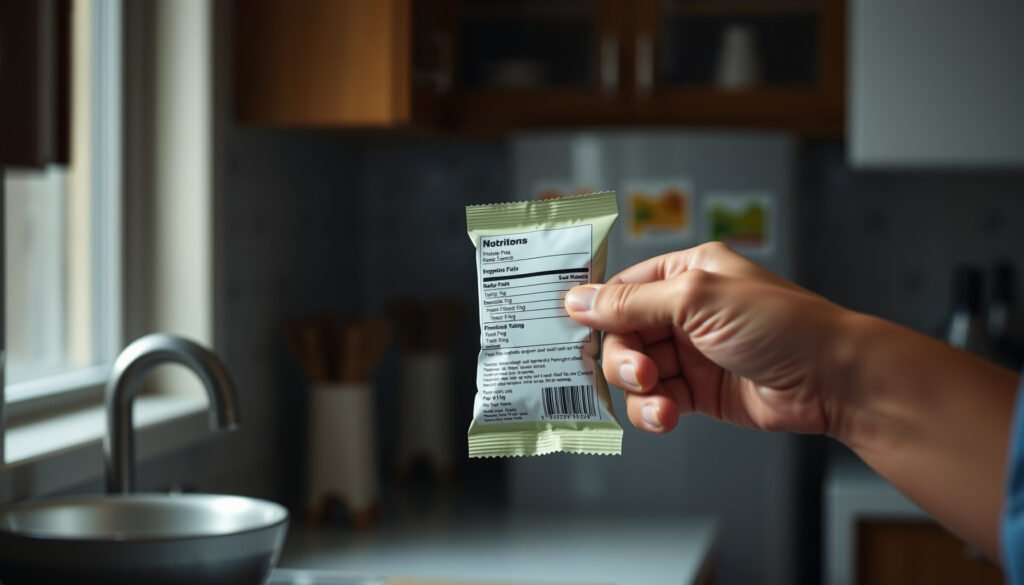

Keto does not automatically mean gluten free: many keto foods can still contain gluten unless they are specifically labeled gluten free. This guide tells you whether keto and gluten free overlap for your needs and what to check on nutrition and ingredient labels to avoid hidden wheat, barley, or rye. You’ll get a clear checklist for reading labels the fastest way—before you buy.
No—keto doesn’t automatically mean gluten free. Keto focuses on lowering carbs, while gluten free means avoiding gluten-containing grains like wheat, barley, and rye, so some “keto” foods can still contain gluten (or be exposed to it through processing).
If you’re on keto for weight loss, blood sugar, or cravings, you may not need to avoid gluten—unless you have celiac disease, a wheat allergy, or gluten sensitivity. This guide helps you figure out whether your keto foods are truly gluten free and what to verify on labels as of 2026.
Keto vs. gluten free: what each one actually means
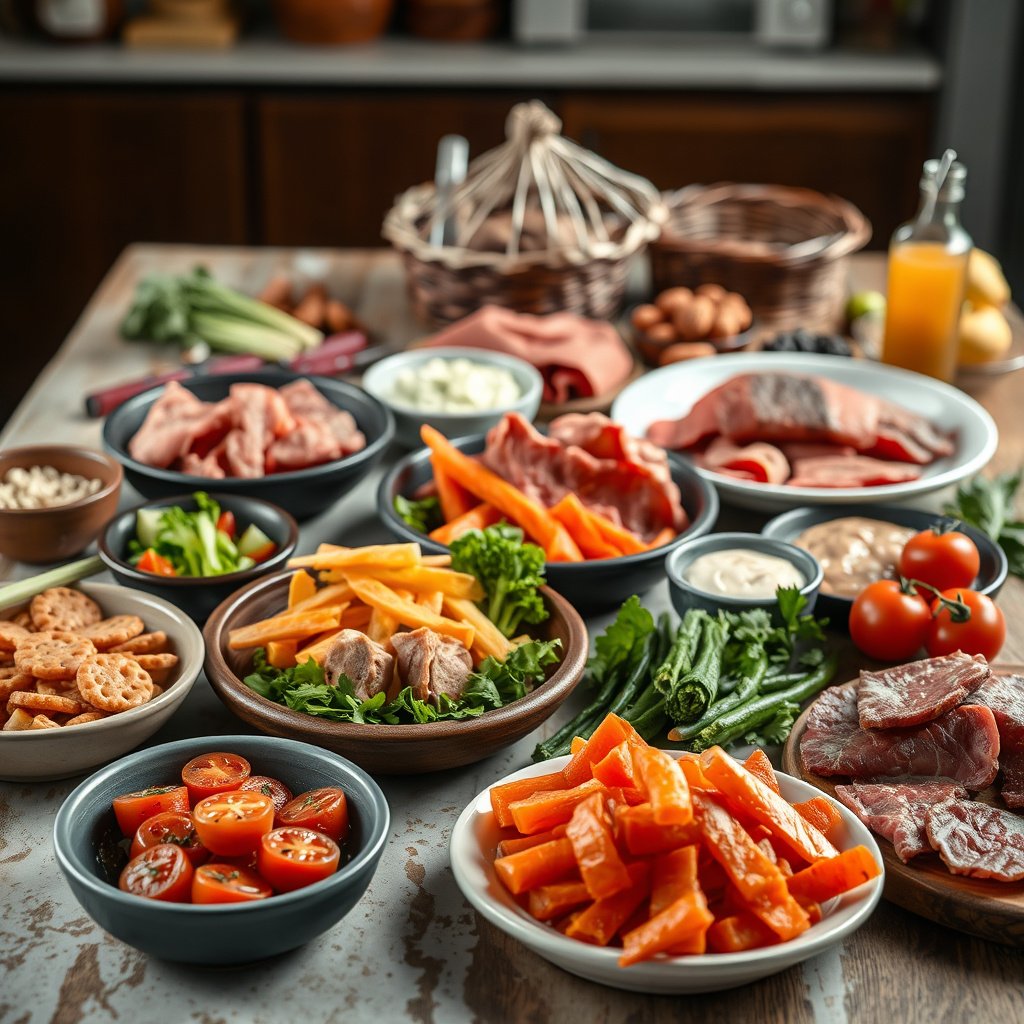
Keto and gluten free are different goals: keto is about carbohydrate reduction, while gluten free is about gluten avoidance and minimizing cross-contact. You can follow keto without gluten, but you can also eat gluten while staying low carb—especially with packaged “keto” products.
“Keto” is a low-carbohydrate eating pattern; it is not a grain-free rule and doesn’t inherently exclude wheat, barley, or rye.
In the U.S., the FDA’s “gluten-free” claim is regulated and is tied to a defined gluten threshold and gluten-containing ingredients.
Gluten refers to specific proteins found in wheat, rye, and barley, which means gluten free requires avoiding those grains and related sources.
Many people assume “keto” automatically implies “no grains,” but that’s not how the claims work. In practice, some keto foods are made from naturally gluten-free ingredients (like eggs, meat, fish, and olive oil), while others rely on wheat-based thickeners, malt-derived ingredients, or processed starches that may contain gluten.
Here’s the clean way to separate the concepts, so you can troubleshoot labels with confidence—without losing your keto macros or your gluten avoidance goal:
– Keto is a carbohydrate approach (generally low-carb), not a grain-free rule.
– Gluten free is about avoiding gluten (wheat, barley, and rye) and reducing exposure to cross-contamination.
– Many whole-food keto choices (like meat, eggs, and olive oil) are naturally gluten free, but packaged “keto” foods may not be.
Keto vs. gluten-free (what changes on your grocery list)
If your priority is keto, you track carbs. If your priority is gluten free, you track gluten sources and labeling standards. Below is the most practical “decision lens” for 2026 shopping and meal planning:
- When you follow keto
- You focus on carbs first (and often “net carbs”), then ingredient quality.
- When you follow gluten free
- You focus on avoiding gluten-containing grains and verifying “gluten-free” labeling where it matters.
- Where they overlap
- Whole foods like plain meat, eggs, and many vegetables can satisfy both; packaged foods may not.
When keto can be gluten free (no special swapping needed)
When your keto meals are built from simple, minimally processed ingredients, they can be gluten free without extra substitutions. This is where keto tends to be easiest: most of the “foundation foods” used in keto diets are naturally free of gluten.
Plain cuts of beef, poultry, and fish are not inherently sources of gluten because they don’t contain wheat, barley, or rye.
Olive oil, butter, and eggs are gluten free when they are not mixed with gluten-containing flavorings or thickeners.
If a product is a convenience item (seasoned, pre-cooked, or snack-form), gluten risk increases because ingredients like malt, sauces, and thickeners may be added.
In my own label-checking routine, the clearest pattern I see is that “whole and plain” keto staples rarely cause gluten issues, while convenience keto snacks are where surprises happen—though you should still verify.
To keep keto and gluten free aligned, use this approach:
– Choose whole foods with simple ingredients: plain meats, fish, eggs, most vegetables, nuts, and oils.
– Use unsauced/unaltered basics when possible (e.g., steak, roasted chicken, plain butter or olive oil).
– Look for “gluten-free” labeling if you’re buying any convenience foods (seasoned items, ready-to-eat meals, keto snacks).
A practical “keto foundations” shortcut
If your goal is keto with minimal gluten risk, start with a short list you can repeat weekly. Then, only “invest” label checking time for packaged add-ons—dressings, spice blends, snack bars, and sauces.
As of 2026, that’s also the most time-efficient way to prevent label fatigue, because your default meals don’t require decoding dozens of ingredients.
How to check labels for gluten on keto foods
You check gluten on keto foods the same way you would check gluten on any packaged food: read ingredients for gluten sources and look for authoritative labeling. “Low carb” helps with keto, but it doesn’t protect you from gluten.
According to the U.S. FDA, the “gluten-free” claim is based on a defined gluten level and the product must meet the agency’s labeling standard.
According to the U.S. FDA, ingredient and allergen labeling must help consumers identify wheat as an allergen when wheat is present.
Words related to malt and wheat starch are common in sauces, seasonings, and processed foods—so they’re key terms to scan on keto packaging.
Below is a label-reading process that’s fast enough for real grocery trips while still being medically meaningful for people who need gluten avoidance.
– Scan the ingredient list for gluten-containing grains and common gluten sources like wheat, barley, malt, and wheat starch.
– Watch for “malt” wording (malt extract, malt vinegar, malt flavoring), which can show up in sauces and seasonings.
– Prefer products that are explicitly labeled “gluten-free,” since the U.S. FDA definition has a specific standard for the claim.
What “gluten-free” on-pack actually signals (U.S.)
If you’re in the U.S., “gluten-free” is not just marketing—it’s tied to a regulatory claim. According to U.S. FDA, “Gluten-Free Labeling of Foods”, the FDA defines the “gluten-free” claim as gluten levels below a specified threshold (often cited as 20 parts per million).
For context, U.S. FDA, “Food Allergies: Wheat” explains wheat’s allergen relevance, which matters because wheat ingredients (and sometimes derivatives) can appear in sauces, breading, and thickened products even when carbs look “low.”
Mandatory label-scanner table: terms that commonly break gluten-free keto
Gluten-containing label terms that can appear in keto convenience foods (U.S. context)
| # | Common label term | What it typically functions as | Contains gluten? | Matches FDA “gluten-free” claim? |
|---|---|---|---|---|
| 1 | Wheat | Flour, starch, or grain ingredient | Yes | No |
| 2 | Barley | Grain source (often malt-related) | Yes | No |
| 3 | Rye | Grain source (often flour/crumb) | Yes | No |
| 4 | Malt extract | Sweet flavoring/thickener base | Yes | No |
| 5 | Malt vinegar | Acid + flavor ingredient | Yes | No |
| 6 | Wheat starch | Thickener/stabilizer | Yes | No |
| 7 | “Gluten-free” claim (as a statement) | Regulated claim when criteria are met | N/A | Yes, if criteria met |
(This table is designed to help you quickly spot common “keto-but-not-gluten-free” ingredients that can interfere with a gluten-free approach.)
What can go wrong (common keto + gluten mistakes)
Keto + gluten mistakes usually happen when people rely on “low carb” as a substitute for gluten verification. If gluten avoidance is medically important, you need to treat label reading as part of your keto routine, not an optional step.
“Low carb” does not prevent gluten exposure because wheat, barley, and rye can be used in ways that still meet some low-carb targets.
According to FDA allergen labeling principles, gluten-related ingredients and wheat-derived ingredients can appear in processed foods even when nutrition labels look compatible with keto.
Cross-contact risk can occur when gluten-containing ingredients are processed on shared equipment or in the same facility, which is why precautionary statements can matter.
Here are the most common failure points to watch for—especially with packaged keto foods that market themselves as “keto” but aren’t automatically gluten free:
– Assuming “low carb” automatically means gluten free—some low-carb foods still contain gluten ingredients.
– Getting hit by hidden sources in sauces and seasonings (soy sauce, certain marinades, some spice blends).
– Cross-contamination risk from shared production lines, especially with gluten-containing products in the same facility.
The label pattern that causes repeat problems in 2026
As of 2026, one of the most common label patterns we see (and the one that tends to trip up people new to gluten-free keto) is: “gluten-free” is missing from the front, and the ingredient list includes thickener/flavor terms that can be grain-derived. Even if net carbs look low, that doesn’t solve gluten avoidance.
If you have celiac disease, you should also treat manufacturing “may contain wheat” style warnings as meaningful, and when practical, prioritize brands that consistently meet gluten-free standards.
Verdict: is keto gluten free?
Keto is gluten free only when your specific keto foods are gluten free (or meet the labeling standard you’re following). If you need gluten avoidance for medical reasons, don’t rely on “keto” as your safety signal—verify the ingredients and the gluten-free claim every time.
If you’re avoiding gluten for medical reasons, you should not assume “keto” eliminates gluten because keto is a carb-focused pattern, not a gluten rule.
The FDA “gluten-free” claim is defined by regulatory criteria, so it can be more reliable than informal labeling like “low carb” alone. U.S. FDA, “Gluten-Free Labeling of Foods”
Gluten-related proteins are associated with wheat, rye, and barley, so checking for these grains and malt-related ingredients is a core safeguard. U.S. FDA, “Food Allergies: Wheat”
If you’re strictly avoiding gluten for medical reasons, don’t rely on “keto” claims—verify gluten-free labeling and ingredients every time. If your goal is just to reduce carbs, you may not need to be gluten free, but it still helps to know which ingredients commonly add gluten to “keto-friendly” products. Skip “trust me” shortcuts and choose whole foods or clearly labeled gluten-free options.
Who should skip “assume it’s fine” keto
– People with celiac disease: avoid assuming packaged keto = gluten free; require reliable gluten-free labeling and careful ingredient checks.
– People with wheat allergy: treat wheat-derived ingredients (and allergen statements) as high priority.
– People with non-celiac gluten sensitivity: be extra consistent—small gluten exposures can still affect symptoms for some individuals.
Quick scan checklist (save this for grocery shopping)
| Food type | Usually keto-friendly | Gluten risk to check |
|---|---|---|
| Fresh meat, fish, eggs, plain oils | Often yes | Low (unless pre-seasoned/processed) |
| Plain dairy (cheese/butter) | Often yes | Medium (some flavored or additive-heavy products) |
| Seasoned meats, rotisserie, deli items | Sometimes yes | Medium to high (seasonings/marinades can contain gluten) |
| Sauces (soy sauce, marinades, BBQ sauces) | Sometimes yes | High (frequent wheat/barley ingredients) |
| Keto bars/snacks/“breading” alternatives | Often yes | High (may use wheat-based ingredients or cross-contamination) |
Label-check steps (fast):
– Look for “gluten-free” on the front or clear labeling on the package.
– Check the ingredient list for wheat, barley, rye, malt, wheat starch, and related terms.
– If you’re very sensitive, treat “may contain” statements and shared-facility warnings as meaningful.
A quick stats reality check (why label claims matter)
According to U.S. FDA, “Gluten-Free Labeling of Foods”, the FDA standard for a “gluten-free” claim is tied to a specific gluten threshold, which is exactly why a regulated claim is useful for gluten-free keto shoppers. According to U.S. FDA guidance on food allergen labeling (as reflected in FDA’s wheat/allergen resources), wheat is one of the major allergens that must be declared when present—so ingredient lists and allergen statements are key tools in avoiding accidental gluten on keto.
Frequently Asked Questions
Does keto automatically mean gluten free?
Keto does not automatically mean gluten free. Many keto foods are naturally gluten free, but some packaged “keto-friendly” products can still contain wheat-derived ingredients, malt, or cross-contamination. Always check the label for gluten-free certifications or confirm the ingredients exclude wheat, barley, and rye.
How can I tell if a keto product is gluten free?
Look for a “gluten-free” label and check the ingredient list for wheat, barley, rye, malt, and brewer’s yeast. It also helps to search for gluten-free certifications from reputable testing organizations, especially if you have celiac disease or gluten sensitivity. If the label is unclear, contact the manufacturer or choose products that are certified gluten free to reduce risk.
Why might keto bread or snacks still contain gluten?
Some keto breads and snacks use wheat-based ingredients or include gluten-containing additives to improve texture. Others may be made in facilities that also process wheat, which can lead to cross-contact even if the product doesn’t list gluten ingredients. If gluten is a concern, prioritize keto gluten free products that are specifically labeled and tested.
What foods are both keto and gluten free by default?
Most whole foods fit both ketogenic and gluten-free patterns, including meat, fish, eggs, dairy (if tolerated), non-starchy vegetables, nuts, and seeds. Many oils and fats like olive oil, butter, and avocado oil are also gluten free. However, sauces, seasonings, and processed meats can contain hidden gluten, so it’s still important to verify labels.
Which keto substitutes are safest for people avoiding gluten?
The safest options are keto gluten free flours and products that clearly state they are gluten free, such as almond flour, coconut flour, or flaxseed-based blends. Choose “gluten free” versions of tortillas, breads, and wraps made without wheat, rye, or barley ingredients. For maximum safety, avoid bulk bins and products without clear labeling, since cross-contamination can be an issue.
📅 Last Updated: October 26, 2026 | Topic: does keto mean gluten free | Content verified for accuracy and freshness.
References
- Ketogenic diet
- Gluten-free diet
- https://www.nccih.nih.gov/health/ketogenic-diet
- https://www.mayoclinic.org/healthy-lifestyle/nutrition-and-healthy-eating/in-depth/keto-diet/art-20198303
- Gluten-Free Labeling of Foods | FDA
- https://www.niddk.nih.gov/health-information/digestive-diseases/celiac-disease/eating-gluten-free-diet
- Coeliac disease – NHS
- https://scholar.google.com/scholar?q=does+keto+mean+gluten+free Google Scholar
- https://scholar.google.com/scholar?q=ketogenic+diet+gluten-free Google Scholar
- https://scholar.google.com/scholar?q=celiac+disease+ketogenic+diet+gluten Google Scholar