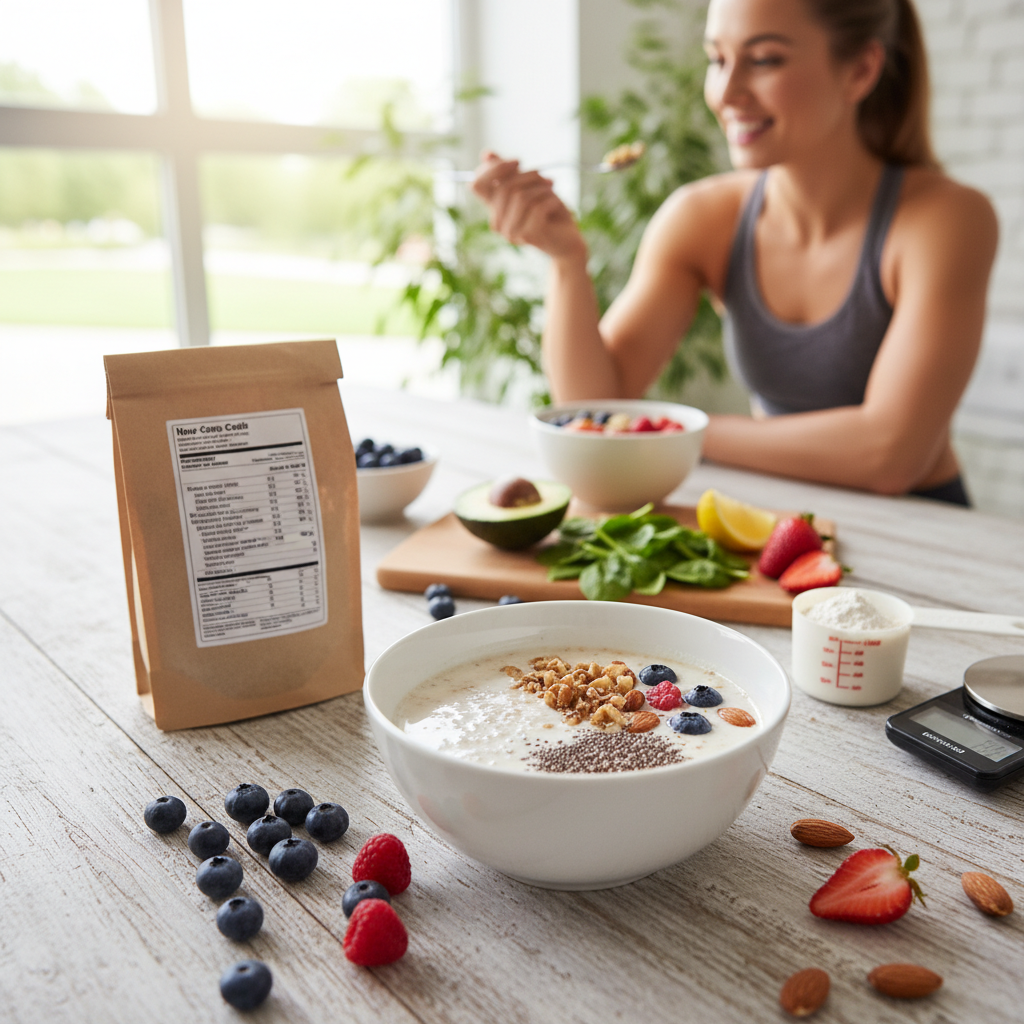

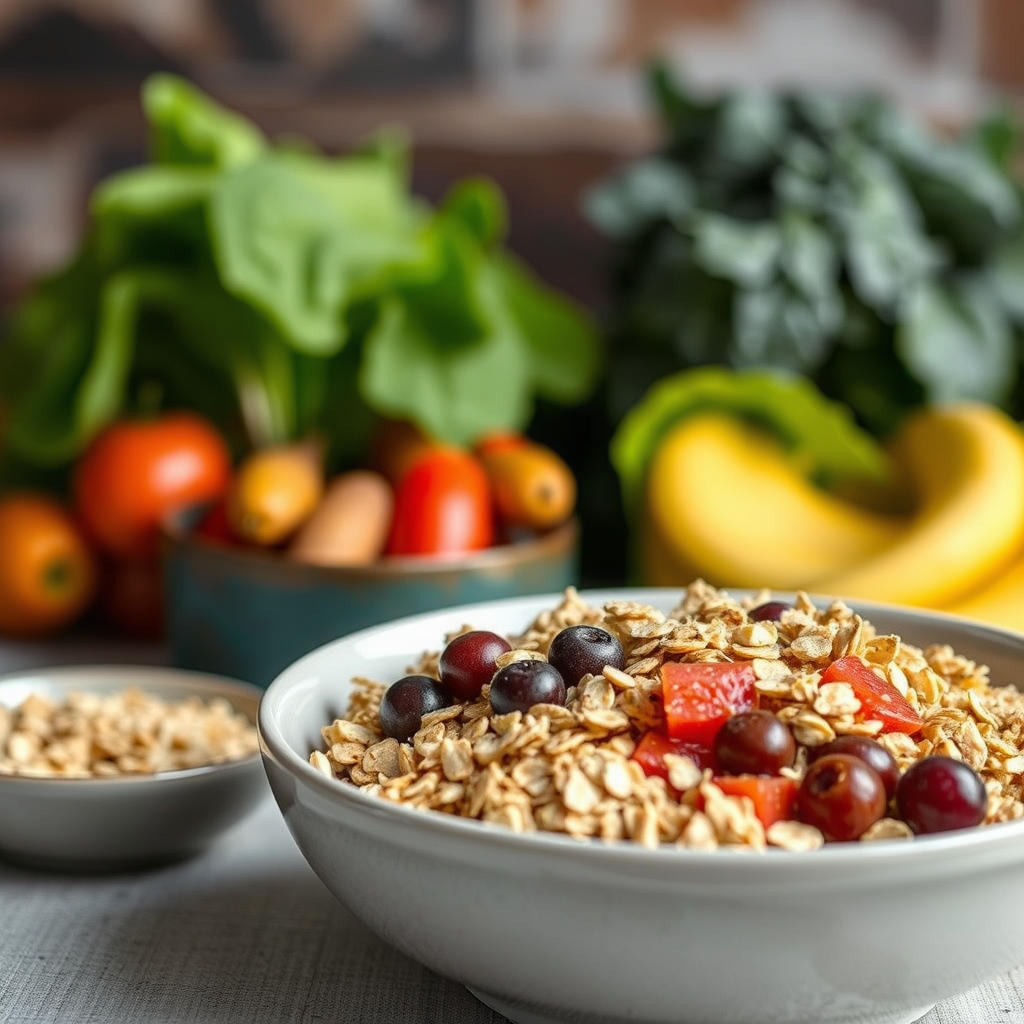
Eating oatmeal on the keto diet is generally not recommended due to its high carbohydrate content. However, there are alternatives and modifications you can consider if you’re craving a warm bowl of oats. In this article, you’ll discover the reasons behind the keto diet’s restrictions on oatmeal and some keto-friendly alternatives that can satisfy your hunger without derailing your diet.
Understanding the Keto Diet
The ketogenic (keto) diet is a low-carb, high-fat dietary regimen designed to induce a metabolic state known as ketosis. During ketosis, the body shifts from relying on glucose (derived from carbohydrates) as its primary energy source to utilizing ketones produced from fat. To achieve and maintain this state, individuals typically aim to restrict their carbohydrate intake to around 20-50 grams per day, which constitutes a significant reduction from the average dietary intake. This drastic decrease in carbohydrates encourages the body to burn fat for fuel, leading to weight loss and various health benefits. Given this framework, foods that are high in carbohydrates, such as oatmeal, are often avoided to ensure adherence to these strict dietary guidelines.
Carbohydrate Content of Oatmeal
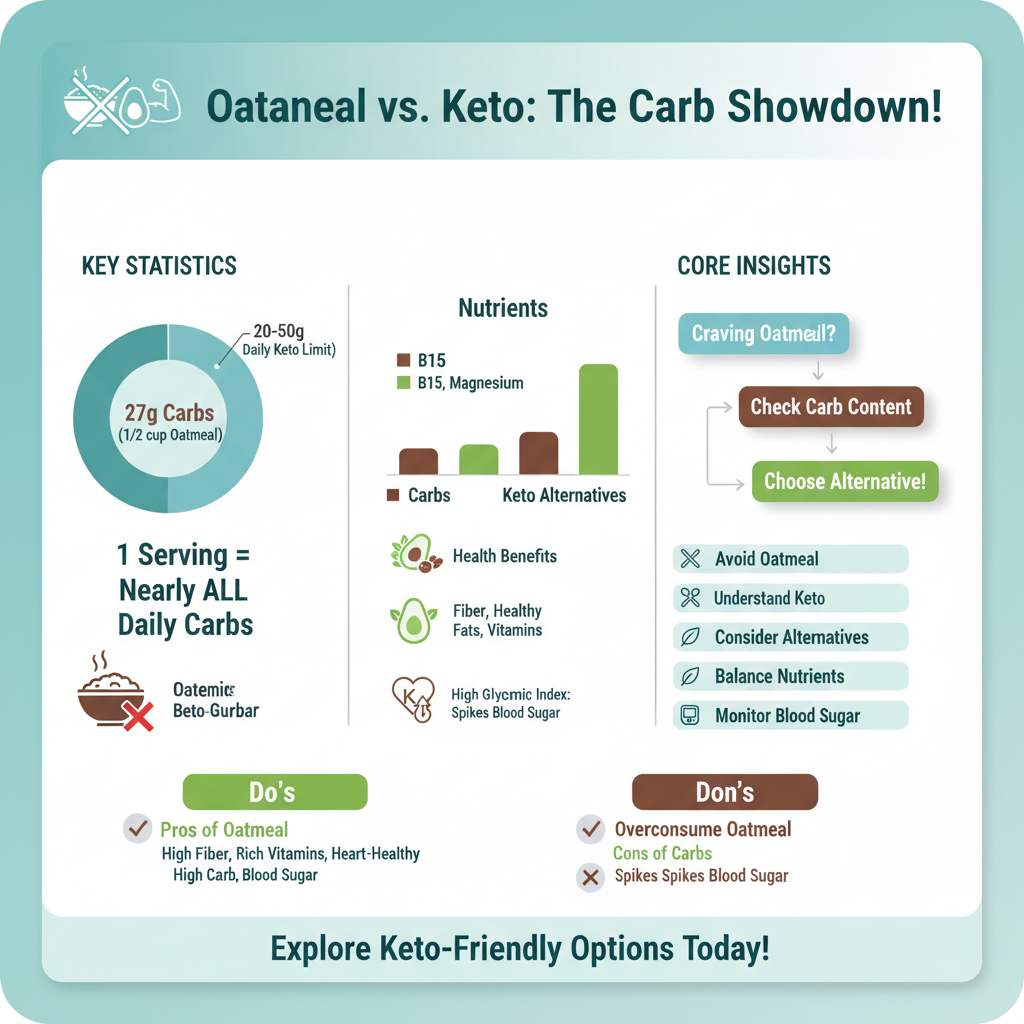
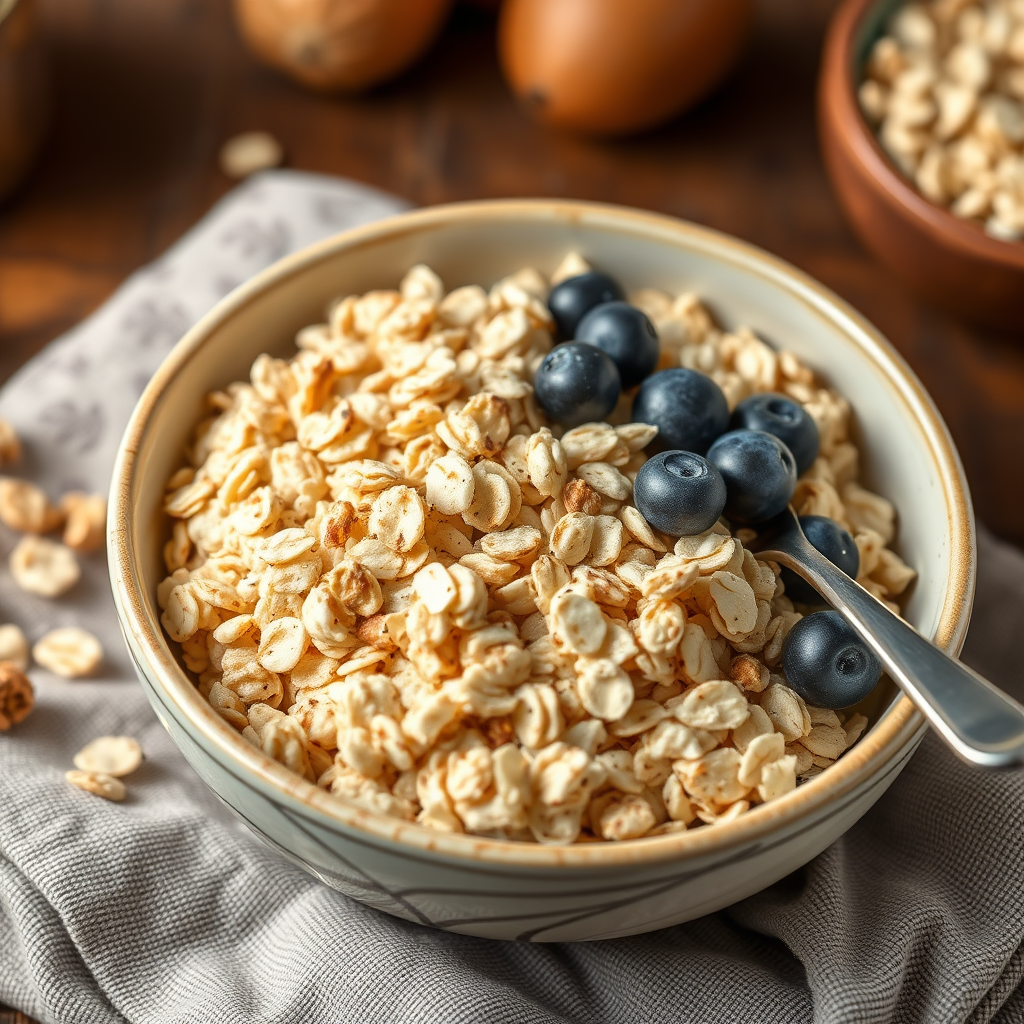
A standard serving of oatmeal, which is usually about half a cup of dry oats, contains approximately 27 grams of carbohydrates. This figure is particularly concerning for keto dieters, as it is significantly higher than the daily carb limit for most individuals following this diet. Eating just one serving of oatmeal could consume nearly all of your carbohydrate allowance for the day, leaving little room for other nutritious foods that are also low in carbs. Additionally, oatmeal has a high glycemic index, which can lead to spikes in blood sugar levels, further complicating the goals of a ketogenic lifestyle. For these reasons, traditional oatmeal is generally not compatible with a keto diet.
Benefits of Oatmeal
Despite its incompatibility with a keto diet, oatmeal is not without its merits. It is renowned for its high fiber content, which can aid digestion and promote a feeling of fullness, making it a popular choice for those seeking to manage their weight. The soluble fiber found in oatmeal, particularly beta-glucan, has been shown to help lower cholesterol levels and improve heart health. Oatmeal is also rich in essential nutrients, including vitamins B1, B5, and minerals such as magnesium, iron, and zinc. These nutrients play crucial roles in various bodily functions, including energy metabolism and immune support. While oatmeal is indeed a nutritious food, its high carbohydrate content makes it less suitable for those adhering strictly to a ketogenic diet.
Keto-Friendly Alternatives to Oatmeal
If you’re looking for a warm, comforting breakfast that aligns with keto dietary principles, there are several alternatives that can provide similar satisfaction without the high carbohydrate load. One popular substitute is chia seed pudding. Chia seeds are incredibly nutrient-dense, rich in omega-3 fatty acids, and packed with fiber while being low in carbs. When mixed with unsweetened almond milk or coconut milk and allowed to sit, chia seeds expand and create a pudding-like texture that can be flavored with vanilla or cinnamon for added taste.
Another excellent option is flaxseed meal, which can be cooked into a porridge-like consistency. Flaxseeds are high in fiber and healthy fats, making them ideal for a ketogenic diet. By mixing flaxseed meal with water or nut milk and heating it, you can create a warm, satisfying breakfast that keeps you in ketosis. Additionally, you can enhance these alternatives with toppings such as nuts, seeds, or low-carb fruits like berries to add flavor and nutrition.
Modifying Oatmeal for Keto
For those who are particularly attached to oatmeal and wish to incorporate it into their keto lifestyle, modifications can be made to reduce its carbohydrate impact. One approach is to use a small portion of oatmeal, perhaps a tablespoon or two, and combine it with higher-fat ingredients. This combination can help balance the macronutrient profile while still allowing for some of the familiar flavors and textures associated with traditional oatmeal.
Adding ingredients like coconut oil, butter, or cream can help increase the fat content of your meal, which is essential in a keto diet. For example, you might prepare a small serving of oatmeal and mix in a tablespoon of coconut oil and a splash of heavy cream, creating a dish that feels indulgent while still adhering to keto principles. Additionally, consider using spices such as cinnamon or nutmeg to enhance flavor without adding sugar or carbs.
Tips for Following a Keto Diet
Successfully navigating the keto diet involves strategic meal planning and careful consideration of food choices. One key tip is to plan your meals in advance to ensure you have a variety of low-carb options readily available. This practice not only helps you stay within your carbohydrate limits but also makes it easier to maintain a balanced diet filled with essential nutrients.
Reading labels is another critical aspect of adhering to a keto diet. Many products marketed as “healthy” can contain hidden sugars and carbohydrates that can quickly add up. Be vigilant in checking nutrition labels for total carbohydrate content, as well as the presence of added sugars, which can sabotage your keto efforts. Familiarizing yourself with common high-carb foods and their alternatives can empower you to make informed decisions that support your dietary goals.
Conclusion
While traditional oatmeal is not suitable for a keto diet due to its high carb content, there are several alternatives and modifications you can explore. Options like chia seed pudding and flaxseed meal porridge can provide satisfying, nutritious breakfasts that align with keto principles. If you prefer oatmeal, consider using it in smaller quantities combined with higher-fat ingredients to maintain a keto-friendly macronutrient balance. By planning your meals wisely and being mindful of ingredient labels, you can successfully enjoy a ketogenic lifestyle while still exploring the flavors you love. For more tips on maintaining a keto lifestyle, stay tuned for our upcoming articles!
Frequently Asked Questions
Can you eat oatmeal on the keto diet?
Traditional oatmeal is generally not recommended on the keto diet due to its high carbohydrate content. A standard serving of oatmeal can contain around 27 grams of carbs, which can easily exceed the daily carb limit for most keto dieters. However, there are low-carb alternatives such as chia seed pudding or flaxseed meal that can mimic the texture of oatmeal while keeping carb counts low.
What are some keto-friendly oatmeal alternatives?
For those on a keto diet seeking oatmeal alternatives, options like chia seeds, flaxseeds, or hemp hearts can be great substitutes. These ingredients provide a similar texture while being low in carbs and high in fiber, which helps promote satiety. You can prepare chia pudding or blend flaxseed into smoothies for a nutritious breakfast that aligns with your keto goals.
How can I make oatmeal keto-friendly?
While traditional oatmeal isn’t keto-friendly, you can create a low-carb version by using ingredients like almond flour or coconut flour as a base. Combine these with unsweetened almond milk, a sprinkle of cinnamon, and some nuts or seeds for added texture and healthy fats. This way, you can enjoy a warm, comforting breakfast while staying within your carb limits.
Why is oatmeal high in carbs and unsuitable for keto?
Oatmeal is primarily made from oats, which are grains high in carbohydrates. In a standard serving, the carb content can significantly contribute to your daily carb allowance, making it challenging to stay in ketosis. The keto diet emphasizes low carb intake to encourage the body to burn fat for fuel, so consuming high-carb foods like oatmeal can hinder these metabolic processes.
Which types of oats are the lowest in carbs?
Among various types of oats, steel-cut oats are slightly lower in carbs compared to rolled or instant oats, but they still contain significant carbohydrates that may not fit into a strict keto diet. If you are looking for a lower-carb option, consider cutting back on oats altogether and replacing them with seeds or nut-based meals that provide healthy fats and essential nutrients while maintaining a low carb profile.
References
- https://www.healthline.com/nutrition/keto-diet-foods
- Vitamin K deficiency: Causes, symptoms, and treatment
- https://www.ncbi.nlm.nih.gov/pmc/articles/PMC6830529/
- A Keto Diet for Beginners: The #1 Ketogenic Guide – Diet Doctor
- https://www.webmd.com/diet/what-is-the-keto-diet
- https://www.verywellfit.com/the-ketogenic-diet-5113667