

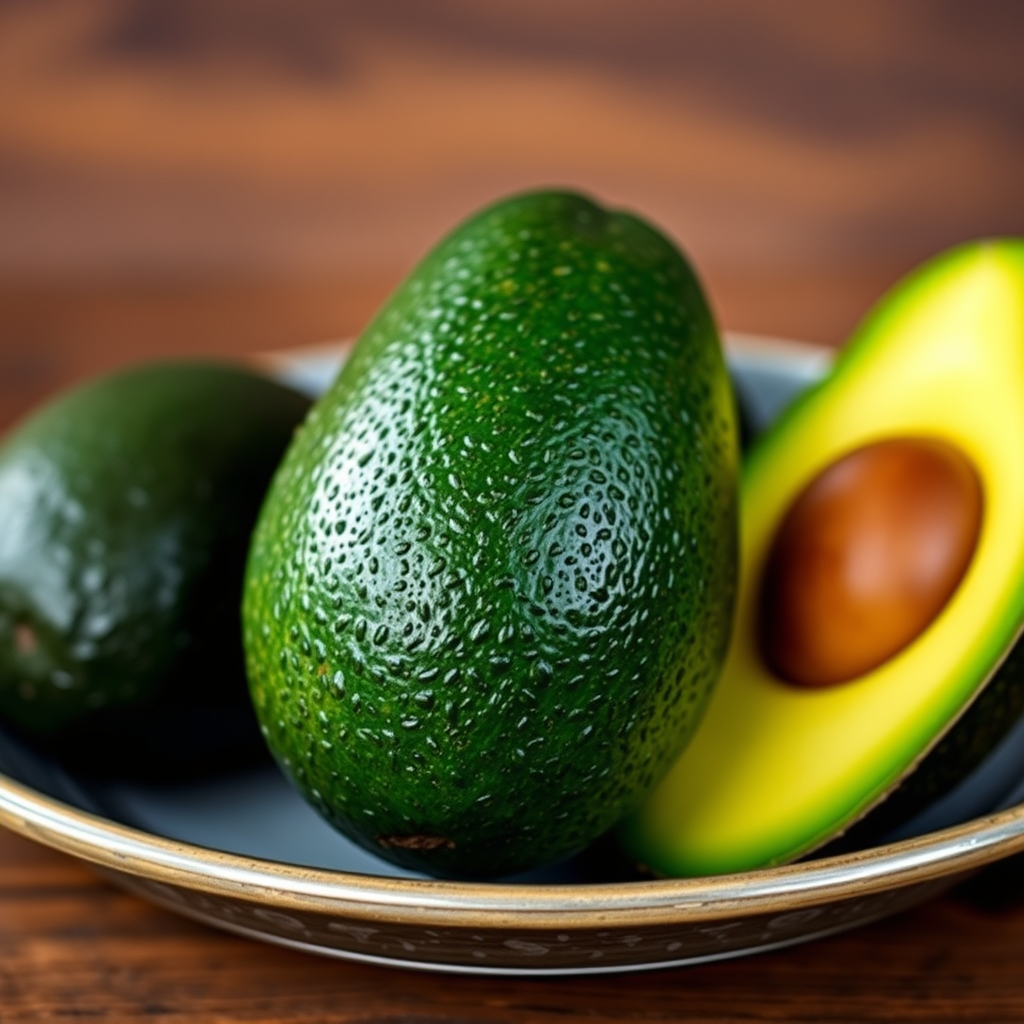
Eating a whole avocado on a keto diet is not only permissible but can also be highly beneficial. Avocados are low in carbohydrates and rich in healthy fats, making them an ideal choice for those following ketogenic principles. Their unique nutritional profile offers a variety of health benefits that align perfectly with the goals of a keto diet, such as maintaining ketosis and promoting overall well-being. In this article, we’ll explore the nutritional benefits of avocados, their role in a keto diet, and what to consider when enjoying them.
Nutritional Profile of Avocados
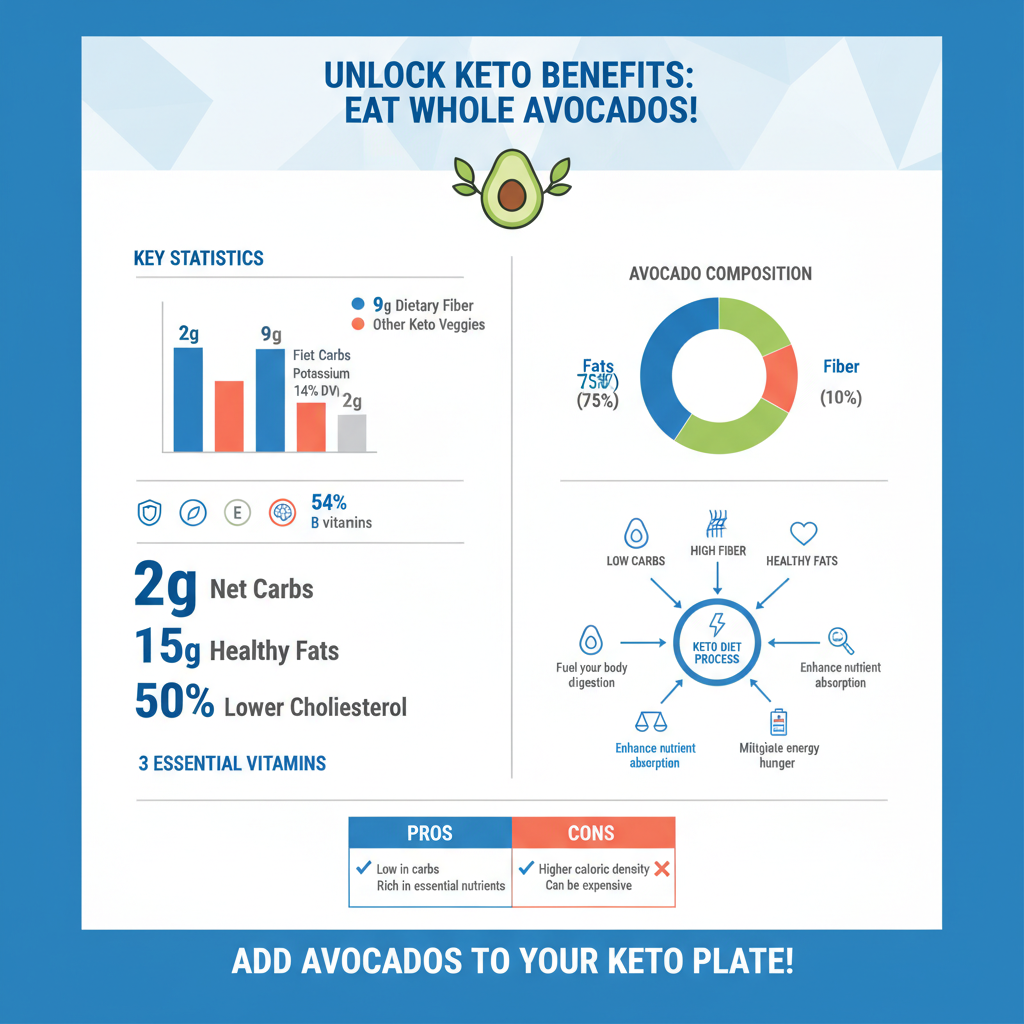
Avocados are a nutritional powerhouse, boasting a low carbohydrate content that typically hovers around 2 grams of net carbs per fruit. This low carbohydrate count makes avocados particularly appealing for those on a ketogenic diet, where carbohydrate intake is restricted to induce ketosis. In addition to their low carb content, avocados are packed with healthy monounsaturated fats, primarily oleic acid, which is known for its heart-protective properties. These fats not only provide a substantial energy source but also help in absorbing fat-soluble vitamins, enhancing overall nutrient intake.
Moreover, avocados are an excellent source of dietary fiber, with approximately 9 grams per fruit. This fiber content helps regulate digestion, promotes satiety, and can aid in maintaining healthy cholesterol levels. Additionally, avocados contain a wealth of vitamins and minerals, including Vitamin K, Vitamin E, and B vitamins, as well as potassium, which plays a crucial role in maintaining proper electrolyte balance during ketosis. All these factors contribute to avocados being a superior food choice for those adhering to a ketogenic lifestyle.
Benefits of Avocados on Keto
Incorporating avocados into a ketogenic diet comes with a multitude of benefits. One significant advantage is their high fiber content, which aids in digestion and helps you feel full longer. This can be particularly beneficial for those transitioning into ketosis, as it can mitigate feelings of hunger and reduce cravings. The fiber in avocados also supports gut health by promoting regular bowel movements and fostering a healthy microbiome.
Furthermore, avocados are loaded with essential vitamins and minerals that can be beneficial during a keto diet. For instance, potassium is essential for balancing electrolytes, especially during the initial stages of ketosis when the body may excrete more minerals due to reduced insulin levels. Adequate potassium intake from avocados can help prevent symptoms of the “keto flu,” a set of flu-like symptoms that some individuals experience when first adopting a ketogenic diet. Additionally, the monounsaturated fats in avocados can help improve heart health by reducing bad cholesterol levels and increasing good cholesterol.
Portion Control: How Much is Too Much?
While avocados are indeed healthy, moderation is key. They are calorie-dense, with a whole avocado containing around 240 calories on average. For individuals following a strict calorie limit while on keto, consuming too many avocados can lead to excessive calorie intake, potentially hindering weight loss progress.
To avoid overindulgence, it is essential to consider your overall daily carbohydrate and calorie goals when incorporating avocados into your meals. A practical approach is to enjoy half an avocado as a serving, which provides ample nutritional benefits while keeping calorie intake in check. Additionally, pairing avocados with other low-carb foods in your meals, such as leafy greens, meats, or fish, can create a well-rounded dish that satisfies both hunger and nutritional needs.
Creative Ways to Enjoy Whole Avocados
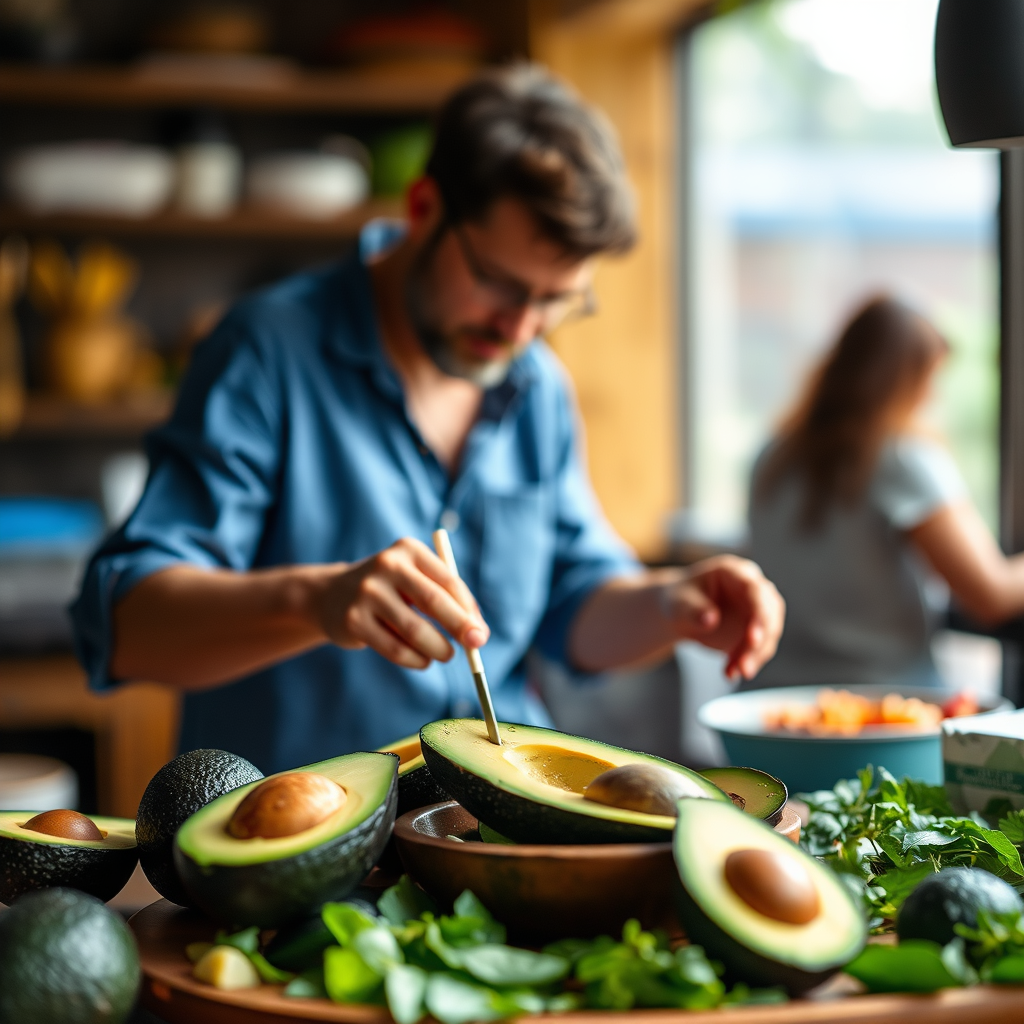
Avocados are incredibly versatile and can be enjoyed in various ways that align with keto-friendly eating. One popular method is to incorporate avocados into salads, where they can add creaminess and flavor. A simple salad of mixed greens, sliced avocado, grilled chicken, and a vinaigrette dressing can make for a satisfying meal.
Another delightful way to enjoy avocados is by blending them into smoothies. Adding half an avocado to your morning smoothie can provide a rich, creamy texture while boosting the healthy fat content without adding significant carbs. For a savory option, consider making guacamole. This classic dip can be enhanced with chopped tomatoes, onions, cilantro, and lime juice, making it a perfect accompaniment for raw vegetables or as a topping for grilled meats.
For those looking to explore avocado-based sauces, consider creating an avocado pesto. Blend ripe avocados with fresh basil, garlic, pine nuts, and olive oil for a nutrient-dense sauce that can be served over zoodles or as a dip for low-carb crackers. The possibilities are endless, and experimenting with different recipes can keep your meals exciting and flavorful.
Common Myths About Avocados and Keto
Despite their many benefits, several myths surround the consumption of avocados on a keto diet. One prevalent misconception is that avocados are too high in calories, which deters some individuals from including them in their meal plans. However, the nutrient density of avocados makes them a valuable addition to a ketogenic diet, offering essential fats, fiber, and vitamins that can enhance overall health.
Another myth is the concern regarding the fat content in avocados. While it is true that they contain a significant amount of fat, the majority of these fats are healthy monounsaturated fats, which are crucial for energy production on a keto diet. Healthy fats are not only satisfying but also play a vital role in hormone production and the absorption of fat-soluble vitamins. Educating oneself about the composition of avocados can help individuals make informed dietary choices rather than succumbing to myths.
Tips for Selecting and Storing Avocados
Selecting the right avocados is key to maximizing flavor and texture. When shopping for avocados, look for fruits that yield slightly to gentle pressure, indicating ripeness. Avoid avocados with dark, sunken spots or overly soft areas, as these may indicate overripeness or spoilage.
For optimal storage, keep unripe avocados at room temperature until they ripen. Once ripe, you can refrigerate them to extend their freshness. If you have leftover avocado, consider storing it with a bit of lemon juice to prevent browning. An airtight container can also help retain moisture and texture. By following these tips, you can ensure that your avocados remain fresh and flavorful for longer periods.
Eating a whole avocado on keto can be a delicious and nutritious choice, enhancing your meals while supporting your dietary goals. By understanding its benefits and how to incorporate it wisely, you can enjoy this superfood without guilt. With their low carb count, healthy fats, and versatility in the kitchen, avocados are undoubtedly a worthy addition to any ketogenic meal plan. So, go ahead and add that avocado to your plate!
Frequently Asked Questions
Can I eat a whole avocado on keto without exceeding my carb limit?
Yes, you can eat a whole avocado on a ketogenic diet without exceeding your daily carb limit. A medium avocado contains about 12-13 grams of carbohydrates, but it also has around 9-10 grams of fiber, which reduces the net carbs to approximately 2-4 grams. This low net carb count makes avocados an ideal choice for a keto diet, providing healthy fats and essential nutrients while keeping your carbohydrate intake in check.
What are the health benefits of eating an avocado on a keto diet?
Eating an avocado on a keto diet offers numerous health benefits, including high levels of heart-healthy monounsaturated fats, which can help reduce bad cholesterol levels. Additionally, avocados are rich in vitamins and minerals, such as potassium, magnesium, and vitamin E, which support overall health. Their high fiber content also promotes digestive health and helps you feel full longer, making them a perfect addition to your ketogenic meal plan.
How can I incorporate a whole avocado into my keto meals?
You can easily incorporate a whole avocado into your keto meals in various ways. Try slicing it over a salad for added creaminess, blending it into smoothies for a nutrient boost, or using it as a spread on low-carb bread. You can also enjoy it as a side with eggs, or even make guacamole to use as a dip or topping for your protein dishes, enhancing both flavor and nutritional value.
Why are avocados considered a superfood for keto dieters?
Avocados are considered a superfood for keto dieters due to their unique composition of healthy fats, low carbohydrates, and high fiber. They provide a significant source of energy while keeping carbs low, making them perfect for maintaining ketosis. Furthermore, the nutrients in avocados can aid in reducing inflammation and support heart health, making them a staple in many ketogenic diets.
Which types of avocados are best for a ketogenic diet?
While most avocados are suitable for a ketogenic diet, the Hass avocado is often favored for its creamy texture and rich flavor. It also has a higher fat content compared to other varieties, which aligns well with the high-fat requirements of keto. Whether you choose Hass or other types like Fuerte or Bacon, ensure they are ripe for the best taste and nutritional profile.
References
- https://www.healthline.com/nutrition/avocado-keto
- Sensitive breast: Possible causes and when to see a doctor
- https://www.ncbi.nlm.nih.gov/pmc/articles/PMC7071460/
- https://www.mayoclinic.org/healthy-lifestyle/nutrition-and-healthy-eating/expert-answers/avocado/faq-20058044
- https://www.cdc.gov/nutrition/data-statistics/know-your-limit.html
- Avocados • The Nutrition Source