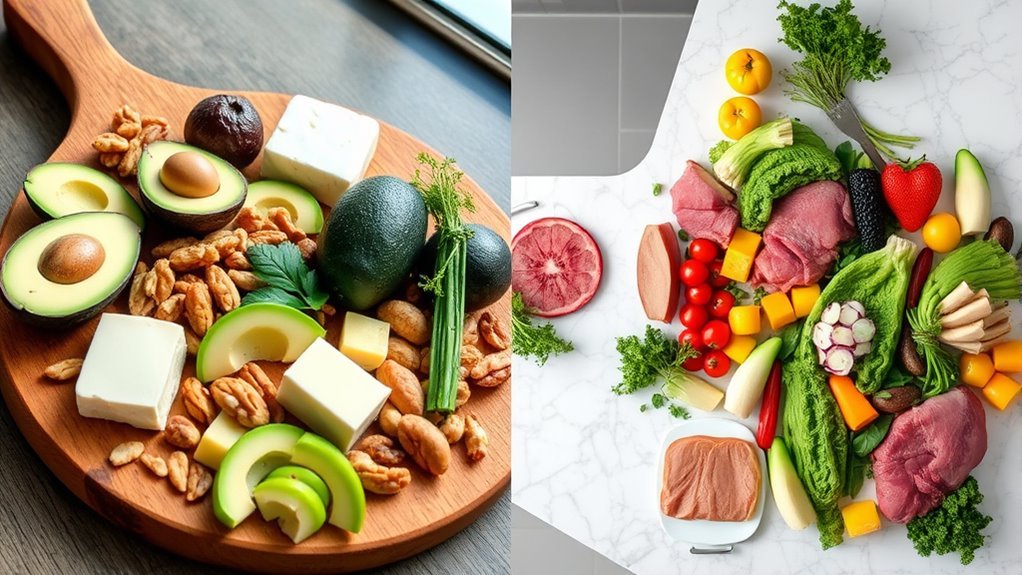

The Keto and Paleo diets differ mainly in their macronutrient compositions and food choices. Keto is low-carb and high-fat, aiming for ketosis to burn fat, while Paleo focuses on whole, unprocessed foods inspired by ancestral eating. Keto limits carbs to 5-10% and promotes high-fat proteins, whereas Paleo allows for 20-35% carbs with a focus on lean meats and vegetables. Both have unique health benefits and considerations, and there’s much more to explore about how they fit your lifestyle.
Understanding the Keto Diet
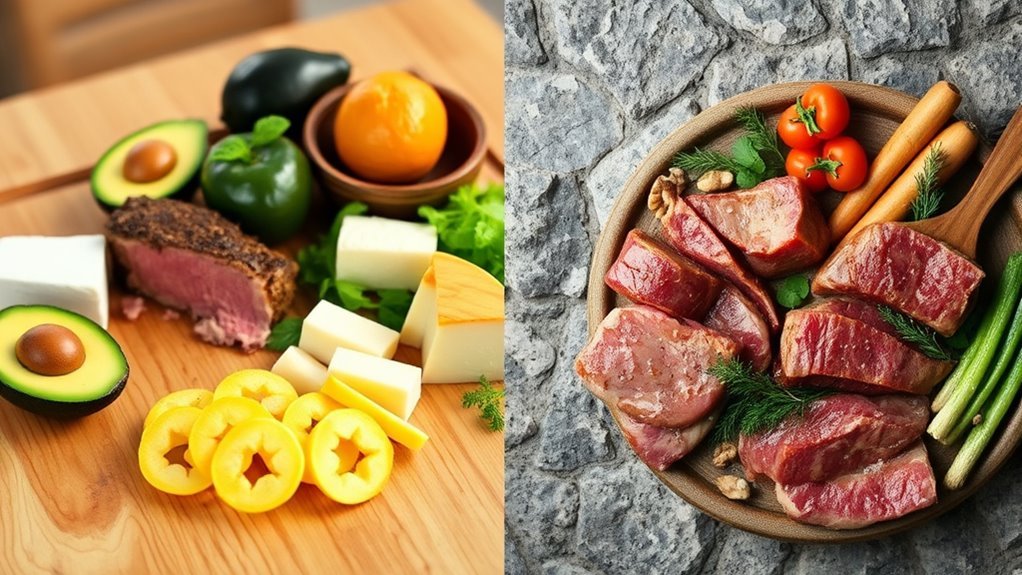
When you immerse yourself in the Keto diet, you’ll discover it’s a low-carb, high-fat eating plan designed to shift your body into a state of ketosis. This process allows your body to burn fat for fuel instead of carbohydrates, which can lead to weight loss and increased energy. However, many keto misconceptions linger, such as the belief that you can eat unlimited amounts of fat. In reality, portion control and keto meal planning are essential for success. You’ll also want to include a variety of nutrient-dense foods to guarantee you meet your nutritional needs. By understanding these principles, you can embrace the Keto lifestyle with confidence, gaining the freedom to enjoy delicious meals while optimizing your health.
Key Principles of the Paleo Diet
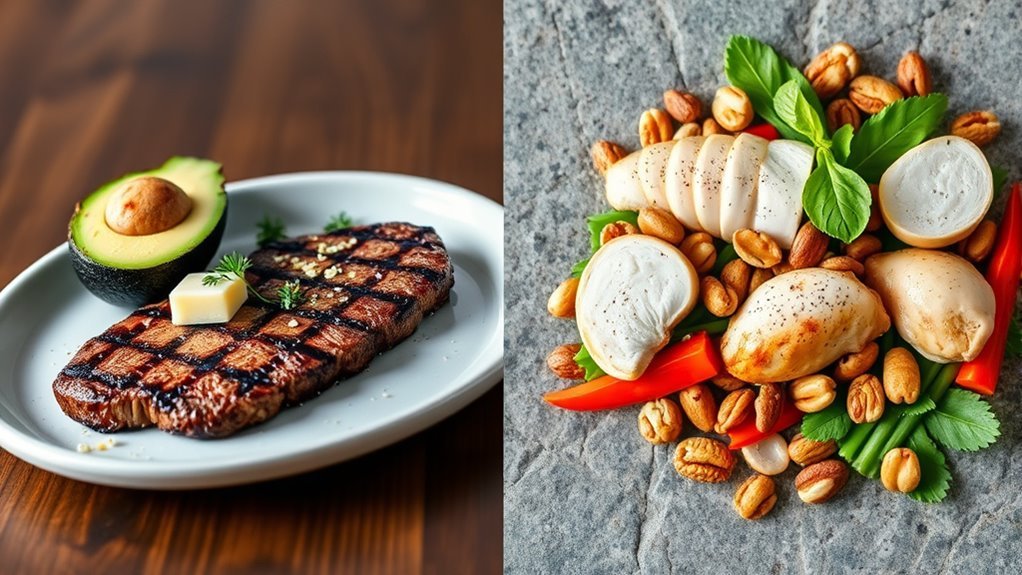
The Paleo diet emphasizes consuming whole foods that our ancestors would have eaten, such as fruits, vegetables, nuts, and lean meats. You won’t find processed sugars in this approach, as it aims to eliminate refined ingredients that can disrupt your health. By prioritizing meat, the diet encourages a higher protein intake, which can support muscle health and satiety.
Whole Foods Focus
Focusing on whole foods is a cornerstone of the Paleo diet, as it emphasizes the consumption of unprocessed, nutrient-dense ingredients akin to those available to our ancestors. This approach not only promotes health but also fosters a connection to the food you eat. By prioritizing whole foods, you’re likely to enhance your nutrient intake, supporting overall well-being.
| Food Group | Examples | Nutrient Density |
|---|---|---|
| Proteins | Grass-fed meat, fish | High |
| Vegetables | Leafy greens, root veggies | Very High |
| Fruits | Berries, apples | High |
| Nuts & Seeds | Almonds, chia seeds | Moderate to High |
| Healthy Fats | Avocado, olive oil | High |
Choosing whole foods can empower you to make healthier choices while enjoying delicious meals.
No Processed Sugars
Since processed sugars have been linked to various health issues, the Paleo diet strictly avoids them, encouraging you to choose natural sweetness from whole foods instead. By eliminating refined sugars, you can reduce the risk of conditions like obesity, diabetes, and heart disease. Instead of reaching for those sugary snacks, you can opt for sugar alternatives such as honey, maple syrup, or coconut sugar, which provide a more nutrient-dense option. Natural sweeteners not only satisfy your sweet tooth but also offer vitamins and minerals that processed sugars lack. Embracing this approach allows you to enjoy flavors without compromising your health, giving you the freedom to explore a variety of wholesome foods and flavors that align with your dietary goals.
Emphasis on Meat
By eliminating processed sugars, the Paleo diet paves the way for a focus on whole, nutrient-dense foods, particularly meats. This emphasis on meat allows you to enjoy various protein sources while considering quality and ethics. Here are some key aspects to keep in mind:
- Meat Quality: Opt for grass-fed, organic options when possible.
- Meat Sources: Include a range of meats like beef, pork, chicken, and fish.
- Protein Variety: Diversifying your protein sources can enhance nutrient intake.
- Ethical Considerations: Support sustainable and humane farming practices.
- Balance: Incorporate vegetables and healthy fats to create well-rounded meals.
Macronutrient Breakdown: Keto vs. Paleo
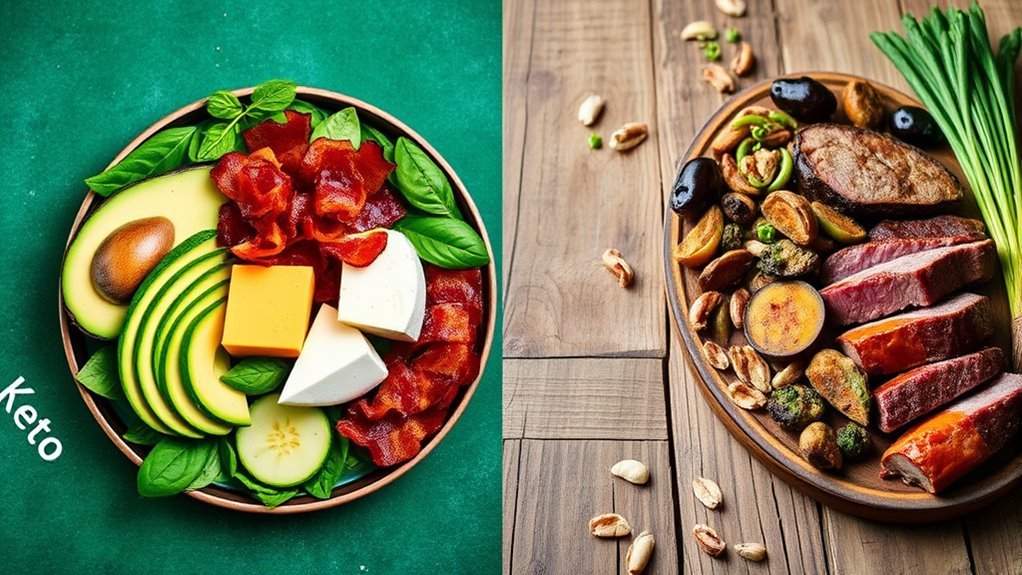
While both the Keto and Paleo diets emphasize whole foods, their macronutrient breakdowns differ markedly, which impacts how your body uses energy. Keto focuses on low carbohydrate ratios, typically around 5-10%, while Paleo allows for a moderate intake of carbs from fruits and vegetables. Protein sources in Keto are often higher in fat, whereas Paleo leans toward lean meats. Fat types also differ, with Keto promoting saturated fats, while Paleo encourages healthy fats from avocados and nuts.
Here’s a quick comparison:
| Diet | Carbohydrate Ratios | Protein Sources |
|---|---|---|
| Keto | 5-10% | High-fat meats |
| Paleo | 20-35% | Lean meats, fish |
| Eggs, nuts |
Understanding these differences can aid in effective meal planning and nutrient timing.
Food Lists: What to Eat and Avoid
When choosing between keto and paleo, it’s essential to understand what foods align with each diet. Keto emphasizes high-fat, low-carb options, while paleo focuses on whole foods and eliminates processed items. Knowing what to eat and avoid can help you make informed choices that suit your dietary goals.
Keto Food Choices
Maneuvering the keto diet can feel overwhelming, especially when it comes to making food choices. To thrive on keto, focus on high-fat, moderate-protein, and low-carb foods. Here’s a quick list of what to eat:
- Non-starchy vegetables (like spinach and broccoli)
- Healthy fats (avocado, olive oil, coconut oil)
- Low-carb dairy (cheese, yogurt)
- Meats and fish (grass-fed beef, salmon)
- Keto snacks and desserts (nuts, dark chocolate)
When you keep these options in mind, you’ll find it easier to create satisfying meals and enjoy guilt-free treats. Remember, the goal is to maintain a state of ketosis, so always check labels for hidden sugars and carbs. Enjoy the freedom that comes with mindful eating!
Paleo Food Guidelines
The Paleo diet emphasizes whole, unprocessed foods that were available to our ancestors, making it distinct from keto’s focus on macronutrient ratios. You’ll want to incorporate lean meats, fish, fruits, vegetables, nuts, and seeds into your meals. These foods create a balanced diet that supports your health and energy levels. When it comes to paleo friendly snacks, think of options like fresh fruit, raw nuts, or veggie sticks with guacamole. For effective paleo meal prep, plan your week by cooking large batches of proteins and roasted vegetables, ensuring you have nutritious options ready to go. Remember to avoid grains, dairy, legumes, and processed sugars, as they don’t fit into the Paleo lifestyle, allowing you the freedom to thrive naturally.
Health Benefits of the Keto Diet
Following a ketogenic diet offers several health benefits that can positively impact your overall well-being. The keto diet promotes keto adaptations, allowing your body to efficiently burn fat for fuel, enhancing your metabolic flexibility. Here are some key benefits you might experience:
- Weight loss and appetite control
- Improved blood sugar levels
- Enhanced mental clarity and focus
- Increased energy levels
- Reduced inflammation
These advantages can help you feel more vibrant and empowered in your daily life. By shifting your metabolism to utilize fats instead of carbohydrates, you can enjoy sustained energy and greater mental sharpness. As you embrace this lifestyle, you’ll likely discover a newfound sense of freedom in your health journey.
Health Benefits of the Paleo Diet
When considering the Paleo diet, you’ll find that it emphasizes nutrient-dense food choices, which can lead to improved overall health. Many people also report enhanced digestive health and increased energy levels after adopting this lifestyle. Understanding these benefits can help you decide if the Paleo approach aligns with your wellness goals.
Nutrient-Dense Food Choices
While many diets focus on calorie restriction or macronutrient ratios, the Paleo diet emphasizes nutrient-dense food choices that can offer significant health benefits. By prioritizing food quality, you can enhance nutrient absorption, which is essential for overall well-being. Here are some key aspects of nutrient-dense foods in the Paleo diet:
- Rich in vitamins and minerals
- High in healthy fats and proteins
- Low in processed sugars and grains
- Full of antioxidants and phytochemicals
- Supportive of sustainable eating practices
Choosing nutrient-dense foods can lead to improved energy levels, reduced inflammation, and better weight management. By focusing on whole, unprocessed ingredients, you’re not just nourishing your body—you’re empowering yourself to thrive.
Improved Digestive Health
Improved digestive health is one of the notable benefits of the Paleo diet, as it encourages the consumption of whole foods that are less likely to irritate the gut. By focusing on prebiotic foods and increasing fiber intake, you can support your gut microbiome, which is essential for nutrient absorption and overall gut health. The Paleo diet also promotes balanced meal frequency, ensuring a steady supply of digestive enzymes that aid in breaking down food efficiently. Reducing food sensitivities and inflammation can alleviate digestive disorders, making you feel more comfortable. Overall, adopting the Paleo lifestyle can lead to significant improvements in your digestive well-being, helping you enjoy a more vibrant and energetic life.
Enhanced Energy Levels
Energy is an essential component of our daily lives, and the Paleo diet can greatly enhance your energy levels. By focusing on whole foods, this diet optimizes energy sources for better metabolic efficiency. You might find improvements in various aspects of your life:
- Enhanced endurance improvement during workouts
- Better cognitive function throughout the day
- Increased exercise performance, allowing you to push harder
- Effective fatigue reduction, keeping you energized
- A balanced approach to nutrition, promoting overall liveliness
With the Paleo diet, you’re fueling your body with nutrient-dense foods that support sustained energy. Embracing this lifestyle can lead to a more vibrant and energetic existence, empowering you to tackle daily challenges with vigor.
Potential Drawbacks of the Keto Diet
Though the ketogenic diet has gained popularity for its potential weight loss benefits, it’s important to contemplate its potential drawbacks. One major concern is the risk of nutritional deficiencies. By greatly reducing carbohydrate intake, you might miss out on essential vitamins and minerals found in fruits, vegetables, and whole grains. This can lead to issues like fatigue and decreased immunity. Additionally, the long-term sustainability of the keto diet is debated. Many find it challenging to maintain such a restrictive eating pattern over time, which can lead to weight regain and frustration. If you’re considering keto, it’s essential to weigh these potential drawbacks against the benefits, ensuring your approach to health feels balanced and sustainable for your lifestyle.
Potential Drawbacks of the Paleo Diet
While the Paleo diet promotes whole, unprocessed foods, it also comes with potential drawbacks that deserve attention. You might find that some aspects could impact your health and lifestyle over time:
- Nutrient deficiencies: Eliminating entire food groups can lead to a lack of essential vitamins and minerals.
- Long term sustainability: Sticking to strict guidelines may be challenging, making it hard to maintain in the long run.
- Costly: High-quality, organic foods can strain your budget.
- Social situations: Dining out or attending gatherings may feel restrictive, limiting your options.
- Individual variability: The diet may not suit everyone, differing metabolic responses can lead to frustration.
Balancing the diet with flexibility might help mitigate these concerns while still enjoying its benefits.
Which Diet Is Better for Weight Loss?
Which diet reigns supreme for weight loss: Keto or Paleo? When it comes to shedding pounds, both diets can be effective, but it largely depends on your personal preferences and lifestyle changes. Keto typically promotes a caloric deficit by drastically reducing carbs, which can elevate your metabolic rate and enhance fat burning. Conversely, Paleo focuses on whole foods and can foster sustainable habits that support long-term results. While Keto may yield faster initial weight loss, sticking to Paleo might be easier for some, as it allows for more variety. Ultimately, the best diet for weight loss is the one you can maintain over time, leading to lasting changes and success in your health journey.
Choosing the Right Diet for Your Lifestyle
How do you choose the right diet that fits seamlessly into your lifestyle? Consider these key factors to guide your decision:
Choosing the right diet involves aligning your food preferences, lifestyle, goals, and health needs for long-term success.
- Dietary preferences: Identify what foods you enjoy and can sustain over time.
- Lifestyle compatibility: Evaluate how each diet aligns with your daily routine and commitments.
- Personal goals: Define what you aim to achieve—weight loss, muscle gain, or overall health.
- Health considerations: Consult with a healthcare professional regarding any medical conditions or allergies.
- Meal planning: Assess how easily you can plan, prepare, and enjoy meals in social settings.
Frequently Asked Questions
What is the main difference between the Keto and Paleo diets?
The primary difference between the Keto and Paleo diets lies in their macronutrient composition and food restrictions. The Keto diet is a high-fat, low-carbohydrate diet designed to induce ketosis, a metabolic state where the body burns fat for fuel instead of carbohydrates. In contrast, the Paleo diet focuses on whole, unprocessed foods that our ancestors would have eaten, such as meats, fish, fruits, vegetables, nuts, and seeds, while avoiding grains, legumes, and dairy. Keto emphasizes fat intake, while Paleo emphasizes whole food sources.
Can you eat dairy on the Paleo diet?
No, dairy is generally not allowed on the Paleo diet. The rationale behind this restriction is that our Paleolithic ancestors did not consume dairy products, as they were not domesticated until later periods. However, some variations of the Paleo diet may allow for certain types of dairy, such as grass-fed butter or ghee, which are lower in lactose and may be tolerated by some individuals.
Is the Keto diet suitable for everyone?
While the Keto diet can be effective for weight loss and certain medical conditions, it may not be suitable for everyone. Individuals with certain health conditions, such as liver or pancreatic disorders, should consult a healthcare professional before starting a Keto diet. Additionally, some people may experience side effects, commonly referred to as the “Keto flu,” during the initial transition period. It’s important to evaluate personal health needs and goals when considering this diet.
Which diet is better for weight loss, Keto or Paleo?
Both Keto and Paleo diets can be effective for weight loss, but they work in different ways. The Keto diet often leads to quicker initial weight loss due to the significant reduction in carbohydrate intake and the body’s shift to burning fat for fuel. However, the Paleo diet encourages a more balanced approach to food choices, focusing on whole, nutrient-dense foods, which can also lead to sustainable weight loss over time. Ultimately, the best diet for weight loss will depend on individual preferences and lifestyle.
Can you combine the Keto and Paleo diets?
Yes, it is possible to combine elements of both the Keto and Paleo diets, often referred to as a “Paleo Keto” approach. This hybrid diet would focus on high-quality, unprocessed foods while maintaining a low carbohydrate intake to promote ketosis. However, it’s important to ensure that the combined diet meets individual nutritional needs and does not lead to excessive restriction. Consulting with a nutritionist or dietitian can help create a balanced plan that aligns with personal health goals.
References
- https://en.wikipedia.org/wiki/Ketogenic_diet
- https://en.wikipedia.org/wiki/Paleo_diet
- https://www.health.harvard.edu/staying-healthy/the-paleo-diet
- https://www.ncbi.nlm.nih.gov/pmc/articles/PMC6077666/
- https://www.ncbi.nlm.nih.gov/pmc/articles/PMC6125031/
- https://www.medicalnewstoday.com/articles/321753
- https://www.cdc.gov/healthyweight/healthy_eating/what_is_a_healthy_diet.html
- https://www.healthline.com/nutrition/keto-vs-paleo-diet
- https://www.webmd.com/diet/what-is-the-paleo-diet
- https://www.verywellfit.com/keto-diet-vs-paleo-diet-5190854