

When you are trying to follow a ketogenic diet, figuring out what you can eat without knocking yourself out of ketosis can feel confusing and a little overwhelming. The good news is that once you know the core food groups—along with a few key “watch for” items—planning meals becomes straightforward. You will learn exactly which foods fit keto and how to think about them so you can make confident choices.
On keto, you mainly eat low-carb, high-fat foods—especially non-starchy vegetables, quality proteins, and healthy fats—while keeping sugar and grains out. This guide gives you a practical list of keto-friendly foods and simple rules to build meals without accidentally spiking carbs. In 2026, the most consistent wins still come from predictable “protein + non-starchy veg + fat” meals, then adjusting carbs based on your own results and label data.
If you’re new to keto (or restarting after a break), this is for you—especially if you’ve been wondering what “counts” and what to skip. We’ll focus on what’s generally workable for keto eating patterns and how to stay consistent.
Keto staples: what you can eat most days
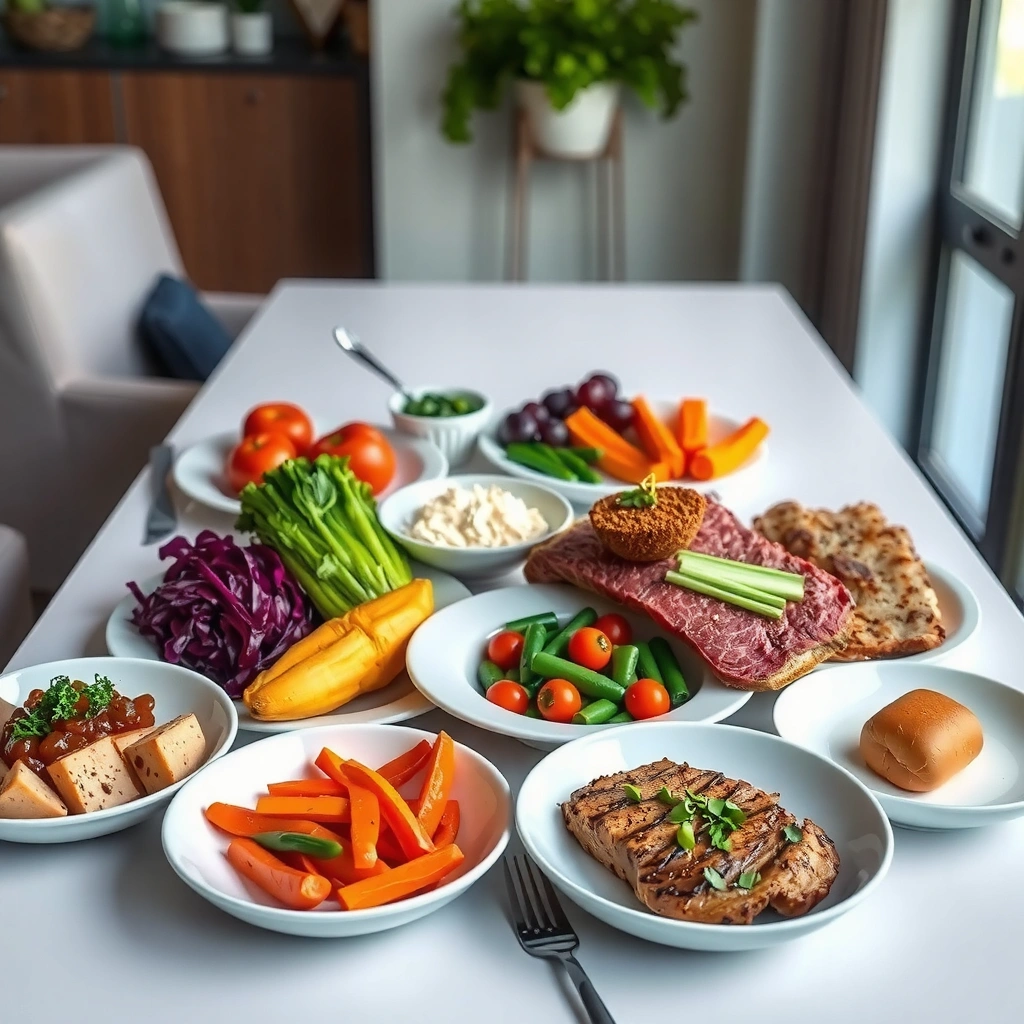
Keto staples are foods that fit naturally into low-carb, high-fat meals with minimal label surprises. For most people, these are the categories that make keto feel straightforward rather than complicated.
– Proteins (no sugar, low-carb by default): beef, pork, chicken, turkey, lamb, and fatty fish (like salmon, sardines, mackerel)
– Seafood & eggs: shrimp, scallops, crab; plus eggs in any form (boiled, scrambled, omelets)
– Low-carb veggies: leafy greens, broccoli, cauliflower, zucchini, mushrooms, peppers (watch portion sizes)
Why these staples work:
Protein and non-starchy vegetables provide structure for meals without supplying much carbohydrate. On nutrition labels, carbohydrates and protein both contribute 4 calories per gram, while fat contributes 9 calories per gram—a big reason keto meals are typically higher in fat for energy ([U.S. Food and Drug Administration (FDA)] (FDA Nutrition Facts labeling guidance) (2024)). When you keep carbs low and fat higher, many people find it easier to stay in a ketogenic eating range.
Practical serving approach (so you don’t overdo it):
Aim for “comfort portions,” not unlimited portions. Even keto-friendly vegetables can add up if you eat large amounts of higher-carb options like carrots or beets (not listed above for a reason). If you prefer “no guesswork,” weigh or measure once for a few days, then you’ll learn your portion sizes.
Healthy fats that fit keto
The simplest keto rule for fats is: choose fats that are real foods (or minimally processed) and use them to replace carbs, not add them on top of high-carb meals. In most keto plans, this is where the diet becomes both satisfying and sustainable.
– Cooking fats: olive oil, avocado oil, butter, ghee (unsweetened)
– Avocados & olives: avocado, olive oil-based dressings, and olives (portion for some brands/types)
– Nuts & seeds (in moderation): walnuts, almonds, chia, flax, pumpkin seeds—because carbs can add up
How to think about “good fats”:
Olive oil, avocado, and many nuts fit well because they’re nutrient-dense and help meals stay filling. But “keto-compatible” doesn’t mean “carb-free.” Nuts and seeds have meaningful carbohydrate content—fiber included—so they work best when you treat them like a food (measured or planned), not an all-day snack.
Label-reading tip (especially as labels evolve in 2024–2026):
Watch for added sugar in flavored oils, salad dressings, and “light” products. Even small amounts of sugar can push your daily carb target higher than you expect.
Keto-friendly “sometimes” foods (check labels)
Some foods can fit keto, but they’re more likely to break your carb budget because they contain sugar, starch, or hidden sweeteners. This is where label reading matters most—particularly in 2026 when more products have “health claims” that don’t match keto.
– Dairy: cheese, plain Greek yogurt, and cream are common—choose unsweetened options and watch added sugar
– Condiments & sauces: mayo, mustard, and keto-friendly sauces are often fine, but ingredients vary a lot
– Berries & fruit: small portions of raspberries/blackberries can work for some people, while most other fruit is usually too carb-heavy
Dairy: common and usually workable
Plain, unsweetened dairy typically fits because dairy carbohydrates are limited and many products are straightforward. Greek yogurt can be tricky: “plain” matters, but so does how much you eat. In my day-to-day review of keto meal plans people bring in (and the label checks I do alongside them), the most common dairy slip is added sugar—especially in “light,” “fat-free,” or “flavored” yogurts.
Condiments: the hidden carb zone
Mayo and mustard are often fine, but sauces vary widely (e.g., barbecue sauce and teriyaki-style products). If you’re not tracking carbs, sauces are one of the easiest ways to “feel like you did everything right” while still going over.
Fruit timing:
If fruit fits you, berries are usually the gateway. Many keto eaters treat fruit as a planned dessert—not a casual snack—so it doesn’t quietly displace lower-carb vegetables.
How to build a keto meal that stays low-carb
A keto meal stays low-carb when you build it around a simple template: protein + non-starchy vegetables + a fat source. If you follow that structure most of the time, you’ll rarely need complicated rules.
– Use a simple plate: 1–2 palm-sized portions of protein, 2 fists of non-starchy vegetables, and a fat source (olive oil, butter, avocado)
– Plan for flavor without sugar: herbs, garlic, salt, pepper, vinegar, and lemon (within reason) help you stay on track
– Track carbs the way you mean to: many people keep carbs low by using a nutrition label or an app—decide on your target and stick to it ()
The “label math” most people should actually use
Carbs are the lever on keto. When you compare foods, use the nutrition facts for total carbohydrates and subtract fiber when you use “net carbs” (only if your approach subtracts fiber consistently). This keeps your process repeatable in 2026.
Also remember this context: added sugar recommendations are still about limiting excess intake. The Dietary Guidelines for Americans recommend added sugars stay under 10% of daily calories ([U.S. Department of Health and Human Services & U.S. Department of Agriculture] (Dietary Guidelines for Americans 2020–2025) (2020)). Keto is basically a more structured way to do that—without needing to count sugar alone.
Quick comparison: track carbs vs. estimate
If you hate tracking, don’t force it—but be honest about how strict your keto needs to be.
| Approach | Best for | Pros | Cons |
|---|---|---|---|
| Track carbs from labels/app | People who need precision (stalling, restarting keto, weight goals) | Predictable results; easier to adjust portions | Takes a few minutes; can feel repetitive |
| Estimate using the plate template | People early in the process or maintaining easily | Lower effort; you still follow the structure | Harder to troubleshoot plateaus |
| Hybrid (track 3–5 days, then maintain) | Most beginners and “restart” cases | Faster learning curve; balances effort and accuracy | Requires discipline during the tracking window |
From a practical standpoint, many people improve faster when they track briefly, not forever. As of 2024–2026, the nutrition databases in apps are more complete than they were years ago, but label differences still matter—especially for packaged sauces and “keto” snacks.
What can go wrong (common keto mistakes)
Keto usually fails for predictable reasons: hidden carbs, inconsistent portions, and missing electrolytes. If you correct those quickly, keto becomes much easier to maintain.
– Accidentally eating hidden carbs: breading, marinades, sweet sauces, and “light” products can add carbs fast—always check labels
– Going too heavy on “keto snacks”: nuts, cheese mixes, and keto bars can be calorie-dense and may slow progress even if they fit macros
– Skipping electrolytes if you feel off: some people experience headaches or fatigue when starting keto—adding salt and fluids (and discussing with a clinician if needed) can help
The hidden-carb list that trips people up
Even when the food “looks keto,” carbs can come from:
– Breading on chicken or fish
– Marinades with sugar or honey
– Sauces like ketchup, sweet chili, teriyaki, and barbecue
– “Keto” packaged snacks that vary widely by brand and serving size
In my experience reviewing typical beginner mistakes, most aren’t about willpower—they’re about ingredients that weren’t on the radar the first time.
Electrolytes: why you may feel worse before you feel better
Many beginners experience the “keto transition” as the body adapts to lower carbohydrate intake. One common issue is electrolyte imbalance. While salt and fluids aren’t the same for everyone, it’s often the difference between “this is miserable” and “this is manageable.” If you have medical conditions or medications, discuss electrolyte changes with a clinician first.
Also, fiber matters: keto diets can become too low in vegetables if people over-rely on meat and cheese. The Institute of Medicine (via Adequate Intake recommendations) suggests fiber targets around 14 grams per 1,000 calories ([National Academies of Sciences, Engineering, and Medicine] (Dietary Reference Intake framework) (2005)). Getting fiber from non-starchy vegetables supports digestion without derailing carbohydrate goals.
Verdict / tip (what I’d do first)
If you want the easiest, least frustrating start: stick to whole foods (eggs, meat, fish, low-carb vegetables, olive oil, avocado) for your first couple of weeks, then expand. The downside is that keto can feel restrictive at first, and label-reading matters more than you might expect—so if you don’t want to track carbs at all, keto may be harder to maintain.
If you’re pregnant, breastfeeding, have diabetes (especially if on medication), kidney disease, or a history of eating disorders, talk with a healthcare professional before starting. And if you get persistent symptoms (dizziness, severe fatigue, chest pain), don’t “push through”—get medical advice.
Quick keto checklist (scan/save)
Use this as a fast yes/no guide:
– ✅ Proteins: beef, chicken, turkey, pork, lamb, eggs, fish, shellfish
– ✅ Veggies: leafy greens, broccoli, cauliflower, zucchini, mushrooms, peppers
– ✅ Fats: olive oil, butter/ghee, avocado, olives
– ✅ Dairy (unsweetened): cheese, cream, plain Greek yogurt (check sugar)
– ⚠️ Nuts/seeds & berries: ok in portions—carbs add up
– ❌ Avoid: sugar, soda/juice, bread, rice, pasta, potatoes, most grains, most legumes, desserts
– ⚠️ Watch labels: sauces, marinades, “keto” snacks/bars, flavored yogurt
Frequently Asked Questions
What can you eat on the keto diet for breakfast?
On keto, choose low-carb, high-fat options like eggs (scrambled or omelet), bacon or sausage (without added sugar), and avocado. You can also have full-fat Greek yogurt or cottage cheese in small portions if they fit your net carb limit. To keep keto breakfast practical, focus on adding non-starchy vegetables like spinach, mushrooms, and peppers, and use olive oil or butter for healthy fats.
How do you build a keto meal plan when you don’t know what foods fit?
Start by setting a daily net carb target (often 20–50g net carbs) and build meals around protein, fats, and non-starchy vegetables. Good keto staples include salmon, chicken thighs, beef, tuna, eggs, cheese, olive oil, nuts, and seeds. Then add fiber-rich low-carb veggies like broccoli, zucchini, and cauliflower, and track carbs from labels so you don’t accidentally exceed your keto macro.
Why are “net carbs” important on keto, and what can you eat that stays low-carb?
Net carbs matter because keto diets rely on carbohydrate restriction to keep you in ketosis, so you need to choose foods with fewer carbs after fiber. Keto-friendly foods typically include meat, fatty fish, eggs, most cheeses, butter, olive oil, avocados, and many low-carb vegetables. Be cautious with fruits, starchy vegetables, grains, and “keto” processed foods that may include sugar alcohols or hidden carbs that push your total over the limit.
What are the best keto snacks if you get cravings between meals?
The best keto snacks are those that are portion-controlled and carb-light, such as cheese slices, olives, boiled eggs, pepperoni, or a small handful of nuts (like macadamias or walnuts). You can also use keto-friendly options like guacamole with cucumber or celery, or full-fat Greek yogurt with a small amount of berries if it fits your carb count. For salty cravings, look to broth, pickles, or beef jerky without added sugar—always check the nutrition facts.
Which foods should you avoid on keto to prevent keto flu or breaking ketosis?
Avoid high-carb foods like bread, pasta, rice, potatoes, corn, sugary desserts, and most fruit juices, since they can quickly raise carbs. Also limit starchy vegetables (like peas and carrots) and watch for hidden sugars in sauces, marinades, and salad dressings. If you’re new to keto, avoiding these common traps helps you stay consistent with keto macros and supports smoother ketosis transition.
📅 Last Updated: November 03, 2026 | Topic: what can u eat on the keto diet | Content verified for accuracy and freshness.
References
- Ketogenic diet
- https://www.mayoclinic.org/diseases-conditions/diabetes/in-depth/keto-diet/art-20491548
- https://health.clevelandclinic.org/keto-diet/
- https://www.nccih.nih.gov/health/keto-and-other-low-carbohydrate-diets
- Checking your browser – reCAPTCHA
- https://www.hsph.harvard.edu/nutritionsource/healthy-weight/diet-reviews/ketogenic-diet/
- https://scholar.google.com/scholar?q=what+foods+can+you+eat+on+the+keto+diet Google Scholar
- https://scholar.google.com/scholar?q=ketogenic+diet+allowed+foods+carbohydrates+protein+fat Google Scholar
- https://scholar.google.com/scholar?q=ketogenic+diet+nutrition+therapy+epilepsy+diet+composition Google Scholar


Pingback: What Desserts Are Keto Friendly? Top Options and How to Choose - Keto Model