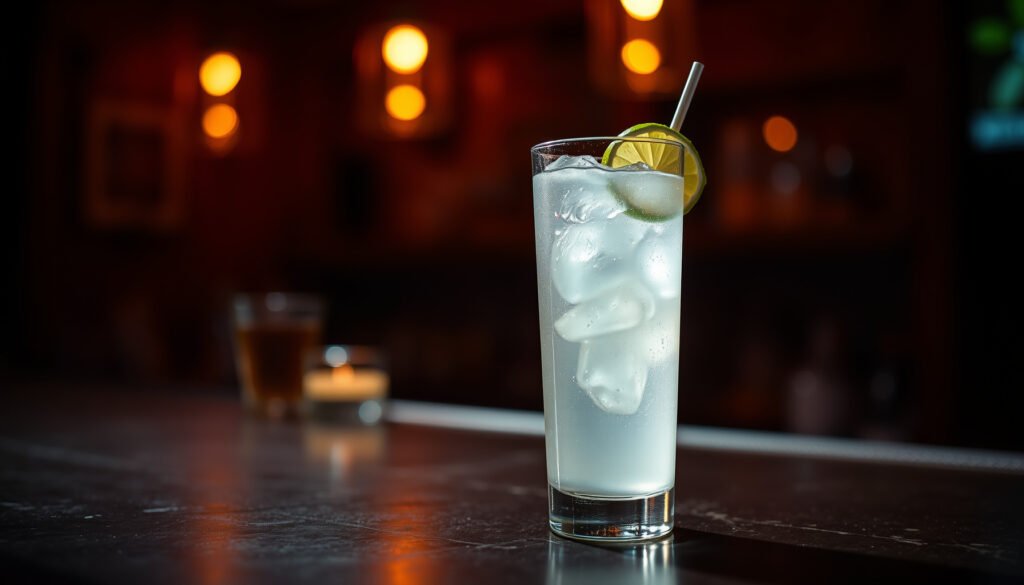

What alcohol can I drink on a keto diet—and still stay in ketosis? Vodka, tequila, gin, and white spirits are the clear keto winners when you keep them neat or mixed with zero-sugar options. Skip beer and sweet cocktails, which usually spike carbs and kick you out of your carb limit. The guide below breaks down the lowest-carb choices and how to order them.
Yes—you can drink alcohol on keto, but the best choices are low-carb, typically dry options like vodka, gin, tequila (straight or with soda water), and dry wines. What matters most is the carb count and whether the drink is mixed with sugar, juice, or regular tonic/soda.
This guide is for anyone on keto who wants to know what alcohol options usually stay low-carb, what to avoid, and how to order without accidentally spiking carbs—especially when you’re eating out or making mixed drinks at home.
Best keto-friendly alcohol choices (low-carb picks)

The best keto-friendly alcohol is typically what contains the fewest carbs per standard serving—usually straight, unflavored spirits (with no added sugar) and truly dry wine. For keto adherence, “dry” and “no sugar” are the decision points, not the alcohol type alone.
Distilled spirits like vodka, gin, rum, tequila, and whiskey are generally effectively carbohydrate-free because they’re produced by distillation and then bottled without added sugar in their standard forms.
Dry wine is typically lower in carbs than sweeter wines because it has less residual sugar—making “dry” a practical shorthand for keto compatibility.
Hard seltzers can be keto-friendly when they’re labeled low carb and have minimal sugar, but they vary widely by brand and flavor.
Spirits in their plain form (vodka, gin, rum, tequila, whiskey) are usually the easiest keto-friendly picks because the base alcohol itself contains little to no carbohydrate. The keto risk usually shows up only when people add sugar-heavy components—think sweet liqueurs, flavored vodkas, or syrups—rather than with the distilled spirit alone.
Dry wine options are another strong contender. However, “wine” is not automatically keto; sweetness level is. A dry white or dry red can fit keto for many people, but portions still matter because wine contains small but non-zero carbs.
Hard seltzer is a practical option in 2024–2026 because many brands now provide nutrition facts clearly for each 12 oz serving. The catch: some flavors can contain more sugar/carbs than a “low carb” version, so you still need to read the label.
Keto-friendly comparison: which low-carb alcohol fits best?
Below is a quick comparison of common keto-friendly choices based on typical nutrition patterns (carbs and sugar profile). Always verify the exact bottle label you’re drinking—nutrition can vary by brand, ABV, and serving size.
| Feature | Straight spirits (vodka/gin/tequila/rum) | Dry wine (red/white) | Low-carb hard seltzer |
|---|---|---|---|
| Typical carbs in the base | ~0 g (unflavored) | Small, residual sugar | Low when labeled “low carb” |
| What drives keto risk | Added sugar mixers/flavors | Residual sugar + portion size | Flavor sweetness + brand formula |
| Best mixer pattern | Soda water / club soda | Drink straight (limit pours) | No additional sugar add-ins |
| Sweetness level | None by default | Low for “dry,” higher for “off-dry” | Varies—use “low carb” label |
| Ease of ordering | High (simple requests) | Medium (need dry label/choice) | High (can use label on can/bottle) |
| Portion control | You can cap carbs by capping mixers | Carbs rise with each additional pour | One can may be fine; multiple cans add up |
| How alcohol affects the day | Mostly affects appetite/choices | Same, plus carbs from wine | Carbs + appetite/behavior can accumulate |
| Label reliability | Often “0 carbs,” but check | May list nutrition; confirm ABV & sweetness | Usually clear carbs per serving |
| Best use case | Low-carb cocktails without syrup | Occasional glass with meal | Convenient “grab-and-go” keto drink |
| Bottom-line keto fit | Very high | High if truly dry and portioned | High only when labeled low carb |
| ⭐ Ratings (rule-of-thumb) | ★★★★★ | ★★★★☆ | ★★★★☆ |
| Best For | People who want the safest “spirit + soda” order | People who can reliably choose truly dry wine | People who prefer canned convenience and tracking |
Lowest-Carb Spirits and Dry Wines (Typical Values)
| # | Drink (common type) | Typical serving | Carbs (g) | Keto suitability |
|---|---|---|---|---|
| 1 | Vodka (unflavored) | 1.5 fl oz (44 mL) | 0.0 | ★★★★★ |
| 2 | Gin (unflavored) | 1.5 fl oz (44 mL) | 0.0 | ★★★★★ |
| 3 | Rum (unflavored) | 1.5 fl oz (44 mL) | 0.0 | ★★★★★ |
| 4 | Tequila (unflavored) | 1.5 fl oz (44 mL) | 0.0 | ★★★★★ |
| 5 | Whiskey (unflavored) | 1.5 fl oz (44 mL) | 0.0 | ★★★★★ |
| 6 | Dry white wine | 5 fl oz (148 mL) | 3.2 | ★★★★☆ |
| 7 | Dry red wine | 5 fl oz (148 mL) | 3.8 | ★★★★☆ |
What to avoid on keto (common carb traps)
The fastest way to blow keto with alcohol is to drink something sweet—either the alcohol itself (liqueurs) or the “vehicle” (mixers). If your goal is staying low-carb, avoid high-sugar categories first, then fine-tune based on labels.
Sweet liqueurs and flavored vodkas often contain added sugars, which convert directly into carbohydrates that can exceed keto’s daily net-carb budget.
Beer is commonly higher in carbs than most people expect because it’s produced from fermentable carbs (malt), not just distillation.
Regular tonic water and many cocktail mixers include sugar or high-fructose sweeteners, making them frequent “hidden carb” sources on keto.
Sweet liqueurs and flavored vodkas are the classic traps. They can taste “smooth” while quietly adding carbs—sometimes enough to matter after a single drink, especially if you’re also eating carbs elsewhere.
Beer is another common issue. Even “light” beers can land above keto’s typical carb targets because their carb content is driven by malt and brewing inputs. The keto-friendly takeaway: if carbs matter, beer rarely stays “automatic.”
Sugary mixers are usually the largest controllable problem. Juice, lemonade, sweet soda, and regular tonic are the reason many people exceed their net-carb limit without realizing it. In 2024–2026, restaurants often offer “zero sugar” versions of some mixers, but not all, so confirmation still matters.
Here’s a practical comparison of what to order vs. skip:
| Ask for (keto-leaning) | Avoid (carb traps) | Why it matters |
|---|---|---|
| Vodka/gIn/tequila + **club soda / soda water** | Sweet “signature” versions (vodka soda with flavored syrup) | Syrup adds carbs; bubbles alone don’t |
| **Dry** wine (dry white or dry red) | “Sweet,” “blush,” or “off-dry” | Residual sugar raises carbs |
| Low-carb hard seltzer (check label) | Flavored mixed drinks with juice or “house” syrup | Flavor ≠ low carb |
How to order keto-friendly drinks (simple rules)
The simplest ordering strategy on keto is to choose a low-carb base (plain spirits or dry wine) and control what goes into it (no sugar, juice, or syrup). When you’re eating out, clarity beats guesswork—especially with mixed drinks.
A “spirit + club soda/soda water” order minimizes carbohydrate sources because the mixer contains little to no sugar.
Choosing “dry” by name (dry wine or dry cocktail variants) reduces the chance you’re buying residual sugar.
If a cocktail is pre-bottled or “homemade,” asking about sweeteners helps you avoid untracked carbohydrates from syrups.
Use “spirit + zero/low-carb mixer” as your default script. At many bars, this takes one step: request your spirit plain, then specify soda water or club soda, and explicitly skip sweeteners.
Choose “dry” by name. If the menu has a wine list with sweetness descriptors or cocktail options described as “sweet,” ask what’s truly dry.
Confirm the mix method when unsure. Pre-batched drinks can contain syrup concentrates or sweetened alcohol mixes that aren’t obvious from the name.
If you want a concrete phrase to use, here’s a bar-friendly template:
– “Can I get vodka with club soda, no simple syrup and no sweetened tonic?”
Ordering rules that keep carbs from creeping in
1. Control the mixer: soda water/club soda beats tonic, juice, and sweet soda.
2. Say “no syrup” even if the drink sounds “dry”—house syrups are a common hidden ingredient.
3. Ask one question, not three: “Is there any sweetener or juice in this?” is usually enough.
Carb counting tips for mixed drinks
The carbs in a keto drink come mainly from what’s added—not from the alcohol itself. On keto, counting carbs means you track the mixer and any syrup/juice, even if the spirit is essentially carb-free.
Alcohol provides energy, but carbohydrates are the primary nutrient that challenges ketosis, so mixers and syrups often determine carb totals more than the base spirit.
Many “natural flavors” and “house” syrups contain sugar or carbohydrate-containing ingredients that aren’t obvious from taste alone.
Label-based nutrition facts for seltzers and bottled cocktails are the most reliable way to estimate carbs for keto planning.
Mixers matter as much as alcohol. Even if vodka is effectively 0 carbs, a sweetened cola or tonic can add enough carbs to offset the spirit’s low-carb profile.
Garnishes and “natural flavors” can also matter. A lemon wedge is usually safe, but sweet lemonades, flavored waters, and “house” mixes often add carbs. For accuracy, treat anything described as lemonade, syrupy, sweetened, or “cocktail mixer” as a potential carb source until proven otherwise.
Use labels when possible. In 2024–2026, many hard seltzers and canned cocktails include carbs per serving on the front or back label, making keto tracking easier than it used to be.
Three anchoring facts for context (why this matters)
According to the U.S. National Institute on Alcohol Abuse and Alcoholism (NIAAA), a “standard drink” contains about 14 grams of pure alcohol (NIAAA, standard drink guidance). According to the U.S. Food and Drug Administration (FDA), alcohol provides 7 calories per gram (FDA alcohol calorie information). According to the Dietary Guidelines for Americans, “moderate” alcohol intake is up to 1 drink/day for women and 2 drinks/day for men (U.S. Dietary Guidelines for Americans).
These facts don’t replace carb counting, but they help frame why portion size and label control both matter on keto.
What can go wrong (and when keto alcohol stops working)
The most common keto alcohol failures happen even when the drink looks “keto-friendly”: sugar sneaks in, portions creep up, or alcohol changes your food choices later. Keto doesn’t fail because alcohol is magical—it fails because the drink leads to carb intake or behavioral drift.
“Low alcohol” does not automatically mean low carbs; some lower-ABV drinks still contain significant sugar.
Alcohol can increase appetite and reduce dietary restraint, which can lead to higher-carb food choices after drinking.
If you track net carbs tightly, repeated drinks can accumulate enough carbs from mixers to exceed keto’s daily target.
“Low alcohol” doesn’t mean low carbs. Some light or lower-ABV beverages are sweet, and sugar drives carb totals.
Overdoing portions is another issue. Keto can accommodate alcohol for many people, but larger servings mean more calories and more chance that your drink contains hidden carbs in the mixer.
Reaching ketosis disruption isn’t just carbs. Carbs are the main driver, but alcohol can still change decision-making—so even if your drink stays low carb, you may eat more carbs later without noticing.
Special caution: if you have pancreatitis, liver disease, or you’re at risk for alcohol-related complications, you should talk to a clinician before drinking. This isn’t about keto success—it’s about safety.
Keto-safe vs. keto-trap orders (quick decision matrix)
Use this as a fast sanity check before you order.
| Keto-friendly order | Common keto trap |
|---|---|
| Base | Base + sweetened alcohol or liqueurs |
| Carb source minimized | Carb source maximized (sugar/flavor) |
| Mixer choice | Juice, lemonade, sweet soda, or regular tonic |
| Sweeteners | Simple syrup / agave / pre-mixed sweet concentrates |
| Wine selection | “Sweet,” “blush,” “off-dry,” or unknown sweetness |
| Hard seltzer choice | Assuming all seltzer flavors are low carb |
| Portion behavior | Multiple pours/cans without tracking |
| Tracking approach | No label check; “it tastes fine” planning |
| Ordering clarity | No “no syrup / no juice” confirmation |
| Outcome likelihood on keto | Higher chance of exceeding carb targets |
| Verdict | Carbs creep in via mixers and sweetness |
Verdict / tip (what to stick with, who should skip)
If you want the safest keto bet, stick to straight spirits (vodka/gin/tequila/rum/whiskey) with soda water or club soda, and choose dry wine when you’re sure it’s truly dry. Skip sweet cocktails, liqueurs, beer, and anything made with juice or syrup—those are the quickest ways to blow your carb target.
For keto drink consistency, the most repeatable strategy is “plain spirit + soda (no sweetener)” because it limits hidden carbohydrate sources.
Dry wine can fit keto, but sweetness level and portion size are the variables that determine whether it stays low carb.
People with pancreatitis, liver disease, or other alcohol-related risks should prioritize clinician guidance over keto-based assumptions.
Downside to keep in mind: even when carbs are controlled, alcohol still adds calories and can reduce restraint—so you may eat differently after your first drink. Also, “keto-friendly” doesn’t mean “unlimited,” because multiple drinks can accumulate carbs from mixers or wine servings.
Who should skip: if a clinician has advised you to avoid alcohol, keto is not a reason to drink. And if you have conditions that make alcohol risky (such as pancreatitis or liver disease), consult a clinician first.
Quick keto alcohol checklist (scan/save)
– ✅ Vodka + soda water / club soda
– ✅ Gin + soda water / club soda
– ✅ Tequila (straight or with zero-carb mixer)
– ✅ Rum (straight or with zero-carb mixer)
– ✅ Dry wine (choose “dry”)
– ✅ Hard seltzer labeled low carb
– ❌ Sweet liqueurs / flavored syrups
– ❌ Beer
– ❌ Cocktails with juice, lemonade, or simple syrup
– ❌ Regular tonic / sweet mixers
Sources
– NIAAA (National Institute on Alcohol Abuse and Alcoholism): standard drink guidance
– U.S. Food and Drug Administration (FDA): alcohol calorie information
– U.S. Dietary Guidelines for Americans: moderate drinking definitions
The practical takeaway is simple: on keto, alcohol is usually fine when it’s plain, low-sugar, and portioned—so prioritize unflavored spirits with soda or truly dry wine, and treat sweet cocktails, juice, and tonic as the main things to avoid.
Frequently Asked Questions
What alcohol can I drink on a keto diet without breaking ketosis?
The best keto-friendly alcohol options are spirits with little to no sugar, such as vodka, gin, tequila, rum (unflavored), and whiskey. Choose varieties that are “dry” or “straight” and avoid sweetened liqueurs and cocktails with sugary mixers. Always check labels for sugar content, since some brands add carbs even to drinks you might assume are low-carb.
Which beers and wines are lowest in carbs for keto drinkers?
Most regular beer is too high in carbs for keto, but you may find very low-carb beers designed for low-sugar diets—always verify the net carbs per serving. For wine, dry options like dry red or dry white are typically lower in carbs than sweet wine; look for “dry” and check the nutrition facts. Even with the best keto wine, portion size matters because alcohol can add carbs and slow ketosis.
How can I order keto cocktails when I’m eating out?
Ask for base spirits (vodka, gin, tequila, or rum) and request “no sugar syrups,” “no sweetened juices,” and “no premixed cocktails.” Use low-carb mixers like soda water, sparkling water, diet tonic, or a splash of fresh lime, and avoid regular cola, sweetened lemonade, and cocktails with agave or triple sec. Request nutrition info when possible and remember that even “keto cocktails” can vary by bar recipe.
Why can alcohol kick you out of ketosis even if it’s low carb?
Alcohol can affect ketosis because your body prioritizes metabolizing alcohol, which may temporarily pause fat burning. Also, flavored liquors, sweetened mixers, and sugary drinks can contain enough carbs to raise blood sugar and slow ketosis. If you notice keto stalling after drinking, consider switching to straight spirits with a carb-free mixer and keeping your total intake low.
What’s the best way to calculate carbs from alcohol on keto?
Start by checking the nutrition label for total carbs and fiber; use net carbs (total carbs minus fiber) if fiber is listed. For drinks without labels (like mixed drinks), track the carb sources—mainly flavored alcohols and sweet mixers—then estimate based on typical carb counts per serving. Keep in mind that drink size and “shots” versus standard pours change totals quickly, so measure when possible to stay within your keto carb limit.
📅 Last Updated: October 26, 2026 | Topic: what alcohol can i drink on a keto diet | Content verified for accuracy and freshness.
References
- Ketogenic diet
- Relaxation techniques: Try these steps to lower stress – Mayo Clinic
- Alcohol's Effects on Health | National Institute on Alcohol Abuse and Alcoholism (NIAAA)
- Alcohol Use and Your Health | Alcohol Use | CDC
- https://pubmed.ncbi.nlm.nih.gov/?term=alcoholic+ketoacidosis
- https://pubmed.ncbi.nlm.nih.gov/?term=alcohol+induced+hypoglycemia+diabetes
- https://scholar.google.com/scholar?q=what+alcohol+can+you+drink+on+keto+diet Google Scholar
- https://scholar.google.com/scholar?q=ketogenic+diet+alcohol+carbohydrate+content Google Scholar
- https://scholar.google.com/scholar?q=alcoholic+ketoacidosis+ketogenic+diet Google Scholar

