Oatmeal isn’t typically considered keto-friendly due to its high carbohydrate content, which can hinder your ability to maintain ketosis. For example, rolled oats contain about 66 grams of carbs per 100 grams. While oatmeal may have fiber benefits, the net carbs can still impact your dietary goals. If you’re following a ketogenic diet, you might want to explore low-carb alternatives that fit better. To discover more about those options, keep exploring your choices.
Understanding the Ketogenic Diet

When you’re exploring the ketogenic diet, it’s vital to understand its core principles. At its heart, the ketogenic diet focuses on drastically reducing carbohydrate intake while increasing healthy fats. This shift encourages your body to enter a state of ketosis, where it burns fat for fuel instead of carbs. Embracing a low carb lifestyle means prioritizing foods rich in fats and proteins, such as avocados, nuts, and meats, while minimizing grains, sugars, and starchy vegetables. Research shows that this approach can lead to improved energy levels and weight loss for many. However, it’s crucial to tailor the diet to your individual needs and preferences, ensuring that you feel satisfied and free in your food choices while adhering to these ketogenic principles. Understanding macronutrient ratios is essential for successfully maintaining ketosis and reaping the benefits of this diet.
Carbohydrate Content of Oatmeal
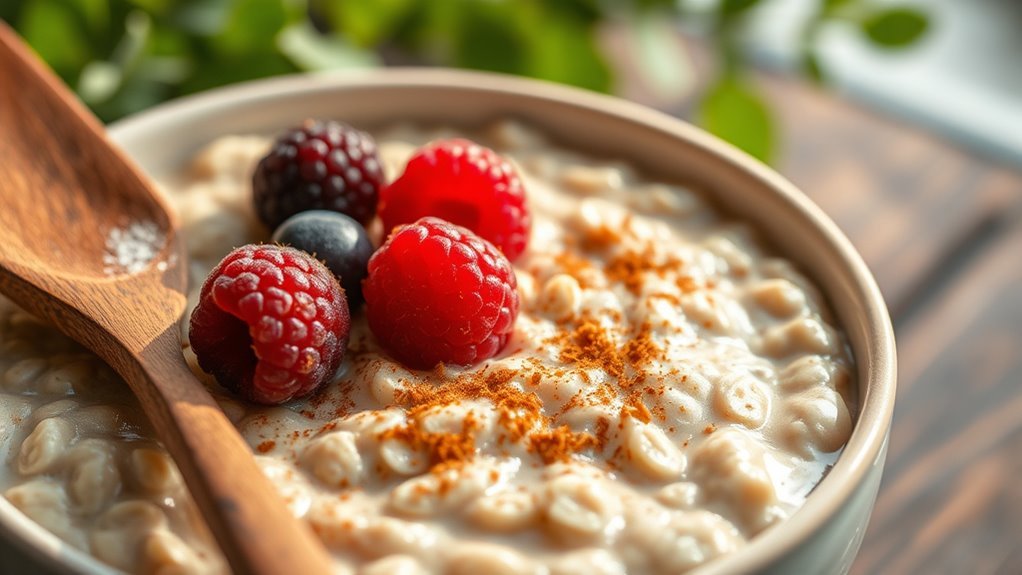
Oatmeal is often hailed as a nutritious breakfast option, but its carbohydrate content raises questions for those following a ketogenic diet. Different oatmeal varieties contain varying levels of carbohydrates, which can impact your daily intake. Here’s a quick look at the carbohydrate sources in common oatmeal types:
| Oatmeal Variety | Carbohydrate Content (per 100g) |
|---|---|
| Rolled Oats | 66g |
| Steel-Cut Oats | 59g |
| Instant Oats | 73g |
As you can see, the carbohydrate content is quite significant across the board. If you’re aiming for a low-carb lifestyle, considering these values is essential. Ultimately, evaluating your options can help you make informed choices that align with your dietary goals.
Impact of Oatmeal on Ketosis
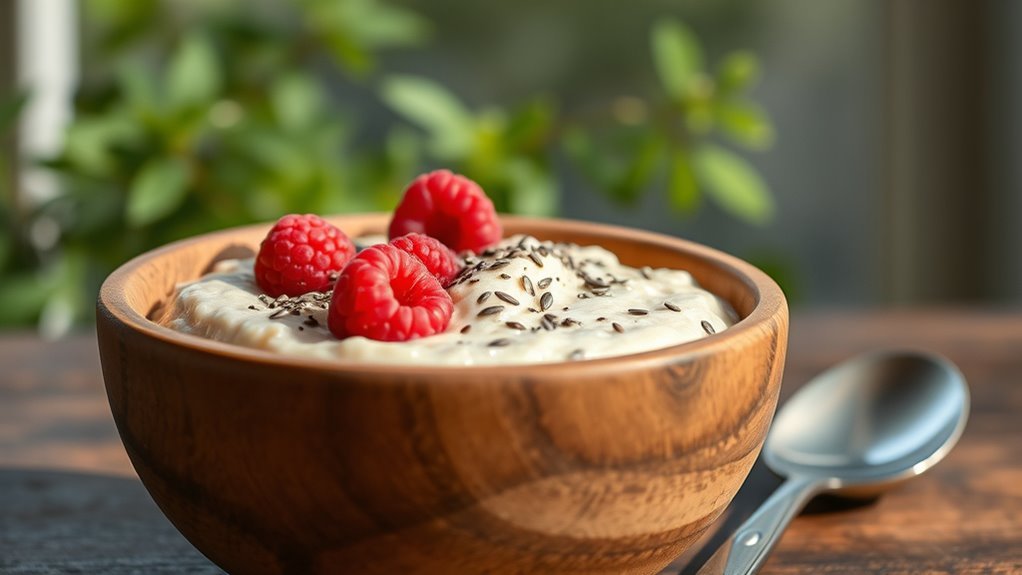
When considering oatmeal’s role in maintaining ketosis, it’s important to analyze its carbohydrate content carefully. While oatmeal is high in fiber, the net carbs can still impact your ketogenic goals, depending on your daily limits. Exploring alternatives to oatmeal might help you stay within your carb range while still enjoying satisfying meals. For instance, lower-carb grain substitutes can provide nutritious options that align with a keto-friendly diet.
Carbohydrate Content Analysis
Although oatmeal is often praised for its health benefits, its carbohydrate content raises concerns for those following a ketogenic diet. A standard serving of cooked oatmeal contains about 27 grams of carbs, which can greatly impact your daily carb limit on keto. If you’re looking for oatmeal substitutes, consider options like chia seeds or flaxseed meal, which are lower in carbs and can be used in similar oatmeal preparations. These alternatives not only help you maintain ketosis but also provide healthy fats and fiber. Additionally, the ketogenic diet emphasizes maintaining low carbohydrate intake to stay in ketosis. Remember, staying within your carb limits is key on a ketogenic diet. If you choose to indulge in oatmeal occasionally, be mindful of portion sizes to avoid disrupting your ketosis goals.
Fiber vs. Net Carbs
Understanding the impact of fiber on the net carb count is essential for anyone maneuvering a ketogenic diet. When considering oatmeal, it’s vital to differentiate between total carbs and net carbs. Net carbs are calculated by subtracting fiber from total carbohydrates because fiber isn’t digested like other carbs. Oatmeal contains significant fiber sources, which can help you feel full while minimizing the effective carb load. For example, a bowl of oatmeal may have 30 grams of total carbs but around 4-5 grams of fiber, resulting in only 25-26 grams of net carbs. This distinction allows you to enjoy fiber-rich foods while still maintaining your ketosis, freeing you to make informed choices that align with your dietary goals.
Alternatives to Oatmeal
If you’re exploring low-carb breakfast options, you might wonder how oatmeal fits into your ketogenic journey. While traditional oatmeal can hinder ketosis due to its carb content, there are delicious alternatives to evaluate. Almond flour, for instance, is a versatile ingredient that can be used to create low-carb pancake or muffin recipes. These options not only satisfy your cravings but also help maintain your ketosis. Another fantastic choice is incorporating hemp hearts into your breakfast. Packed with healthy fats and protein, they can be sprinkled over yogurt or blended into smoothies, providing nutrition without the carbs. Embracing these alternatives can keep you on track with your keto lifestyle while enjoying satisfying meals. Additionally, focusing on low-glycemic carbs can enhance your overall health and support your keto goals.
Nutritional Benefits of Oatmeal
When you consider the nutritional benefits of oatmeal, you’ll find it offers a rich source of essential nutrients that can support overall health. Oatmeal is high in dietary fiber, particularly beta-glucan, which can help lower cholesterol levels and improve heart health. It’s also packed with vitamins and minerals, including magnesium, iron, and B vitamins, contributing to your daily nutritional value. The oatmeal benefits extend to weight management, as it promotes satiety and can help curb overeating. Additionally, its low glycemic index makes it a suitable option for maintaining stable blood sugar levels. By incorporating oatmeal into your diet, you’re not just enjoying a comforting meal but also investing in your well-being.
Alternatives to Traditional Oatmeal
If you’re looking for low-carb alternatives to traditional oatmeal, options like chia seed pudding, flaxseed meal bowls, and coconut flour cereal can be great substitutes. These alternatives not only fit into a keto diet but also provide unique flavors and textures. Each option offers its own nutritional benefits, making them worth considering for your breakfast routine. Additionally, it’s essential to explore lower-carb alternatives to help maintain your daily carb limit on a ketogenic diet.
Chia Seed Pudding
While oatmeal has long been a breakfast staple for many, those following a keto diet often seek alternatives that align better with their low-carb goals. Chia seed pudding is an excellent choice, offering a creamy texture and a satisfying way to start your day. Chia seeds are low in carbs and high in fiber, which can help you feel full longer. They also provide essential omega-3 fatty acids, protein, and antioxidants, contributing to overall health. The pudding benefits include easy preparation—just mix chia seeds with your favorite low-carb milk and let it sit. You can customize it with keto-friendly sweeteners and toppings, allowing you to enjoy a nutritious, delicious breakfast without compromising your dietary needs. Additionally, the high fiber content of chia seeds supports digestive health, making them a beneficial addition to your morning routine.
Flaxseed Meal Bowl
For those seeking alternatives to traditional oatmeal, a flaxseed meal bowl offers a nutritious and satisfying option. Flaxseed benefits include high levels of omega-3 fatty acids, fiber, and lignans, making it a powerhouse for heart health and digestion. For meal preparation, simply combine ground flaxseed with water or your choice of nut milk, then let it sit until it thickens. You can enhance the flavor with cinnamon, vanilla, or even a low-carb sweetener. Topped with berries or nuts, a flaxseed meal bowl becomes a versatile canvas for your morning routine. This option aligns well with a keto lifestyle, allowing you to enjoy a hearty breakfast while staying within your desired carb limits. Additionally, flaxseed is low in net carbs, making it an ideal choice for those on a ketogenic diet. Enjoy the freedom of nutritious eating!
Coconut Flour Cereal
Coconut flour cereal serves as a delicious and low-carb alternative to traditional oatmeal, especially for those following a keto diet. It’s rich in fiber and healthy fats, offering numerous coconut benefits like improved digestion and heart health. You can easily whip up various coconut recipes to suit your taste. Additionally, this cereal aligns well with the keto principles due to its low carbohydrate content, making it an ideal breakfast choice for those in ketosis.
Here’s a quick comparison of coconut flour cereal versus traditional oatmeal:
| Aspect | Coconut Flour Cereal | Traditional Oatmeal |
|---|---|---|
| Carbs (per 100g) | 21g | 66g |
| Fiber (per 100g) | 38g | 10g |
| Fat (per 100g) | 10g | 7g |
| Protein (per 100g) | 8g | 13g |
| Keto-friendly | Yes | No |
Switching to coconut flour cereal can help you maintain your keto lifestyle while enjoying a satisfying breakfast.
Low-Carb Oatmeal Recipes
If you’re looking to enjoy oatmeal while sticking to a low-carb lifestyle, there are several delicious recipes that can satisfy your cravings without derailing your diet. Consider using oatmeal substitutes like chia seeds or flaxseed meal, which provide a similar texture with fewer carbs. You can mix these with almond milk for a creamy base. Top your creation with low carb toppings like unsweetened coconut flakes, berries, or a sprinkle of cinnamon to enhance flavor without adding excess carbs. Another option is to create a savory dish by incorporating sautéed spinach, cheese, or eggs. These low-carb oatmeal recipes allow you to enjoy a satisfying breakfast while keeping your carb count in check, giving you the freedom to indulge responsibly. Additionally, using unsweetened almond milk can help maintain your low-carb goals while providing a creamy texture and essential nutrients.
Tips for Staying in Ketosis While Enjoying Breakfast
While maintaining ketosis can be challenging, especially during breakfast, there are effective strategies to make it easier without sacrificing flavor or satisfaction. Start your day with a keto breakfast that’s rich in healthy fats and low in carbs. Consider options like scrambled eggs cooked in butter, avocado slices, or a smoothie made with spinach and unsweetened almond milk. Incorporating nuts and seeds can keep you staying satisfied longer, while also adding texture and flavor. Don’t forget to watch portion sizes to prevent carb creep. Experiment with herbs and spices for added taste without extra carbs. By planning ahead and being creative, you can enjoy a fulfilling breakfast that keeps you in ketosis and fuels your day with energy. Additionally, including low-carb vegetables in your morning meals can provide essential nutrients while keeping your carbs in check.
Frequently Asked Questions
Can I Eat Oatmeal on a Strict Keto Diet?
You can’t have your cake and eat it too when it comes to a strict keto diet. Oatmeal’s high carb content makes it a poor choice if you’re aiming for ketosis. Instead, consider oatmeal alternatives like chia seeds or flaxseed meal, which are low in carbs and high in fiber. For a satisfying treat, keto snacks like cheese crisps or nuts can keep you on track while satisfying your cravings.
How Does Oatmeal Affect Weight Loss on Keto?
Oatmeal can complicate weight loss on keto due to its carb content. If you’re aiming for a strict low-carb intake, oatmeal might push you over your daily limit, potentially hindering your progress. However, if you’re flexible with your carb intake and incorporate it mindfully, it could provide fiber and satiety. Just keep track of your overall macros to guarantee it aligns with your weight loss goals. Balance is key in any dietary approach.
Are There Any Keto-Friendly Oatmeal Brands Available?
Yes, there are keto-friendly oatmeal alternatives available. Look for brands that offer low carb options, like keto granola or chia seed oatmeal, which provide similar textures and flavors without the carbs. Products made from almond flour or coconut flour can also serve as great substitutes. Always check the nutrition labels to confirm they fit your dietary needs, and enjoy the freedom of finding satisfying breakfast choices that align with your keto lifestyle!
Can I Sweeten My Oatmeal While on Keto?
Yes, you can sweeten your oatmeal while on keto! Consider using low carb alternatives like stevia, erythritol, or monk fruit sweetener, which won’t spike your blood sugar. These sweetener options allow you to enjoy a flavorful bowl without derailing your diet. Just be mindful of the quantity, as even low carb sweeteners can add up. With these choices, you can satisfy your sweet tooth and stay on track with your keto goals.
What Are Common Mistakes When Eating Oatmeal on Keto?
When eating oatmeal on keto, you might make common mistakes like not practicing portion control or overlooking oatmeal alternatives. A typical serving can be high in carbs, which can throw you off track. Instead, consider low-carb options like chia seeds or flaxseed meal. Additionally, if you sweeten your oatmeal, be mindful of the sweeteners you choose; many can contain hidden sugars. Staying informed helps you enjoy flexibility while managing your carb intake.
References
- https://www.healthline.com/nutrition/keto-diet-foods#grains-and-starches
- https://www.ncbi.nlm.nih.gov/pmc/articles/PMC6520897/
- https://www.medicalnewstoday.com/articles/323370
- https://www.washingtonpost.com/lifestyle/wellness/what-is-the-keto-diet-and-how-does-it-work/2019/02/14/8f0b4f2e-2f3e-11e9-813a-0ab2f17e305b_story.html
- https://www.webmd.com/diet/what-is-the-keto-diet#1
- https://www.nutrition.org.uk/healthyliving/healthydiets/keto-diet.html
- https://www.mayoclinic.org/healthy-lifestyle/nutrition-and-healthy-eating/expert-answers/keto-diet/faq-20432048
- https://www.verywellfit.com/the-keto-diet-and-oatmeal-5086216