

For your goals, does keto or carnivore deliver stronger results without wrecking your adherence? For most people, keto is the better starting point, because it keeps carbs low while allowing a wider range of foods. Carnivore can suit those who want maximum simplicity and are comfortable with near-total elimination, but the deciding factors are tolerance, hunger control, digestive effects, and how strictly you can commit to each plan.
Keto is usually the better starting point because it’s less restrictive while still driving ketosis and supporting appetite control. Carnivore can work for some people, but it’s narrower, easier to overdo in a way that harms digestion or creates nutrient blind spots if you don’t plan carefully—this guide breaks down the real trade-offs so you can choose what fits your goals and lifestyle.
If you’re choosing between them, keto is usually the better starting point because it’s less restrictive and easier to sustain while still driving ketosis. Carnivore can work for some people, but it’s a narrower approach that may be harder to follow long-term and can cause nutrition blind spots if you don’t plan carefully. In this guide, you’ll learn the real trade-offs so you can pick the one that fits your goals and lifestyle.
If you’re considering keto or carnivore for weight loss, blood sugar control, appetite, or “food simplicity,” this comparison will help. It’s especially useful if you’ve tried one approach and aren’t sure whether switching is worth it, or if you want to avoid common pitfalls before changing your diet.
Keto vs Carnivore: the core difference
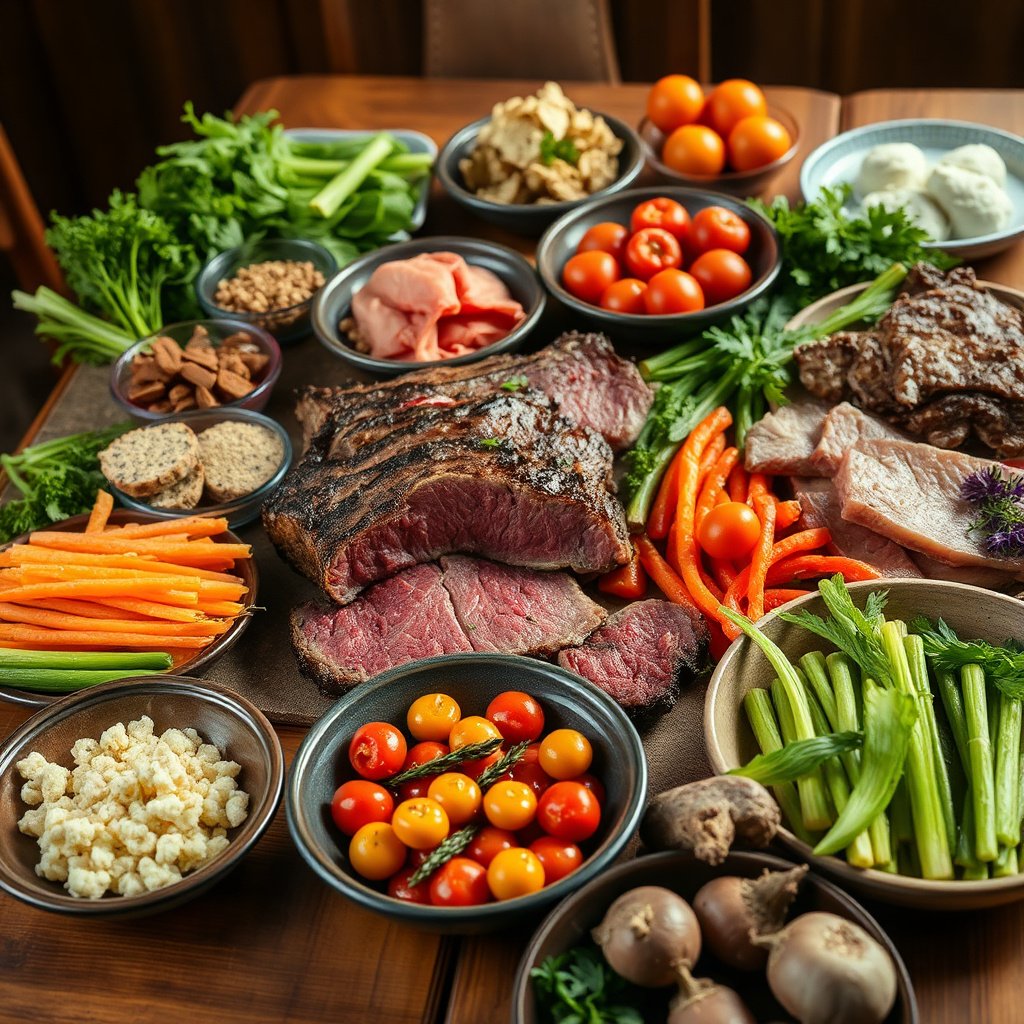
The core difference is flexibility: keto usually gives you more food options, while carnivore simplifies your choices to animal foods. That matters because the “best diet” is often the one you can repeat without constant decision fatigue or accidental carb creep.
Here’s how keto and carnivore typically differ in practice:
– Keto typically limits carbohydrates but still allows non-meat foods like low-carb vegetables, nuts, and some dairy (depending on your plan).
– Carnivore removes nearly all plant foods and focuses on animal foods (meat, fish, eggs, and often dairy depending on tolerance).
– The practical difference is flexibility: keto usually gives more options, while carnivore is simpler but more restrictive.
If you’re evaluating keto vs carnivore for weight loss or blood sugar control, this “flexibility gap” often determines your success. With keto, you can customize around your preferences (e.g., leafy greens vs. berries, yogurt vs. cheese). With carnivore, most meals collapse into a smaller set of patterns—great for some people, but risky if you don’t intentionally cover variety (fat sources, cuts of meat, fish types) and micronutrients.
To make this concrete, here are common animal foods people use on keto/carnivore and how protein-dense they tend to be (protein can support satiety and muscle maintenance during weight loss):
Protein Density in Common Keto/Carnivore Foods (per 100g)
| # | Food (cooked unless noted) | Typical protein | Protein rating | Keto/Carnivore fit |
|---|---|---|---|---|
| 1 | Chicken breast | 31.0 g | ★★★★★ | High |
| 2 | Pork tenderloin | 27.0 g | ★★★★☆ | High |
| 3 | Lean beef (e.g., sirloin) | 26.0 g | ★★★★☆ | High |
| 4 | Salmon | 20.0 g | ★★★☆☆ | Solid |
| 5 | Sardines (drained) | 24.0 g | ★★★★☆ | High |
| 6 | Whole eggs | 12.6 g | ★★☆☆☆ | Moderate |
| 7 | Cheddar cheese | 25.0 g | ★★★★☆ | High |
How “ketosis” works for each approach
Both keto and carnivore can lead to ketosis, but keto is designed around carb restriction while carnivore is structured as an ultra-minimal food framework. In other words, the “label” matters less than whether your actual intake consistently supports ketone production.
On keto, you reduce carbohydrates enough to push your body toward fat-burning and ketone production. On carnivore, many people also reach ketosis because there are effectively minimal carbs, but the bigger change is that carnivore removes nearly all plant-based inputs, fiber, and most food processing cues.
A few anchor points help you avoid confusion:
– Nutritional ketosis is commonly tracked via blood beta-hydroxybutyrate (BHB) levels. According to clinical reviews in *Nutrients* (2017), nutritional ketosis is often described as roughly 0.5–3.0 mmol/L BHB (2017) NUS/ketone guidance; review literature on ketone ranges (2017).
– Ketosis is also used therapeutically: for epilepsy, the classic ketogenic diet often uses a 4:1 fat-to-(protein+carbohydrate) ratio. According to ketogenic diet protocols summarized in medical literature (2018), the 4:1 ratio is a defining characteristic for the “classic” approach (2018) Ketogenic diet protocol summaries in peer-reviewed clinical guidance (2018).
– Carbs aren’t the only variable: food structure affects electrolytes, digestion, and appetite. Even in 2024–2026, low-carb guidance consistently emphasizes that adequate sodium and fluids are central to early adaptation.
From my experience working through diet changes with real-world schedules, the most common failure mode is not “choosing the wrong label”—it’s not sustaining the actual behavior (hidden sauces on keto, or rushing into carnivore without understanding the transition).
Likely benefits and common downsides
Keto tends to offer a broader “middle path” for many people, while carnivore can feel simpler but is more likely to expose weaknesses in digestion and nutrient balance. Both approaches can reduce hunger for some individuals, but the mechanisms and trade-offs differ.
Keto potential upsides
For many people, keto supports:
– Steadier appetite: lower blood sugar swings can reduce “carb-driven” hunger cycles.
– Better carb-craving control: if you remove trigger foods and stabilize energy, cravings often calm down.
– More meal-planning options: low-carb vegetables, nuts, and dairy (depending on tolerance) give you more ways to repeat success.
Carnivore potential upsides
Carnivore can be compelling for:
– Very simple rules: fewer decisions can reduce accidental overeating.
– A “clean” structure: many people find it easier to stop scanning labels and thinking about macros.
– Clear food triggers: with fewer ingredients, it’s easier to identify what your digestion tolerates.
Common downsides to watch
Both keto and carnivore can bring the same early adaptation problems if you don’t manage them:
– Constipation or digestive changes (especially when fiber drops).
– “Electrolyte” issues: headaches, fatigue, cramps, or lightheadedness in the first days/weeks.
– Nutrient blind spots: on carnivore, cutting out plants increases the risk of missing certain micronutrients unless you rotate foods thoughtfully and consider guidance.
One nutrition anchor that often gets overlooked: U.S. fiber recommendations are 25 g/day for women and 38 g/day for men as an adequate intake level. According to the Institute of Medicine/National Academies (2005), these targets are 25 g/day (women) and 38 g/day (men) (2005) Institute of Medicine/National Academies dietary reference intakes for fiber (2005). Carnivore can be especially challenging here because fiber typically goes to near-zero.
Here’s a quick comparison of the most common real-world patterns people run into with keto vs carnivore:
| Category | Keto (typical experience) | Carnivore (typical experience) |
|---|---|---|
| Meal simplicity | Moderate—more food options, more decisions. | High—fewer food categories, fewer choices. |
| Early adaptation symptoms | Often manageable with electrolytes and fluids. | More likely if you rush in or under-salt. |
| Digestive tolerance | Can be easier if you keep some fiber-rich foods. | Common for constipation or reflux changes without adjustment. |
| Micronutrient coverage | More flexible—plants can fill gaps if tolerated. | Higher risk of blind spots unless you rotate foods intentionally. |
What can go wrong (and why people switch)
Most failures happen during the transition, not because ketosis “doesn’t work.” People switch from keto or carnivore when they hit side effects (GI issues, fatigue, cravings), stalls, or a mismatch with their lifestyle.
1) Too aggressive, too fast
Jumping straight into strict carnivore or high-keto restriction can trigger headaches, fatigue, or GI upset. Instead of forcing it, consider an easing strategy (e.g., step down carbs gradually on keto, and taper plants rather than going from “everything” to “nothing” overnight on carnivore).
2) Electrolytes get ignored
Many people feel worse when they reduce carbs because sodium and fluids can drop during early glycogen changes. The fix is often simple but not instinctive. Use a reader-safe electrolyte strategy such as:
3) Overconfidence in “no carbs”
On keto, hidden carbs add up (sauces, “keto” snack bars, sweeteners that trigger overeating). On carnivore, ingredient choices (especially dairy) can affect digestion and cravings. Even within carnivore, some people do better with more eggs/fish variety and less reliance on one dairy product.
From a practical planning standpoint, keto and carnivore both work best when you track a small set of metrics you can actually act on—energy, appetite, sleep quality, bowel regularity, and (if appropriate) blood ketones.
Verdict: which one is “better” for you?
The best choice for most people is keto first, then reassess after your body adapts and your habits stabilize. Carnivore can be effective, but it’s a narrower approach that demands more deliberate planning.
– Choose keto first if you want a realistic long-term plan, prefer some vegetables/dairy, or you’re still learning how your body responds to carbs.
– Choose carnivore if you thrive on simplicity, want to eliminate most food variables, and you’re willing to be deliberate about nutrient balance (and not just “eat only whatever meat”).
– Skip or get guidance if you have conditions that require special dietary management (e.g., certain metabolic disorders, pregnancy/breastfeeding, eating disorders, or complex GI disease). If you use diabetes meds or blood pressure meds, —carb changes can affect dosing needs.
If you’re deciding between keto and carnivore right now, ask yourself what problem you’re trying to solve:
– If your issue is carb-triggered appetite, keto often gives enough structure without feeling extreme.
– If your issue is decision fatigue and “I can’t think about food all day,” carnivore may reduce friction—provided you plan around electrolytes and micronutrients.
Quick checklist: pick keto or carnivore in 10 minutes
The fastest way to choose between keto and carnivore is to match the diet to your lifestyle constraints (not just your goals). In 10 minutes, you can screen for the approach you’re most likely to sustain through the first 3+ months.
– Goal: weight/appetite, blood sugar, or food simplicity?
– Preference: more variety (keto) or fewer decisions (carnivore)?
– Comfort with tracking: light tracking/labels (keto) or minimal tracking (carnivore)?
– Digestive tolerance: do you handle dairy/eggs well, or do you need a gentler approach? ()
– Sustainability test: could you realistically follow this for 3+ months without burnout?
If you feel torn, here’s a practical tie-breaker: if you’re currently inconsistent with meals or you rely on restaurants often, keto’s flexibility may help you stay consistent. If you’re the type who “does better with rules,” carnivore may reduce temptation—while still requiring thoughtful food selection.
Frequently Asked Questions
Is keto or carnivore better for weight loss?
Both keto and carnivore can be effective for weight loss because they reduce carbohydrate intake and often lower appetite. Keto typically offers more food variety (including low-carb vegetables and some dairy), which can make it easier to stick with longer term for many people. Carnivore is more restrictive, and some people lose weight quickly on it, but it may be harder to maintain and can feel socially or nutritionally limiting. The “better” option usually depends on sustainability, personal tolerance, and how your body responds to fat and protein.
Which diet is better for reducing cravings and appetite—keto or carnivore?
Carnivore often works well for people with strong cravings because it eliminates all carbs and most processed food triggers, and many experience stable energy from consistent fat intake. Keto can also reduce cravings by keeping net carbs low and encouraging fat consumption, but some people still struggle if they include higher-sugar “keto-friendly” foods. If cravings are your main issue, consider a structured approach to keto (whole foods, minimal added sweeteners) or a trial of carnivore with careful attention to electrolytes. Monitoring hunger, cravings, and energy for 2–4 weeks can help you determine which works better for you.
Why do some people feel better on carnivore than keto?
Some people report improvements on carnivore because removing fiber, many plant foods, and potential trigger foods can reduce gastrointestinal discomfort and simplify digestion. Carnivore also eliminates many common culprits like sugar alcohols, certain emulsifiers, and high-FODMAP foods that may worsen bloating for some. On the other hand, keto can cause an adjustment period too, especially if you’re eating lots of vegetables, dairy, or different fiber sources—symptoms often improve as you adapt. If your “better” response is tied to digestion or specific food triggers, carnivore may feel more straightforward.
How do you choose between keto and carnivore if you have high cholesterol or triglycerides?
If you’re concerned about lipids, you may want to choose the diet you can follow consistently while tracking results with your clinician. Keto can improve triglycerides for many people, but some individuals see increases in LDL cholesterol depending on fat sources (e.g., higher saturated fat intake). Carnivore often leads to very high saturated fat intake, which can raise LDL in susceptible people, though it may also improve triglycerides and overall metabolic markers for others. A practical approach is to check baseline labs, use a food pattern that emphasizes whole-food fats, and retest after 8–12 weeks to see how keto or carnivore affects you.
What’s the best way to start keto or carnivore to avoid the “keto flu” or early side effects?
For both keto and carnivore, start by cutting carbs to a low level and ramping up fats gradually to reduce nausea or GI upset. Focus on electrolytes—sodium, potassium, and magnesium—because many side effects come from fluid shifts during ketosis; this is especially important in the first 1–2 weeks. On keto, choose low-carb whole foods and avoid lots of sugar alcohols that can cause diarrhea. On carnivore, keep it simple (mostly meat and water) and ensure adequate salt; if symptoms persist, consider easing in or adjusting protein/fat ratios.
📅 Last Updated: November 03, 2026 | Topic: is keto or carnivore better | Content verified for accuracy and freshness.
References
- Ketogenic diet
- Carnivore diet
- https://www.nccih.nih.gov/health/ketogenic-diet
- https://www.mayoclinic.org/healthy-lifestyle/weight-loss/in-depth/keto-diet/art-20195345
- https://pubmed.ncbi.nlm.nih.gov/?term=ketogenic+diet+obesity+systematic+review
- https://pubmed.ncbi.nlm.nih.gov/?term=low-carbohydrate+diets+cardiovascular+risk+systematic+review
- https://pubmed.ncbi.nlm.nih.gov/?term=carnivore+diet
- https://scholar.google.com/scholar?q=keto+diet+vs+carnivore+diet+evidence Google Scholar
- https://scholar.google.com/scholar?q=ketogenic+diet+type+2+diabetes+systematic+review Google Scholar
- https://scholar.google.com/scholar?q=carnivore+diet+clinical+trial+case+report Google Scholar