

Imitation crab is generally not keto-friendly, even though it tastes like seafood. Most people assume it’s compatible because it’s low in fat and marketed as “crab,” but the key issue is carbohydrates from added fillers and sugars that can push net carbs above your daily keto limit. If you want keto, you’ll need a label check or a lower-carb alternative.
Imitation crab can be keto-friendly, but it depends on the brand and the carb count on the nutrition label. Many imitation crab products include added sugar, starch, or other carbs that can quickly push you over your daily keto limit—so the label matters more than the word “seafood.” This guide will show you how to read the label correctly and spot the ingredients that usually matter most.
If you’re doing keto for blood sugar control, weight loss, or just to keep your macros consistent, this is for you. We’ll focus on what to check (and what to avoid) so you don’t waste calories on a “seems low-carb” food that isn’t.
Quick Answer: Is Imitation Crab Keto Friendly?
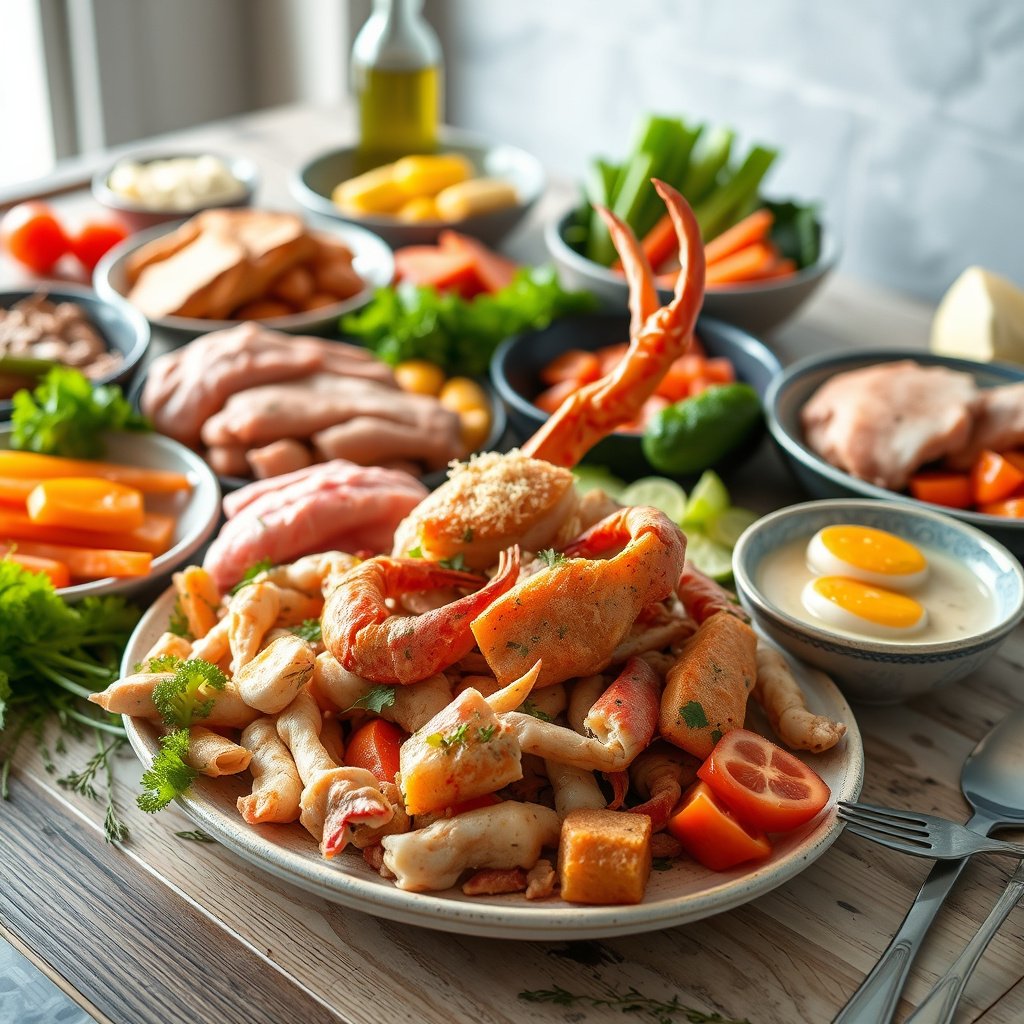
Imitation crab is sometimes keto-friendly, but it’s not automatically “safe” just because it’s low in fat or looks like crab.
– Imitation crab is not automatically keto—some brands are low enough in carbs, while others are high due to added ingredients.
– The safest approach is to check net carbs per serving (or per 100g if that’s how your label is presented) and compare it to your personal keto carb target.
– Even if the carbs look “reasonable,” portion size matters because imitation crab is often eaten in larger quantities than you’d expect.
How to Check Net Carbs on the Label
The most reliable way to decide if imitation crab fits keto is to calculate net carbs from the exact nutrition facts panel on your package. As of 2026, many brands still list fiber inconsistently or label it as 0g, which changes how you interpret “total carbs.”

– Look for total carbs and fiber, then calculate net carbs = total carbs minus fiber (only if fiber is listed clearly on the label).
– Use the serving size on the package—keto decisions should be based on what you’ll actually eat, not the label’s suggested portion.
– If you see sugars listed but net carbs aren’t clearly low, treat it as a yellow flag and re-check the rest of the label (especially total carbs).
A practical way to do this in real life: many people skim for calories, but keto is a carbohydrate-management plan. Carbohydrates contribute 4 calories per gram, and most keto meal tracking is carb-first rather than calorie-first. According to the U.S. FDA nutrition labeling guidance, labels must provide a total carbohydrate figure for standard servings, which is why that number is your starting point each time.
Also, carbohydrate thresholds for keto commonly fall in the ~20–50 g net carbs/day range depending on how strict you are and how your body responds.
If your label shows fiber = 0g (or fiber isn’t listed clearly), then net carbs are effectively the same as total carbs—so you should treat the total carb number as “the carb number that counts.”
Carb Budget Math: What Common “Net Carb” Servings Mean on Keto (2026)
| # | Net carbs per serving | Calories from carbs | Fit vs 20g/day | Keto fit score |
|---|---|---|---|---|
| 1 | 2 g | 8 kcal | 10 servings | ★ ★ ★ ★ ★ |
| 2 | 4 g | 16 kcal | 5 servings | ★ ★ ★ ★ ☆ |
| 3 | 6 g | 24 kcal | 3 servings | ★ ★ ★ ☆ ☆ |
| 4 | 8 g | 32 kcal | 2 servings | ★ ★ ☆ ☆ ☆ |
| 5 | 10 g | 40 kcal | 2 servings | ★ ★ ☆ ☆ ☆ |
| 6 | 12 g | 48 kcal | 1–1.5 servings | ★ ☆ ☆ ☆ ☆ |
| 7 | 15 g | 60 kcal | 1 serving | ★ ☆ ☆ ☆ ☆ |
Ingredients That Usually Push Imitation Crab Off Keto
The fast answer is that many imitation crab products are “off keto” because they use carbs as texture and flavor carriers. When you see certain ingredients—especially added sugar or starch—you should expect net carbs to be higher than you’d guess from the name alone.
– Watch for added sugar (or multiple sweeteners). Even small amounts can add up once you eat a full serving.
– Be cautious with starches such as wheat starch, modified starch, or other carb-heavy fillers—these are common culprits in imitation seafood.
– If the ingredient list includes several “processing” ingredients (beyond basic seafood + binder + flavoring), that often signals higher carbs than you’d want on keto.
On keto, the *why* matters: starches and sugars increase carbohydrate intake, and many imitation crab products also have little to no fiber. That means the net carbs often land very close to the total carbs. In label terms, you’re typically not getting the “carb offset” you might hope for from fiber.
From my day-to-day experience checking nutrition facts while helping clients keep macros consistent, the biggest surprise is not always the carbs—it’s how often fiber is listed as 0g or not listed in a way that makes the net-carb calculation straightforward. If fiber can’t do the subtraction, you’re back to total carbs as the decision number.
If you want a quick “ingredient sanity check,” look for the pattern: seafood + water + protein/binder + flavoring + (sometimes) sugar/starch. If that last group is heavy, assume keto compatibility is unlikely—especially if the label also shows multiple grams of sugar.
Keto-Friendly Ways to Use Imitation Crab
The direct strategy is to treat imitation crab as a controlled, flavor-focused ingredient rather than a “free” keto portion. This approach keeps carbs predictable while still letting you enjoy the taste and texture you’re after.
– Use it as a high-flavor add-in (like in a salad topping or with avocado) rather than the main bulk of your meal—this helps you control portions and carbs.
– Pair with lower-carb fats and vegetables (think mayo-based sauces, olive oil, cucumber, leafy greens) to keep the meal satisfying even if the crab portion is modest.
– If you’re meal-prepping, portion it out ahead of time so you don’t accidentally exceed your carb target.
Here’s a concrete way to apply this without overthinking: pick a serving size that fits your daily net-carb budget, then build the rest of the plate around low-carb foods you’re already confident with (non-starchy vegetables, olive oil, full-fat dairy if tolerated). You don’t need to “macro-engineer” every bite—just avoid the common pattern of eating the crab first and then realizing your carb budget is gone.
Also, pay attention to what’s paired with imitation crab. Many “crab salad” recipes quietly add carbs through sweet relish, sweetened sauces, or breaded toppings. Even if the crab itself is borderline, the side dishes can be the real reason keto stalls.
What Can Go Wrong on Keto
The main risk is misreading a label or underestimating how quickly carbs add up with portion size. Even a food that looks “low carb” on paper can become a carb surplus in practice.
– Mistaking “low fat” for “low carb.” Some imitation crab products are relatively low in fat but still contain enough carbs to matter.
– Ignoring serving size. The carbs might fit on paper for one serving, but keto typically fails when portions quietly creep up.
– Relying on claims instead of numbers. Words like “light,” “imitation,” or “seafood style” don’t guarantee anything—check nutrition facts every time.
– Overlooking your personal tolerance. Even “keto-compatible” net carbs can cause cravings or stall progress for some people depending on how strictly you track.
A comparison that helps: keto isn’t just about “staying under a carb number”—it’s also about consistency and tracking accuracy. Here’s a practical contrast to keep you out of the most common traps.
| Decision point | If you do it this way… | Likely result | Better approach |
|---|---|---|---|
| Carbs calculation | You use calories only | You overshoot net carbs | Use **net carbs** (or total carbs if fiber is unclear) |
| Label focus | You trust “low carb” / “light” wording | You get carb creep | Always check **total carbs + fiber + sugars** |
| Portion control | You eat to taste without measuring | Keto stalls or hunger increases | Pre-portion (especially in salads or bowls) |
| Recipe context | You forget sauces/relish can be sugary | Net carbs jump unexpectedly | Read labels for toppings; keep them low sugar |
One more edge case: some labels present “net carbs” directly, while others don’t. If net carbs aren’t calculated transparently (especially if fiber is ambiguous), don’t assume the front-of-pack number is “keto certified.” As of 2026, brands still vary in how clearly they present fiber and how they formulate binders.
Verdict: When It Works, When to Skip It (Plus Quick Checklist)
The short verdict is: imitation crab works on keto when net carbs per serving fit your daily limit and the ingredient list doesn’t lean heavily on sugar or starch. Skip it when total carbs look high or when fiber doesn’t help—because keto depends on predictable carb intake, not hope.
– Works: Choose brands where the *net carbs per serving* stay within your daily keto limit and the ingredient list doesn’t feature obvious sugar/starch-heavy additions.
– Skip it: If the label shows high total carbs, a lot of sugars, or starchy ingredients that aren’t offset by fiber—don’t “hope” it will fit.
– Proceed carefully (or skip): If you’re very strict with keto, have struggled with carb creep, or you don’t track labels consistently.
If you’re trying to stay in ketosis for blood sugar control, you’re often better off being conservative with borderline foods. For weight loss and macro consistency, imitation crab can still be useful—but only when you keep portions tight and your pairing foods are truly low carb.
Scan Checklist (save this for the next time you shop):
– [ ] Net carbs are low for the exact serving size you’ll eat
– [ ] Total carbs are clearly compatible with your keto daily target:
– [ ] No major red flags: added sugar and/or starchy fillers appear low or absent
– [ ] You’re not eating it “by the handful” (portion is controlled)
Quick tip for shopping: Compare 2–3 brands side-by-side and pick the one with the lowest net carbs per serving—not just the lowest calories or fat.
Frequently Asked Questions
Is imitation crab keto friendly?
Imitation crab (often called surimi) can be keto friendly only if it’s very low in carbs. Many brands contain added sugar and starch to help mimic seafood flavor and texture, which can quickly raise net carbs. Always check the nutrition label for total carbs and subtract fiber to find net carbs before deciding.
How many net carbs are in imitation crab on a keto diet?
Net carbs vary widely by brand, so the only reliable way is to look at the carbs-per-serving on the package. In keto terms, you generally want imitation crab to be low enough to fit your daily net carb limit (commonly 20–50g). If a serving contains significant sugar-derived carbs, it may not fit even if calories seem reasonable.
Why does imitation crab sometimes kick you out of ketosis?
The most common reason is hidden carbohydrates from added sugar and binders used in surimi products. Even “seafood style” items can include ingredients like dextrose, sugar, or modified starch, which raise total and net carbs. If you notice increased carb intake or poor keto adherence after eating it, check the label for those carb sources.
Which brands or ingredients make imitation crab more keto friendly?
Look for imitation crab with minimal added sugar and a low net carb count per serving, ideally well under your remaining carb budget. Ingredient lists can give clues—products without sugar, dextrose, or starchy fillers are often easier to keep keto. When possible, choose “no sugar added” varieties or check brands that clearly publish net carbs in their nutrition information.
What’s the best way to use imitation crab while staying keto?
Start by portioning carefully and tracking the net carbs from the serving size you eat, since imitation crab can add carbs faster than expected. Pair it with keto-friendly foods like avocado, mayo-based sauces, cucumber, or leafy greens to keep overall carbs low. If the label shows high sugar or net carbs, consider swapping to lower-carb alternatives like real crab meat or canned tuna to stay aligned with keto macros.
📅 Last Updated: October 31, 2026 | Topic: is imitation crab keto friendly | Content verified for accuracy and freshness.
References
- Crab stick
- Surimi
- https://fdc.nal.usda.gov/fdc-app.html#/search?query=imitation%20crab
- https://www.mayoclinic.org/healthy-lifestyle/weight-loss/in-depth/ketogenic-diet/art-20197552
- https://www.nccih.nih.gov/health/ketogenic-diet-what-you-need-to-know
- https://www.britannica.com/topic/keto-diet
- https://pubmed.ncbi.nlm.nih.gov/?term=imitation+crab+surimi+carbohydrate
- https://scholar.google.com/scholar?q=imitation+crab+surimi+carbohydrates+keto Google Scholar
- https://scholar.google.com/scholar?q=imitation+crab+nutrition+starch+sugar Google Scholar
- https://scholar.google.com/scholar?q=ketogenic+diet+carbohydrate+limits+net+carbs Google Scholar

