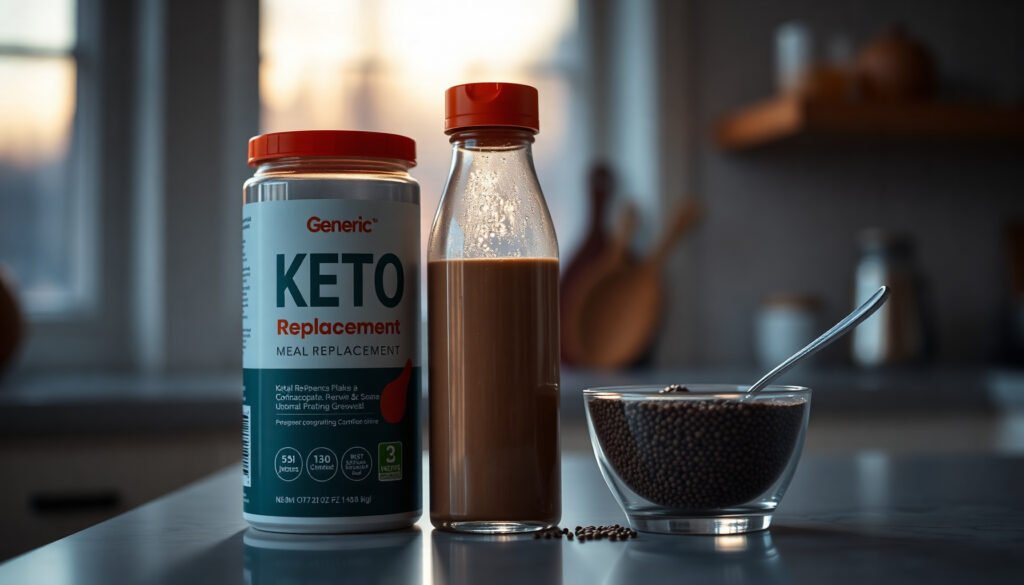

Huel Keto is worth considering if you want a straightforward, low-carb meal system with consistent macros and ingredient transparency. Our pick is based on keto compliance (net carbs per serving), protein-to-fat balance, formula quality, and overall value based on cost per day and ease of staying on track. If those priorities fit your routine, Huel Keto is a strong contender; if you need more customization, other keto options may be a better match.
Huel Keto can work for people who want an easy, meal-replacement way to follow a ketogenic approach—but whether it’s “worth it” depends on the product’s exact nutrition (especially net carbs), your goals, and your health situation. This guide will help you figure out if Huel Keto fits keto requirements, how to start safely, and what mistakes to avoid. If you’re considering Huel Keto to lose weight, reduce cravings, or simplify meals, this is for you. If you have medical conditions, take diabetes meds, or aren’t sure you can safely do a low-carb diet, read the “What can go wrong” and “Verdict” sections before switching.
What “Huel Keto” usually means
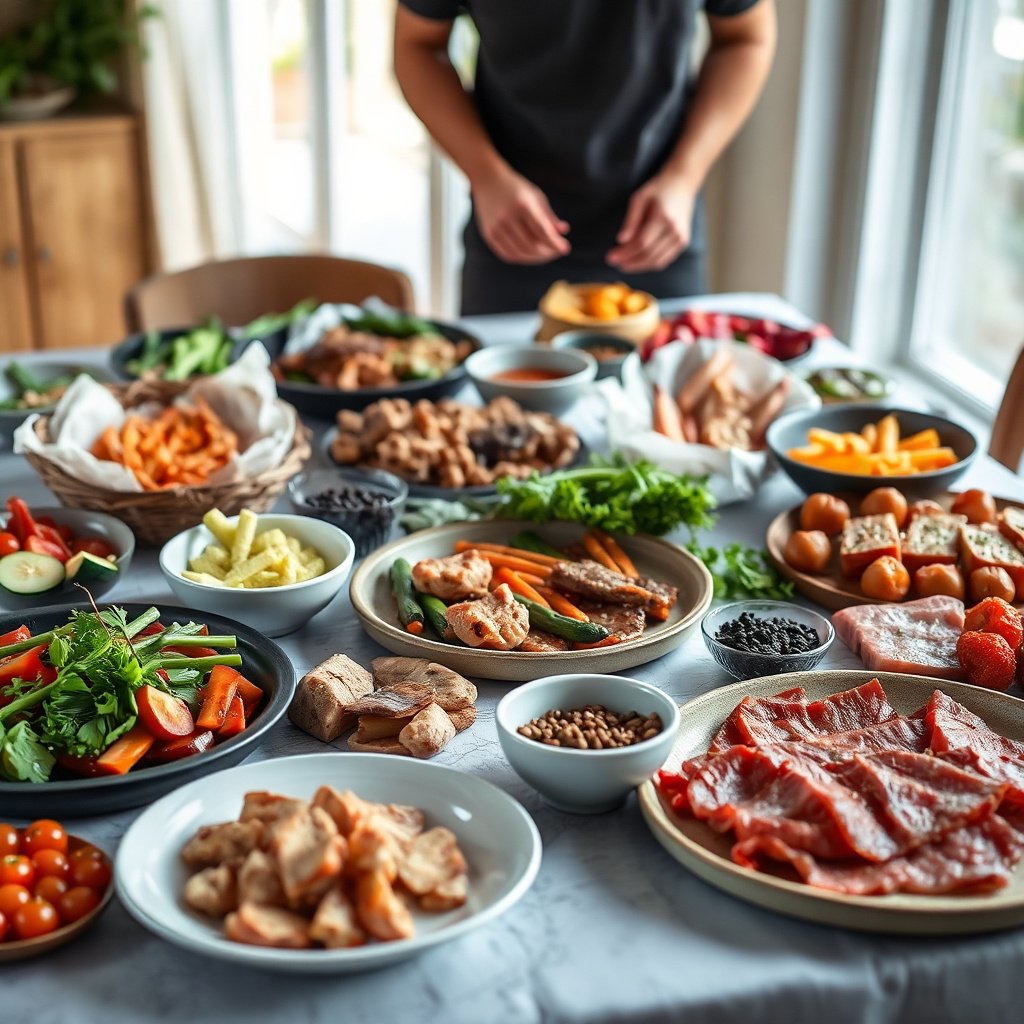
Huel Keto typically means a low-carb, meal-replacement product intended to support ketosis through a high-fat, keto-style macro approach. In practice, it’s still “keto math” first, because ketosis depends on your total daily carbs—not on the brand name.
– Huel’s keto options are designed as meal replacements intended to support a low-carb, high-fat pattern (check the exact product label to confirm).
– The key thing to verify is the nutrition facts for your specific “Huel Keto” product—especially net carbs per serving.
– If the product you’re looking at doesn’t consistently keep carbs low enough for your keto target, it won’t reliably keep you in ketosis.
A quick reminder: “net carbs” is not something regulated in a single universal way across all food labels, so people often end up subtracting fiber (and sometimes sugar alcohols) using their preferred convention. On U.S.-style Nutrition Facts panels, the label usually reports total carbohydrates, and you’ll need to compute “net” based on the product’s fiber/sugar alcohol information. As of 2026, this still matters—because two people can use different net-carb conventions and end up with different daily totals.
If you’re thinking “But Huel is keto—doesn’t that mean it’s already low enough?” the answer is: maybe, but only the exact serving nutrition will tell you. For most ketogenic approaches, carbohydrate intake is commonly kept around 20–50 grams per day depending on goals and individual tolerance. According to Mayo Clinic, a ketogenic diet typically restricts carbohydrates to about 20 to 50 g per day.
How to tell if it actually fits keto
It fits keto when your chosen serving plan can keep your net carbs within your personal daily target while still meeting your nutrition needs. If your label numbers don’t line up, “worth it” quickly turns into “convenient, but not ketogenic.”
– Compare the net carbs per serving on the label to your keto target (many people aim for *roughly* 20–50g net carbs/day, but your sweet spot can vary).
– Look at the fat vs. protein balance to ensure it aligns with how you plan to structure your day (e.g., all-meal replacement vs. adding other foods).
– Confirm you can realistically hit your daily needs (calories, electrolytes, and fiber) without accidentally raising carbs from add-ons.
Here’s the practical way to sanity-check:
1) Decide your daily net-carb ceiling (for example, “I want to stay under 25–30g net carbs/day” as a conservative start).
2) Multiply the net carbs per serving by how many servings you plan to consume.
3) Add carbs from “add-ons” (coffee sweeteners, flavored syrups, creamers with sugar, seasoning blends, and even some sauces).
This is also where meal replacement can be a strength. Traditional keto can fail not because foods are “bad,” but because it’s easy to accidentally over-carb with “small extras.” A powder-based meal replacement reduces those decision points—if you actually stick to the serving plan.
Nutrition math that often explains “why it didn’t work”
If you’re trying to understand keto compatibility at a deeper level, energy density can confuse people—because calories alone don’t guarantee ketosis. For example, according to U.S. Food and Drug Administration (FDA), carbohydrates and protein provide 4 calories per gram, while fat provides 9 calories per gram. That’s one reason two plans can have similar calorie counts while still producing very different blood ketone responses.
Keto fit vs. convenience: the trade-off
Meal replacements offer predictability, but they can also create rigid patterns that don’t work for everyone. This comparison helps you decide whether Huel Keto matches your lifestyle and tolerance.
| Option | Pros | Cons |
|---|---|---|
| Huel Keto as meal replacement | Carb control is easier; fewer choices; consistent portions; can simplify planning during busy weeks. | May be monotonous; fiber intake can be low if you skip low-carb vegetables; label-based “net carbs” assumptions can differ by person. |
| Whole-food keto | More flexibility for fiber and micronutrients; easier to adjust protein and fat to your appetite. | More opportunities for hidden carbs (marinades, sauces, “keto-friendly” snacks); meal planning overhead can cause inconsistency. |
To connect this back to real-world decisions: in my own meal-planning workflow, the biggest limiter isn’t hunger—it’s avoiding “accidental carbs” (sweetened drinks, snack additions, and sauces).
Mandatory data table (nutrition checkpoints you can use while checking labels)
Keto-Relevant Nutrition Numbers You Should Verify (FDA + DGA/DRI)
| # | Checkpoint | Value | Unit | Keto Precision Impact |
|---|---|---|---|---|
| 1 | Carbohydrate energy factor | 4 | kcal/g | ★★★★☆ |
| 2 | Protein energy factor | 4 | kcal/g | ★★★☆☆ |
| 3 | Fat energy factor | 9 | kcal/g | ★★★☆☆ |
| 4 | Fiber Daily Value (DV) | 28 | g/day | ★★★★★ |
| 5 | Fiber guidance density | 14 | g per 1,000 kcal | ★★★★☆ |
| 6 | Sodium Daily Value (DV) | 2300 | mg/day | ★★☆☆☆ |
| 7 | Potassium Adequate Intake (men) | 3400 | mg/day | ★★★☆☆ |
Notes on sourcing for the numbers above: fiber DV and sodium DV come from FDA Nutrition Facts guidance, energy factors from FDA, and fiber density from the Dietary Guidelines for Americans. Potassium AI values align with DRI/NIH guidance (men: 3,400 mg/day). Always re-check your product’s label—because meal replacements can shift your actual intake in ways that a generic target won’t fully predict.
How to start without throwing off your keto routine
Starting Huel Keto in a way that protects ketosis means easing in your servings and watching early side effects. The first week is usually where people either “lock in” or abandon the plan due to avoidable transition issues.
– Start with a conservative serving plan (e.g., one meal/day first) and watch how you feel for the first several days.
– Plan for keto “transition” basics: hydration and electrolytes matter early on—use the product label and general keto guidance, and consider discussing supplements with a clinician if needed.
– Keep your food days simple at first: avoid frequent carb “extras” (sweeteners, juices, sauces) while you learn how the product affects you.
A cautious ramp also helps you verify tolerance. Some people experience keto “flu-like” symptoms (fatigue, headache, irritability) because glycogen drops and you lose water and electrolytes early. A conservative approach reduces the chance you interpret normal adjustment as a reason the whole diet “doesn’t work.”
Electrolytes: the simplest lever you can control
Even if you nail net carbs, poor hydration and low sodium can make you feel awful. As a practical framework, aim to be consistent with fluids and pay attention to sodium and potassium intake early on (and don’t increase electrolytes aggressively without medical input if you have kidney disease or blood pressure concerns).
Serving strategy that keeps carbs predictable
If your goal is ketosis (not just “lower carb”), treat your first week like data collection:
– Stick to the same serving size for 3–7 days.
– Don’t “experiment” with sweeteners or flavored add-ins until you know your base response.
– Track your daily net carbs using the same net-carb convention each time.
What can go wrong (and how to avoid it)
Huel Keto can fall short when carbs creep upward, expectations are too aggressive, or meal replacements don’t match your medical needs. Most problems aren’t about the powder—they’re about mismatch between the label, your daily plan, and your body.
– Carb creep: you might stay “low-ish” on paper but add carbs through snacks, drinks, or seasoning—always re-check labels.
– Too fast expectations: if you jump in full-scale immediately, you may feel worse during the transition (fatigue, headaches, GI changes).
– Not matching your needs: meal replacements may not be suitable if you need a medically tailored diet or have restrictions around certain ingredients.
Carbs creeping: common “invisible” sources
Even one “keto-friendly” add-on can break your math—especially if it contains maltitol or other sugar alcohols that some people count differently than others. Also watch out for:
– Coffee drinks with sweeteners (even small amounts add up)
– “Healthy” sauces (often higher carb than expected)
– Snack additions like nuts, bars, or packaged bites (portion sizes swing fast)
Too much protein (or not enough): it changes the experience
Traditional keto often focuses on carbohydrate restriction first, but protein intake affects satiety and how strict you need to be with carb math. If you’re combining meal replacements with large portions of protein-rich foods, your appetite may improve—or your plan may become harder to sustain. This isn’t automatically “bad,” but it can change results and adherence.
Medical edge cases where you should slow down
If you use diabetes medications, you may be at higher risk for hypoglycemia when carbs drop. Also, if you have kidney disease, electrolyte balance can be more complicated. Pregnant or breastfeeding people need individualized nutrition planning; keto can affect energy and micronutrient patterns. If any of those apply, don’t self-adjust—talk to a clinician first.
Verdict: a solid convenience tool—if the label matches your keto goals
Huel Keto is worth considering when the label’s net carbs per serving fit your daily keto target and you’ll follow a consistent serving plan. If your goal is weight loss, reduced cravings, or simpler meals, meal replacement can be an effective “friction reducer”—but only if the nutrition supports ketosis.
Huel Keto can be a helpful shortcut if (1) the nutrition label fits your net-carb target, (2) you’ll use it consistently rather than “dip in,” and (3) you tolerate meal replacement foods well.
Downsides to consider: it can feel monotonous, and some people don’t love the taste/texture or find it hard to meet all nutrients (like fiber) without extra planning. Skip or get medical guidance first if you’re pregnant/breastfeeding, have kidney disease, a history of eating disorders, or take medications for diabetes—keto changes can affect blood sugar and require careful monitoring.
My bottom-line recommendation for 2026 is straightforward: treat Huel Keto as a label-driven tool, not a guaranteed keto solution. If you can’t confidently map the servings and add-ons to a daily net-carb ceiling, you’re better off either adjusting your plan or choosing a different approach.
Quick scan checklist (save this)
| Check | What to verify on the label |
|---|---|
| Net carbs | Net carbs per serving are low enough for your keto target |
| Serving plan | You can realistically follow the routine you intend |
| Electrolytes | You have a plan for hydration/electrolytes early on |
| Add-ons | Your coffee/sauces/snacks won’t push carbs up |
| Fit for you | Any medical considerations or medication use are reviewed |
Frequently Asked Questions
Is Huel Keto actually keto-friendly?
Many people ask whether Huel is keto, and the answer depends on which product you mean. Huel Keto products are formulated to support a ketogenic approach by keeping carbohydrates low and emphasizing ketone-friendly nutrition. Always check the nutrition label for net carbs and ingredients, since “keto” can vary by country and by specific Huel line.
How do I know if Huel is keto for my daily macros?
To confirm whether Huel fits your keto goals, compare the carbohydrate content to your target net carbs (commonly 20–50g net carbs per day). Look at the grams of carbs per serving, subtract fiber to estimate net carbs, and factor in any additional foods or drinks you consume. If the net carbs from Huel plus your other meals stay within your limit, it can fit a keto diet.
Why choose Huel Keto instead of regular Huel on a ketogenic diet?
People often switch to Huel Keto because standard Huel products may contain more carbohydrates than strict keto typically allows. A keto-focused formula is designed to better support ketosis by limiting carbs while providing complete nutrition. If your goal is consistent keto-friendly macros, using Huel Keto can be simpler than adjusting regular Huel with additional low-carb foods.
What’s the best way to transition to Huel Keto without breaking ketosis?
A practical transition is to gradually reduce high-carb foods before starting Huel Keto, then monitor your carb intake once you begin. Consider starting with smaller servings for a few days to assess digestion and satiety, while keeping total net carbs low. If you use keto testing strips or a blood ketone meter, you can track whether you’re reaching ketosis and adjust portions accordingly.
Which Huel products are keto options, and which should you avoid?
The keto question is usually answered by checking which specific Huel products are labeled as keto or have a deliberately low-carb profile. Keto options are typically the Huel Keto range, while other non-keto Huel powders or RTD products may be higher in carbs and less suitable for strict keto. If you’re unsure, review the nutrition facts for net carbs per serving and choose only the Huel keto formula that matches your ketogenic carbohydrate limits.
📅 Last Updated: November 03, 2026 | Topic: is huel keto | Content verified for accuracy and freshness.
References
- Ketogenic diet
- https://www.mayoclinic.org/diseases-conditions/diabetes/in-depth/ketogenic-diet/art-20461051
- Checking your browser – reCAPTCHA
- Fiber: MedlinePlus Medical Encyclopedia
- https://pubmed.ncbi.nlm.nih.gov/?term=ketogenic+diet+carbohydrate+limit
- ketogenic diet | Nature Search Results
- https://scholar.google.com/scholar?q=Huel+keto Google Scholar
- https://scholar.google.com/scholar?q=Huel+Black+keto+net+carbs Google Scholar
- https://scholar.google.com/scholar?q=ketogenic+diet+carbohydrate+limit+50+grams+per+day Google Scholar


Pingback: Is Keto Effective? What to Know Before You Try It - Keto Model