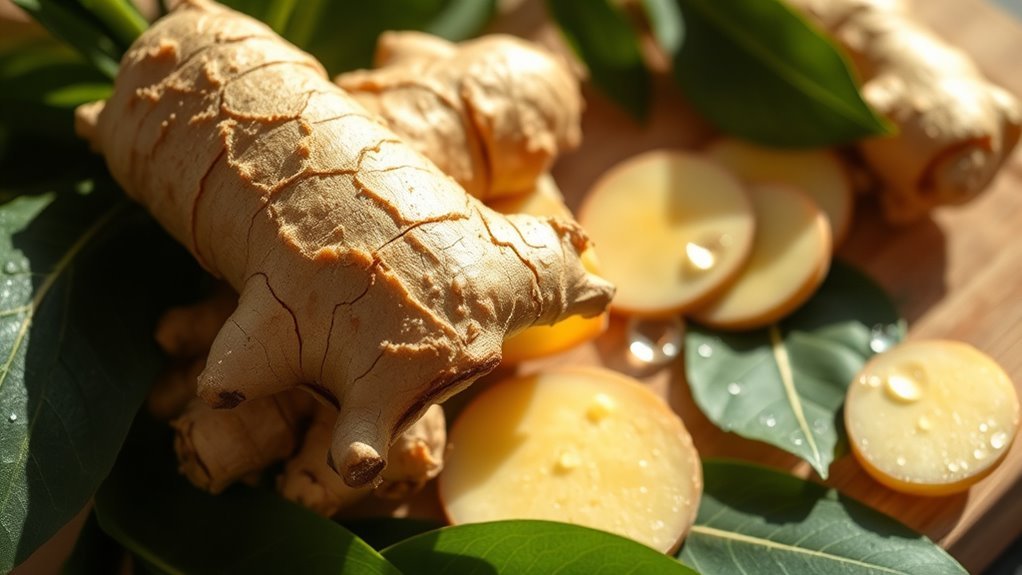

Yes, ginger is keto-friendly! It contains about 1 gram of carbs per serving, making it a suitable addition to your low-carb meals. Ginger offers numerous health benefits, including anti-inflammatory properties and digestive support, which can be particularly valuable on a ketogenic diet. You can easily incorporate it into your meals through teas, dressings, and marinades. Interested in more ways to elevate your keto meals with ginger? You’re in for some delicious ideas ahead!
Understanding the Carb Content of Ginger
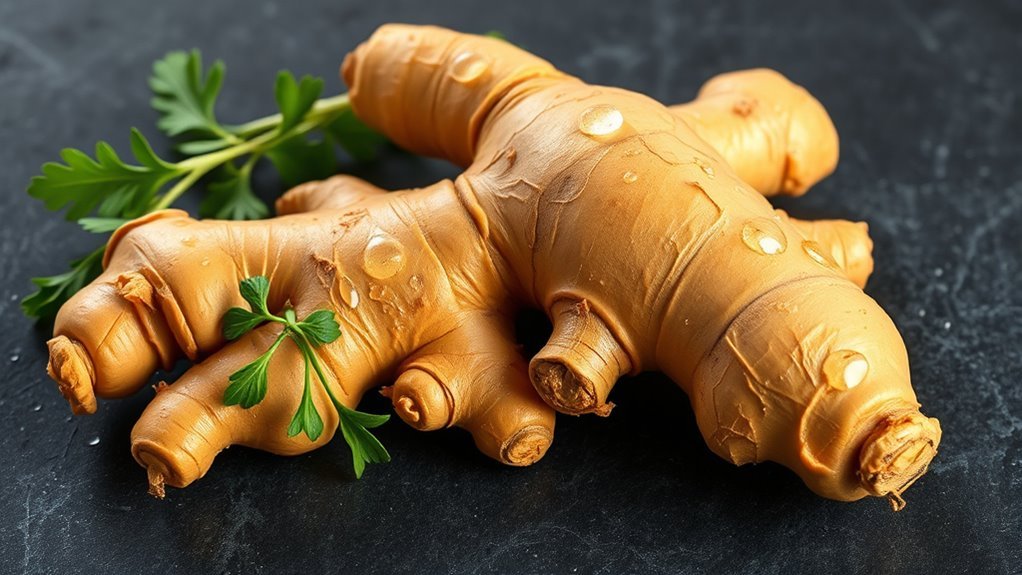
While you might be wondering about the carb content of ginger, it’s important to note that this popular spice is relatively low in carbohydrates. A typical serving of ginger contains about 1 gram of carbs, making it a suitable option for those monitoring their carb intake. Beyond its low carb content, ginger is packed with various nutrients, such as vitamins B6 and C, magnesium, and potassium. Different ginger varieties, like fresh, dried, or powdered, maintain this low carbohydrate profile while offering unique flavors and uses in cooking. Incorporating ginger into your meals can enhance taste without compromising your dietary goals, allowing you the freedom to enjoy flavorful dishes while staying within your carb limits.
Health Benefits of Ginger on a Ketogenic Diet

Incorporating ginger into your ketogenic diet can offer several health benefits. Its anti-inflammatory properties may help reduce inflammation, while it also acts as a digestive aid, promoting better gut health. Additionally, ginger can assist in regulating blood sugar levels, making it a supportive addition to your low-carb lifestyle.
Anti-Inflammatory Properties
Ginger’s anti-inflammatory properties can be especially beneficial for those following a ketogenic diet, as it helps combat inflammation often associated with metabolic disorders. Including ginger extracts in your diet can lead to significant inflammation reduction, enhancing your overall health and wellbeing. Here are three key benefits:
- Joint Pain Relief: Ginger can reduce soreness and improve mobility, making it easier to stay active on your keto journey.
- Muscle Recovery: After intense workouts, ginger helps lower inflammation, allowing for faster recovery and less downtime.
- Immune Support: The anti-inflammatory effects of ginger can bolster your immune system, helping you fend off illnesses more effectively.
Incorporating ginger into your meals or smoothies can serve as a powerful ally in your ketogenic lifestyle.
Digestive Aid
The benefits of ginger extend beyond its anti-inflammatory properties; it also acts as a potent digestive aid. If you’re on a ketogenic diet, incorporating ginger can greatly enhance your digestive health. Studies show that ginger helps stimulate saliva, bile, and gastric enzymes, which promotes better digestion and nutrient absorption. It’s particularly effective in alleviating nausea and bloating, common issues that can arise with dietary changes. By integrating ginger into your meals or enjoying it as tea, you’re not just adding flavor but also supporting your gut health. This makes it easier to maintain your keto lifestyle while feeling your best. So, embrace the ginger benefits and enjoy a smoother digestive experience on your journey to keto freedom.
Blood Sugar Regulation
While many people focus on the macronutrient ratios of a ketogenic diet, managing blood sugar levels is equally essential for overall health. Ginger can play a significant role in this aspect:
- Enhances Insulin Sensitivity: Ginger may improve how your body responds to insulin, helping to maintain stable blood sugar levels.
- Reduces Blood Sugar Levels: Studies suggest that ginger can lower fasting blood sugar, making it a valuable addition to your diet.
- Supports Metabolism: By boosting metabolism, ginger may help your body utilize glucose more effectively, further aiding in blood sugar regulation.
Incorporating ginger into your meals provides a natural way to support blood sugar management while enjoying the freedom of flavorful, healthful eating on your ketogenic journey.
Ways to Incorporate Ginger Into Your Keto Meals
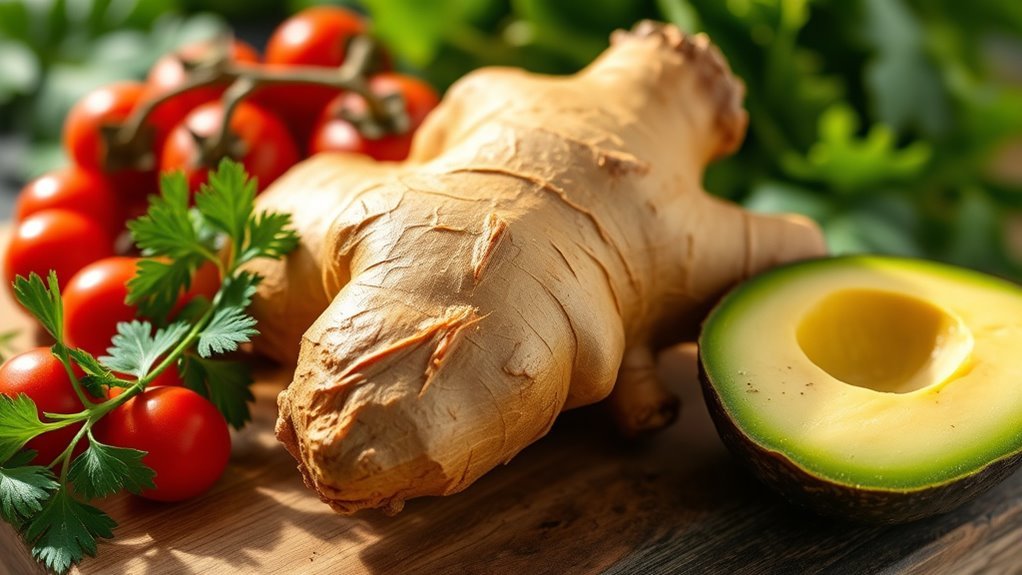
Incorporating ginger into your keto meals can be a flavorful way to enhance your dishes while reaping its health benefits. One simple way to enjoy ginger is by making ginger tea. Just steep fresh ginger slices in hot water, and you’ve got a soothing beverage that can aid digestion. You can also whip up a ginger dressing by blending avocado oil, apple cider vinegar, fresh ginger, and a pinch of salt. This dressing pairs well with salads or grilled vegetables. For added zest, grate ginger into your stir-fries or soups, infusing them with warmth and flavor. Experiment with these ideas, and you’ll discover how versatile ginger can be in your keto lifestyle. Enjoy the freedom of flavor!
Comparing Fresh Ginger vs. Ginger Powder
When deciding between fresh ginger and ginger powder, it’s important to contemplate their distinct flavors and nutritional profiles. Each form offers unique benefits that can enhance your keto meals. Here’s a quick comparison:
- Flavor: Fresh ginger has a zesty, pungent taste, while ginger powder delivers a milder, slightly sweet flavor.
- Nutrients: Fresh ginger is high in antioxidants and contains more vitamins, while ginger powder is more concentrated, providing a higher dose of gingerol per serving.
- Usage: Fresh ginger is ideal for teas and marinades, whereas ginger powder works well in baked goods and spice blends.
Choosing between them depends on your culinary needs and flavor preferences, allowing you to enjoy ginger’s benefits in your keto lifestyle.
Potential Risks and Considerations
While ginger can offer health benefits, it’s important to be aware of potential risks. It may affect blood sugar levels, which can be a concern for those managing diabetes. Additionally, some people might experience digestive sensitivity or allergic reactions, so monitor your body’s response when incorporating ginger into your diet.
Blood Sugar Effects
Although ginger is often praised for its health benefits, including potential blood sugar regulation, it’s important to contemplate how it might affect individuals on a keto diet. Here are some key considerations regarding ginger and blood glucose:
- Insulin Sensitivity: Ginger may enhance insulin sensitivity, which could be beneficial for blood glucose control.
- Blood Sugar Levels: Some studies suggest ginger might lower blood sugar levels, but this effect can vary between individuals.
- Medication Interactions: If you’re on medication for diabetes, ginger could amplify or alter its effects, necessitating close monitoring.
While ginger benefits can be appealing, make certain you’re aware of how it interacts with your keto goals. Always consult a healthcare professional before making significant dietary changes.
Digestive Sensitivity
If you’re considering adding ginger to your keto diet, it’s essential to be aware of its potential impact on digestive sensitivity. While ginger may offer digestive benefits, such as reducing nausea and bloating, it can also cause discomfort for some individuals. Ginger intolerance can manifest as heartburn, gas, or upset stomach, particularly if consumed in large amounts. If you have a sensitive digestive system, it’s wise to start with small doses and monitor how your body reacts. Remember, everyone’s tolerance varies, so what works for one person might not work for another. Balancing ginger in your diet can provide flavor and health benefits, but listen to your body to avoid any adverse reactions.
Allergic Reactions Potential
Ginger’s potential for digestive discomfort also raises the question of allergic reactions for some individuals. While many enjoy its benefits, you should be aware that ginger allergies can occur, leading to various allergic reactions. Here are a few symptoms you might experience:
- Skin Reactions: Hives, rashes, or itching can appear shortly after consuming ginger.
- Digestive Issues: Nausea, vomiting, or diarrhea may indicate an allergic response.
- Respiratory Symptoms: Difficulty breathing or swelling of the throat can be serious and require immediate attention.
If you’re sensitive to ginger or suspect allergies, it’s wise to consult with a healthcare professional before incorporating it into your diet. Being informed empowers you to make choices that align with your well-being.
Delicious Keto Recipes Featuring Ginger
When you’re exploring flavorful options for your keto diet, incorporating ginger can elevate your dishes while keeping them low in carbs. Try making invigorating ginger smoothies by blending unsweetened almond milk, spinach, avocado, and a hint of ginger for a nutrient-packed breakfast. For something sweet, whip up ginger desserts like keto-friendly gingerbread cookies using almond flour and erythritol. Not only do these recipes satisfy your cravings, but they also provide the anti-inflammatory benefits of ginger. You can enjoy the spice’s warmth and zest without compromising your keto goals. By integrating ginger into your meals, you’re not just enhancing flavor; you’re also embracing a health-conscious lifestyle that allows for creativity and freedom in the kitchen.
Frequently Asked Questions
Can Ginger Help With Keto Flu Symptoms?
Oh sure, just what you need while battling the keto flu: a spicy root to save the day! Ginger’s got some benefits that might ease those symptoms. It’s known for its anti-inflammatory properties, which could help with nausea and headaches. So, when you’re feeling like a zombie because of your carb withdrawal, a cup of ginger tea might just give you that little boost you need to keep going on your keto journey.
Is Ginger Tea Keto-Friendly?
Ginger tea can definitely be keto-friendly! It’s low in carbs and packed with ginger benefits, like reducing inflammation and aiding digestion. You can enjoy it plain or spice it up with keto-friendly ingredients like lemon or cinnamon. There are also plenty of ginger recipes tailored for your keto lifestyle, such as ginger-infused dressings or marinades. So, sip on that ginger tea and embrace the freedom of flavorful, health-conscious choices!
How Much Ginger Can I Consume on Keto?
They say, “A little ginger goes a long way.” On keto, you can consume ginger in moderation—about 1-2 teaspoons daily. This spice not only adds flavor but also boasts numerous benefits, including anti-inflammatory properties and aiding digestion. You can incorporate it into various ginger recipes, like keto-friendly teas or marinades. Remember, balance is key; too much can affect your carb intake, so enjoy it wisely for the best results.
Does Ginger Affect Ketosis Levels?
Ginger’s impact on ketosis levels is generally minimal. When you consume ginger, its active compounds can enhance metabolism, potentially aiding in fat burning. This aligns well with ketosis benefits, as you’re looking to optimize your body’s fat utilization. As long as you keep your ginger intake moderate, you shouldn’t worry about it disrupting your ketosis. Enjoying ginger can add flavor and health benefits without compromising your low-carb lifestyle.
Can I Use Ginger Supplements on a Keto Diet?
Yes, you can use ginger supplements on a keto diet. Ginger offers several benefits, including anti-inflammatory effects and improved digestion, which can support your overall health. When considering supplement dosage, it’s generally recommended to start with around 1,000 mg per day, but it’s wise to consult a healthcare professional for personalized advice. Incorporating ginger into your routine can enhance your keto experience while providing additional wellness support.
Frequently Asked Questions about Ginger and the Keto Diet
1. Is ginger keto-friendly?
Yes, ginger is considered keto-friendly. It contains minimal carbohydrates, making it a suitable spice for ketogenic diets. A typical serving of ginger (about a teaspoon) has around 2 grams of carbs, which can fit well within the daily carb limits of a keto diet. Moreover, ginger offers numerous health benefits, including anti-inflammatory properties and digestive support.
2. How can I incorporate ginger into my keto diet?
You can incorporate ginger into your keto diet in various ways. It can be added to smoothies, tea, or soups for flavor and health benefits. Fresh ginger can be grated and used as a seasoning in stir-fries or roasted vegetables. Additionally, ginger powder can enhance baked goods and keto-friendly desserts. Just be mindful of portion sizes to keep your carb intake within limits.
3. Are there any health benefits of ginger on a keto diet?
Yes, ginger offers several health benefits that can complement a keto diet. It has anti-inflammatory and antioxidant properties, which may help reduce inflammation and support overall health. Ginger can also aid digestion and may help with nausea, making it a great addition if you’re experiencing digestive issues during the transition to a keto lifestyle. Additionally, it may help boost metabolism, which is beneficial for weight management.
4. Can ginger cause any side effects on a keto diet?
Ginger is generally safe for most people when consumed in moderation. However, excessive intake may lead to side effects such as heartburn, diarrhea, or stomach upset. If you are on blood-thinning medication or have a bleeding disorder, consult your healthcare provider before significantly increasing your ginger intake, as it can have blood-thinning effects. Always listen to your body and adjust your consumption accordingly.
5. What are the nutritional values of ginger per serving?
A one-teaspoon serving of fresh ginger (about 5 grams) contains approximately 2 grams of carbohydrates, 0 grams of fat, and 0 calories. It also provides small amounts of vitamins and minerals, including vitamin C, magnesium, and potassium. Ginger is low in calories and can be a flavorful addition to your meals without significantly impacting your carb intake, making it a great seasoning option for keto-friendly recipes.
References
- https://www.ncbi.nlm.nih.gov/pmc/articles/PMC3665023/
- https://www.healthline.com/nutrition/ginger-health-benefits
- https://www.webmd.com/diet/obesity/ss/slideshow-ginger-health-benefits
- https://www.mayoclinic.org/drugs-supplements-ginger/art-20361965
- https://www.ncbi.nlm.nih.gov/pmc/articles/PMC6540480/
- https://www.journalofethnopharmacology.com/article/S0378-8741(12)00466-5/fulltext
- https://www.hindawi.com/journals/ecam/2018/4851686/