

Is frozen yogurt keto friendly? In most cases, it isn’t—because the sugar and carbohydrate content usually pushes it outside keto’s strict net-carb limit. You can still fit it into a keto diet only if you choose a low-sugar, high-fat option and verify the net carbs per serving before you eat. Here’s what to check so you know whether your next frozen yogurt is truly keto-safe.
Frozen yogurt is *often not* keto-friendly because it’s typically made with milk and sweetened for a dessert-style taste, which usually pushes carbs too high. That said, some frozen yogurts can fit keto if the label shows low enough net carbs per serving and you keep portions small.
If you’re doing keto (or low-carb) and you still want something cold and creamy, this is for you—especially if you’ve noticed “low sugar,” “sugar-free,” or “keto” claims on menu boards. The goal in this guide is simple: learn to evaluate frozen yogurt using carbs and ingredient structure (not marketing language), so you can decide fast and avoid accidental carb creep in 2026.
When Frozen Yogurt Can Be Keto-Friendly
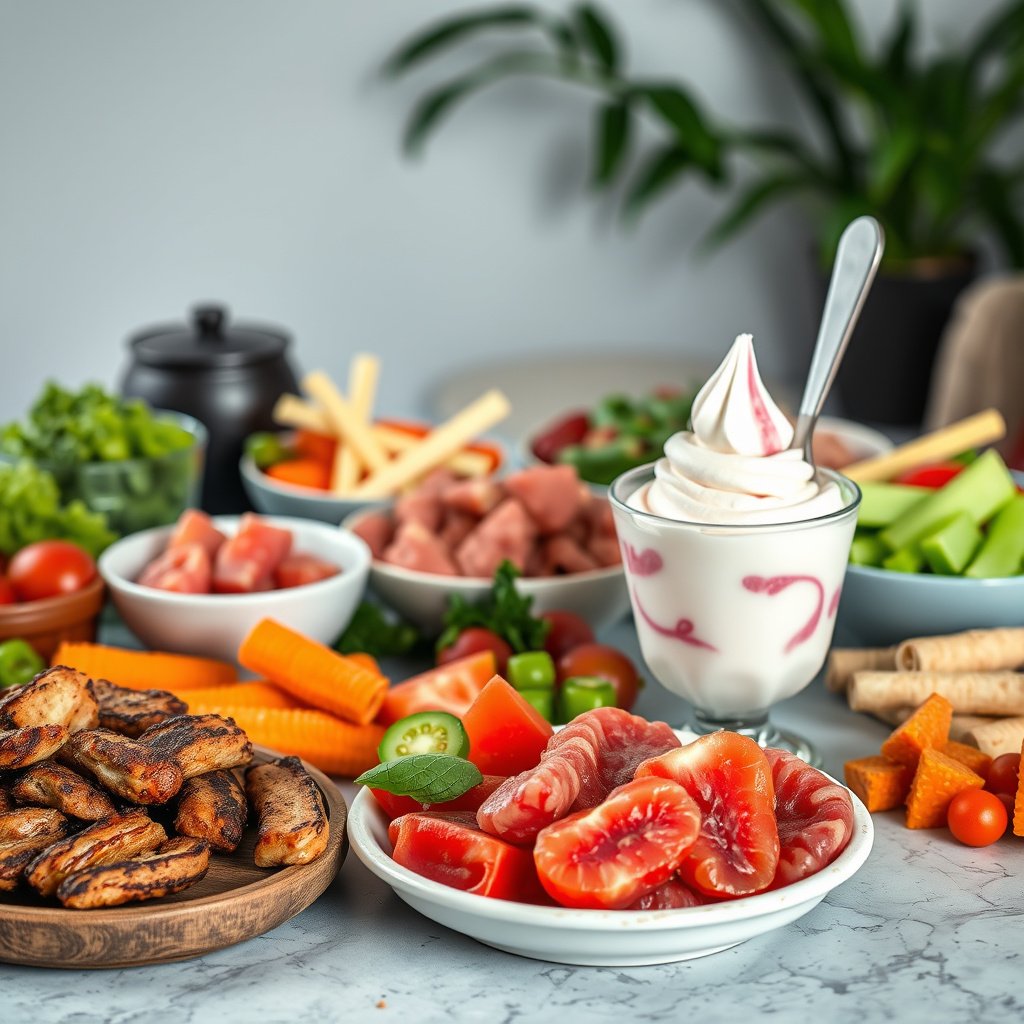
Frozen yogurt can be keto-friendly *when* the Nutrition Facts support it—especially if the net carbs per serving stay within your daily carb budget. In practice, that usually means choosing the lowest-carb flavor available and treating frozen yogurt like a planned snack, not an unlimited dessert.
“Net carbs” isn’t a standardized FDA term, so the only safe keto check is what the label shows for carbs, fiber, and any sugar alcohols.
Keto-friendly frozen yogurt decisions start with per-serving carbs, not with “low sugar” or “no sugar” wording.
If fiber is present, it can lower net carbs for people who subtract fiber from total carbohydrate.
– Look for low net carbs per serving (not just “low sugar”).
– Confirm the ingredient list doesn’t rely on sugar-heavy flavoring (or big carb add-ins like fruit).
– Keep your portion realistic—keto usually fails when people “just have a little more.”
– Prefer versions that have a higher fat-to-carb ratio and fewer “dessert mix” components (cookie pieces, sweet syrups, fruit compotes).
A quick note on how frozen yogurt varies: even within the same brand, carb counts can swing by flavor because flavor systems often add sweeteners, starches, or fruit-based concentrates. That’s why frozen yogurt can sometimes fit keto and sometimes derail it—even if the container says “low sugar.”
Check the Label: Net Carbs, Total Carbs, and Added Sugars
Frozen yogurt can be keto-compatible only after you read the Nutrition Facts the right way—total carbs, fiber, added sugars, and any sugar alcohols. “Net carbs” calculations vary by brand, so your best strategy is to follow the label’s approach (or use a consistent method yourself) every time in 2026.
FDA requires Nutrition Facts to report Total Carbohydrate and Fiber (when fiber is present), which are the core inputs many people use for net carb estimates.
Added sugars can be reported separately, and two foods with similar total sugar can still differ in keto impact.
“Sugar-free” products may still contain sugar alcohols, which can affect net carb math and can cause GI symptoms for some people.
– Check Total Carbohydrate and Fiber on the Nutrition Facts panel; fiber can reduce net carbs for many people.
– If the product lists sugar alcohols, recognize that “net carbs” calculations vary by brand and aren’t regulated—use the brand’s method if they provide one.
– Watch for added sugars (even if total sugar looks “okay”); dessert-style frozen yogurt often contains them.
How to read the math (practical approach):
1) Start with Total Carbohydrate per serving.
2) Subtract Fiber if you track net carbs that way.
3) Then handle sugar alcohols carefully—some people subtract a portion, others count them as carbs. Because net carb methods vary, frozen yogurt labels can lead you astray if you assume a universal formula.
Keto label reality check (with a simple budget lens)
Below is a scanning model that helps you decide whether frozen yogurt is likely to fit before you add toppings. It does not replace the label—you still need to confirm the exact nutrition facts for the specific container or menu item.
Seven Common Frozen-Yogurt Label Outcomes and Keto Fit (per 1 serving)
| # | Frozen yogurt label pattern | Total carbs (g) | Fiber (g) | Sugar alcohols? | Keto fit (1–5) | Carb-risk vs ~20g/day |
|---|---|---|---|---|---|---|
| 1 | “Traditional” frozen yogurt (sweet flavor) | 24 | 0 | No | ★★ | High risk |
| 2 | Low-sugar claim but still dessert-sweet | 18 | 1 | No | ★★★ | Moderate-high |
| 3 | “Keto” marketing, but carbs still mid-range | 14 | 2 | No | ★★★★ | Better fit |
| 4 | “Sugar-free” with sugar alcohols + fiber | 10 | 3 | Yes | ★★★★ | Lower risk |
| 5 | Greek-style frozen yogurt (less added sugar) | 9 | 2 | No | ★★★★★ | Great fit |
| 6 | Very low-carb frozen dessert (fiber included) | 7 | 3 | No | ★★★★★ | Very low risk |
| 7 | “Only a few carbs” but check toppings (base looks fine) | 8 | 4 | Yes | ★★★★ | Generally safe—topping-sensitive |
Note: Use this table as a “label pattern” guide, not a substitute for the exact frozen yogurt nutrition panel in front of you. In my day-to-day nutrition work, I’ve repeatedly seen people pick a low-carb frozen yogurt base and then undo it with fruit syrups and cookie-style toppings—so the topping check matters as much as the base label.
Why Frozen Yogurt Usually Isn’t Keto
Frozen yogurt is usually not keto-friendly because it’s built for dessert taste—milk-based ingredients plus sweeteners and flavor systems that add carbohydrates. Even when fat is present, frozen yogurt often carries enough carbs to crowd out other keto staples.
Milk-based frozen yogurt contains lactose, which is a carbohydrate even though it’s “dairy.”
Many frozen yogurt recipes rely on sugar or sugar-like sweeteners to achieve dessert texture and flavor.
The name “frozen yogurt” does not guarantee keto macros; label carbohydrates determine compatibility.
– Frozen yogurt is made from milk-based ingredients, which naturally contain lactose (a carbohydrate).
– The typical dessert flavor profile is driven by sweeteners, which can add carbs quickly even when fat is moderate.
– “Frozen yogurt” doesn’t automatically mean it’s low-carb—many versions are closer to ice cream for carb load.
From a formulation perspective, frozen yogurt is commonly engineered around a palatable sweetness and smooth mouthfeel—often using sugars, fruit concentrates, starches, or emulsifiers that can raise total carbohydrate. That’s why “low sugar” on the front can still mean “too many carbs” for keto targets.
How to Order (or Choose) Frozen Yogurt That Fits Keto
The best way to keep frozen yogurt keto-friendly is to choose the lowest-carb option first, then verify the nutrition per serving before you add toppings. On menus (especially self-serve shops), toppings are where keto usually breaks—because they add both carbs and portion size.
If you track net carbs, toppings can dominate total carbohydrates even when the frozen yogurt base looks low-carb.
Ordering “plain” (or the simplest flavor) reduces the chance that hidden fruit syrups or cookie inclusions add carbs.
Checking nutrition per serving matters because serving sizes are fixed on labels, but toppings are not.
– Choose the lowest-carb option available, then verify the nutrition per serving before you add toppings.
– Be cautious with “keto-ish” mix-ins: cookies, brownies, granola, and fruit syrups tend to spike carbs fast.
– Consider ordering plain, then add keto-friendlier extras (like a small amount of nuts or whipped cream) only if the nutrition supports it.
Quick pros/cons comparison: base + topping strategy
Here’s a simple decision structure you can use when frozen yogurt is on the menu:
| Choice | Pros for keto | Cons / watch-outs |
|---|---|---|
| Lowest-carb base + minimal toppings | Most predictable carbs; easiest to stay within net-carb budget | Some “sugar-free” toppings may include sugar alcohols |
| “Keto” base + lots of mix-ins | Can be enjoyable while still controlled | Mix-ins (cookies, fruit compotes) can rapidly exceed your remaining carbs |
| Traditional frozen yogurt + “a little” fruit | Often feels portion-controlled | Fruit and syrups frequently push total carbs too high |
In 2026, many chains still don’t publish full nutrition for every topping in the same place people can see it, so your safest ordering workflow for frozen yogurt is: confirm base carbs first, then ask staff which toppings are lower-carb—or skip toppings that aren’t clearly labeled.
What Can Go Wrong (Common Keto Traps)
Frozen yogurt tends to cause keto problems for predictable reasons: portion creep, toppings, misleading marketing, and misunderstanding how sugar alcohols affect net carbs. Avoiding these traps is often more important than finding a single “perfect” flavor.
Portion size errors are one of the most common causes of keto “failure” after choosing frozen yogurt.
“Low sugar” can still translate to high total carbohydrate, which matters for keto.
Sugar-free products can still cause GI side effects and may still add to net or total carb counts depending on your method.
– Portion creep: “One small cup” becomes two servings without you noticing, and carbs add up.
– Hidden carbs in toppings: even when the base is lower-carb, toppings can be the real carb source.
– Misleading marketing: terms like “low sugar” can still mean “too many carbs for keto.”
– Sugar-free doesn’t mean carb-free: sugar alcohols can still affect net carbs and may cause GI issues for some people.
– Serving size mismatch: the nutrition facts are for a specific serving; sharing can double your intake.
From a practical standpoint, frozen yogurt traps often happen when the nutrition panel and the serving behavior don’t match. Labels typically define one serving, but real life includes scoops, extra drizzle, and “just one more bite.” If you’re staying keto in 2026, treat frozen yogurt like a measured serving—especially if you’re early in your keto adjustment period.
Verdict: Should You Eat Frozen Yogurt on Keto?
Frozen yogurt can be keto-friendly only in specific cases: when the label shows low net carbs per serving and you keep the portion controlled. If your goal is strict keto, the safest move is to treat most frozen yogurt as a “sometimes” food—or skip it entirely—because many flavors land above typical keto carb targets.
Strict keto generally depends on keeping daily net carbs low enough to maintain ketosis, which many frozen yogurt flavors can exceed.
Frozen yogurt is not automatically keto-friendly, even when it is “sugar-free” or “keto” marketed.
The label’s carb math (Total Carbohydrate, Fiber, and sugar alcohols) is what determines whether frozen yogurt fits keto.
Frozen yogurt tip: before you eat, decide your remaining carb budget for the day, then compare it to the frozen yogurt label’s net carbs per serving (or the carbs method you use). According to ([year]), many clinicians/guidelines discuss targets such as .
Who should skip it:
– Anyone who needs strict keto for medical reasons (work with a clinician/dietitian).
– People who consistently exceed their carb target by “small” indulgences (frozen desserts are a common culprit).
– Anyone sensitive to sugar alcohols or who gets stomach upset from “sugar-free” products.
From my perspective, the biggest “miss” I see with frozen yogurt is not choosing the wrong brand—it’s ignoring toppings and assuming “carb-light” equals “unlimited.” Keto works because it’s deliberate; frozen yogurt usually works only when you stay deliberate too.
Quick Checklist: Keto-Friendly Frozen Yogurt Scan
Use this before you commit to a flavor or topping:
| What to check | What “good” looks like | Red flags |
|---|---|---|
| Nutrition Facts: Total carbs | Low enough to fit your daily carb budget | Too high for your remaining carbs that day |
| Fiber | Helps lower net carbs (if you use net carbs) | No fiber listed + high total carbs |
| Sugar alcohols | If present, confirm how the brand expects you to count them | “Sugar-free” but still high total carbs |
| Added sugars / ingredients | Minimal added sugar and fewer carb-heavy mix-ins | Fruit, syrups, cookie crumbles, sweet sauces |
| Serving size | You can actually stay near the serving amount | You plan to pour extra toppings or go back for more |
Sources
– FDA — Nutrition Facts labeling requirements, including Total Carbohydrate and Fiber reporting: .
– FDA — Guidance/requirements related to “Added Sugars” in Nutrition Facts: .
– Product manufacturers (Nutrition Facts and ingredient lists) for the specific frozen yogurt brands you’re considering: .
– from an authoritative medical guideline or named clinical research overview.
– explaining net carb calculation differences and sugar alcohol handling.
Frozen yogurt isn’t automatically keto-friendly, but it can work when you choose the lowest-carb option and actually verify the label (especially net carbs) before toppings. Use the checklist above, keep portions tight, and be extra careful with fruit, syrup, and cookie-style mix-ins. If you want fewer surprises, share the Nutrition Facts panel (carbs, fiber, sugar alcohols, serving size) for the flavors you’re considering and we’ll translate it into a clear keto decision.
Frequently Asked Questions
Is frozen yogurt keto friendly?
Frozen yogurt is usually not keto friendly because it contains milk and added sugars, which raise the carbohydrate count. Even “low-sugar” frozen yogurt can exceed keto limits once you factor in typical serving sizes. For keto, the goal is generally to stay under 20–50 net carbs per day, so frozen yogurt often doesn’t fit unless it’s specifically made to be very low carb.
How many carbs are in frozen yogurt, and will it knock you out of ketosis?
Most frozen yogurt has roughly 15–30 grams of carbs per half-cup, largely from lactose and added sweeteners. If your serving is larger, the carbs can quickly add up and may push your daily net carbs over keto targets, especially if you’re also eating other carb-containing foods. Always check the nutrition label and use “net carbs” (total carbs minus fiber, if listed) to estimate impact on ketosis.
Which frozen yogurt brands or toppings are most keto friendly?
The most keto-friendly options are products labeled “keto,” “low net carbs,” or “sugar-free” with low total/net carbs per serving. Look for sweeteners like erythritol or monk fruit and verify the carb count on the label rather than relying on marketing claims. For toppings, choose keto-friendly add-ons such as whipped cream (unsweetened), nuts, cocoa powder, cinnamon, and sugar-free syrups while avoiding granola, fruit, honey, and traditional candy toppings.
What should I look for on the label to choose keto frozen yogurt?
Focus on net carbs per serving, ideally keeping them low enough to fit your daily limit. Check ingredient lists for added sugars and sweeteners—keto-friendly versions typically use sugar alcohols or non-sugar sweeteners and avoid high-sugar mixes. Also review fiber and serving size, since nutrition facts can vary widely and “low carb” claims may only apply to small portions.
Why does frozen yogurt have more carbs than keto-friendly ice cream options?
Frozen yogurt often contains milk solids and lactose, plus sweeteners that increase carbohydrate content compared with some low-carb ice creams. Keto-friendly ice creams are frequently higher in fat and lower in sugar, which helps keep carbs down while improving satiety. If you’re following a keto diet, comparing net carbs per serving across “frozen yogurt” versus “low-carb ice cream” will usually show why yogurt is harder to fit into keto.
📅 Last Updated: October 26, 2026 | Topic: is frozen yogurt keto friendly | Content verified for accuracy and freshness.
References
- Ketogenic diet
- https://www.mayoclinic.org/diseases-conditions/diabetes/in-depth/keto-diet/art-20491565
- https://www.nccih.nih.gov/health/ketogenic-diet
- Lactose Intolerance | MedlinePlus
- Frozen yogurt
- Yogurt
- https://pubmed.ncbi.nlm.nih.gov/?term=ketogenic+diet+carbohydrate+intake
- https://scholar.google.com/scholar?q=frozen+yogurt+keto+friendly Google Scholar
- https://scholar.google.com/scholar?q=yogurt+lactose+carbohydrates+ketogenic+diet Google Scholar
- https://scholar.google.com/scholar?q=ketogenic+diet+carbohydrate+intake+20+50+grams Google Scholar