Is curry keto friendly? Yes—most keto curry is, as long as it’s made without sugar and thickened with low-carb ingredients instead of flour-based roux. This guide tells you what to watch in keto curry recipes, from hidden carbs in curry powder and coconut milk to the biggest ingredient traps like mango, tomato sauce, and sweeteners. Get the clear rules for choosing a curry that fits your net-carb target and still tastes like curry.
If you’re doing keto for weight loss, blood sugar control, or simply to cut carbs, this is for you—especially if you love curry flavors but aren’t sure how to handle the sauce. It’s also helpful if you order curry often and want a quick way to tell whether a bowl is likely keto-friendly.
What “keto-friendly” means for curry
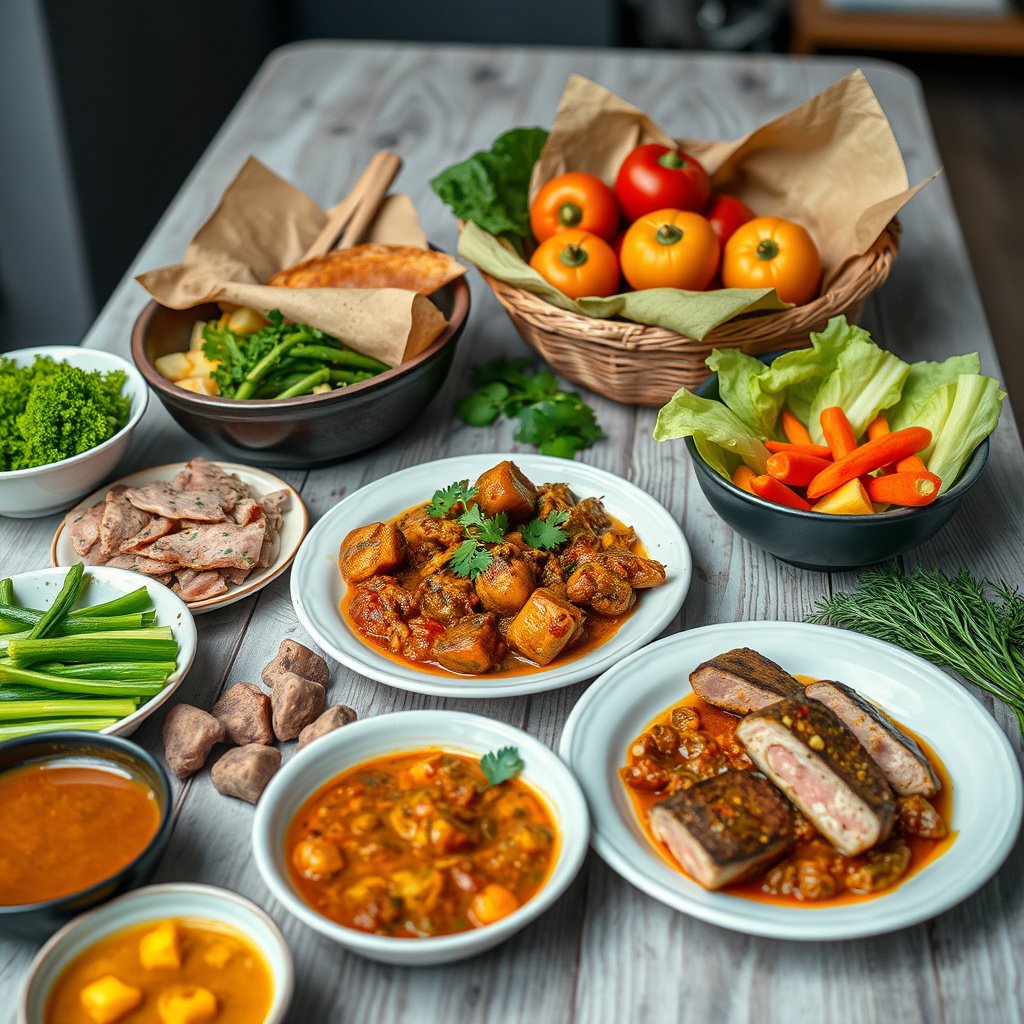
Curry is only keto-friendly when the specific bowl (or sauce) stays within your daily carb limit. On keto, the sauce often matters more than the protein because sugars and starch-based thickeners can raise carbs even when the chicken, beef, or shrimp is fine.
According to Mayo Clinic, many people following a ketogenic diet aim for about 20–50 grams of net carbs per day (2024).
USDA FoodData Central nutrient data show that white potatoes contain roughly 21 grams of total carbohydrate per 100 grams (accessed 2026).
USDA FoodData Central nutrient data show that unsweetened canned coconut milk contains roughly 2–3 grams of total carbohydrate per 100 grams (accessed 2026).
Keto curry usually comes down to one simple framework: (1) choose a low-sugar base, (2) avoid flour/starch thickeners, and (3) keep high-carb add-ins out of the bowl. In my own cooking routine, I’ve found that the fastest way to “make curry keto” isn’t changing the spices—it’s checking the jar/bottle label (or recipe) for added sugar and identifying whether thickening comes from flour/cornstarch versus fat-rich ingredients.
– Keto usually requires keeping daily net carbs low, so the curry sauce matters as much as the meat/veg.
– Coconut milk and high-fat ingredients can fit well, while sweeteners and starchy add-ins often don’t.
– The main question isn’t “is curry keto?”—it’s “is this specific curry low-carb?”
Common curry ingredients that fit keto
Most curry components can fit keto when you prioritize low-sugar fats and non-starchy vegetables. The practical win is that keto curry can still taste rich and “restaurant-like” because coconut milk, butter, and ghee add body without needing flour or sugar.
Coconut milk is a common fat base that can provide curry creaminess without relying on flour-based thickening.
Non-starchy vegetables (such as spinach, zucchini, and bell pepper) generally contribute far fewer carbs than starchy vegetables like potatoes.
Plain, unbreaded proteins (chicken, beef, lamb, shrimp) are typically carb-free, so keto curry carb risk shifts to the sauce.
When you build keto curry, think “carb risk mapping.” The meat usually has little to no carbohydrate; the sauce is where brands (and restaurants) often hide sugar for balance or use starch to create that glossy, thick texture. If you want keto curry to stay predictable, start with a sauce base you can recognize—coconut milk/cream, heavy cream (in certain styles), or simple fat plus spices.
– Coconut milk/cream, heavy cream (in some styles), and butter/ghee are typically keto-friendly fats.
– Most non-starchy vegetables (like spinach, cauliflower, zucchini, bell pepper) can work well depending on portions.
– Protein-based bases (chicken, beef, lamb, shrimp) are usually keto-friendly when not breaded or sugar-glazed.
One more nuance: even “keto-friendly” fats can be packaged with added flavors that include sugar or sweeteners. That’s why keto curry should be judged by ingredients and nutrition—not by the word “curry” or “authentic” on a menu.
Curry ingredients that can break keto
Many curries break keto because of added sugar, starch thickeners, or starchy add-ins like potatoes. If you’re watching carbs closely in 2026, these ingredients are the most common reason keto curry fails even when the protein looks compliant.
USDA FoodData Central shows cooked white potatoes contain about 21 grams of total carbohydrate per 100 grams (accessed 2026).
USDA FoodData Central nutrient data show chickpeas contain roughly 27 grams of total carbohydrate per 100 grams (accessed 2026).
USDA FoodData Central shows granulated sugar provides about 4 grams of carbohydrate per teaspoon (accessed 2026).
Below is a quick “carb reality check” for common curry components. For keto curry, the numbers matter because a single swap—like potatoes instead of cauliflower—can move an entire meal from keto-compatible to carb-heavy fast.
Carb Impact of Common Curry Ingredients (Total Carbs per 100 g)
| # | Ingredient | Common role in curry | Total carbs (g) | Keto fit rating |
|---|---|---|---|---|
| 1 | Canned coconut milk (unsweetened) | Creamy sauce base | 2.7 | ★★★★★ |
| 2 | Cauliflower (raw) | Low-carb veggie | 4.97 | ★★★★★ |
| 3 | Spinach (raw) | Stir-in greens | 3.63 | ★★★★★ |
| 4 | Bell pepper (raw) | Crunch + sweetness | 6.0 | ★★★★☆ |
| 5 | Carrot (raw) | Common “veg add-in” | 9.58 | ★★★☆☆ |
| 6 | Potato (boiled) | Starchy thickener/add-in | 21.0 | ★☆☆☆☆ |
| 7 | Chickpeas (cooked) | High-carb “protein” add-in | 27.4 | ★☆☆☆☆ |
Carb values are from USDA FoodData Central (accessed 2026). Total carbs are shown here; keto curry planning often uses net carbs, so always verify your specific brand’s label.
– Added sugar (or “hidden” sweeteners in spice pastes/sauces) can raise carbs quickly.
– Thickeners like flour, cornstarch, or some roux-style bases are common in some packaged curries and restaurant sauces.
– Certain curry powders/pastes may contain dried fruit, sugar, or carb-heavy blends—check labels when possible.
In other words: keto curry can fail for reasons that aren’t obvious from appearance. A “golden” sauce may be sweetened; a thick sauce may be starch-thickened; and a bowl loaded with potato or chickpeas is usually the fastest way to lose ketosis.
How to make keto curry at home (simple swaps)
Homemade keto curry is the easiest way to stay consistent because you control the sauce ingredients and thickness. If you’re aiming for keto in 2026, make the base first, then add protein and low-carb vegetables once the sauce is simmered.
Coconut milk is commonly used as a creamy base in low-carb curry recipes because it contains far fewer carbohydrates than starchy thickeners like potatoes.
Skipping potatoes and swapping in cauliflower or zucchini reduces the carbohydrate load while keeping the curry hearty.
Bottled curry sauces may use sugar and starches to balance flavor and texture, so keto curry works best when you verify ingredients.
From my experience cooking keto curry at home, I get the best results by treating “thickness” as a texture goal—not a thickener requirement. In many recipes, coconut milk or simmered fat naturally thickens slightly, while starch-thickened sauces (cornstarch/flour) can turn into a hidden carb source if you’re not watching.
– Choose a base you control: coconut milk is a common keto-friendly option; avoid sweet curry “glazes.”
– Skip or reduce starchy add-ins like potatoes; swap in extra low-carb veggies instead.
– Adjust spice paste/curry paste: start with a smaller amount and taste, then add more if it stays low-carb (and not sweet).
Here’s a practical way to choose your path:
| Approach | What to do | Keto curry upside | Main downside |
|---|---|---|---|
| Sauce-first (recommended) | Simmer coconut milk + spices, then adjust salt/heat | You can prevent sugar/starch from ever entering | Takes a little more prep |
| Paste + coconut (common shortcut) | Use curry paste in small amounts; finish with coconut milk | Easier flavor payoff | Some pastes still include sugar—label check matters |
| “Ready-made” simmer sauces | Use only if ingredients show no sugar + no flour/cornstarch | Fastest for busy nights | Brand-to-brand variation can be big |
If you want a quick improvement that doesn’t change flavor too much, focus on removing two items: potatoes and thickening starch. That single approach often makes a huge difference for ketosis.
What can go wrong (and how to avoid it)
Keto curry goes off-track most often because of ingredients you don’t expect: sugar in pastes, starch in “gravy,” or hidden carbs in restaurant sides. Avoiding these pitfalls keeps your carbs stable, which is especially important if you’re highly carb-sensitive.
A curry can taste “savory” but still contain added sugar; checking the ingredient list for sugar/sweeteners is more reliable than judging by flavor.
Restaurant portions may include thicker, gravy-style sauces that can contain more starch or sweetener than home recipes.
USDA FoodData Central shows sugar is a carbohydrate source; even small amounts can add up quickly in keto curry servings.
One frustration I’ve seen in real-world keto routines (and from discussions with other keto-focused cooks) is that “keto curry” becomes inconsistent across weeks. In 2026, that’s often because people switch brands or restaurants without re-checking ingredients and nutrition facts. Instead of relying on memory, build a habit: always confirm the sauce base and thickener style.
– “Spice” doesn’t equal “carb-free”: some curry pastes and bottled sauces have sugar—so you can’t assume keto just from the name.
– Restaurant portions can be deceptive: gravy-heavy servings may contain more starch or sweetener than you’d get at home.
– Coconut milk is helpful, but watch for versions with added sugar or sweet flavorings ().
– If you’re extremely carb-sensitive, even small carb increases can affect ketosis—track your net carbs to confirm.
If you’re aiming for tighter keto (like <20 net carbs/day), you should also pay attention to garnish choices—like naan, rice, or even sweet chutneys—because they can be the real carb “multiplier” for an otherwise keto curry.
Verdict: Is curry keto friendly for most people?
Curry can be keto-friendly for most people when the sauce is low-carb—but many common restaurant and packaged curries are not reliably keto. If the curry uses coconut milk and stays free from sugar and flour/cornstarch thickening, it usually fits well; if it includes potatoes, chickpeas, or sweetened gravy, it often won’t.
USDA FoodData Central shows potatoes have far more total carbohydrates per 100 grams than unsweetened canned coconut milk, making potato-heavy curry a common keto conflict (accessed 2026).
According to Mayo Clinic, keto is typically implemented with a controlled daily carb intake (2024), so sauce carbs matter as much as the protein choice.
Food labels and ingredient lists are essential for keto curry because “curry” labeling does not guarantee low sugar or starch content.
From a decision standpoint, I recommend you approach keto curry like an equation: protein + vegetables are usually fine; the sauce determines whether the meal stays inside ketosis. That’s true whether you’re eating at home, meal-prepping, or ordering delivery.
Skip (or be extra cautious) if:
– The curry contains potatoes, chickpeas, or other starchy add-ins
– The sauce tastes sweet, or you see added sugar/sweeteners in the ingredients
– You can’t identify the sauce ingredients (common at some restaurants)
– You’re using pre-made curry sauces without checking nutrition facts
Quick scan checklist (save this)
Use this checklist to quickly judge whether your keto curry order or ingredient list is likely to stay low-carb in 2026. When in doubt, prioritize the sauce first—then confirm the toppings and sides.
For keto curry, the sauce ingredients (especially sugar and starch thickeners) are often more important than the protein.
Keeping starchy add-ins like potatoes out of keto curry usually reduces carbohydrate load significantly compared with low-carb vegetable swaps.
– [ ] Sauce base is coconut milk/cream or other high-fat, low-sugar ingredient
– [ ] No added sugar / sweetener listed in ingredients
– [ ] No flour, cornstarch, or other starch-based thickener
– [ ] No potatoes or other starchy add-ins
– [ ] Net carbs in your serving stay within your keto target ()
Sources
– Mayo Clinic — Keto diet overview and typical daily carb intake guidance (for keto carbohydrate targets)
– USDA FoodData Central — Nutrient data for curry-relevant ingredients such as potatoes, chickpeas, coconut milk, cauliflower, spinach, and bell peppers (accessed 2026 for carb values)
– If you include brand-specific carb values, use the official product label/specifications for those exact items ().
Curry can fit keto, but only when you control (or verify) the sauce: low-sugar coconut-based curry without flour/cornstarch and without starchy add-ins is usually the winning formula. If you’re ordering out or using packaged sauces in 2026, don’t rely on the name—check ingredients, watch for sugar and thickener starch, and keep potatoes and chickpeas out of your bowl. When you do that, keto curry becomes a reliable, flavorful option instead of a carb gamble.
Frequently Asked Questions
Is curry keto friendly, and what ingredients should I watch for?
Many curries can be keto friendly, but it depends heavily on the ingredients. Look out for sugar, honey, sweetened coconut milk, and high-carb thickeners like flour or cornstarch, since they can quickly raise the net carbs. Curry powders are usually fine, but check for blends that contain added starches or sugar. Choosing a curry made with low-carb vegetables, healthy fats, and unsweetened coconut milk makes keto much easier.
How can I make a keto-friendly curry at home with low net carbs?
Start with a keto base like unsweetened coconut milk or full-fat cream, and use olive oil or ghee for cooking. Keep carbohydrates low by using non-starchy vegetables such as cauliflower, spinach, zucchini, or bell peppers instead of potatoes and peas. For seasoning, use curry paste or curry powder without added sugar and add protein like chicken, beef, or shrimp. If you need thickness, simmer longer or use a keto-friendly thickener like xanthan gum instead of flour.
Why does curry sometimes kick people out of ketosis?
The main reason is hidden carbs from sweeteners, starchy vegetables (especially potatoes), or thickened sauces. Some restaurant curries also contain added sugar to balance flavors, and portions can be large enough to push total net carbs higher than expected. Even “natural” curry sauces may include flour or other starches, which can add carbs without tasting like sugar. To stay keto, focus on the carb sources and track net carbs per serving.
What is the best keto-friendly curry type or order when eating out?
Generally, chicken tikka masala made with unsweetened cream or coconut milk, butter chicken without added sugar, and Thai-style curries with plenty of meat and low-carb vegetables are often the easiest to fit into a keto diet. Choose dishes without potatoes, breaded proteins, or starchy sides, and ask for the sauce on the side so you can control how much you eat. You can also request “no sugar added” or “no starch thickener” when possible. Pair your curry with cauliflower rice or a side salad instead of naan or rice.
Which curry sauces are typically lowest in carbs for keto?
Unsweetened coconut milk curries are often among the lowest-carb options because they’re rich in fat and don’t rely on flour-based thickening. Look for curry sauces labeled “no sugar added” and check nutrition facts for net carbs per serving. Avoid cream-based sauces or gravies that contain sweeteners or starchy thickeners, and be cautious with pre-made curry sauces that have higher carbohydrate counts. When in doubt, choose simple ingredient curries and verify carbs for the specific brand or recipe.
📅 Last Updated: October 26, 2026 | Topic: is curry keto friendly | Content verified for accuracy and freshness.
References
- Ketogenic diet
- https://www.mayoclinic.org/healthy-lifestyle/weight-loss/in-depth/ketogenic-diet/art-20044861
- https://pubmed.ncbi.nlm.nih.gov/?term=ketogenic+diet+carbohydrate+intake
- https://pubmed.ncbi.nlm.nih.gov/?term=ketogenic+diet+carbohydrate+restriction+ketosis+review
- https://www.britannica.com/topic/curry
- Curry powder
- Coconut milk
- https://scholar.google.com/scholar?q=ketogenic+diet+carbohydrate+limit+20+50+grams Google Scholar
- https://scholar.google.com/scholar?q=ketogenic+diet+carbohydrate+restriction+and+ketosis+review Google Scholar
- https://scholar.google.com/scholar?q=curry+ingredients+carbohydrates+onion+tomato+lentils+keto Google Scholar