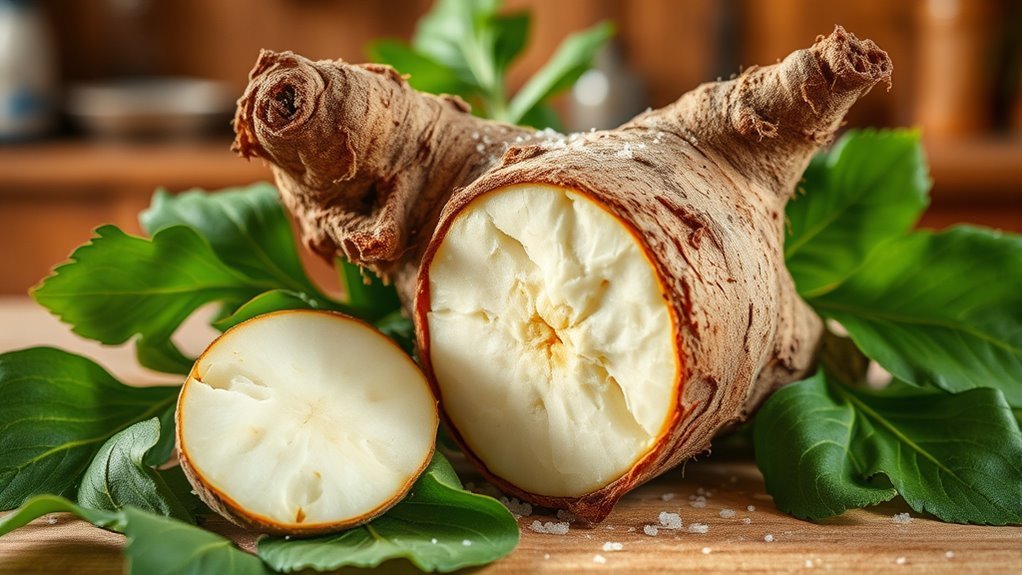

Cassava isn’t keto-friendly due to its high carbohydrate content, containing about 38 grams of carbs per 100 grams. This can quickly disrupt ketosis, making it hard to maintain a low-carb diet. While it offers some nutritional benefits, its starchiness can spike blood sugar levels. If you’re following a keto diet, it’s safer to choose low-carb vegetables. Learn how to incorporate healthier alternatives and understand their impact on your diet for better results.
Understanding Cassava: Nutritional Overview
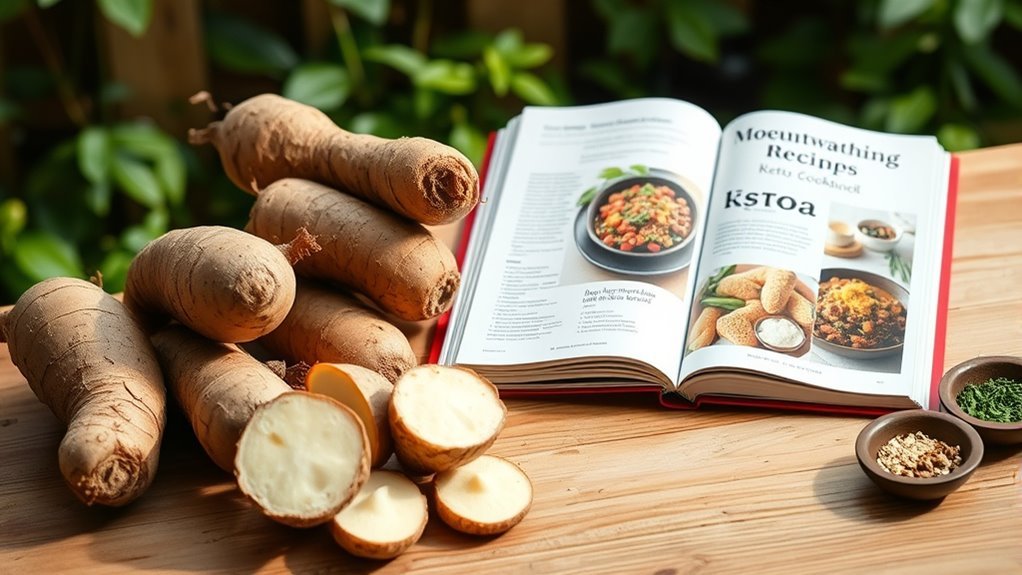
Although cassava is a staple food in many parts of the world, its nutritional profile raises questions for those following a ketogenic diet. Originating from South America, cassava has spread globally, leading to numerous cassava varieties adapted for different climates. These varieties include sweet and bitter types, both rich in carbohydrates. While cassava offers essential nutrients like vitamin C and fiber, its high starch content can make it a less favorable choice for keto enthusiasts. If you’re considering incorporating cassava into your diet, understanding its origins and varieties is vital. Balancing your meals with low-carb options while enjoying this versatile root can help you maintain your dietary goals without sacrificing flavor or culture.
Carbohydrate Content of Cassava
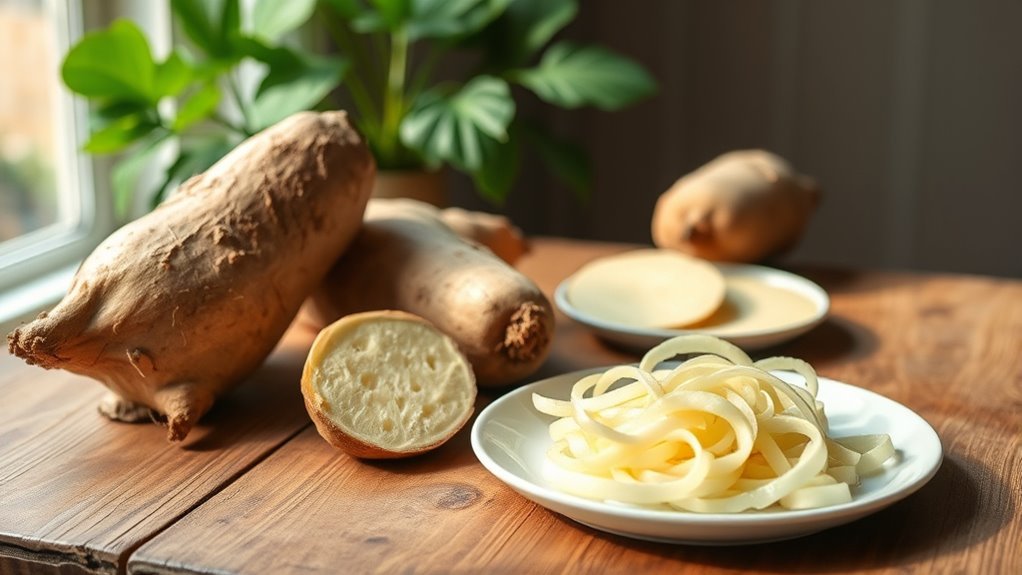
When considering cassava’s place in your diet, it’s essential to look at its carbohydrate content. Cassava is high in carbs, primarily starch, which can greatly impact your daily intake compared to other low-carb alternatives. Understanding this nutritional breakdown will help you make informed choices if you’re aiming for a keto lifestyle.
Nutritional Breakdown of Cassava
While many people consider cassava a staple food in various cuisines, its nutritional profile, particularly its carbohydrate content, is significant for those following specific dietary plans. Cassava is primarily composed of carbohydrates, with about 38 grams per 100 grams, making it a high-carb option. The carbohydrate content can vary across cassava varieties and is influenced by preparation methods, such as boiling or frying, which can alter its glycemic index. While it provides energy, those on low-carb diets should approach it cautiously. Understanding the nutritional breakdown of cassava helps you make informed choices, especially if you’re aiming for a balanced diet or considering alternatives. Always consider how different varieties and cooking techniques can impact your overall nutrient intake.
Carbs Compared to Alternatives
If you’re considering cassava as a dietary option, it’s important to compare its carbohydrate content with other alternatives. Cassava packs about 38 grams of carbs per 100 grams, which can be significant for those engaged in carb counting. In contrast, common keto alternatives like cauliflower or zucchini contain only around 5 grams and 3 grams of carbs, respectively. If you’re aiming for a ketogenic lifestyle, these lower-carb options might be more suitable. While cassava can offer nutritional benefits, its high carb content could hinder ketosis. Ultimately, knowing your goals and understanding the carb profiles of these foods will empower you to make informed choices that align with your dietary freedom and health aspirations.
How Cassava Affects Ketosis
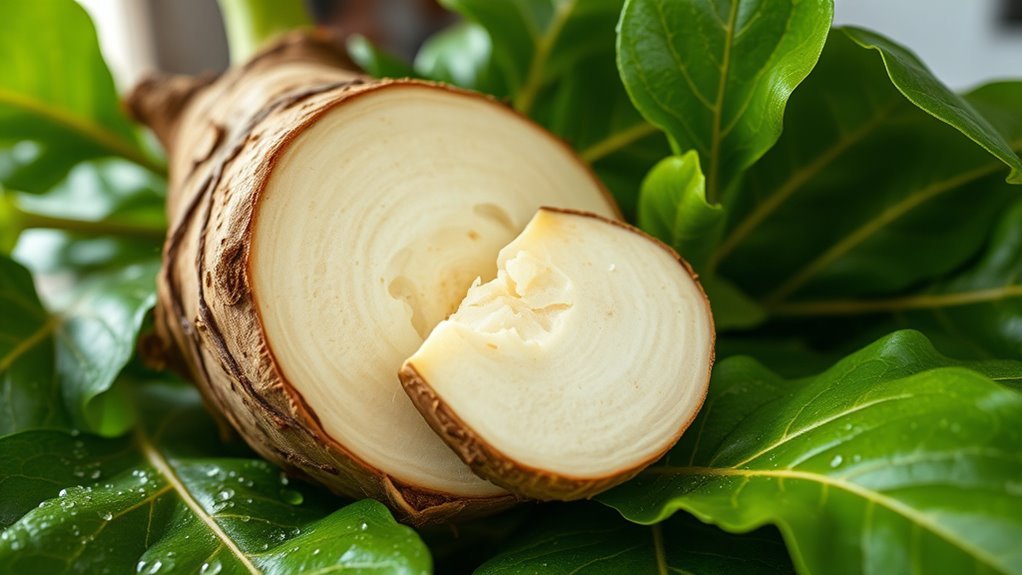
Although cassava is a popular root vegetable known for its versatility and nutritional benefits, its impact on ketosis can be significant. If you’re considering incorporating cassava into your diet, it’s crucial to understand how it affects your body’s metabolic state. Here are four ketosis factors to keep in mind regarding cassava metabolism:
- High Carbohydrate Content: Cassava is rich in carbs, which can hinder your ability to maintain ketosis.
- Glycemic Index: Its high glycemic index may spike blood sugar levels, disrupting ketosis.
- Fiber Content: While it contains some fiber, it lacks the low-carb profile needed for keto.
- Portion Control: Consuming large amounts can easily push you out of ketosis.
Balancing these factors is key to your dietary choices.
Comparing Cassava to Other Low-Carb Vegetables
When comparing cassava to other low-carb vegetables, it’s essential to look at their nutritional profiles and carbohydrate content. While cassava is rich in vitamins and minerals, its carbohydrate levels are considerably higher than many other low-carb options like spinach or zucchini. Understanding these differences can help you make more informed choices for your keto diet.
Nutritional Profile Comparison
While cassava is often celebrated for its versatility and taste, its nutritional profile starkly contrasts with that of many low-carb vegetables. If you’re considering keto alternatives, understanding these differences can guide your choices. Here’s a comparison of cassava’s benefits against low-carb options:
- Carbohydrates: Cassava is high in carbs, while options like spinach and zucchini are low.
- Fiber: Low-carb vegetables often provide more fiber, enhancing digestive health.
- Vitamins: Leafy greens are rich in vitamins A, C, and K, surpassing cassava’s nutritional offerings.
- Calories: Most low-carb vegetables are lower in calories, making them more suitable for weight management.
When choosing your diet, these distinctions can help you align with your keto goals effectively.
Carbohydrate Content Analysis
Understanding cassava’s carbohydrate content is essential for anyone following a keto diet, especially when comparing it to low-carb vegetables. Cassava is a starchy root vegetable, containing about 38 grams of carbohydrates per 100 grams, which is considerably higher than options like spinach or zucchini, both of which have around 2-3 grams. While cassava offers carbohydrates primarily as energy sources, these are not ideal for a keto lifestyle. Additionally, cassava has limited dietary fiber compared to other low-carb vegetables, which can help with digestion and satiety. If you’re seeking to maintain a state of ketosis, focusing on low-carb vegetables is your best bet, as they provide essential nutrients without the carb overload that cassava brings.
Nutritional Benefits of Cassava
Although cassava is often criticized for its high carbohydrate content, it also offers several nutritional benefits that can be valuable in a balanced diet. Here are some key health benefits of cassava:
Cassava may be high in carbs, but it provides valuable nutrients and health benefits for a balanced diet.
- Rich in Dietary Fiber: It helps promote digestive health and can aid in maintaining a healthy weight.
- Good Source of Energy: The carbohydrates provide a quick energy boost, ideal for active lifestyles.
- Gluten-Free Option: For those with gluten sensitivities, cassava serves as a nutritious alternative to wheat.
- Vitamin and Mineral Content: Cassava contains essential vitamins like C and B6, as well as minerals such as potassium, which support overall health.
Ways to Incorporate Cassava Into Your Diet
If you’re looking to add cassava to your meals, there are several delicious and versatile ways to do so. You can try making cassava flour, which works great for gluten-free baking. Use it in cassava recipes like pancakes or bread for a unique twist. For a quick bite, consider cassava snacks like chips or fries; they’re crunchy and satisfying. You can also boil or steam cassava roots and pair them with your favorite dips or sauces. Another option is to incorporate cassava into stews or soups for an added texture. With these ideas, you can enjoy cassava while exploring new flavors and dishes, making your meals both exciting and nutritious.
Alternatives to Cassava for Keto Dieters
While cassava is a popular ingredient in many cuisines, it’s not suitable for a keto diet due to its high carbohydrate content. Fortunately, there are plenty of keto-friendly alternatives you can enjoy. Here are four low carb substitutes for cassava:
- Cauliflower: This versatile vegetable can be riced, mashed, or used in pizza crusts.
- Zucchini: Great for spiralizing into noodles or baking into bread.
- Turnips: A fantastic low carb substitute for mashed potatoes, with a slightly sweet flavor.
- Radishes: When roasted, they become tender and make a delightful addition to various dishes.
These keto-friendly vegetables can help you maintain your low carb lifestyle while still enjoying delicious meals.
Final Thoughts on Cassava and Keto Compatibility
When considering cassava’s role in a keto diet, it’s clear that its high carbohydrate content makes it incompatible with the low-carb principles of this eating plan. While cassava offers several benefits—like being a good source of vitamins and minerals—it poses keto challenges due to its starchy nature. If you’re aiming for ketosis, you’ll likely find that incorporating cassava can hinder your progress. That said, if you enjoy its taste and texture, consider using it sparingly or on non-keto days. Ultimately, understanding your personal dietary goals is key. You can still enjoy cassava’s benefits, but it’s essential to prioritize low-carb options to maintain your keto lifestyle effectively. Choose wisely to find that balance!
Frequently Asked Questions
Can I Eat Cassava Chips on a Keto Diet?
When considering cassava chips as a keto snack, it’s important to note they’re typically high in carbs. While they can be a tasty treat, they might not fit well within strict keto guidelines. Instead, you might explore cassava alternatives like kale chips or pork rinds, which are lower in carbs. Remember, you can enjoy freedom in your choices, but it’s essential to stay informed about your dietary goals to maintain ketosis.
Are There Any Keto-Friendly Recipes Using Cassava?
If you’re looking for keto-friendly recipes using cassava, you might want to contemplate alternatives like cauliflower or zucchini. While cassava is starchy, you can explore keto substitutions to create similar textures in dishes. For instance, using cassava flour in moderation can work for some recipes, but always balance it with low-carb ingredients. Focus on incorporating more non-starchy vegetables to keep your meals satisfying and within your carb limits, giving you the freedom to enjoy diverse flavors.
How Is Cassava Prepared for Consumption?
When it comes to cassava preparation methods, you can start by peeling and washing the root thoroughly. Then, you can boil, steam, or roast it to enhance its flavor and texture. Each method offers unique nutritional benefits, like retaining vitamins and minerals. Boiling, for instance, makes it soft and easy to digest. Whether you’re making cassava fries or flour, understanding these techniques can elevate your meals while providing essential nutrients.
What Are the Potential Side Effects of Cassava?
When considering cassava, it’s essential to be aware of potential side effects. One major concern is its toxicity; raw cassava contains cyanogenic compounds that can be harmful if not properly prepared. Its nutritional profile is rich in carbohydrates but lacks essential nutrients, which can lead to deficiencies if it dominates your diet. Cooked cassava is safer, but moderation is key to avoid adverse effects while enjoying its culinary versatility. Stay informed and enjoy responsibly!
Is Cassava Gluten-Free?
Yes, cassava is gluten-free, making it a suitable choice for those with gluten sensitivities or celiac disease. Its nutrition profile offers carbohydrates, fiber, and essential vitamins. If you’re looking for alternatives, consider options like almond flour or coconut flour, which also provide gluten-free benefits. Incorporating these alternatives can diversify your meals while maintaining a gluten-free lifestyle. Just remember to balance your diet with a variety of nutrients for ideal health.
Frequently Asked Questions about Cassava and the Keto Diet
1. Is cassava a keto-friendly food?
No, cassava is not considered keto-friendly. While it is a nutritious root vegetable, it is high in carbohydrates. A typical serving of cassava can contain about 36 grams of carbs, which is significantly more than what is allowed on a standard ketogenic diet, where carbohydrate intake is usually limited to around 20-50 grams per day.
2. What are the carbohydrate content and nutritional values of cassava?
Cassava is primarily composed of carbohydrates, providing approximately 38 grams of carbs per 100 grams of raw cassava. In addition to carbohydrates, it contains about 1.4 grams of protein and less than 1 gram of fat. Cassava is also a good source of vitamin C, folate, and potassium, but its high carb content makes it unsuitable for a keto diet.
3. Are there any keto-friendly substitutes for cassava?
Yes, there are several keto-friendly substitutes for cassava. Some popular alternatives include cauliflower, zucchini, and konjac (shirataki) noodles. These vegetables are low in carbs and can be used in a variety of recipes to mimic the texture and flavor of cassava without exceeding the carbohydrate limits of a ketogenic diet.
4. Can cassava be included in a low-carb diet?
While cassava is not suitable for a strict ketogenic diet, it can be included in a low-carb diet if portion sizes are carefully controlled. Individuals following a low-carb diet may be able to enjoy small amounts of cassava while still maintaining their carbohydrate goals, but it is essential to balance it with other lower-carb foods.
5. What are the health benefits of cassava?
Cassava offers several health benefits, including being a good source of energy due to its high carbohydrate content, supporting digestive health with its fiber content, and providing essential vitamins and minerals like vitamin C and potassium. However, it is vital to consume cassava in moderation, especially for those following low-carb or keto diets, to avoid excessive carbohydrate intake.
References
- https://en.wikipedia.org/wiki/Cassava
- https://www.ncbi.nlm.nih.gov/pmc/articles/PMC5868153/
- https://www.healthline.com/nutrition/keto-diet-foods
- https://www.bbc.co.uk/news/world-latin-america-55120103
- https://www.sciencedirect.com/science/article/pii/S2351978921000614
- https://www.fao.org/3/y5160e/y5160e03.htm
- https://ods.od.nih.gov/factsheets/CassavaHealthProfessional/