Learn how to make keto with simple, step-by-step actions that get you eating low-carb, high-fat fast—without guesswork. This guide answers the only question that matters when starting keto: what to do first so your carbs drop and your meals stay practical. Follow the straightforward setup and sample choices to start keto confidently and avoid the most common early mistakes.
To “make keto,” you shift your eating pattern to very low carbs so your body enters nutritional ketosis; practically, that means setting a carb ceiling, choosing repeatable meals, and handling electrolytes during the first week. In this guide, you’ll set realistic keto targets, stock the right foods, and avoid the most common early pitfalls that derail keto starts—especially in 2026 when “keto” labeling is everywhere.
If you’re new to keto (or restarting), this is for you—especially if you want a practical setup plan rather than vague diet talk. You’ll also find safety notes for people who should not try keto without medical guidance.
What “making keto” really means
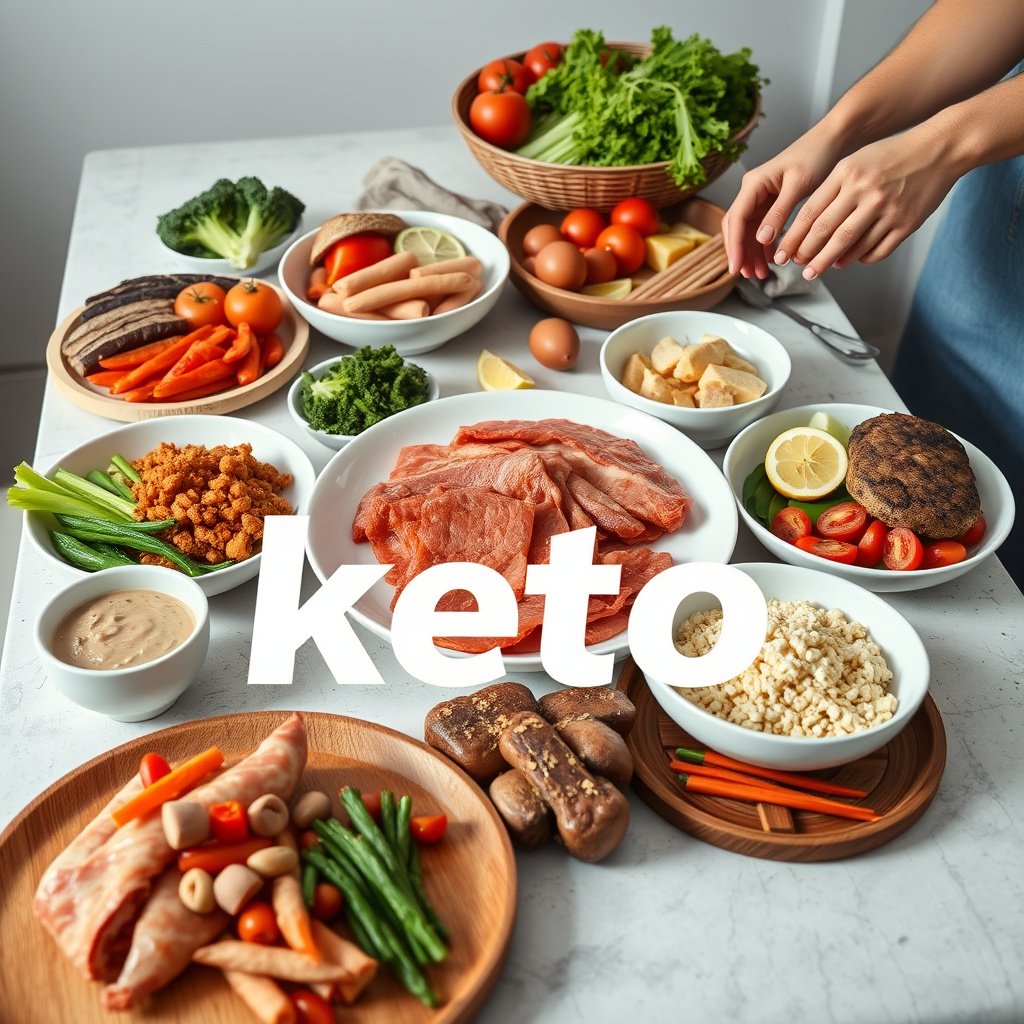
Making keto isn’t about banning “all carbs”; it’s about keeping carbs low enough, consistently, to reach nutritional ketosis. In nutritional ketosis, your body relies more on ketones (especially beta-hydroxybutyrate) and fat-derived fuel instead of glucose as the primary energy source.
Keto is about keeping carbs low enough to reach nutritional ketosis, not just cutting “a little bread.”
You’ll typically balance low carbs with adequate protein and fats so meals keep you full and consistent.
Your exact targets (like carbs and protein) should match your goals and any medical situation.
Nutritional ketosis generally refers to a metabolic state where the body produces ketones at levels consistent with low-carbohydrate intake (rather than starvation-only ketone production).
Keto diets are typically characterized by very low carbohydrate intake, adequate protein, and calorie support primarily from fats.
Most “keto” failures come from inconsistent carb intake (including hidden carbs), not from a lack of willpower.
What changes in your body on keto
When you lower carbs, insulin levels tend to drop, and the body increases fat breakdown. The liver converts fatty acids into ketones that can be used by the brain and other tissues. That switch is what keto “feels like” for many people—steady energy for some, cravings and GI changes for others—especially during the first days of keto.
For most adults, the practical definition of keto starts with carbohydrate targets (commonly expressed as grams of net carbs or total carbs). In 2026, it’s also common to see keto approaches vary between “strict keto” and “more flexible” low-carb plans; both can work, but they usually differ in how reliably they drive nutritional ketosis.
Key clarification: “keto” vs “low-carb”
Low-carb and keto overlap, but they aren’t the same. Keto is structured enough to aim for nutritional ketosis; a general “low-carb” diet may improve blood sugar or appetite while not consistently reaching ketosis. If your goal is nutritional ketosis (not just less bread), you need to set measurable targets and build meals that keep carbs low day after day.
Set your keto targets (carbs, protein, fats)
To make keto, you need clear numeric targets—especially for carbs—so your keto meals keep you inside nutritional ketosis. Then you choose a protein level that supports lean mass without accidentally pushing carbs too high.
Choose a carb limit approach from a reputable guideline and decide how you’ll measure “net carbs” (carb math matters).
Pick a protein strategy that avoids both extremes: too low can stall progress; too high can make some people overshoot carbs.
Plan fat intake to meet the rest of your calories—don’t treat fat as “free,” treat it as your main fuel.
Mayo Clinic describes typical ketogenic carbohydrate intake as about 20 to 50 grams per day for many people.
Protein needs on keto are individualized, but consistently under-eating protein can worsen hunger and reduce dietary adherence.
Carb math (fiber inclusion and “net carb” definitions) affects whether keto actually delivers nutritional ketosis.
Carb limit: pick a number you can actually follow
A practical starting point that many clinicians use for keto is 20–50 g carbs/day for most people. Mayo Clinic (ketogenic diet overview: carbohydrate range) If you choose to follow “net carbs,” you’ll usually calculate net carbs as total carbs minus fiber—but note that “net carb” definitions are not standardized across all manufacturers and labels.
To avoid confusion, decide now how you’ll track keto carbs:
– Option A (simplest): track total carbs.
– Option B (common in keto): track net carbs = total carbs − fiber (and keep your rules consistent).
In 2026, the biggest tracking mistake is switching methods mid-week; when you do, you can accidentally drift out of nutritional ketosis even if your “keto” meals look similar.
Protein: aim for “enough,” not “minimal”
Protein is essential for maintaining muscle, supporting satiety, and making keto sustainable. Too little protein can backfire on keto adherence; too much protein can displace fats and, for some people, indirectly make carbs harder to keep low. A common approach is using body-weight-based planning (often discussed in sports nutrition guidance) and then adjusting based on results like hunger and energy.
Fats: use them to complete calories (not to “eat unlimited”)
Fats are the main calorie driver on keto, but they aren’t free. If you eat very high-fat keto meals while also over-consuming calories, weight loss may stall. If weight loss is your goal, treat fats as a planned “fuel,” not a blank check.
Carb approach comparison (choose your keto lane)
Here’s a quick comparison you can use before you start keto in 2026:
| Keto target style | Typical carb cap | Best for | Main tradeoff |
|---|---|---|---|
| Classic keto (strict) | ~20–50 g/day | Trying to reach/maintain nutritional ketosis | Less room for carbs and “keto treats” |
| Keto with tracking | Same carb cap, tighter logging | People who want fewer surprises | Requires consistent label reading early |
| Lower-carb (not fully strict keto) | Varies (may not consistently reach ketosis) | Appetite and metabolic support without a ketosis goal | Results may be less ketosis-driven |
Build your keto shopping list
To make keto easier, your shopping list should minimize decisions and eliminate “accidental carbs.” A good keto grocery haul makes it simple to build meals that repeatedly fit your carb limit and keep nutritional ketosis more consistent.
Prioritize non-starchy vegetables, quality proteins, and keto-friendly fats (use labels to avoid hidden carbs).
Keep “keto staples” ready so you’re not deciding every meal from scratch (eggs, cheese options, olive oil, nuts in measured portions).
Watch out for common carb traps: sauces, dressings, packaged “keto” snacks, and certain dairy/processed foods.
Many packaged foods marketed as “keto” still contain meaningful carbs, so label reading remains essential for nutritional ketosis.
Non-starchy vegetables provide fiber and micronutrients while keeping carbs lower than starchy foods.
Sauces and dressings are frequent hidden sources of sugar and starch that can push keto carbs above your limit.
A practical way to stock keto staples
In 2026, the simplest keto setup is to stock categories, not recipes. For keto meals, you need:
– Protein: eggs, chicken thighs/breasts, salmon, beef, turkey, pork, plain Greek yogurt (if it fits your carb target)
– Low-carb vegetables: spinach, zucchini, broccoli, cauliflower, mushrooms, leafy greens, cucumber
– Fats for cooking and finishing: olive oil, avocado oil, butter, mayonnaise (check sugar), olives, avocado
– Flavor without carbs: salt, pepper, garlic powder, paprika, vinegar, keto-friendly sauces (verify carbs)
Visual: carb reality check for common keto foods (USDA-style planning)
Below are typical net carb estimates per serving you can use to plan keto meals without guessing. (Net carb calculations assume fiber is subtracted; always verify against the label or your tracking tool.)
Estimated Net Carbs in Common Keto Foods (per typical serving)
| # | Food (typical serving) | Net carbs (g) | Fiber (g) | Keto fit rating |
|---|---|---|---|---|
| 1 | Salmon (3 oz / 85 g) | 0 g | 0 g | ★★★★ |
| 2 | Eggs (2 large) | ~1.0 g | 0 g | ★★★★ |
| 3 | Spinach (1 cup raw / ~30 g) | ~1.4 g | ~2.2 g | ★★★★ |
| 4 | Avocado (1/2 medium) | ~1.8 g | ~6.7 g | ★★★★ |
| 5 | Cauliflower (1 cup raw / ~100 g) | ~3.0 g | ~2.0 g | ★★★☆ |
| 6 | Zucchini (1 cup sliced / ~124 g) | ~1.7 g | ~2.0 g | ★★★★ |
| 7 | Greek yogurt, plain (170 g) | ~6–7 g | ~0 g | ★★☆☆ |
Note: these values are planning estimates; labels vary by brand and portion size. For keto, always verify nutrition facts on the product you buy.
Plan simple keto meals (use a repeatable structure)
To make keto stick, you plan meals you can repeat instead of inventing new menus every day. A repeatable meal structure keeps carbs predictable, reduces decision fatigue, and supports nutritional ketosis in real life.
Use a plate formula: protein + low-carb vegetables + a fat source (butter/olive oil/avocado) so meals stay consistent.
Make 3–5 “default” breakfasts, lunches, and dinners you can rotate—this reduces decision fatigue.
If you’re meal-prepping, cook proteins and roast vegetables in batches, then assemble with sauce and fats as needed.
A consistent meal structure (protein + low-carb vegetables + added fat) makes keto easier to track and repeat.
Decision fatigue commonly causes carb creep on keto, especially when people rely on “what sounds good” meals.
Meal prepping keto proteins and low-carb vegetables lowers the odds of accidentally eating higher-carb convenience foods.
My recommended “keto plate” template
Use this formula as your default:
– Protein: 4–8 oz (or your clinician/schedule target)
– Non-starchy vegetables: 1–2 cups (raw or cooked)
– Fat: 1–3 tablespoons (olive oil, butter, mayonnaise-style dressing, or avocado)
If you’re doing keto for weight management, you can also keep a consistent portion size for the fat while adjusting protein/vegetables based on hunger.
Meal templates (rotate through your first keto week)
To keep you moving now, here are ready-to-adapt templates in the same structure (you can substitute ingredients based on your preferences):
1. Breakfast: scrambled eggs + sautéed spinach + olive oil drizzle
2. Lunch: salad bowl with grilled chicken, olive oil + vinegar, olives, and cucumber
3. Dinner: baked salmon + roasted broccoli/cauliflower + butter or avocado
4. Snack (if needed): celery/cucumber with cheese or tuna mayo (label-check carbs)
5. Easy “no-cook” option: ground beef or turkey patties (pan-cooked) + mixed greens + avocado
On keto, it’s often easier to control carbs by controlling sauces and sides rather than changing the main protein.
If keto cravings spike, adding low-carb vegetables and planned protein typically works better than reaching for “keto desserts.”
Start keto safely (the first week)
To start keto safely, you treat the first week as an adaptation period: expect changes in cravings, digestion, and energy as nutritional ketosis ramps up. You also plan hydration and electrolytes so keto symptoms don’t become avoidable.
Expect adjustment: cravings, energy changes, and digestive shifts can happen as your body adapts to using fat for fuel.
Hydration and electrolytes often matter during early keto adaptation—use a plan based on reputable guidance.
Track progress beyond the scale (how you feel, hunger, sleep, workout tolerance), and only adjust once you’ve given the plan enough time.
Many people experience “keto flu” symptoms when switching to low-carb intake, which can overlap with other health issues.
During low-carbohydrate adaptation, hydration and electrolyte balance are commonly discussed in clinical nutrition guidance.
Tracking symptoms (hunger, sleep, exercise tolerance) helps you refine keto targets without chasing day-to-day scale noise.
Hydration + electrolytes: what to do first
Carb reduction changes how the kidneys handle sodium and fluid, which is why electrolytes come up early in keto. A conservative safety approach (especially if you’re not under clinician care) is to align with established guidance for electrolyte intake:
According to the NIH Office of Dietary Supplements, sodium Adequate Intake is 1,500 mg/day and the Tolerable Upper Intake Level is 2,300 mg/day for most adults NIH Office of Dietary Supplements (Sodium: Adequate Intake and UL)—and potassium Adequate Intake is 3,400 mg/day for men and 2,600 mg/day for women NIH Office of Dietary Supplements (Potassium: Adequate Intake).
In keto, many people choose to increase sodium beyond baseline during adaptation; however, if you have hypertension, kidney disease, heart failure, or take diuretics, you should not self-adjust.
How long until keto feels different?
Your timeline depends on your starting point, sleep, activity, and how tightly you keep keto carbs. If you don’t feel better after a week, it may reflect carb drift, insufficient electrolytes, too-low calories, or protein/calorie imbalance.
Also, keep in mind: “keto flu” symptoms can mimic other conditions. If you have severe dizziness, persistent vomiting, chest pain, or signs of dehydration, seek medical evaluation instead of “pushing through.”
What can go wrong on keto
Making keto often fails for predictable reasons: carbs creep up, protein or calories drift too far, and people underestimate adaptation effects. In 2026, the abundance of “keto” products also increases the risk of hidden sugar alcohols, fiber blends, or carbs that still add up.
Hitting carbs too high (often from sauces, “healthy” snacks, or misreading labels) is the most common reason people don’t feel well.
Under-eating protein or over-relying on keto desserts can make consistency harder and increase hunger.
“Keto flu” symptoms (headache, fatigue, cramps, nausea) can overlap with other issues—don’t ignore severe or persistent symptoms.
Keto isn’t one-size-fits-all: some people need a more cautious approach, especially if they’re on glucose-lowering medication.
Hidden carbohydrates in sauces, dressings, and “keto convenience” products are a frequent driver of keto carb creep.
Keto flu symptoms overlap with dehydration and electrolyte imbalance, so hydration and sodium/potassium intake matter early.
People on glucose-lowering therapy may be at higher risk for hypoglycemia when starting ketogenic diets.
Common keto derailers (and how to correct them)
1) Sauce math errors
Even “sugar-free” sauces may include carbs from thickeners or sweeteners. If you’re not tracking, your keto carbs may rise without you noticing.
2) “Keto snacks” that stall progress
Desserts and snack bars can be calorie-dense while still being hard to fit into keto macros. When hunger returns, it’s often a sign you need more consistent meals, not a higher number of keto treats.
3) Not enough protein
Some people reduce carbs but also reduce protein and then struggle with hunger. Protein supports satiety and reduces rebound cravings—especially in the first week of keto.
4) Medication and diabetes risk
If you take insulin or diabetes medications that lower blood glucose, keto can change your glucose levels quickly. Medical supervision is crucial before starting keto.
Verdict / tip (and who should skip keto)
Keto can work well when you commit to low carbs, repeat simple meals, and track how your body responds to nutritional ketosis. The tradeoff is that it can be restrictive, easy to derail with hidden carbs, and not appropriate for everyone—especially without medical guidance.
Consider skipping (or getting medical guidance first) if you are pregnant or breastfeeding, have a history of eating disorders, or take medication that affects blood sugar—especially insulin or sulfonylureas.
If you want keto for a short-term trial, plan a “restart” strategy (clear foods, clear targets, and a stop rule if side effects are concerning).
People with diabetes should only start ketogenic diets with clinician guidance because medication dosing may need adjustment.
If you have kidney disease, heart failure, or hypertension, electrolyte changes during keto adaptation can be clinically important.
A short-term, structured keto trial can reduce risk compared with an open-ended, highly restrictive diet.
Pros vs cons (realistic tradeoffs)
| Pros | Cons / risks |
|---|---|
| Clear carb target makes adherence measurable | Early side effects can occur during adaptation (“keto flu”) |
| Repeatable meals can reduce decision fatigue | Hidden carbs in sauces/snacks can derail nutritional ketosis |
| May support appetite control for some people | Not ideal for everyone, especially without clinician oversight (e.g., diabetes meds) |
Who should skip keto (or pause until you get medical guidance)
Skip keto—or get clinician guidance first—if you:
– are pregnant or breastfeeding
– have a history of eating disorders
– take glucose-lowering medication (especially insulin or sulfonylureas)
– have kidney disease, heart failure, or significant electrolyte-related conditions
Quick keto setup checklist (save this)
| Step | What to do | Done? |
|---|---|---|
| Pick targets | Set your carb limit approach + protein strategy | ☐ |
| Stock basics | Eggs/protein + low-carb veg + keto fats | ☐ |
| Remove traps | Check sauces/snacks for hidden carbs | ☐ |
| Build meal templates | 5 repeatable meals you can rotate | ☐ |
| Plan for adjustment | Hydration + electrolyte approach | ☐ |
| Track & tweak | Watch symptoms and consistency, not just the scale | ☐ |
Sources
If you want keto to work in the real world, focus on the fundamentals: set your carb ceiling for nutritional ketosis, build a grocery list that prevents accidental carbs, rotate a handful of simple meals, and handle hydration/electrolytes during week one. Keto is powerful for some people, but it’s also easy to derail—so the most effective “keto restart” is the one that’s structured, trackable, and medically safe for your situation.
Frequently Asked Questions
What foods should I eat to start keto successfully?
To start keto, focus on high-fat, low-carb foods like meat, fish, eggs, cheese, olive oil, avocado, and low-carb vegetables (spinach, broccoli, zucchini). Choose non-starchy options and avoid sugar, grains, starchy vegetables, and most fruit to keep your carbohydrate intake low. Many people aim for a keto-friendly plate: protein plus generous fats plus non-starchy veggies, which makes “how to make keto” easier to follow consistently.
How do I calculate my daily net carbs for keto?
Start by deciding your carb limit—most people use 20–50 net grams of carbs per day to stay in ketosis. Calculate net carbs as total carbohydrates minus fiber (and sometimes minus sugar alcohols, depending on the product). Read nutrition labels carefully, then track carbs for a few days to confirm your “keto macro” targets match your actual intake and hunger levels.
How do I make keto meals simple and affordable for beginners?
Build your routine around a few repeatable keto meal templates: pan-seared meat with olive oil and leafy greens, omelets with cheese and vegetables, or sheet-pan dinners with chicken thighs and low-carb vegetables. Batch cook proteins (like ground beef, chicken, or salmon) and keep keto staples on hand (eggs, cheese, canned tuna, olive oil, butter, and avocados). This approach helps you maintain keto macros without constant meal planning, which is a common struggle when learning how to make keto sustainable.
Why do people get “keto flu,” and how can I prevent it?
Keto flu is often caused by the rapid drop in carbohydrates, which can lead to temporary electrolyte and hydration imbalances (headache, fatigue, cramps, or dizziness). To reduce symptoms, increase water intake and prioritize electrolytes like sodium, potassium, and magnesium, especially during the first week. Eating keto-friendly meals with salted foods and supplementing if needed can make transitioning to keto much smoother.
Which keto snacks and drinks are best when cravings hit?
The best keto snacks are high-fat, low-net-carb options such as cheese, olives, nuts (in measured portions), beef jerky (watch sugar), Greek yogurt (unsweetened), and cucumber with guacamole. For drinks, choose water, sparkling water, unsweetened tea/coffee, and zero-sugar electrolyte drinks rather than sugary beverages or juice. Having ready-to-eat keto snacks on hand makes it easier to stay within your daily net carbs and follow your keto plan.
📅 Last Updated: October 26, 2026 | Topic: how to make keto | Content verified for accuracy and freshness.
References
- Ketogenic diet
- https://www.mayoclinic.org/diseases-conditions/diabetes/in-depth/keto-diet/art-20427185
- https://www.britannica.com/topic/ketogenic-diet
- Checking your browser – reCAPTCHA
- https://pubmed.ncbi.nlm.nih.gov/?term=ketogenic+diet+initiation+carbohydrate+restriction
- Search: ketogenic diet how to start – NLM
- Search results for ketogenic diet – NHS
- https://scholar.google.com/scholar?q=how+to+start+a+ketogenic+diet Google Scholar
- https://scholar.google.com/scholar?q=ketogenic+diet+guidelines+electrolytes+fats+protein+carbohydrate Google Scholar
- https://scholar.google.com/scholar?q=ketogenic+diet+initiation+intervention+adults Google Scholar