

To go keto, start by shifting your diet to high-fat and low-carb foods, targeting about 70-75% fat, 20-25% protein, and 5-10% carbs. Gradually reduce your carbs to avoid the “keto flu.” Keep yourself hydrated and replenish electrolytes to ease the changeover. Tracking your macro intake is essential for staying in ketosis. Explore simple recipes and meal prep strategies to support your new lifestyle. There’s much more to discover about making this adjustment successfully.
Understanding the Ketogenic Diet

The ketogenic diet, often referred to as keto, is a high-fat, low-carbohydrate eating plan designed to shift your body’s metabolism from burning glucose to burning fat. To understand keto, you need to grasp its key ketogenic principles, which focus on drastically reducing carbs and increasing healthy fats. Typically, the macro ratios you’ll aim for are about 70-75% fat, 20-25% protein, and only 5-10% carbohydrates. This shift encourages your body to enter a state called ketosis, where it efficiently utilizes fat for energy. By embracing these principles, you’ll find a sense of freedom in food choices while promoting potential weight loss and improved mental clarity. However, it’s essential to plan your meals carefully to maintain these macro ratios effectively.
Benefits of Going Keto
While many people turn to the ketogenic diet for weight loss, its benefits extend beyond just shedding pounds. One significant advantage is improved mental clarity. Many followers report enhanced focus and cognitive function, likely due to the brain’s efficient use of ketones as fuel. This shift can lead to greater productivity and creativity in daily tasks. Additionally, the ketogenic diet may help stabilize blood sugar levels, reducing cravings and helping you maintain your desired weight more easily. It’s also associated with reduced inflammation, which can contribute to better overall health. By embracing the keto lifestyle, you’re not only pursuing weight loss but also empowering yourself with increased energy and sharper thinking. Freedom from traditional dietary constraints can be liberating!
How to Transition to a Keto Lifestyle

Embracing the benefits of a ketogenic diet can be an exciting journey, but making the change requires some careful planning. First, it’s essential to educate yourself about keto misconceptions, such as the belief that all fats are bad. Instead, focus on healthy fats, while reducing carbs. Gradually adjust your lifestyle; try reducing carb intake over a week rather than going cold turkey. This helps minimize potential side effects like the “keto flu.” Additionally, consider your social life—find supportive friends or online communities to share experiences. Staying hydrated and ensuring adequate electrolytes will also aid your shift. Ultimately, embracing these lifestyle adjustments will empower you to thrive on your keto journey, revealing the freedom to enjoy a healthier, more energized life.
Meal Planning and Preparation Tips
To successfully navigate a ketogenic diet, effective meal planning and preparation are essential. Start by setting aside time each week for grocery shopping. Make a list focused on low-carb options like meats, healthy fats, and non-starchy vegetables. This keeps you on track and minimizes impulse buys.
Explore simple recipe ideas that fit the keto framework, such as zucchini noodles with pesto or cauliflower rice stir-fry. Batch cooking can save time; prepare meals in advance and store them in portioned containers.
Consider using a meal prep app to streamline your planning process. This way, you can maintain variety in your meals while staying compliant with your dietary goals, giving you the freedom to enjoy your food without the stress of last-minute decisions.
Common Mistakes to Avoid
As you commence on your keto journey, it’s crucial to be aware of common mistakes that can derail your progress. Many people fall prey to keto misconceptions that can lead to frustration and carb cravings. Here are four mistakes to avoid:
- Not Tracking Your Macros: Ignoring your daily intake can hinder ketosis.
- Fearing Healthy Fats: Many avoid fats, thinking they’ll gain weight, but they’re essential for keto.
- Underestimating Protein: Too little protein can lead to muscle loss, so balance is key.
- Skipping Hydration: Dehydration can increase cravings and fatigue; drink plenty of water.
Maintaining Long-Term Success on Keto
Sustaining long-term success on a keto diet requires more than just avoiding common pitfalls; it involves adopting habits that promote a balanced lifestyle. To maintain motivation, consider tracking your progress consistently. This not only helps you see improvements but also keeps you engaged in your journey.
| Tracking Method | Benefits |
|---|---|
| Journaling | Reflects on meals and feelings |
| Apps (e.g., MyFitnessPal) | Easy logging and analysis |
| Before & After Photos | Visual motivation and progress |
| Weekly Weigh-Ins | Keeps accountability in check |
Incorporating these methods can foster a sense of freedom, allowing you to adapt your approach while staying true to the keto principles. Remember, balance is key to enjoying the journey.
Frequently Asked Questions About Going Keto
What is the ketogenic diet?
The ketogenic diet, or keto diet, is a low-carb, high-fat diet that aims to put your body into a state of ketosis. In ketosis, your body becomes highly efficient at burning fat for energy instead of carbohydrates. This diet typically involves reducing carbohydrate intake to about 5-10% of total daily calories, while increasing fat intake to around 70-75% and protein intake to about 20-25%.
What foods can I eat on a keto diet?
On a keto diet, you can eat a variety of foods, including:
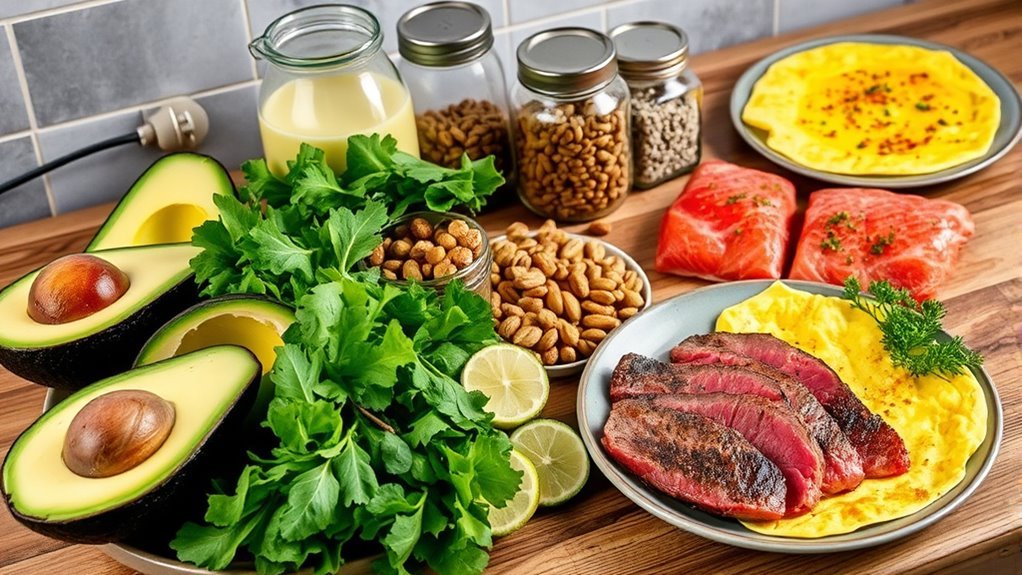
- Meats: beef, pork, chicken, turkey, and fatty fish like salmon
- Low-carb vegetables: leafy greens, broccoli, cauliflower, and zucchini
- Healthy fats: avocados, olive oil, coconut oil, and butter
- Dairy: cheese, heavy cream, and unsweetened yogurt
- Nuts and seeds: almonds, walnuts, flaxseeds, and chia seeds
It’s important to avoid high-carb foods such as grains, sugars, and starchy vegetables.
How long does it take to enter ketosis?
The time it takes to enter ketosis can vary from person to person, but typically it can take anywhere from 2 to 7 days after significantly reducing carbohydrate intake. Factors such as your previous diet, activity level, and individual metabolism can influence this timeframe. To help speed up the process, ensure you are consuming adequate healthy fats and staying hydrated.
What are the potential side effects of starting a keto diet?
When starting a keto diet, some individuals may experience what is commonly referred to as the “keto flu.” Symptoms can include fatigue, headaches, dizziness, irritability, and nausea. These symptoms are typically temporary and resolve within a few days to a week as your body adjusts to burning fat instead of carbohydrates. Staying hydrated, maintaining electrolyte balance, and gradually reducing carbs can help mitigate these side effects.
Can I exercise while on a keto diet?
Yes, you can exercise while on a keto diet. Many people find that they can maintain or even improve their exercise performance as their bodies adapt to using fat for fuel. However, during the initial transition into ketosis, you may experience a temporary decrease in performance. It’s recommended to listen to your body, adjust your workout intensity, and ensure you are consuming enough electrolytes and nutrients to support your activity level.
References
- https://en.wikipedia.org/wiki/Ketogenic_diet
- https://www.ncbi.nlm.nih.gov/pmc/articles/PMC7210560/
- https://www.healthline.com/nutrition/what-is-a-ketogenic-diet
- https://www.hhs.gov/fitness/eat-healthy/nutrition-basics/dietary-guidelines/2020-2025/index.html
- https://www.cdc.gov/healthyweight/healthy_eating/index.html
- https://www.diabetes.org/nutrition/healthy-foods
- https://www.heart.org/en/healthy-living/healthy-eating/eat-smart/nutrition-basics/keto-diet
- https://www.mayoclinic.org/healthy-lifestyle/nutrition-and-healthy-eating/in-depth/keto-diet/art-20460498