Starting the keto diet involves drastically reducing your carbohydrate intake while increasing your fat consumption to help your body enter a state of ketosis. This metabolic state allows your body to efficiently burn fat for energy instead of relying on carbohydrates. In this guide, you will learn the essential steps to successfully initiate a keto lifestyle, including meal planning, food choices, and tips for staying on track, ensuring a smooth transition into this popular dietary approach.
Understanding the Keto Diet
The ketogenic diet, or keto diet, primarily focuses on a high-fat, moderate-protein, and low-carbohydrate intake. Typically, the macronutrient ratio of a standard keto diet consists of approximately 70-75% fats, 20-25% protein, and only 5-10% carbohydrates. This drastic reduction in carbohydrate intake prompts the body to enter a state of ketosis, where it begins to utilize fat as its primary source of energy instead of glucose derived from carbohydrates. As a result, many individuals experience weight loss, improved mental clarity, and stable energy levels throughout the day. Understanding the science behind ketosis is crucial, as it helps individuals grasp how their bodies will respond to dietary changes and the potential benefits that await them.
Essential Foods for a Keto Diet
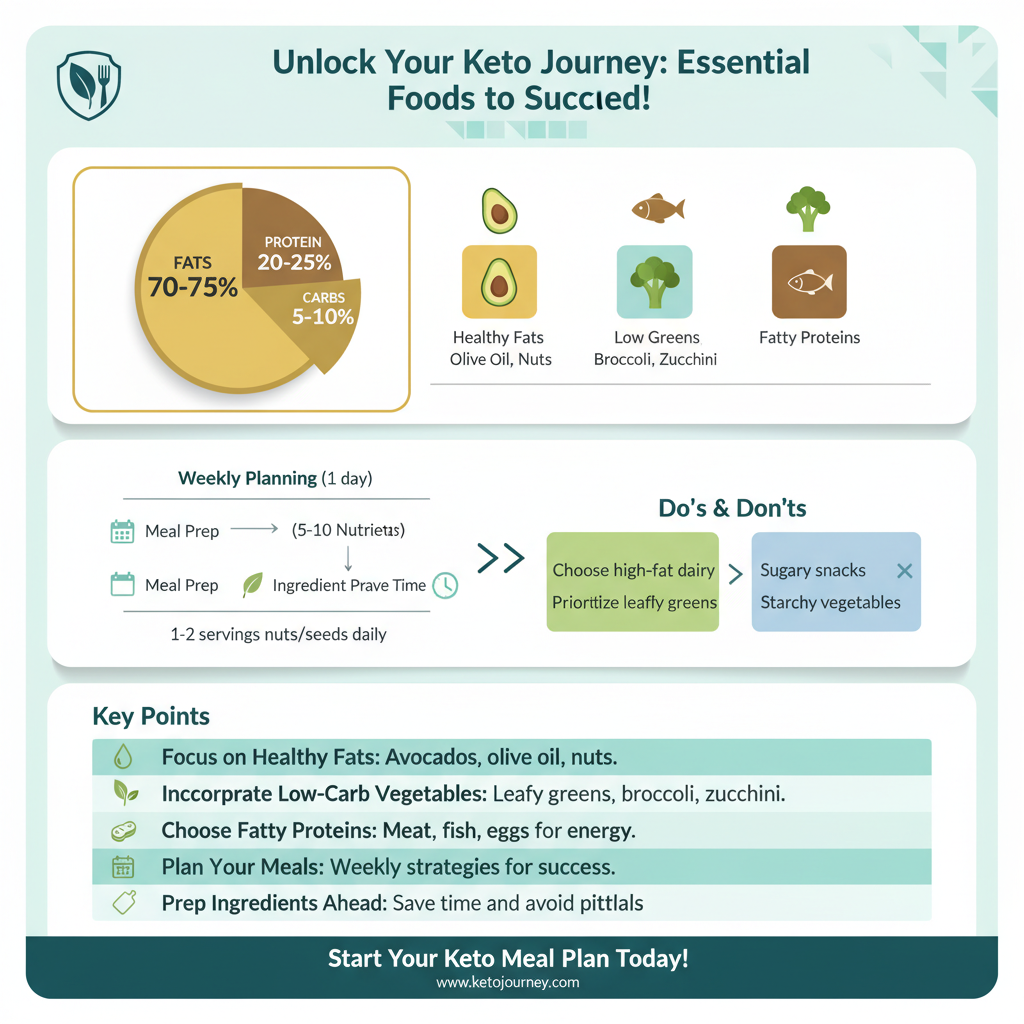
When embarking on a keto diet, focusing on healthy fats and low-carb vegetables is paramount. Healthy fats such as avocados, olive oil, nuts (like almonds and walnuts), and seeds (such as chia and flaxseeds) should form the cornerstone of your daily meals. These fats not only provide necessary energy but also support heart health and reduce inflammation.
Incorporating low-carb vegetables is equally important. Leafy greens (like spinach and kale), cruciferous vegetables (such as broccoli and cauliflower), and other non-starchy options (like zucchini and bell peppers) should be staples in your diet. These vegetables are nutrient-dense and provide essential vitamins and minerals without exceeding your carbohydrate limits. Additionally, proteins should include fatty cuts of meat, fish, and eggs, which contribute to the overall fat content of your meals.
Meal Planning Strategies
To avoid the common pitfalls associated with any new diet, including the keto diet, efficient meal planning is essential. Preparing a weekly meal plan can simplify grocery shopping and cooking, ensuring you have all the necessary ingredients on hand. For instance, dedicate a day each week to planning out meals, making grocery lists, and prepping food items. This might include chopping vegetables, marinating meats, or even making keto-friendly snacks.
Batch cooking is another effective strategy. By preparing larger quantities of meals, you can save time during the week and reduce the temptation to stray from your diet. For example, cooking a large pot of chili made with low-carb ingredients can provide several meals that can be easily reheated. Consider incorporating a variety of recipes to keep your meals exciting and prevent dietary boredom.
Common Mistakes to Avoid
As you start your keto journey, it’s vital to be aware of common mistakes that can hinder your progress. One significant error is failing to track your macronutrients accurately. Without monitoring your carbohydrate, protein, and fat intake, you may inadvertently consume too many carbs, preventing you from entering or maintaining ketosis. Utilizing apps or food diaries to keep track of your intake can be beneficial.
Another common pitfall is rushing into the diet without fully understanding how to balance your meals. It’s essential to ensure that each meal is well-rounded and adheres to your macronutrient goals. For instance, some may mistakenly load up on protein while neglecting fats, which can slow down the process of entering ketosis. Taking time to educate yourself on keto-friendly food combinations and meal structures will result in a more successful adaptation to the diet.
Staying Motivated on the Keto Diet
Maintaining motivation on the keto diet can be challenging, especially in the initial stages. Setting realistic goals is crucial; rather than aiming for a significant weight loss target right away, focus on smaller, achievable milestones. For instance, aim to lose a few pounds each week or commit to a specific number of keto meals per week.
Celebrating small achievements can significantly enhance motivation. Whether it’s treating yourself to a new keto cookbook when you reach a mini-goal or sharing your successes with friends and family, acknowledging your progress can provide a positive boost. Additionally, joining online communities or local support groups can be immensely helpful. These platforms offer opportunities to share recipes, ask questions, and connect with others who are on the same journey, creating a sense of camaraderie and support.
Adjusting to the Keto Lifestyle
As your body transitions to burning fat for fuel, you may experience what is commonly referred to as the “keto flu.” Symptoms can include fatigue, headaches, irritability, and difficulty sleeping, typically occurring within the first week of starting the diet. Being aware of these potential side effects can help you prepare for them and alleviate anxiety.
To ease the symptoms of keto flu, staying hydrated is essential; increased water intake can help counteract dehydration, which is common during this transition. Moreover, consider supplementing with electrolytes—such as sodium, potassium, and magnesium—to replenish lost minerals and help mitigate headaches and fatigue. Gradually reducing carbohydrate intake rather than cutting them all at once can also smooth the transition and lessen the intensity of keto flu symptoms.
Monitoring Your Progress
Regularly checking your ketosis levels can provide valuable insights into your diet’s effectiveness. Ketone test strips, available at pharmacies, can help you determine whether your body is in ketosis by measuring the ketones in your urine. Alternatively, a blood ketone meter offers a more accurate assessment, albeit at a higher cost.
Keeping a food journal can further assist in monitoring how different meals affect your body. Documenting your meals, along with how you feel throughout the day, can help you identify which foods work best for your body and which may hinder your progress. This self-awareness is key to long-term success on the keto diet.
Sticking to the keto diet can lead to significant health benefits, including weight loss and improved energy levels. By following these steps, including understanding the diet, planning meals, avoiding common mistakes, and staying motivated, you’ll be well on your way to a successful start. Consider consulting with a healthcare professional for personalized advice and support as you embark on this journey, ensuring that you are well-informed and prepared for the lifestyle changes ahead.
Frequently Asked Questions
What is the keto diet, and how does it work?
The keto diet, short for ketogenic diet, is a high-fat, moderate-protein, and low-carbohydrate eating plan designed to shift your body’s metabolism from burning glucose (sugar) to burning fat for fuel. Typically, it involves reducing carbohydrate intake to around 20-50 grams per day, which induces a metabolic state known as ketosis. In this state, your body becomes more efficient at burning fat for energy, which can lead to weight loss and improved mental clarity.
How do I start a keto diet meal plan?
To start a keto diet meal plan, begin by calculating your macronutrient ratios, generally aiming for about 70-75% fat, 20-25% protein, and 5-10% carbohydrates. Then, focus on incorporating keto-friendly foods such as avocados, nuts, seeds, low-carb vegetables, and healthy fats like olive oil and butter. It’s also helpful to plan your meals in advance and consider using a food tracking app to monitor your carb intake, ensuring you stay within your daily limits.
Why is it important to track my carb intake on the keto diet?
Tracking your carb intake on the keto diet is crucial because exceeding your carbohydrate limit can prevent your body from entering or maintaining ketosis. This state is vital for maximizing the diet’s benefits, such as weight loss and enhanced energy levels. By monitoring your carb consumption, you can better understand which foods impact your ketone levels and make informed choices to support your dietary goals.
What are some common mistakes to avoid when starting a keto diet?
Some common mistakes to avoid when starting a keto diet include not adequately preparing for the dietary shift, which can lead to what’s known as the “keto flu” (symptoms like fatigue and irritability). Additionally, failing to consume enough electrolytes, particularly sodium, potassium, and magnesium, can cause imbalances. Lastly, many newcomers underestimate the importance of whole, nutrient-dense foods, opting instead for processed “keto” products that can derail their progress.
Which foods should I avoid on the keto diet?
On the keto diet, you should avoid high-carb foods such as bread, pasta, rice, grains, sugary snacks, and most fruits. Additionally, starchy vegetables like potatoes and corn should be limited due to their high carbohydrate content. Instead, prioritize low-carb alternatives and focus on whole foods to ensure you remain within your daily carb limit while still receiving essential nutrients.
References
- Ketogenic diet
- https://www.harvard.edu/health/keto-diet
- https://www.ncbi.nlm.nih.gov/pmc/articles/PMC6835879/
- https://www.cdc.gov/healthyweight/assessing/bmi/adult_bmi/index.html
- https://www.mayoclinic.org/healthy-lifestyle/nutrition-and-healthy-eating/expert-answers/keto-diet/faq-20408441
- https://www.nutrition.org.uk/healthyliving/basics/the-keto-diet.html
- https://www.webmd.com/diet/what-is-the-keto-diet
- https://www.healthline.com/nutrition/what-is-the-keto-diet
- https://www.usda.gov/topics/food-and-nutrition
- https://www.clevelandclinic.org/health/diet-and-nutrition/what-is-the-keto-diet