Getting started on a ketogenic diet is straightforward and can lead to significant health benefits. To begin, focus on reducing carbohydrate intake, increasing healthy fats, and ensuring you understand how to maintain ketosis. This guide will walk you through the essential steps to successfully start your keto journey, providing you with the knowledge and tools necessary to make informed decisions as you transition into this low-carb lifestyle.
Understanding the Keto Diet

The ketogenic diet emphasizes high fat, moderate protein, and very low carbohydrates. This dietary approach is designed to shift your body’s primary energy source from glucose, which is derived from carbohydrates, to ketones, which are produced from fat. By drastically reducing carbohydrate intake and replacing it with fat, the body enters a metabolic state known as ketosis. In ketosis, the liver converts fatty acids into ketones, providing energy for various bodily functions. This state has been associated with numerous health benefits, including weight loss, improved mental clarity, and better energy levels.
To successfully navigate the ketogenic diet, it is essential to understand its macronutrient composition. A typical ketogenic diet consists of approximately 70% fat, 25% protein, and only about 5% carbohydrates. This balance is crucial in order to maintain ketosis and reap the full benefits of the diet. Familiarizing yourself with the science behind ketosis and how your body reacts to various foods can empower you to make better dietary choices.
Essential Foods for Your Keto Diet
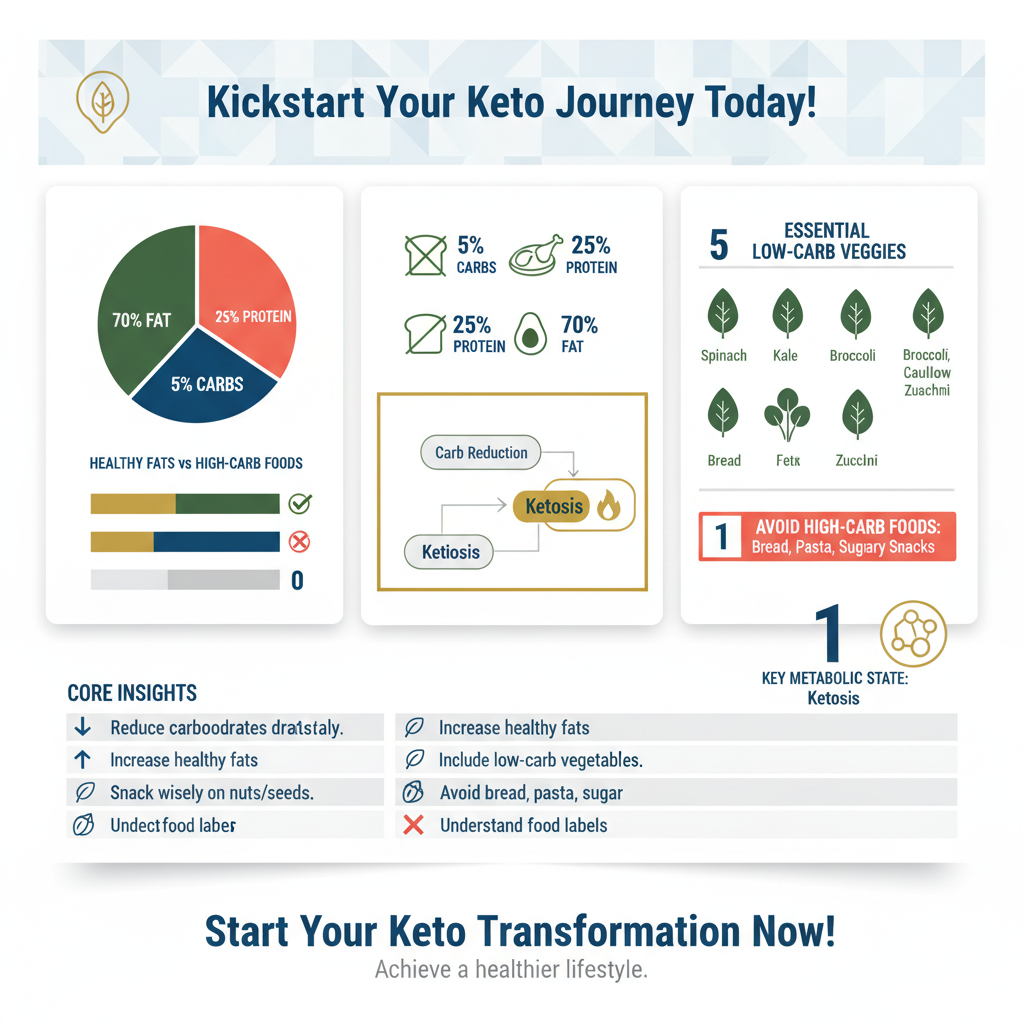

When embarking on a ketogenic diet, it is vital to focus on the right kinds of foods. Healthy fats should form the cornerstone of your meal plans. Avocados, olive oil, coconut oil, butter, and fatty fish like salmon are excellent sources of healthy fats that can help you meet your daily requirements. Additionally, nuts and seeds, such as almonds, walnuts, and chia seeds, provide both healthy fats and protein, making them a great snack option.
Low-carb vegetables are also essential in a ketogenic diet. Green leafy vegetables like spinach, kale, and arugula, as well as cruciferous vegetables such as broccoli, cauliflower, and zucchini, should be included for their nutritional density and low carbohydrate content. These vegetables are rich in vitamins, minerals, and fiber, all of which are beneficial for overall health while on a keto diet.Conversely, it is important to avoid high-carb foods such as bread, pasta, rice, and sugary snacks. Learning to read food labels and understanding carbohydrate content will be crucial as you navigate grocery shopping and meal preparation.
Planning Your Meals
Creating a weekly meal plan is a practical step to stay on track with your ketogenic diet. By organizing meals in advance, you can avoid impulse eating and ensure that you have keto-friendly options readily available. Start by mapping out breakfast, lunch, dinner, and snacks for each day of the week. This will not only help you adhere to your macros but will also simplify grocery shopping.
Utilizing resources like keto cookbooks or meal planning apps can provide you with a wealth of recipes and ideas. Many apps allow you to track your meals and provide nutritional information, making it easier to stick to your daily macro goals. For example, you could prepare a breakfast of scrambled eggs with spinach and avocado, enjoy a salad with grilled chicken and olive oil for lunch, and savor a dinner of baked salmon with asparagus. Incorporating variety will keep your meals enjoyable and prevent boredom.
Monitoring Your Macros
Tracking your macronutrient intake is essential to ensure you are meeting the ketogenic guidelines. There are several apps available, such as MyFitnessPal or Cronometer, that can help you log your food intake and monitor your macronutrient ratios. Aim for a typical ratio of 70% fat, 25% protein, and 5% carbohydrates, adjusting as needed based on your individual needs and goals.
Understanding how different foods affect your macros can help you make informed choices. For instance, while avocados and nuts are great sources of fat, they also contain calories and should be consumed in moderation. On the other hand, non-starchy vegetables are low in calories and can be consumed more liberally. Regularly checking your progress will provide insight into how your body is responding to the diet and whether adjustments are necessary.
Overcoming Common Challenges
Transitioning to a ketogenic diet can come with challenges, particularly in the initial stages. One common issue is the “keto flu,” which can manifest as headaches, fatigue, irritability, and cravings as your body adapts to burning fat for fuel instead of carbohydrates. These symptoms typically occur within the first few days of starting the diet and can last for about a week.
To alleviate the discomfort of keto flu, it is crucial to stay well-hydrated and maintain electrolyte balance. Increasing your intake of sodium, potassium, and magnesium can help reduce symptoms. Foods rich in these electrolytes, such as leafy greens, avocados, and bone broth, can be beneficial. Additionally, consider supplementing with electrolytes if needed, especially during the adjustment phase.
Staying Motivated and Committed
Maintaining motivation on your keto journey is key to long-term success. Setting realistic goals—such as aiming to lose a certain amount of weight or improving your energy levels—can help you stay focused. Celebrate small victories along the way, whether it’s fitting into a favorite pair of jeans or completing a week of meal prep successfully.
Engaging with online keto communities or local support groups can provide encouragement and valuable tips from others who are also on the journey. These communities often share recipes, success stories, and strategies for overcoming obstacles. Sharing your experiences and challenges can foster a sense of accountability, making it easier to stay committed to the lifestyle.
Adjusting Your Keto Approach
As you progress on your ketogenic journey, it is important to remain open to adjusting your diet based on your body’s responses and your personal health goals. Everyone’s body reacts differently to dietary changes, and what works for one person may not be effective for another. If you find that you are not achieving the desired results, consider consulting with a healthcare professional, such as a registered dietitian, who can provide personalized advice tailored to your specific needs.
Don’t hesitate to experiment with different foods and meal strategies to discover what works best for you. Whether it’s trying out intermittent fasting or adjusting your macro ratios, flexibility can lead to better results and a more enjoyable experience on the keto diet.
Embracing the keto lifestyle can be transformative, but it requires planning and commitment. By understanding the diet’s principles, choosing the right foods, and staying engaged with your goals, you’ll set yourself up for success. Start your keto journey today by making small changes and gradually embracing this new way of eating. With dedication and the right resources, you can achieve your health and wellness goals through the ketogenic diet.
Frequently Asked Questions
What is the ketogenic diet and how does it work?
The ketogenic diet, commonly known as keto, is a low-carb, high-fat dietary approach that aims to shift your body into a state of ketosis. In ketosis, your body becomes highly efficient at burning fat for energy instead of carbohydrates. This metabolic change not only aids in weight loss but also helps regulate blood sugar levels and may improve mental clarity.
How do I start a keto diet for beginners?
To start a keto diet, first, familiarize yourself with the macronutrient breakdown: aim for about 70-75% fat, 20-25% protein, and 5-10% carbohydrates. Begin by eliminating high-carb foods such as grains, sugars, and starchy vegetables. Instead, focus on incorporating healthy fats (like avocados and olive oil), proteins (like fish and poultry), and low-carb vegetables (like spinach and broccoli) into your meals. Tracking your food intake can help you stay within your carb limit and ensure you are getting enough nutrients.
Why do I experience the “keto flu” and how can I alleviate symptoms?
The “keto flu” is a collection of symptoms, including fatigue, headaches, and irritability, that some people experience during the initial transition to a ketogenic diet. These symptoms result from your body adjusting to burning fat for fuel instead of carbohydrates. To alleviate these symptoms, ensure you stay hydrated, replenish electrolytes (sodium, potassium, and magnesium), and gradually reduce your carb intake to ease into ketosis rather than making a sudden switch.
What are the best foods to eat on a keto diet?
The best foods to eat on a keto diet include high-quality fats such as avocados, nuts, seeds, and olive oil, along with protein sources like grass-fed meats, fish, and eggs. Low-carb vegetables like leafy greens, cauliflower, and zucchini are also excellent choices. Additionally, dairy products such as cheese and yogurt can fit into your keto meal plan, but it’s important to choose full-fat versions without added sugars.
Which common mistakes should I avoid when starting a keto diet?
When starting a keto diet, common mistakes include not tracking carb intake accurately, consuming too much protein instead of focusing on fats, and neglecting to drink enough water. Additionally, some beginners may not prepare their meals in advance, leading to poor food choices. To succeed on keto, it’s crucial to plan your meals, understand your macronutrient requirements, and stay informed about hidden carbs in processed foods.
References
- Ketogenic diet
- The Ketogenic Diet: A Detailed Beginner’s Guide to Keto
- https://www.ncbi.nlm.nih.gov/pmc/articles/PMC6040355/
- https://www.webmd.com/diet/what-is-the-ketogenic-diet
- https://www.cdc.gov/healthyweight/assessing/bmi/adult_bmi/english_bmi_calculator/bmi_calculator.html
- https://www.mayoclinic.org/healthy-lifestyle/nutrition-and-healthy-eating/expert-answers/ketogenic-diet/faq-20418075
- Diet Review: Ketogenic Diet for Weight Loss • The Nutrition Source
- https://www.nutrition.gov/topics/nutrition-101/dietary-approaches-health/keto-diet