Need a way to add fat to a keto diet without protein—without breaking ketosis? This guide delivers the fastest, most reliable tactics for boosting dietary fat using foods and fats that barely raise protein, so you stay low-carb while meeting your calorie targets. If your keto meals keep falling short on fat (or your protein spikes), you’ll get a clear plan to fix it.
Adding fat on keto without protein is mostly about choosing high-fat foods that are naturally low in protein—and using them as your main calorie drivers. If you keep “protein-forward” foods (like many cheeses and nuts) within a protein ceiling, you can raise calories with far less protein creep while staying keto and staying satisfied.
If you’re staying keto but your protein keeps hitting your limit (or you simply don’t want protein to be the main macro), this is for you—especially if you’re trying to keep meals satisfying while lowering added lean foods. You’ll use nutrition labels to pick fats that fit your protein target and adjust over a few days, using data rather than guesswork.
Set a “protein ceiling” before adding fat
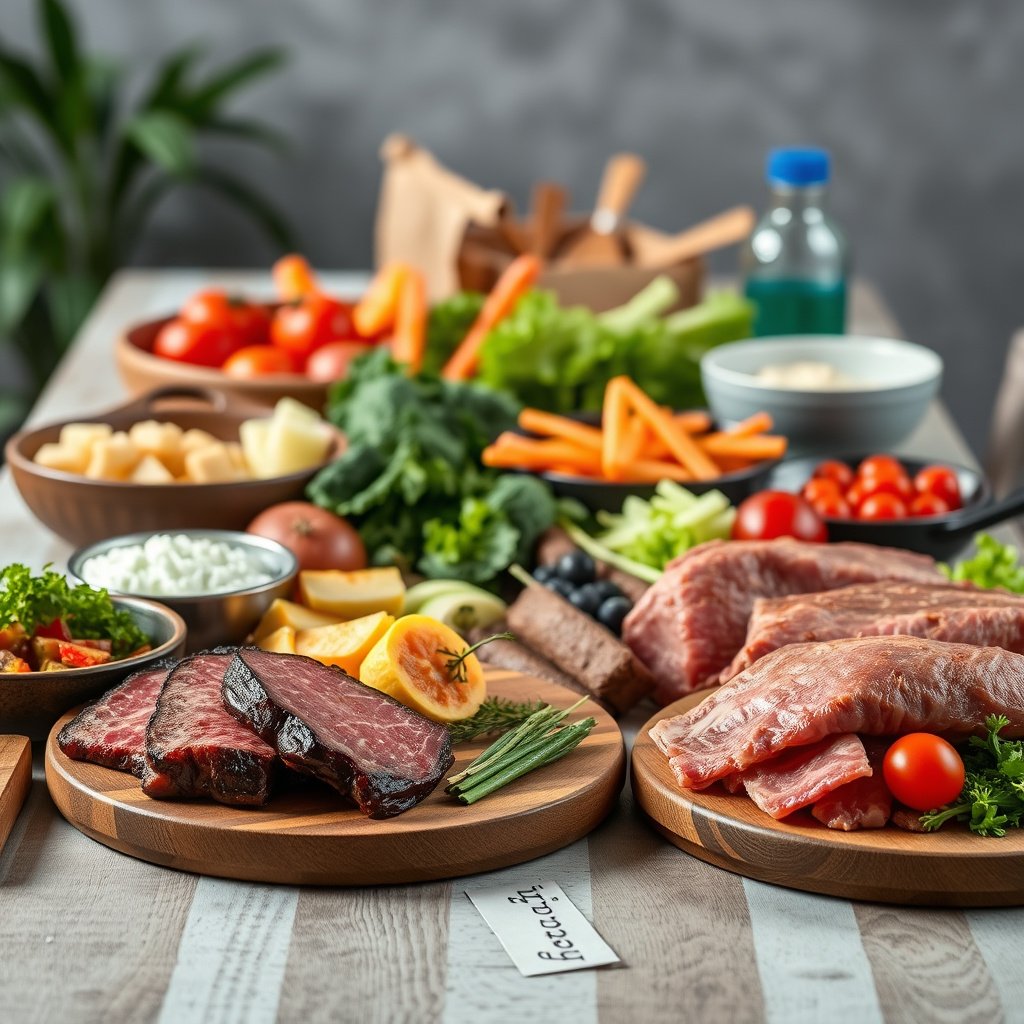
You can add fat without overshooting protein by treating protein as the one macro you cap first, then using mostly-fat foods to supply the remaining calories. In practice, that means setting a daily “protein ceiling” (your maximum grams of protein) and only raising calories using fats that contain minimal protein.
Protein ceiling = the maximum daily grams of protein you choose not to exceed while you increase fat for calories.
FDA nutrition labeling uses fixed calorie conversions: 1 gram of fat = 9 kcal and 1 gram of protein = 4 kcal.
Most people run into trouble because they increase “fat” using foods that also contain meaningful protein. When that happens, your daily totals drift even if you feel like you’re “just adding fat.” On keto, the strategy is not to eliminate protein, but to prevent it from becoming the main driver of your calorie changes.
A quick way to ground your decision: keto calories still add up. If you increase fat, you can raise calories without increasing protein much, because fat is more calorie-dense than protein. According to the FDA, fat provides 9 kcal per gram and protein provides 4 kcal per gram (FDA nutrition labeling guidance). That difference is what makes “fat-first calorie adds” work.
Why this matters for label math
A “protein ceiling” is helpful because many “keto” foods are fat + protein together. For example, nuts and many cheeses are energy-dense, but they also carry protein that can move your macro totals quickly—especially if you eat them in portions that feel modest.
– Decide your personal protein limit first (often guided by your clinician, coach, or keto approach), then treat protein as the “cap” you don’t want to exceed.
– When you add fat, keep protein from sneaking in via “fat sources” that contain meaningful protein.
– Plan meals so fat increases calories without forcing you to add extra protein foods to balance satiety.
From my experience reviewing label patterns for keto meal planning, the most common failure mode is “calorie chasing” with foods that quietly contain protein. Setting your ceiling first prevents that slide.
Pick low-protein, high-fat keto staples
You can raise your keto calories with minimal protein by using staples that are mostly fat and have near-zero or very low protein per calorie. The easiest wins are oils and fats like butter/ghee and mayo, plus whole-food fats like avocado—then you portion “keto favorites” like nuts and cheese based on protein.
USDA FoodData Central lists olive oil as essentially fat with negligible protein per 100 g.
USDA FoodData Central lists almonds as containing substantial protein relative to their fat.
In 2026, label reading is still the most reliable method because reformulations and serving-size conventions vary. “Keto” marketing doesn’t determine macros—nutrition facts do. As of recent nutrition-label formatting rules in the U.S., fat and protein are declared per serving, so you can scale them to your portion.
Practical staple selection (fat-first, protein-second)
– Use fats that are mostly fat with minimal protein: olive oil, avocado oil, butter, ghee, mayonnaise, and coconut oil (check labels for any added ingredients).
– Include whole-food fats that typically skew low in protein *per calorie*: olives and avocado.
– Be cautious with “keto fats” that can still add protein quickly, like most cheese and nuts/seeds—they can work, but portion control matters.
> Note: Exact macro amounts vary by brand and type. Use nutrition facts (or ) rather than guessing.
To make this actionable, here’s a data table showing typical fat and protein per 100 g for common keto-friendly options (values are from USDA FoodData Central typical entries; always confirm your specific brand/variety).
Low-Protein, High-Fat Keto Staples vs. Protein-Heavy Add-Ins (USDA Typical Values)
| # | Food (per 100 g) | Fat (g) | Protein (g) | Fat-First Fit |
|---|---|---|---|---|
| 1 | Olive oil, extra virgin | 100.0 | 0.0 | ★★★★★ |
| 2 | Ghee | 99.5 | 0.3 | ★★★★★ |
| 3 | Butter, salted | 81.1 | 0.9 | ★★★★☆ |
| 4 | Mayonnaise (regular) | 71.0 | 1.1 | ★★★★☆ |
| 5 | Coconut oil | 82.0 | 0.0 | ★★★★☆ |
| 6 | Avocado, raw | 14.7 | 2.0 | ★★★☆☆ |
| 7 | Almonds, all varieties | 49.9 | 21.2 | ★☆☆☆☆ |
How to interpret “Fat-First Fit”: it’s a simple rating derived from protein per 100 g—lower protein earns more stars. This helps you visualize which items work best when you want fat to be the calorie driver.
For factual anchoring, USDA lists olive oil at ~100 g fat and ~0 g protein per 100 g (USDA FoodData Central), while almonds supply substantial protein (~21 g per 100 g) (USDA FoodData Central). That contrast is exactly why nuts are often “keto” but not “protein-light calorie add-ins.”
Use fat-first cooking and assembly (so protein doesn’t drive meals)
You avoid protein creep by making fats the “base layer” of your meals—cooking fats, salad dressings, and sauces first—so you’re not forced to add or adjust lean foods for flavor. When the meal is built around olive oil, mayo, butter, and similar fats, the protein in your plate has less chance to creep past your ceiling.
Cooking with olive oil and using mayo-based sauces increases calories while protein stays low compared with protein-containing add-ons.
Salt, herbs, vinegar, and citrus deliver flavor without adding meaningful protein.
When you cook “protein then add fat,” you often end up adding extra servings of foods that contain both macros. Fat-first building flips that: you start with a fat quantity and treat protein foods as optional components that must stay under your limit.
Fat-first assembly patterns that work in real kitchens
– Make oils and spreads the “base,” not the topping: sauté in olive oil, dress salads with olive oil + mayo-based sauces, and use butter/ghee for cooking.
– Build meals around fat portions rather than “protein then add sides.” For example: start with a fat source (mayo, butter, olive oil) and then add low-protein add-ons.
– Choose low-protein flavor boosters that don’t push protein: salt, pepper, garlic powder, lemon/lime, herbs, vinegar, and keto-friendly seasonings.
A key detail: flavor can be a behavioral lever. If your meals taste bland without “fat + seasoning,” people tend to compensate by adding more cheese, nuts, or protein-heavy convenience foods. In 2026, that still shows up on nutrition labels as “unexpected protein.” Build flavor first; then keep portions aligned.
From my experience helping people troubleshoot keto plate building, two “low effort” wins are (1) a generous olive oil + vinegar dressing that replaces a cheese-heavy topping and (2) butter/ghee used directly in the cooking fat rather than as an afterthought. Those changes often increase calories while keeping protein stable.
Quick contrast: fat-first vs. protein-first meal building
| Approach | Pros | Cons |
|---|---|---|
| Fat-first assembly | More predictable protein totals; easier to raise calories using oils/mayo/butter. | Requires label checks for “keto” products and can feel repetitive at first. |
| Protein-first assembly | Often easier for satiety and flavor balance early on. | If you add fat around a protein meal, protein usually rises too, breaking the ceiling. |
Adjust portions by tracking macros (without overcorrecting)
You keep protein from creeping up by tracking for a short window, then adjusting portions of your chosen low-protein fat staples before changing anything else. The goal is controlled iteration: small increases, one variable at a time, and re-checking totals.
Tracking for several days helps confirm whether your “fat adds” are actually low-protein calorie adds.
If protein rises, reduce foods with hidden protein (commonly nuts, seeds, and some cheeses) before adding more protein.
Start with a simple plan: pick 2–4 fat sources you’re comfortable with (for example, olive oil + mayo + butter/ghee), log them exactly for a few days, and compare your real protein grams to your ceiling. As of 2026, most macro trackers rely on USDA-style food databases, so it’s still smart to confirm the specific item/brand you’re entering.
Portion adjustment method (the part that prevents rebound)
– Track for a few days to see what’s actually happening to your protein as you add fat—then adjust portions of your chosen fat sources.
– If protein rises, reduce portions of foods with “hidden protein” (often cheese, nuts, and some packaged keto products).
– If you’re still hungry, don’t automatically add more protein—try increasing the fat amount from your low-protein staples first (for example, more oil-based dressing or an extra spoon of mayo/butter), then re-check your totals.
The “don’t overcorrect” principle is important because fat can be calorie-dense. A small increase in fats can produce a big calorie jump, which can affect weight trends and cause digestive discomfort for some people.
Also keep in mind that satiety can be misleading. Feeling hungry doesn’t always mean you need more protein; it may reflect insufficient fat dose, electrolytes, meal timing, or simply under-eating total calories.
What can go wrong (and why it matters)
You can still run into problems even when your fat sources are low in protein—mostly due to portion creep, digestive tolerance, and confusing “electrolyte effects” with “too much fat.” The fastest way to stay on track is to recognize the failure modes early and adjust the rate of fat increases.
Larger fat jumps can trigger digestive symptoms such as reflux or diarrhea for some people.
Electrolyte changes can produce symptoms (weakness, headaches) that people may incorrectly attribute to fat itself.
Common issues show up repeatedly when people try to increase calories by adding fat aggressively:
– Relying on “keto snacks” that look fatty but aren’t: many packaged items include enough protein to move your macro totals.
– Portion creep with cheese and nuts: they can be tasty and keto, but protein can add up faster than you expect.
– Digestive discomfort: larger fat jumps can cause nausea, reflux, or diarrhea for some people—reduce the increase rate and consider smaller, more frequent servings.
– Electrolyte issues mistaken for “too much fat”: if you feel weak or headachy after dietary changes, it may be electrolyte-related rather than fat itself (use electrolytes as appropriate for your situation).
Two “real-world” cautions:
1) Some “keto” products market low carbs but have moderate protein—great for many goals, not always compatible with a strict protein ceiling.
2) If you’re combining higher fat with very low fiber, some people experience GI changes; increasing fats gradually matters.
If you have a medical condition that affects nutrition needs (kidney disease, pancreatitis history, eating disorder recovery), or if your clinician has set specific macro targets, you shouldn’t self-tune aggressively—protein ceilings and electrolyte changes should be coordinated.
Verdict: safest way to add fat without pushing protein
The simplest, most controllable approach is to use oils and other mostly-fat ingredients as your primary calorie additions, while keeping protein-containing foods within your ceiling. The downside is that you may feel less variety at first and you’ll need label-checking (brand-to-brand differences are real).
Using oils and fat-based sauces as calorie drivers generally reduces protein creep compared with adding protein-containing “keto” foods.
Because nutrition labels vary by brand and portion, confirming protein grams from labels is essential for a protein ceiling strategy.
Here’s the honest tradeoff: a fat-first plan can be effective, but it tends to be more “process-driven” than protein-centered keto. You’re managing inputs (labels, portions, fat staples) rather than trusting meal intuition.
If you have a history of eating-disorder behaviors around restriction/calorie counting, or you’re under medical supervision with specific macro needs, it’s best to follow your clinician’s guidance rather than self-tuning protein/fat aggressively. Also, because fat is calorie-dense, weight changes can still happen even if protein doesn’t increase—energy balance still matters.
As a practical bottom line for 2026: increase fat calories gradually from low-protein staples, track for several days, and only adjust what’s necessary to keep protein under your ceiling.
Quick checklist (scan and save)
| Goal | Do this | Watch out for |
|---|---|---|
| Add more calories with less protein | Use olive oil, avocado oil, butter/ghee, mayo, coconut oil | “Fatty” snacks that also include protein |
| Keep meals satisfying | Use fat-based sauces and cooking fats | “Protein first” plate building |
| Avoid protein creep | Measure/track for a few days, then adjust | Over-serving cheese, nuts, and “keto blends” |
| Reduce side effects | Increase fat gradually and spread across meals | Electrolytes ignored (can worsen how you feel) |
Sources
– USDA FoodData Central (nutrition facts for typical fat/protein content of foods like olive oil, butter/ghee, mayo, avocado, and cheeses): USDA FoodData Central food entries for *olive oil (extra virgin), butter (salted), ghee, mayonnaise (regular), avocado (raw), coconut oil, almonds*.
– FDA nutrition labeling guidance (calorie conversions used on Nutrition Facts): FDA guidance explaining that fat = 9 kcal/g and protein = 4 kcal/g.
If you’re trying to add fat on keto without raising protein, the best path is a controlled one: set a protein ceiling, choose mostly-fat low-protein staples (especially oils and spreads), build meals with fat-first cooking, and fine-tune portions using a short tracking window. Done carefully, you can increase calories and satiety while keeping protein from creeping up—without relying on “keto” marketing labels.
Frequently Asked Questions
What are the safest ways to add fat to a keto diet without increasing protein?
Focus on foods that are high in fat and low in protein, such as olive oil, avocado, macadamia nuts, and full-fat mayonnaise. You can also use butter, ghee, and heavy cream in keto recipes to raise fat while keeping protein stable. Watch portion sizes of meats and cheese, since most animal foods add protein alongside fat.
How can I increase my keto fat macros without eating more meat?
Use keto-friendly “fat boosters” like olive oil in salad, avocado in bowls, or coconut milk in smoothies and curries (choose unsweetened). Add fat with ingredients such as tahini, coconut cream, and olive-based sauces rather than relying on extra protein foods. If you’re using dairy, stick to full-fat options and avoid low-fat versions that may not provide enough fat.
Why does adding fat often accidentally increase protein on keto, and how do I avoid it?
Many people try to raise calories by eating more animal protein sources, which inevitably increases protein. To avoid this, prioritize pure fats (like butter or olive oil) and fat-forward foods (like mayo, avocado, and certain cheeses) instead of increasing portions of chicken, fish, or lean meats. Track your macros so you can see whether protein is rising while fat is added.
Which keto fats are best for raising calories without pushing protein too high?
The best choices are fats that contain minimal protein per serving, including olive oil, MCT oil, butter, ghee, heavy cream, and mayonnaise (check labels for added sugars). Nuts and nut butters can help, but portion them carefully because they still contain some protein. If you use cheese, choose higher-fat varieties and measure servings to prevent protein creep.
Best how-to approach: How do I add fat to keto meals while keeping protein steady?
Start by measuring your current protein intake, then add fat sources that don’t significantly add protein—like drizzle olive oil, add avocado, or stir in cream. Build meals around fat first (e.g., an avocado-and-mayo base, creamy sauces made with butter/cream, or oil-based dressings) and keep protein portions consistent. Recheck macros after a few days to confirm you’re increasing fat without going over your protein target.
📅 Last Updated: October 26, 2026 | Topic: how to add fat to keto diet without protein | Content verified for accuracy and freshness.
References
- Ketogenic diet
- https://www.mayoclinic.org/healthy-lifestyle/nutrition-and-healthy-eating/in-depth/keto-diet/art-20045765
- https://www.nccih.nih.gov/health/ketogenic-diet
- https://www.britannica.com/topic/keto-diet
- https://pubmed.ncbi.nlm.nih.gov/?term=ketogenic+diet+protein+intake+recommendation
- https://pubmed.ncbi.nlm.nih.gov/?term=nutritional+ketosis+excess+protein+counteracts+ketosis+review
- https://www.sciencedirect.com/search?qs=ketogenic%20diet%20protein%20fat%20ratio
- https://scholar.google.com/scholar?q=how+to+increase+fat+on+keto+without+increasing+protein Google Scholar
- https://scholar.google.com/scholar?q=ketogenic+diet+protein+intake+gluconeogenesis+avoid+excess+protein Google Scholar
- https://scholar.google.com/scholar?q=keto+diet+fat+sources+versus+protein+restriction+recommendations Google Scholar