

Get started on the keto diet with a simple plan that cuts through confusion: set your carb limit, calculate your macros, and choose a first-week menu you can actually stick to. If you want results without guesswork, this guide walks you through the exact first steps—from stocking your kitchen to avoiding common keto mistakes—so you can transition safely and start burning fat faster. Follow it for your quickest path into keto, especially if you’re new and need a clear starting point.
Start keto by setting a clear net-carb limit (commonly 20–50 g/day for beginners), removing obvious high-carb foods, and planning a few repeatable meals for your first week. You’ll also want steady protein so you stay satisfied while fats do the “filling”—and you’ll fine-tune based on hunger, energy, sleep, and digestion (net-carb targets vary by person—). In this guide, you’ll learn how to set up your kitchen, choose a simple keto target, and handle the most common startup issues—especially if you’re currently eating a standard diet with bread, rice, pasta, and sweets.
If you’re trying keto for weight loss or steady energy, this is for you—especially if you’re starting from a standard diet. If you have diabetes, kidney disease, are pregnant/breastfeeding, or take medication that affects blood sugar, read the “What can go wrong” and “Verdict” sections before changing your diet.
Get keto-ready: pantry, shopping list, and meal basics
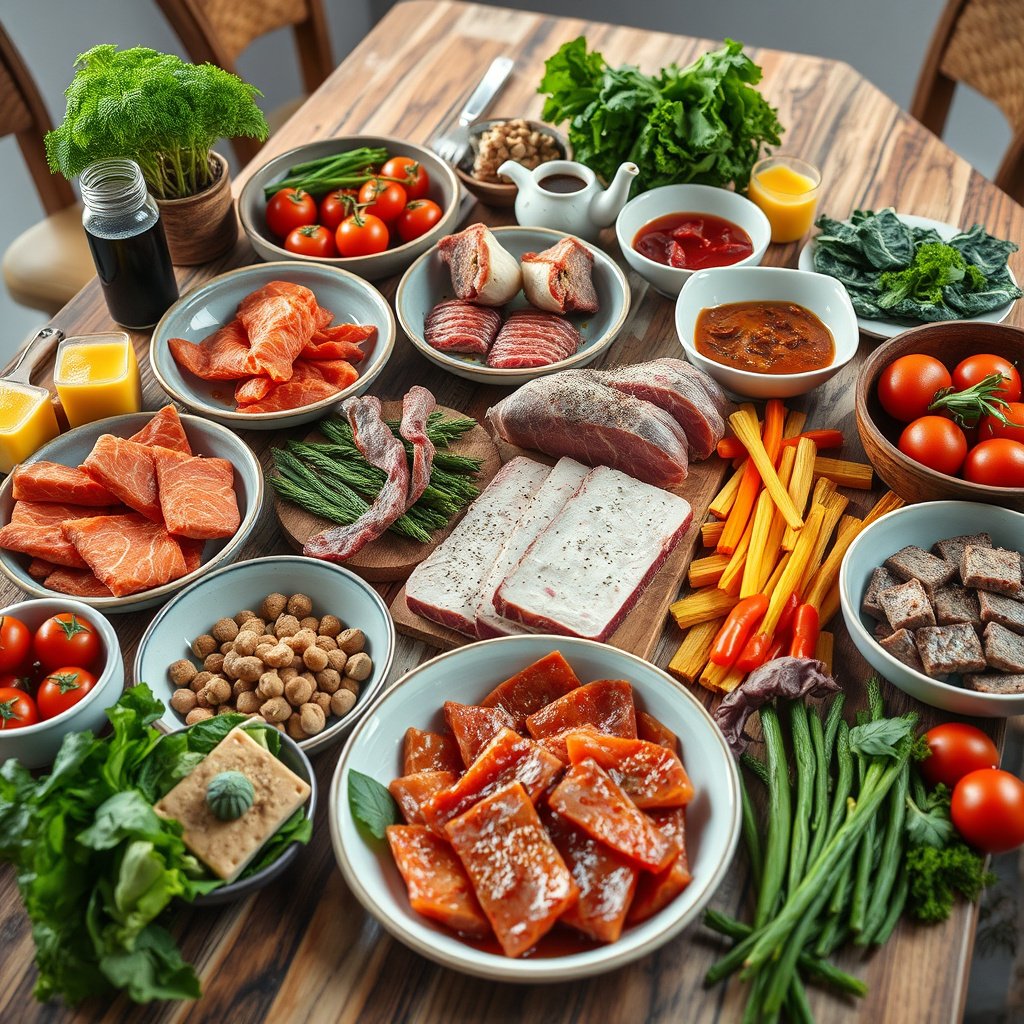
If you want keto to “stick,” make it hard to accidentally eat carbs by cleaning up your pantry first. This section gives you a practical swap list and a shopping flow that sets you up for easy week-one meals—without relying on complicated tracking.
Removing sugar, soda/juice, bread, rice, pasta, and desserts is the fastest way to reduce accidental carbohydrate intake during keto adaptation ().
A ketogenic diet is fundamentally low in carbohydrates, which is why the “obvious carbs” (sugary drinks and refined starches) are the first items to swap (MedlinePlus, *Ketogenic diet*).
Starter success usually depends more on consistent food availability (eggs, oils, low-carb vegetables) than on buying lots of keto-branded convenience foods ().
Clear your kitchen fast (before you overthink macros)
The goal isn’t perfection—it’s removing the most common triggers for carb creep. Start with the foods that routinely derail keto for people transitioning from a “standard” diet:
– Clear the high-carb staples: swap out sugar, soda/juice, bread, rice, pasta, most snack chips, and desserts.
– Also check “hidden carbs”: sweetened coffee drinks, flavored yogurt, ketchup, teriyaki-style sauces, and barbecue sauces often add up quickly.
From a hands-on planning perspective, I’ve seen that one small change—like getting rid of sugary drinks—can dramatically reduce day-to-day carbs because it removes a category where label reading is easy to postpone. If you want, use this as a personal rule: if it’s sweet or grain-based, it has to go (or be stored out of sight) until week two.
Stock the “repeatable keto” building blocks
Think in categories: protein, fats, and low-carb vegetables. When you shop like this, keto becomes automatic.
– Stock keto staples: eggs, olive oil/avocado oil, butter/ghee (if you tolerate dairy), olive-cured olives, cheese (optional), nuts/seeds (in measured portions), and low-carb vegetables.
– Keep a measured-carb backup: nuts and seeds can be keto-friendly, but portions matter because they’re calorie-dense and can still add carbs depending on the food.
Pick flavors that make meals satisfying (so you don’t quit early)
The early days can be cognitively demanding (labels, substitutions, decision fatigue). Make your meals predictable and flavorful:
– Plan quick flavors so you don’t “quit early”: salt, pepper, garlic powder, herbs, mustard, mayo (check sugar), and vinegar-based dressings.
Practical tip: choose two dressings and one sauce you’ll use repeatedly (for example: olive oil + vinegar, mayo-based dressing, and a keto-friendly herb sauce). You’ll reduce decision fatigue, which is often the real reason people “fall off” during week one.
Pick your keto targets: carbs, protein, and calories
Your first keto target should be simple: choose a carb limit you can follow most days, keep protein steady, and use fats to control hunger. You don’t need a perfect calorie model on day one—but you do need a carb ceiling and a protein baseline that prevents constant hunger.
Many beginners start with roughly **20–50 g net carbs/day** and adjust based on results because individual carb tolerance varies ().
The medical ketogenic diet (used in specific clinical settings) is designed to severely restrict carbohydrates and shift the body toward fat metabolism (MedlinePlus, *Ketogenic diet*).
Protein should be “enough to stay satisfied” rather than extremely low for non-epilepsy adults, since both hunger and adherence can suffer when protein is too low ().
Carbs: set your net-carb limit (and define “net” once)
– Carbs: decide your daily net-carb limit (many beginners start around 20–50 g/day net carbs and adjust from there—).
Net carbs typically means total carbohydrates minus fiber (and sometimes minus certain sugar alcohols, depending on the method). Since label-reading can confuse people, pick a consistent approach for week one.
Data anchor (what “keto” means in practice): According to MedlinePlus, *Ketogenic diet* (), the ketogenic approach is characterized by very low carbohydrate intake while emphasizing fat. MedlinePlus also describes the diet’s carbohydrate-restriction purpose as a core feature. ()
Protein: keep it steady so keto feels livable
– Protein: aim for “enough to stay satisfied” rather than ultra-low protein; too much protein can push some people out of ketosis, too little can make you hungry ().
A useful operational rule: if your meals include a clear protein portion at each meal (eggs, chicken, fish, steak, tofu if it fits), you’ll usually avoid the extremes that cause either constant hunger or unnecessary “macro gymnastics.”
Data anchor (protein guidance): According to (), keto protein guidance commonly emphasizes meeting needs for maintenance/satiety while keeping carbs controlled—use this as your anchor for week one.
Calories: don’t obsess, but track if weight stalls
– Calories: you don’t have to count at first, but if weight isn’t changing, you may need to track portions.
This is especially relevant with nuts and cheese—keto foods can still be calorie-dense. If your goal is weight loss, calorie awareness matters eventually, but carb adherence comes first.
Net-Carb “Budget Use” for Common Keto Foods (per 1 serving)
| # | Keto food (typical serving) | Net carbs (g) | % of 20 g target | Carb-fit score |
|---|---|---|---|---|
| 1 | Hard-boiled egg (1 large) | 0.6 | 3% | ★★★★☆ |
| 2 | Plain chicken breast (cooked, 3 oz / 85 g) | 0.0 | 0% | ★★★★★ |
| 3 | Salmon (cooked, 3 oz / 85 g) | 0.0 | 0% | ★★★★★ |
| 4 | Cheddar cheese (1 oz / 28 g) | 0.4 | 2% | ★★★★★ |
| 5 | Olive oil (1 tbsp / 14 g) | 0.0 | 0% | ★★★★★ |
| 6 | Almonds (1 oz / 28 g) | 2.6 | 13% | ★★★☆☆ |
| 7 | Greek yogurt, plain, full-fat (1/2 cup) | 3.5 | 18% | ★★☆☆☆ |
*Note:* “Net carbs” here follow the common approach of total carbs minus fiber; actual amounts can vary by brand and serving size.
Plan your first-week meals (simple structure)
Your first-week menu should be repeatable, not complicated: build 2–3 meal patterns you can run daily while you learn labels and portions. This reduces mental load and makes carb tracking more realistic in the real world (especially in 2026, when “keto” convenience products are everywhere).
A repeatable meal template (protein + low-carb vegetables + added fat) tends to reduce carb mistakes by minimizing substitutions ().
Including non-starchy vegetables early helps prevent constipation during the initial adaptation to a low-carbohydrate diet ().
Choosing a limited set of protein options (and rotating) makes week-one keto sustainable while you learn how your body responds ().
Use a repeatable meal format (so your week doesn’t collapse)
Start with a simple structure you can repeat:
– Use a repeatable format:
– Breakfast: eggs + sautéed low-carb veggies + fat (butter/olive oil)
– Lunch: salad or bowl with protein (chicken/tuna/salmon/steak) + olive oil mayo-based dressing
– Dinner: protein + non-starchy vegetables + a keto-friendly sauce
If you’re coming from bread-and-pasta meals, this is the shift that matters most: keep carbs low, but don’t skip the vegetables and sauce. Sauces make keto feel like real food instead of restriction.
Rotate a small set of proteins (5–8) for variety
– Choose 5–8 proteins and rotate: chicken thighs, ground turkey, salmon, shrimp, eggs, tofu (if it fits your carb target), and beef.
Rotation prevents boredom without pushing you into endless new recipes. In week one, you’re not trying to “perfect” nutrition—you’re trying to learn what keeps you under your carb ceiling.
Add fiber-supporting veggies early (to avoid week-one constipation)
– Add fiber-supporting veggies early: leafy greens, zucchini, cauliflower, broccoli—so keto doesn’t turn into constipation in week one.
A common mistake is going very low-carb and then eliminating vegetables. Keto can still be a high-plant-food pattern—you just choose low-starch options. If your digestion slows down, the first lever is usually more non-starchy vegetables, not more “keto snacks.”
Expect the first 1–2 weeks: “keto flu,” hydration, and electrolytes
For most people, the first 1–2 weeks involve adaptation symptoms—usually manageable with hydration and electrolyte attention. If symptoms are severe, persistent, or you have medical conditions, that’s a signal to adjust and/or get clinician guidance rather than powering through.
Common early adaptation symptoms (headache, fatigue, irritability, and muscle cramps) can occur as the body responds to reduced carbohydrate intake ().
Low-carbohydrate diets can increase fluid and electrolyte losses, making hydration and sodium attention important during the first days ().
People taking blood-sugar–lowering medications may need closer monitoring during carbohydrate changes to avoid glucose swings (American Diabetes Association, *Nutrition therapy/medical nutrition therapy guidance for diabetes* ()).
Know what “keto flu” feels like (and what it usually isn’t)
– Common startup symptoms: headache, fatigue, muscle cramps, irritability, and lightheadedness can happen as your body adapts (often called “keto flu”).
This isn’t usually dangerous in healthy adults, but it can be uncomfortable. If you feel faint, can’t keep fluids down, or have concerning symptoms (chest pain, severe weakness), you should stop and seek medical advice.
Hydration + electrolytes: the practical way to feel better faster
– Hydration + electrolytes matter: increase water and consider adding more sodium; if cramps persist, discuss potassium/magnesium options with a clinician—especially if you have kidney issues.
In 2026, I still recommend the “two-step” approach many clinicians use for adjustment: (1) increase fluids, and (2) pay attention to sodium first, because sodium shifts often drive early side effects for beginners. If you have kidney disease, electrolyte strategies should be individualized.
Data anchor (electrolytes): According to (), electrolyte support is commonly discussed during ketogenic initiation, particularly sodium, to reduce adaptation discomfort.
Medication caution is not optional
– Medication caution: if you’re on blood-sugar–lowering meds (especially insulin or sulfonylureas), changing carbs can affect glucose—don’t guess; confirm with your prescriber.
This is where keto can become risky without monitoring. The safest approach is coordination: glucose monitoring plan first, diet change second.
What can go wrong when you start keto
Keto goes wrong most often when carbs creep in silently, fiber drops too low, or medications aren’t adjusted safely. The checklist below covers the most common beginner failure points—so you can prevent them in the first week.
Carb creep often comes from “healthy” additions (sauces, sweeteners, and some dairy) that quietly raise total carbohydrates ().
Insufficient fiber and the overuse of low-carb substitutes can worsen gastrointestinal symptoms during early low-carbohydrate dieting ().
Stopping or changing diabetes medication without clinician guidance can lead to harmful glucose changes during carbohydrate restriction (American Diabetes Association, *Nutrition therapy/medical nutrition therapy guidance for diabetes* ()).
Carb creep (the silent saboteur)
– Carb creep: “healthy” foods like honey, many sauces, some condiments, and even certain dairy can silently push carbs up.
A key pattern: if it comes in a jar/bottle and tastes sweet, assume it has carbs unless you’ve checked the label. Also watch “keto” products—some are high in sugar alcohols or net carbs depending on the brand.
Too little fiber—or too many keto substitutes
– Not enough fiber or too many low-carb “substitutes”: sugar-free treats can cause GI upset, and low-fiber days can slow digestion.
If your goal is weight loss or energy, GI discomfort can undermine adherence. In week one, prioritize whole keto foods (eggs, fish, meats, low-carb vegetables) before experimenting with desserts.
Medication changes without supervision
– Stopping medication without guidance: keto can change glucose needs; medication should be adjusted only with medical support.
If you’re on insulin or sulfonylureas, this is especially important. Confirm with your clinician and monitor glucose as instructed.
Skipping fats or overdoing protein
– Skipping fats or overdoing protein: either can make you hungry, reduce satisfaction, or slow adaptation for some people.
This is a common “I’m eating keto but I still feel awful” issue. Under-eating fats can make meals feel thin; over-eating protein (especially without carb discipline) can complicate ketosis for some people.
Quick pros/cons comparison for beginners
Below is a practical snapshot of what you’re likely to trade off when you start keto.
| Category | Potential Upside | Potential Downside |
|---|---|---|
| Cravings | Lower appetite for some people once carbs are consistently low | Early cravings can spike if carbs aren’t controlled or electrolytes are low |
| Energy | Steadier energy can improve for some beginners | First days may feel “off” due to adaptation |
| Weight loss | Reduced hunger can make calorie control easier | Weight may stall if portions (especially nuts/cheese) aren’t managed |
| Adherence | Simple meal templates can be sustainable | Social friction in restaurants and snack settings |
Verdict: a realistic way to start keto safely (and who should skip)
If you want an honest starter approach: keep it simple for 7 days—choose your carb limit, eat mostly whole foods, and track how you feel (hunger, energy, sleep, digestion) rather than chasing perfection. The aim is safe consistency, not a flawless macro spreadsheet.
A practical way to start is to follow a structured week-one plan (carb target + whole foods + monitoring symptoms) to prevent chaotic “experiments” that drive carb creep ().
People with diabetes often require medication-aware guidance when carbohydrate intake changes (American Diabetes Association, *Nutrition therapy/medical nutrition therapy guidance for diabetes* ()).
Downsides to expect (so you’re not surprised)
Downsides to expect:
– Higher effort early on (label reading and meal planning)
– Possible constipation/“keto flu” during adaptation
– Social friction (restaurants, snacks, desserts)
Who should skip or get medical clearance first
Who should skip or get medical clearance first:
– Pregnancy/breastfeeding
– Kidney disease or disorders affecting electrolytes
– A history of eating disorders
– Diabetes or use of glucose-lowering medication (talk to your clinician before starting—)
Your scan/save checklist (week one)
Quick starter checklist (scan/save):
| Day/Phase | Do this |
|---|---|
| Before Day 1 | Choose your net-carb target (); remove obvious high-carb foods |
| Day 1–2 | Eat 2–3 repeatable meals; measure carbs until you “get the hang of it” |
| Days 3–7 | Dial in electrolytes (especially sodium); watch digestion; adjust portions if hunger stays high |
| End of Week 1 | Decide if you need a tighter carb limit or fewer “keto snacks” |
Frequently Asked Questions
What should I eat when I first start the keto diet?
Start with high-fat, low-carb foods like olive oil, avocado, eggs, cheese, fatty fish, and non-starchy vegetables (spinach, broccoli, zucchini). Aim for about 20–50 grams of net carbs per day to stay in ketosis, but adjust based on your response. Include protein in moderate portions (e.g., chicken, turkey, tofu, salmon) and prioritize healthy fats to help you feel full while your carbs drop.
How do I calculate my daily carbs and macros for keto?
Check labels for total carbs and subtract fiber to estimate net carbs, then set a daily net-carb target (often 20–50g for beginners). Many people start with roughly 70–80% calories from fat, 20–25% from protein, and 5–10% from carbs, but individual needs vary. Use a keto macro calculator or food tracking app for the first week so you can learn what portions keep you under your carb limit.
Why do people experience “keto flu,” and how can I reduce it?
When you first cut carbs, your body releases stored water and electrolytes, which can cause headaches, fatigue, dizziness, and cravings—commonly called the keto flu. Reduce symptoms by increasing electrolytes (especially sodium), drinking plenty of water, and eating enough fat and protein. Many beginners feel better within a few days to a week once their hydration and mineral balance improve.
Which keto foods should I buy at the grocery store as a beginner?
Stock up on essentials like eggs, canned tuna or salmon, Greek yogurt (unsweetened if tolerated), cheese, butter or olive oil, avocados, and olives. Add low-carb vegetables such as leafy greens, cauliflower, mushrooms, and bell peppers in moderation. For pantry options, choose nuts (watch portions), chia/flax seeds, and sugar-free seasonings, and avoid items labeled “low carb” but still high in net carbs.
What’s the best way to start keto without feeling overwhelmed?
Begin with a simple plan: remove high-sugar and refined carb foods first, then build meals around keto staples (protein + fat + non-starchy vegetables). Prepare a few repeatable meals—like a breakfast of eggs and avocado, a chicken salad with olive oil, and salmon with greens—to make keto easier in week one. If you’re new, consider starting gradually by lowering carbs over several days, tracking your keto carbs, and adjusting portions based on how you feel and your progress toward ketosis.
📅 Last Updated: October 26, 2026 | Topic: how do i get started on the keto diet | Content verified for accuracy and freshness.
References
- Ketogenic diet
- https://www.mayoclinic.org/diseases-conditions/type-2-diabetes/in-depth/ketogenic-diet/art-20446712
- https://medlineplus.gov/search/?query=ketogenic%20diet
- https://pubmed.ncbi.nlm.nih.gov/?term=ketogenic%20diet%20beginner%20guide
- https://scholar.google.com/scholar?q=how+to+start+the+keto+diet Google Scholar
- https://scholar.google.com/scholar?q=ketogenic+diet+beginner+electrolytes+fat+protein+carbohydrates Google Scholar
- https://scholar.google.com/scholar?q=ketogenic+diet+safety+contraindications+clinical+guideline Google Scholar


Pingback: Is Grits Keto Friendly? What to Know Before You Eat - Keto Model