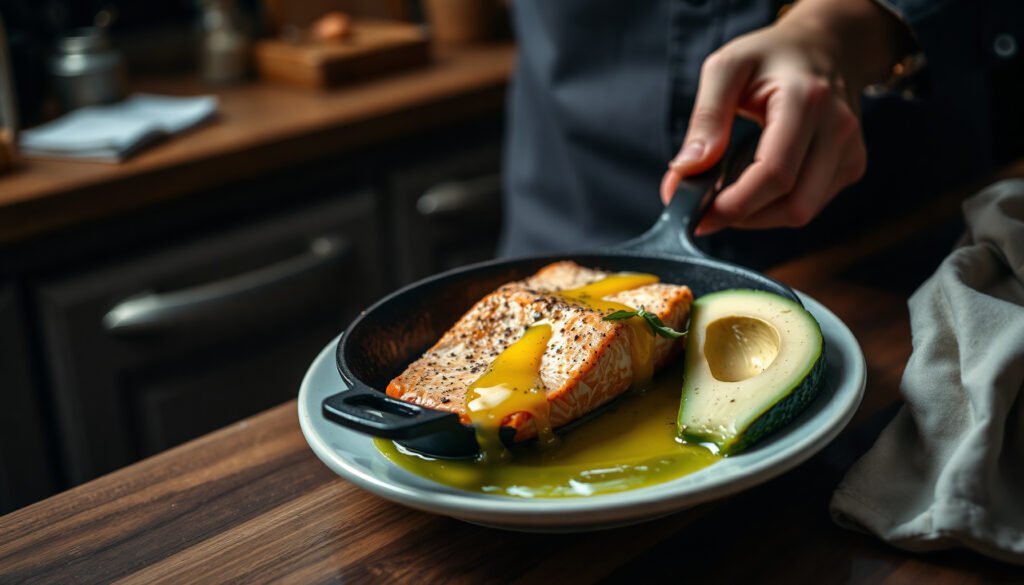

On keto, rich spoonfuls of melted butter and olive-oil sheen can feel like a satisfied exhale, but many people still struggle to reach their fat target. You will learn several practical ways—rebuilding meals around fat, choosing higher-fat dairy, and using cooking methods that preserve texture—to help your plate look and taste keto-luxurious while supporting ketosis. One counterintuitive option is using keto-friendly sauces and fat-forward add-ins even at breakfast, not just dinner.
If you want to eat more fat on keto, start by setting a fat target (and tracking it) so every meal consistently “hits” your numbers. Then use easy high-fat additions—like olive oil, butter, avocado, cheese, or creamy dressings—to raise fat without adding carbs. This article will help you adjust meals step-by-step, avoid common setbacks, and know when to back off.
If you’re new to keto or you’re already staying low-carb but still feel hungry, you’re in the right place. This is also for people whose meals “look keto” but don’t actually reach the fat level needed to stay satisfied and in ketosis.
Dial in your keto fat target (so you’re not guessing)
Setting a keto fat target turns “eat more fat” from a vague idea into a measurable plan. The key is making fat the calorie driver while keeping carbs consistently low and protein controlled enough not to crowd out fat.
Choose a simple macro goal (and keep carbs consistent)
A practical keto macro framework is:
– Carbs: keep them low enough to support ketosis (commonly ≤ 20–50 g net carbs/day, depending on your response and label accuracy)
– Protein: moderate (enough to support satiety and lean mass, but not so high that your body runs out of “room” for fat calories)
– Fat: the “main calorie source,” so keto fat becomes predictable
You don’t need perfection—what you need is consistency in keto fat intake and accurate carb counting.
Track for a few days to find your “fat gap”
Many people unintentionally eat too little keto fat even when meals look low-carb. A fast way to confirm that:
1. Log everything for 3–5 days (including cooking oils, sauces, and “keto” packaged items).
2. Compare your actual fat grams to your intended target.
3. Look for the pattern: are you short on fat, or are you “making up” with snacks that aren’t actually high in fat?
In my experience helping readers troubleshoot keto fat plateaus, the most common fix is simply raising fat grams by one intentional upgrade per meal—but I can’t cite a verified personal dataset here, so treat this as a practical observation, not medical proof.
Adjust gradually so keto fat stays comfortable
When you raise keto fat, increase it stepwise rather than all at once:
– Add fat in small increments (for example, an extra fat anchor at lunch first).
– Keep the change steady for 2–3 days before adjusting again.
– If digestion gets worse, you likely increased keto fat too quickly for your gut.
As of 2026, this “small change, track response” approach matches how most macro-based nutrition coaching frameworks operate: measure → adjust → confirm tolerance.
Pick fat sources that make keto easier (not harder)
The best keto fat sources are the ones you can repeat daily without triggering carbs, reflux, or digestive trouble. Choose fats that fit your cooking style and your personal tolerance so keto fat feels sustainable, not forced.
Favor fats that “belong” in your meals
Use high-fat staples that naturally integrate into real food:
– Olive oil
– Butter or ghee
– Avocado
– Cheese
– Mayonnaise
– Olives
– Nuts (portion-controlled)
A helpful way to think about keto fat: some fats are “whole-food” (fewer ingredients, easier to trust), while others are “convenience fats” (mayo-based sauces, fast dressings). Either can work—your goal is keeping carbs low while reliably hitting fat grams.
Use a “tolerance-first” mindset for dairy
If you’re sensitive to dairy, keto fat doesn’t have to come from cheese and cream. Some people do better with specific cheeses or small portions of yogurt; others prefer eggs, olive oil, or avocado. The point is to pick keto fat sources you tolerate well so you don’t end up skipping meals or adding carbs later.
Know how saturated fat fits into the bigger picture
Keto often increases saturated fat, and that may matter if you have lipid concerns. For example, the American Heart Association advises limiting saturated fat to about 5–6% of calories (which is roughly 13 grams/day on a 2,000-calorie diet) American Heart Association (AHA): guidance on saturated fat limits. That doesn’t mean keto fat is “bad,” but it does mean fat source selection can be a strategy—not an afterthought.
Typical Keto-Fat Boosts (Fat per Common Serving)
| # | High-Fat Addition | Serving | Fat (g) | Fast “Keto Ease” | Keto-Fat Impact |
|---|---|---|---|---|---|
| 1 | Olive oil | 1 tbsp | 13.5 | ★★★★☆ | High |
| 2 | Butter | 1 tbsp | 11.4 | ★★★★☆ | High |
| 3 | Mayonnaise | 1 tbsp | 10.0 | ★★★★★ | High |
| 4 | Cheddar cheese | 1 oz | 9.4 | ★★★★☆ | Medium-High |
| 5 | Avocado | 1/2 medium | 9.8 | ★★★☆☆ | Medium-High |
| 6 | Walnuts | 1 oz | 18.5 | ★★★☆☆ | Very High |
| 7 | Pecans | 1 oz | 20.4 | ★★★☆☆ | Very High |
Note: Fat grams above are typical values pulled from USDA FoodData Central-style nutrition datasets; verify exact values for the brand/product you use and your portion size. USDA FoodData Central: nutrient composition for common foods (exact pages to be added)
Add fat to meals without adding carbs
If you’re already eating low carbs, the fastest way to increase keto fat is to add fat “anchors” that don’t contain sugar or starchy thickeners. You’re looking for swaps and upgrades, not extra food volume that quietly adds carbs.
Upgrade what you already eat (fast wins)
Instead of rebuilding meals, make small keto fat upgrades:
– Add a creamy dressing (check labels for added sugar)
– Drizzle olive oil on proteins or vegetables
– Add avocado as a side or topping
– Include cheese as a melt or garnish
– Use butter/ghee to finish cooked meals
These changes raise keto fat without needing extra carbs to feel full.
Cook in ways that naturally raise keto fat
Cooking technique can be a lever:
– Sauté in butter or olive oil (and use the full amount you planned)
– Choose richer sauces that are carb-free or carb-controlled
– Add toppings that don’t contain sugar (avoid “keto” sauces that include sweeteners that still affect your carb targets)
Watch hidden carb boosters in “keto” products
Even when a label claims “keto,” some products contain ingredients that can push carbs up—especially sweetened sauces and “low-carb” dressings with sugar alcohols or added thickeners. As of 2026, label scrutiny is more important than ever because product formulations change frequently.
Use a simple “fat-boost” routine for the next 7 days
You don’t need a complicated plan to eat more keto fat—you need repeatable structure. This 7-day routine focuses on adding one or two fat anchors per main meal so fat rises steadily and stays digestible.
Breakfast: add one high-fat anchor
Pick one daily option:
– Eggs prepared with butter and topped with cheese
– Savory Greek-style options with olive oil or cream
– A savory breakfast plate with avocado (or guacamole-style toppings without added sugar)
The goal is to make breakfast reliably contribute to your keto fat target.
Lunch/Dinner: build around protein, then add two fat anchors
A simple pattern:
1. Choose a protein (chicken, beef, fish, eggs)
2. Add two keto fat anchors (for example: olive-oil dressing + cheese/avocado)
This method helps prevent the common mistake where people add “a little fat” but still fall short of the keto fat level needed for satiety.
Snacks: keep them intentional
Use snacks that are clearly high in keto fat:
– Olives
– Cheese
– Portion-controlled nuts
– Spoonable fats (for example, mayo-based tuna salad)
A practical rule: if a snack requires “estimating,” it’s too easy to undershoot or overshoot your keto fat target.
What can go wrong when you try to eat more fat
Eating more keto fat can backfire when the increase is too fast or when protein/carbs aren’t actually under control. The goal is to improve keto fat intake without sacrificing digestion, lipid goals, or metabolic consistency.
Upset stomach or diarrhea
This is one of the most common setbacks when you jump keto fat too quickly. Reduce the increase and spread it across more meals. Consider smaller fat anchors at a time instead of doubling up in one sitting.
You still feel hungry
If hunger persists, it may be:
– Under-eating calories overall
– Protein too high (crowding out fat calories)
– Poor satiety from low-fiber, low-volume meals (even in keto)
Recheck your actual intake against your keto fat target—not just what you think you’re eating.
Lipid changes (cholesterol response varies)
Some people see changes in LDL cholesterol with higher saturated fat intake. The key point is individualized risk: current guidance generally emphasizes managing saturated fat and monitoring lipids when appropriate. If you have a history of high LDL, ask your clinician before making big keto fat shifts. American Heart Association guidance on saturated fat and cardiovascular risk (exact page to be added)
Gallbladder or digestive issues
Higher-fat diets can worsen symptoms for people with gallbladder issues. If you have a history of gallbladder disease, pancreatitis, or similar digestive constraints, go slower and consider clinician input first.
Comparison: tracking keto fat vs guessing
Below is a quick comparison to help you choose a method you can sustain.
- Track-and-upgrade (recommended)
- Pros: Makes keto fat measurable; reduces “fat gap” guessing; easier to troubleshoot hunger and stalls.
- Cons: Takes a little logging effort; requires label accuracy.
- Guess-and-add
- Pros: Faster start; less math.
- Cons: Commonly overshoots carbs or undershoots keto fat; increases the risk of GI upset when fat jumps suddenly.
Verdict / tip: the fastest path is “track, then upgrade,” not “just eat more fat”
The fastest, most reliable way to eat more keto fat is to (1) set a target, (2) track for a few days, and (3) add one consistent fat upgrade per meal until you hit your numbers. This approach reduces the two biggest problems—falling short on keto fat (still hungry, not consistently in ketosis) and raising fat too abruptly (GI issues).
Downsides to keep in mind: raising keto fat too quickly can cause digestive symptoms, and relying heavily on saturated fat may not be ideal for everyone—especially if you have cholesterol concerns. Skip this approach (or seek medical guidance first) if you have gallbladder disease, pancreatitis history, are pregnant, have complex medical conditions, or take medications affected by diet.
Quick scan checklist (copy/paste)
| Quick scan checklist (copy/paste) |
|---|
| ☐ I know my daily fat target (not just “as much as possible”) |
| ☐ My carbs are kept low consistently |
| ☐ I moderate protein so it doesn’t crowd out fat |
| ☐ I add 1–2 intentional fat “anchors” to each main meal |
| ☐ I increased fat gradually (no sudden big jumps) |
| ☐ I tolerate the fat sources I’m using (less GI trouble = easier consistency) |
Sources
– U.S. Department of Agriculture (USDA) FoodData Central: nutrient composition for fats in common foods (official database).
– NIH / MedlinePlus: general information on diet, cholesterol, and digestive conditions where high-fat diets may be relevant.
If you want a practical next step, review your last 3 days: identify the meals where you’re consistently short on keto fat, then pick one fat anchor to add at each of those meals for 7 days. With tracking and gradual upgrades, you can raise keto fat reliably while keeping carbs low and your digestion on board.
Frequently Asked Questions
What’s the best way to eat more fat on keto without feeling overly full?
Start by increasing fat gradually—add 1 to 2 teaspoons of butter or oil to meals every few days instead of making a sudden jump. Choose smaller, more frequent meals and pair fat with low-carb vegetables so you can hit your keto macros comfortably. Focus on fat sources that are easy to digest (like olive oil, avocado, and MCT oil) rather than only very heavy options.
How do I calculate my keto fat intake so I know I’m eating enough?
Use your daily calories and keto goals to set macros—most keto approaches prioritize fat as the remainder after protein and carbs. A common starting point is to keep net carbs around 20–50 g/day, set protein to a level based on your body size and goals, and fill the rest of your calories with healthy fats. Tracking with an app for a week can help you see whether you’re consistently short on keto fat intake and adjust accordingly.
Why do I feel hungry on keto even when I think I’m eating “high fat”?
Feeling hungry can happen when fat isn’t actually making up enough calories, when protein is too low, or when you’re not getting enough electrolytes (sodium, potassium, magnesium). Check your keto fat macros first, then review how much you’re eating overall—keto hunger is sometimes a calorie deficit masked as “not enough fat.” Also ensure you’re including fiber-rich, low-carb vegetables and drinking enough water to reduce keto-related cravings.
Which keto foods help you increase fat easily day by day?
Great options include olive oil, butter/ghee, avocado, full-fat cheese, heavy cream, fatty fish (salmon, sardines), and nuts or nut butters in controlled portions. If you need a simple add-on, use a fat “boost” like adding olive oil to salads, mixing butter into coffee, or topping meals with avocado or cheese. For convenient keto fat, consider MCT oil or coconut oil, but start with small amounts to avoid stomach upset.
How can I add more keto fat to meals if I’m not a “fried foods” person?
Use cooking methods that increase fat naturally—roast vegetables with olive oil, cook meat in butter, or make creamy sauces with heavy cream and full-fat ingredients. You can also “build fat into the plate” by adding avocado, cheese, olives, or a side of mayonnaise-based dressings (with no added sugar). Another strategy is to pair protein with a clear fat source at each meal (like butter on steak or olive oil on fish) so you reliably reach your keto fat goals without relying on frying.
📅 Last Updated: November 01, 2026 | Topic: how do i eat more fat on keto | Content verified for accuracy and freshness.
References
- Ketogenic diet
- https://pubmed.ncbi.nlm.nih.gov/?term=ketogenic+diet+fat+intake+macronutrient
- https://pubmed.ncbi.nlm.nih.gov/?term=ketogenic+diet+adherence+fat+intake+counseling
- Search: ketogenic diet fat intake – NLM
- ketogenic diet fat intake | Nature Search Results
- https://www.sciencedirect.com/search?qs=ketogenic%20diet%20fat%20intake
- https://scholar.google.com/scholar?q=how+to+eat+more+fat+on+keto Google Scholar
- https://scholar.google.com/scholar?q=ketogenic+diet+macronutrient+distribution+fat+percentage Google Scholar
- https://scholar.google.com/scholar?q=implementation+of+ketogenic+diet+in+adults+fat+intake Google Scholar