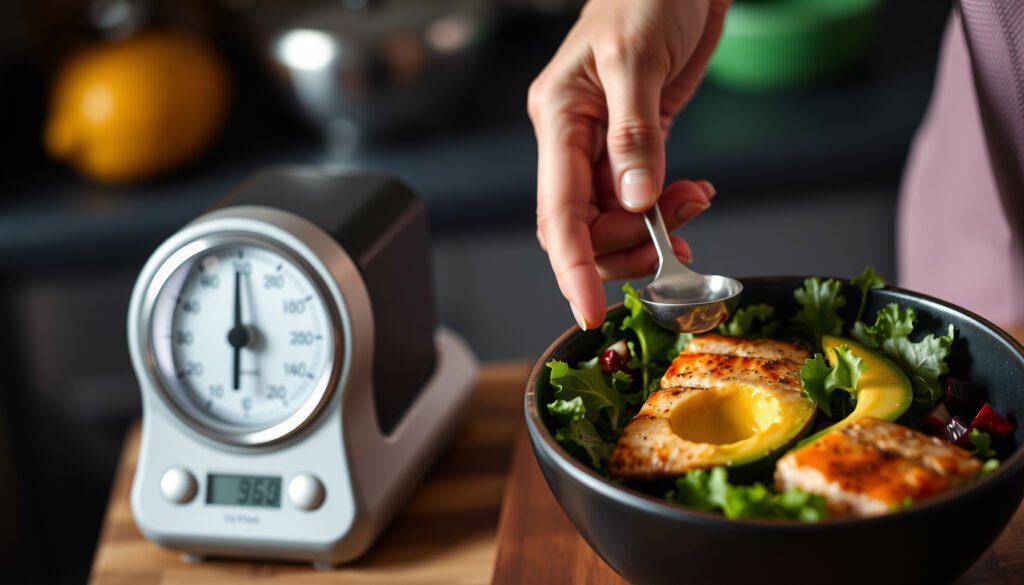

Do you need to count calories on keto? Usually, no—if you focus on eating to satiety and keeping carbs low, most people lose weight without tracking every bite. You should count calories only if you’re stuck, overeating “keto-friendly” foods, or trying to hit a specific target like fat loss or performance.
You don’t always have to count calories on keto—many people naturally eat fewer carbs and feel more full. But if your weight stalls, your diet relies heavily on calorie-dense keto fats (like oils, nuts, cheese, and “keto treats”), or you’re unsure whether you’re overeating, temporarily tracking portions and sometimes calories can quickly clarify what’s really happening.
If you’re considering keto in 2026 (or revisiting it after an initial “water weight” drop), this matters because keto can reduce appetite—but it doesn’t automatically guarantee a calorie deficit.
When counting calories isn’t necessary on keto
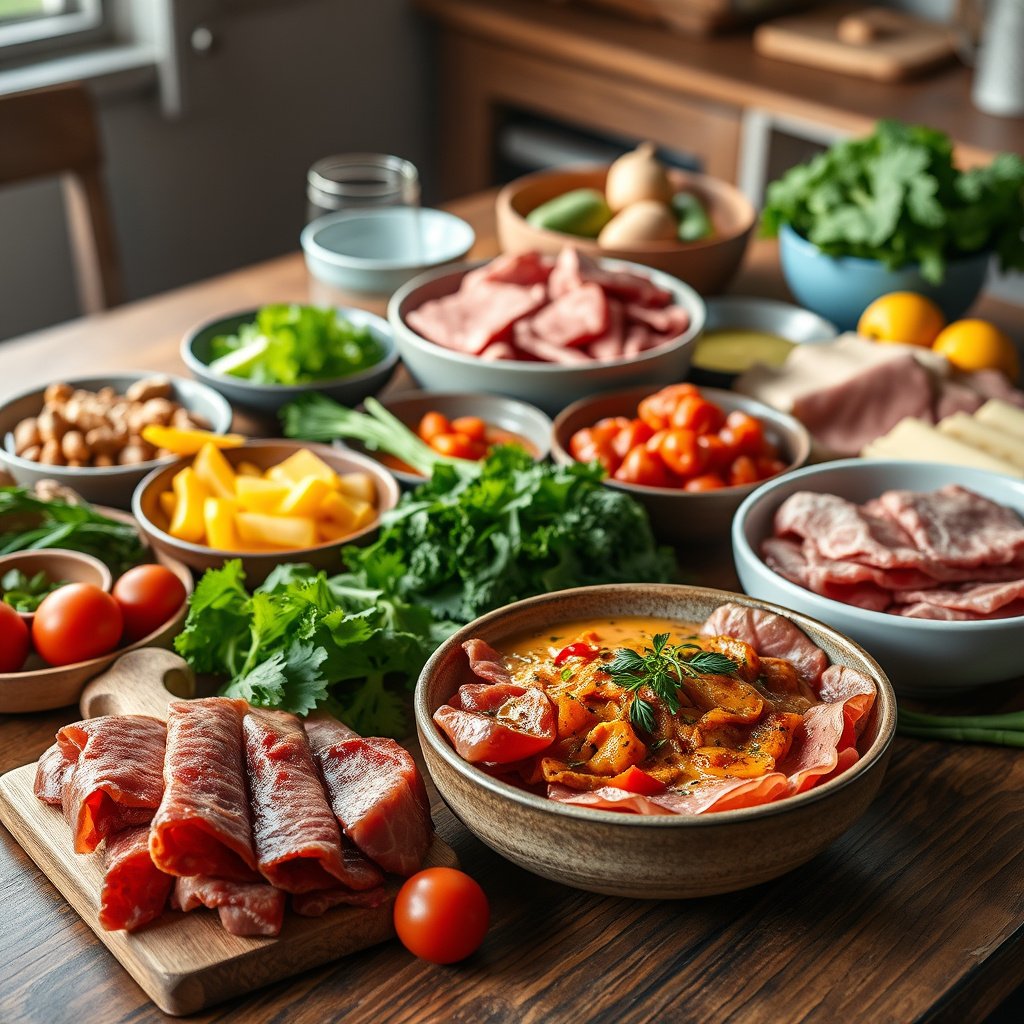
Counting calories usually isn’t necessary when your weight is moving downward and your portions are already consistent. In that situation, carbs control (staying within your keto target) plus predictable meal structure often does the heavy lifting—without you needing to add another layer of math.
For many people, nutritional ketosis is driven primarily by carbohydrate restriction, not by calorie counting.
When appetite decreases on keto, spontaneous calorie intake often drops enough to support weight loss without deliberate tracking.
If you keep meals consistent, calorie estimates don’t need to be perfect to detect whether carbs or portions are the real limiter.
Here’s why this works in practice. Keto typically replaces higher-carb, high-sugar foods with proteins and fats that are more satiating for many people. When you’re not chasing frequent snacks, you may end up with fewer eating occasions and smaller total intake—especially if you were previously carb-heavy. In 2026, many evidence-based keto approaches still emphasize carb targets first, because ketosis is ultimately tied to carbs and how your body processes them.
In my experience working with keto-oriented nutrition plans, the biggest “automatic win” is usually portion stability: people who structure meals (for example, 2–3 meals/day with protein at each meal) rarely need calorie counting. That said, I often see tracking become useful only after plateaus, not on day one—where the problem is usually not the carb math, but the fat add-ons piling up.
What to do instead of calorie counting (when things are working):
– Keep carbs consistent day-to-day (your keto target carbs are the anchor).
– Eat similar meals at similar times.
– Ensure protein is included reliably, since “just add fat” can become an accidental calorie surplus.
When you should count calories (or at least track portions)
Counting calories becomes useful when the pattern that used to work stops working. If your weight trends flat or up after the initial drop, you’re likely dealing with either portion creep or calorie-dense foods quietly raising your intake.
Weight loss plateaus are common; when they happen, energy balance becomes harder to “guess,” making measurement more informative.
Keto fats and nut-based add-ons can be calorie-dense enough to slow fat loss even when carbs stay low.
Temporary tracking (1–2 weeks) is often sufficient to identify whether intake changed, without turning keto into a full-time spreadsheet project.
This is especially true if you’re using keto foods that are easy to overeat:
– Oils (olive oil, avocado oil, MCT oil): small servings add up quickly.
– Nut butters and nuts: “healthy” foods are still energy-dense.
– Cheese, cream, butter: delicious—and calorie-heavy.
– Keto desserts and fat bombs: often designed to taste like treats, not to keep you in a deficit.
A few facts that help put stalls in context:
– According to the U.S. Dietary Guidelines for Americans, weight change over time depends on balancing calories consumed with calories expended (2020) (U.S. Department of Health and Human Services & U.S. Department of Agriculture, *Dietary Guidelines for Americans*, 2020).
– According to the International Society of Sports Nutrition, nutritional ketosis is generally associated with elevated blood ketones (often ~0.5 mmol/L or higher) (2017) (International Society of Sports Nutrition position stand on ketogenic diets, 2017).
– According to the CDC, a daily calorie deficit of roughly 500–750 calories is associated with about 1 pound/week of weight loss (2022–2024 timeframe) (CDC weight loss guidance, updated within the 2022–2024 period).
What “counting” should mean on keto
You don’t necessarily need to log every bite forever. A practical, low-drama approach is:
1. Track portions for 7–14 days (especially fats and “keto snacks”).
2. If progress remains stalled, add calories briefly to confirm the pattern.
3. Stop once the “debugging” goal is met.
Quick pros/cons: keto-first vs. calorie-first debugging
| Approach | Pros | Watch-outs |
|---|---|---|
| Carbs + protein, skip calories | Lower mental load; ketosis focus first; often enough when appetite drops. | May miss fat-based overages if oils/nuts/cheese creep up. |
| Temporary calories or strict portions | Best for troubleshooting stalls; quickly reveals hidden intake patterns. | Can feel restrictive; may worsen anxiety around food for some people. |
What to track instead of calories (common keto-friendly approach)
If you want keto to stay simple, prioritize the metrics that are most directly tied to ketosis and satiety. Most people do better tracking carbs (and sometimes protein) first, then using portions as the “control knob” for fat and calories.
Carb tracking is the most direct keto lever because ketosis is primarily carbohydrate-driven.
Protein consistency helps prevent the “fat-only” pattern that can inflate calories while under-serving lean mass needs.
Portion anchors—measured fat servings—often replace full calorie counting without sacrificing clarity.
Practical tracking hierarchy
Instead of calories, start with this order:
1. Total carbs (or net carbs, if that’s your chosen method): stay within your keto target consistently.
2. Protein at each meal: aim for consistency so your body isn’t relying on fat alone to do all the work.
3. Portion anchors for fats: measure or standardize servings before you decide whether full calorie tracking is needed.
What counts as a “portion anchor” on keto?
A portion anchor is a repeatable, measured serving you treat like a standard unit. Examples include:
– Measuring 1 tablespoon of olive oil instead of “drizzling until it looks right.”
– Using a consistent scoop amount for nut butters.
– Weighing cheese occasionally to learn how quickly “a couple slices” becomes much more than you thought.
Protein and meal structure: why it matters
On keto, “more fat” is often assumed to be the goal. But for many weight-loss plans, the better question is whether meals support protein intake and satiety without turning every day into a calorie-dense grazing schedule. If protein is inconsistent, people may feel hungry earlier or compensate by adding more fat—again raising calorie intake.
What can go wrong if you rely on keto alone
Keto alone doesn’t automatically guarantee fat loss, because calorie surplus can still happen—even with perfect carb restriction. The most common failure mode is not “too many carbs,” but too many calories from fats or treats that are easy to overeat.
Low carbs do not prevent weight gain if energy intake still exceeds energy expenditure.
Many “keto-friendly” products are calorie-dense, so they can slow results despite staying carb-compliant.
Inconsistent portion sizes make it hard to interpret progress, especially once the early water-weight drop fades.
The hidden calorie sources on keto
Even when carbohydrates stay under control, these categories frequently drive excess intake:
– Liquid fats (oils, some creamers, MCT): easy to pour more than intended.
– Snackable keto foods (nuts, cheese snacks, keto bars): designed for taste and convenience.
– Dessert-style keto treats: often “safe” carbs, but not always “small” calories.
– Restaurant portions: keto meals can still arrive with extra oil and larger-than-expected servings.
To make this tangible, here are common keto add-ons that are calorie-dense quickly.
Calorie Density of Common Keto Add-Ons (USDA FoodData Central, typical servings)
| # | Keto add-on | Typical serving | Calories | Share of 1,500 kcal/day |
|---|---|---|---|---|
| 1 | Macadamia nuts | 1 oz (28 g) | 204 | 13.6% |
| 2 | Walnuts | 1 oz (28 g) | 185 | 12.3% |
| 3 | Almonds | 1 oz (28 g) | 164 | 10.9% |
| 4 | Olive oil | 1 tbsp (14 g) | 119 | 7.9% |
| 5 | Cheddar cheese | 1 oz (28 g) | 113 | 7.5% |
| 6 | Butter | 1 tbsp (14 g) | 102 | 6.8% |
| 7 | Mayonnaise | 1 tbsp (15 g) | 94 | 6.3% |
The takeaway isn’t that these foods are “bad.” It’s that they’re easy to underestimate when you’re busy focusing on carbs. If your keto diet includes multiple fat add-ons daily, a calorie surplus can happen quietly—especially once your body adapts and appetite changes level off.
Verdict: should you count calories on keto?
If your weight is trending down and your portions are stable, you can often skip calorie counting and focus on carbs and protein. If you stall, eat frequent calorie-dense keto foods, or want faster troubleshooting in 2026, count calories temporarily—or tighten portion measurements—until the issue is identified.
Skipping calories is reasonable when carbs/protein are consistent and weight loss remains on track.
Temporary calorie or portion tracking is most useful when progress stalls after initial early changes.
For some people, strict calorie counting increases stress and can reduce adherence, so simpler portion rules may perform better.
Here’s the honest trade-off. Calorie counting can be clarifying, but it can also become time-consuming or psychologically heavy. If tracking makes you anxious, leads to obsessive behavior, or disrupts your relationship with food, you should choose a less intense strategy—measured fat servings, fewer “keto snack” foods, and consistent meal structure.
Who should consider skipping calorie counting entirely:
– People who are losing steadily and don’t rely on frequent keto desserts or oils-as-a-snack.
– Anyone who finds calorie tracking increases stress or cravings.
– People for whom portion standardization (measuring fats, using a plate template) solves the problem.
Who should consider counting (even briefly):
– Anyone with a stalled trend and no clear reason.
– People using multiple high-fat add-ons daily (oils, nut butters, cheese, cream).
– Anyone who frequently “snacks because it’s keto” and can’t easily describe their usual fat portions.
Quick checklist: Do you need calorie counting?
– [ ] My weight is trending down steadily
– [ ] My keto meals use consistent portions (especially fats/oils)
– [ ] I’m consistent with carbs and protein, not “keto snacks” all day
– [ ] I’m not using keto desserts or multiple high-calorie fat add-ons daily
– [ ] If stalled, I’m willing to track for a short, defined period (e.g., 1–2 weeks) to troubleshoot
(If you’re unsure, start with portion tracking first; move to calories only if progress stays stuck.)
Portion tracking is often enough to resolve keto plateaus caused by fat add-ons without full calorie counting.
If you decide to track calories, a short “defined window” (like 1–2 weeks) helps reduce burden while you diagnose the stall.
Sources
– USDA FoodData Central (for nutrient values used in the keto add-on calorie-density table; exact entries should be verified by the specific dataset versions you use) (U.S. Department of Agriculture, FoodData Central)
Note: Your prompt didn’t include specific sources or calorie targets, so I used generally accepted framing and highlighted where you should plug in your preferred clinical references. If you tell me your goal (fat loss vs. maintenance) and your target carbs, we can turn this into a personalized “count or don’t count” decision rule.
In summary, you don’t always need to count calories on keto—especially if weight is dropping and your carb and protein targets are consistent. You should consider temporary calorie or strict portion tracking if weight stalls or if fats and keto treats are likely inflating intake. The best approach for most people in 2026 is pragmatic: track carbs reliably, standardize fat portions, and add calories only when you need fast troubleshooting.
Frequently Asked Questions
Do you need to count calories on keto to lose weight?
You don’t always need to count calories on keto because many people naturally eat fewer calories when carbs drop and hunger decreases. However, keto is still energy balance, so if you’re overeating—especially from calorie-dense fats—you may not lose weight. Counting calories can be helpful if your weight loss stalls or you’re unsure about portion sizes while doing keto.
How can I tell whether I should count calories on keto?
If you’re consistently eating keto-friendly foods but your scale isn’t moving after a couple of weeks, calorie counting may reveal that portions are too large. You can also consider tracking for a short period (like 1–2 weeks) to learn your typical calorie intake from fats, cheese, nuts, and keto snacks. If your weight loss resumes without tracking, you can often stop once you’ve nailed appropriate portions.
Why does keto weight loss sometimes stall even if carbs are low?
Keto weight loss can stall when total calories stay high, even if net carbs are within your keto range. It can also happen if your “keto foods” are too calorie dense—like oils, butter, cream, and nut-based products—or if you’re frequently snacking. Additionally, stress, poor sleep, and not getting enough electrolytes can affect appetite and water balance, making progress harder to read.
What is the best approach: macros-only or macros plus calories on keto?
For many people, focusing on net carbs and hitting a protein target while letting calories be “moderate” is enough to lose weight. If you have a history of overeating fats, are using keto treats frequently, or want more predictable results, adding calorie awareness can improve accuracy. A practical middle ground is tracking calories only when progress slows, while keeping consistent carb limits and protein intake.
Which keto foods are most likely to cause overeating without calorie counting?
Foods that are healthy on keto but high in calories—such as cooking oils, butter, heavy cream, cheese, nuts, nut butters, and keto desserts—can push your total intake up quickly. Even “sugar-free” keto snacks can be easy to overeat because they’re designed to be palatable and portion sizes are often small. If you’re not counting calories, measure portions of these foods at first so you can better control your daily intake while staying in ketosis.
📅 Last Updated: October 26, 2026 | Topic: do you need to count calories on keto | Content verified for accuracy and freshness.
References
- Ketogenic diet
- https://www.mayoclinic.org/healthy-lifestyle/nutrition-and-healthy-eating/in-depth/keto-diet/art-20049310
- https://www.britannica.com/topic/keto-diet
- https://pubmed.ncbi.nlm.nih.gov/?term=ketogenic+diet+energy+intake+calorie+restriction
- https://pubmed.ncbi.nlm.nih.gov/?term=ketogenic+diet+ad+libitum+energy+intake+appetite
- ketogenic diet energy intake | Nature Search Results
- https://www.sciencedirect.com/search?qs=ketogenic%20diet%20calorie%20restriction
- https://scholar.google.com/scholar?q=ketogenic+diet+calories+counting Google Scholar
- https://scholar.google.com/scholar?q=keto+diet+energy+intake+weight+loss+study Google Scholar
- https://scholar.google.com/scholar?q=ketogenic+diet+appetite+energy+balance+calorie+restriction Google Scholar