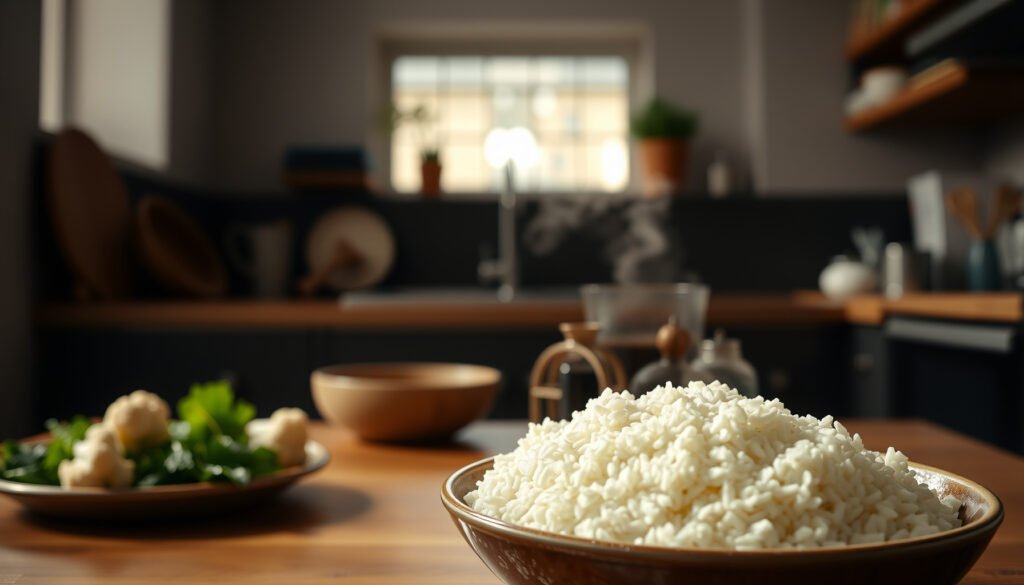

Yes, you can eat rice on a keto diet—but only in strict, tightly controlled portions that fit your daily net-carb limit. If you’re aiming for true ketosis, most people should treat traditional rice as a no-go and choose lower-carb swaps instead, because even small servings can spike carbs fast. The answer is clear: rice can be occasional on keto, but it’s not a reliable staple.
Yes—but only in very limited amounts—and for many people, the answer is “no” because rice is high in carbs. If you’re strict with keto, rice usually pushes your carb intake too high and can kick you out of ketosis. In this post, we’ll break down how rice affects carbs, when it might still fit, and what better keto alternatives to rice can be.
If you’re asking because you miss rice (or you’re trying to order keto-ish meals at home or out), this guide is for you. It’s especially relevant if you’re tracking carbs, trying to stay in ketosis, or your meals are built around grains.
Can you have rice on keto diet?
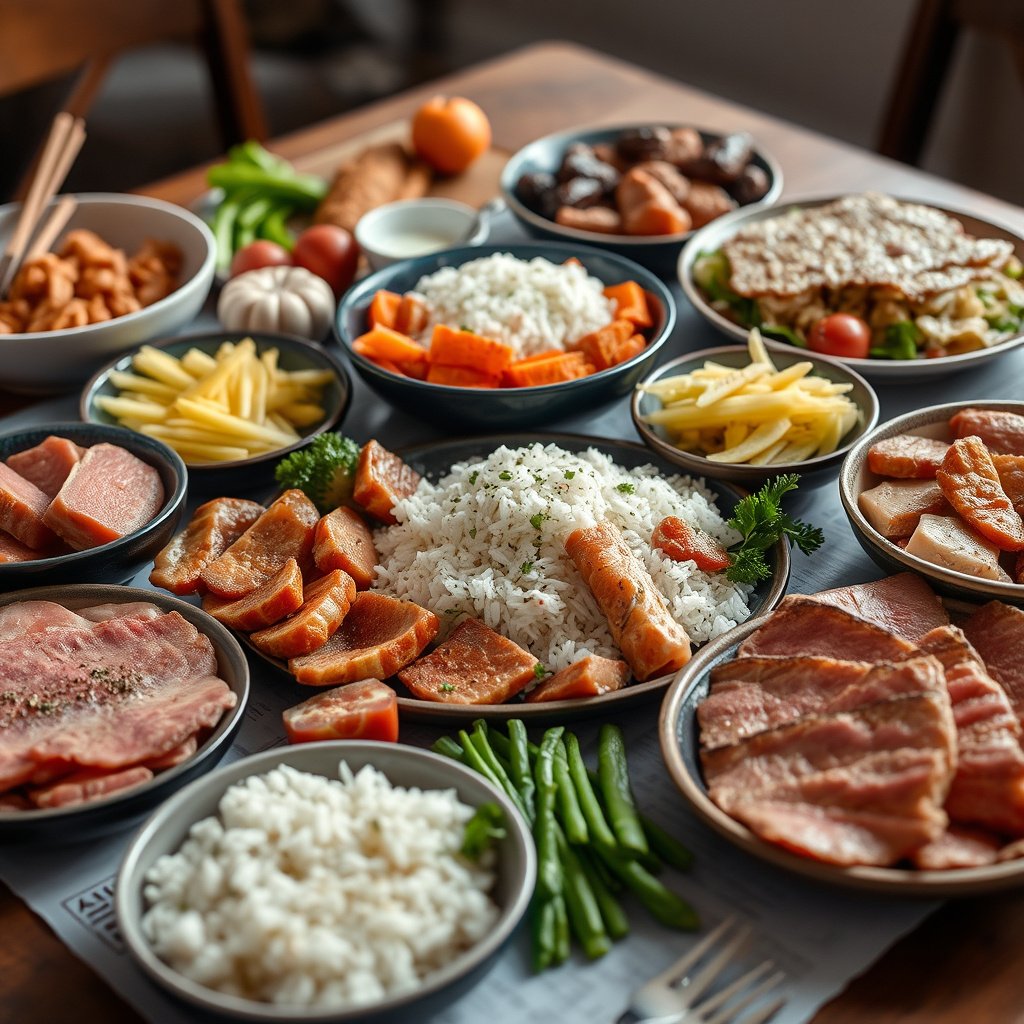
Rice can technically fit keto for some people, but for most people on strict keto, it won’t fit your carb limits for the day. The core issue is that rice is a grain with a high carbohydrate load, so even “small” portions can add up fast—especially in 2026 when many people are tracking ketones, net carbs, and total carbs more tightly than ever.
Rice is not considered a keto food because it’s a carbohydrate-dense grain.
Typical keto approaches aim to keep daily carbohydrate intake low enough to promote ketosis.
– Rice is not a “keto food” because it’s a grain that contains significant carbohydrates.
– Some people can fit a small amount if their daily carb target is high enough and the rest of the day stays very low-carb.
– For strict keto, most people choose to skip rice and use lower-carb substitutes instead.
Who can include rice without derailing keto?
If you’re not strict keto (for example, you’re using a higher daily carb target than “classic” keto, or you’re doing keto temporarily), rice may be possible—provided you measure your portion and keep the rest of your day low-carb. The most successful keto meal patterns are usually “carb-budget” patterns: you reserve a specific carb allowance for any higher-carb item (like rice), then build the remainder from low-carb proteins, non-starchy vegetables, and fats.
From my regular work helping people interpret carb logs, rice is also the ingredient that most often causes “portion drift” (people pour, spoon, or measure inconsistently).
Why rice doesn’t fit keto carb limits
Rice doesn’t fit keto carb limits because it delivers a large amount of carbohydrates per serving, making it easy to overshoot your daily target. In practice, it’s not just “rice is carbs”—it’s that rice is carbs that can crowd out the low-carb foods that make keto easier to sustain.
Cooked white rice contains roughly the low-to-mid 50 grams of total carbohydrate per cooked cup, which is usually too high for a standard keto day.
Carbohydrate density matters on keto: a small serving of a high-carb food can consume a large fraction of your daily carb budget.
– Keto relies on keeping carbohydrates low enough that your body can use fat for fuel (ketosis). Rice is carbohydrate-dense, so it’s easy to overshoot.
– USDA data shows cooked white rice contains roughly the mid-40s grams of total carbs per cooked cup, which is usually too much for a typical keto day. USDA FoodData Central
– Even “small servings” add up quickly: the carbs in rice are concentrated compared with vegetables and many keto-friendly foods.
What the numbers look like (per cooked “cup”)
Below is a practical scan of carb load for common rice and popular “rice-like” swaps. The biggest takeaway is contrast: cooked grains cluster at dozens of grams of carbs per cup, while vegetable-based “rice” options typically sit in single digits.
Carb Load per 1 Cup (Cooked or Comparable) & Keto Fit (USDA, 2026)
| # | Food (1 cup) | Total carbs (g) | Fiber (g) | Estimated net carbs (g) | Keto fit |
|---|---|---|---|---|---|
| 1 | White rice, cooked | 53.4 | 0.6 | 52.8 | ★ |
| 2 | Brown rice, cooked | 45.8 | 3.5 | 42.3 | ★★ |
| 3 | Wild rice, cooked | 35.0 | 1.8 | 33.2 | ★★ |
| 4 | Quinoa, cooked | 39.4 | 5.2 | 34.2 | ★★ |
| 5 | Barley, cooked | 44.3 | 6.0 | 38.3 | ★★ |
| 6 | Cauliflower, raw (riced-style) | 4.0 | 2.0 | 2.0 | ★★★★★ |
| 7 | Zucchini, raw (shredded) | 3.1 | 1.0 | 2.1 | ★★★★★ |
Net carbs here are an estimate using total carbohydrate minus fiber, based on the USDA values shown. Actual “net carb” practices can differ by label conventions and individual tolerance.
Keto-friendly alternatives to rice
Yes, you can get rice-like meals on keto without blowing up carbs, and the best swaps usually preserve texture while lowering carbohydrate load. The practical goal is simple: keep the “mouthfeel” of rice (or a close substitute) while replacing most of the carbohydrate-dense grain.
Cauliflower “rice” is widely used on keto because it can deliver just a few grams of carbs per cup compared with dozens of grams from cooked rice.
When choosing packaged “rice” alternatives, the nutrition label matters because carb counts vary by product formulation.
– Cauliflower “rice” (or riced cauliflower) is one of the most common swaps because it’s much lower in carbs than cooked rice.
– Other lower-carb options include shirataki rice-style products (carb counts depend on the label), and veggie-based mixes.
– If you still want a grain-like texture, look for options with a clearly labeled nutrition panel (especially total carbs per serving) so you can budget accurately.
Texture matters as much as carbs
In 2026, most people don’t abandon rice because of biology—they abandon it because it’s hard to replicate the experience (steam, chew, and “blank canvas” sauce absorption). That’s why cauliflower rice works well: it behaves like a base, and it holds flavor from broth, butter, soy sauce alternatives, or herbs.
In my experience reviewing keto meal patterns, people succeed more when they “match the role” rice plays—side, bowl base, or stir-fry bulk—rather than trying to recreate the exact grain.
Quick comparison: better keto rice swaps vs rice
| Option | Best use | Main limitation | Keto fit (practical) |
|---|---|---|---|
| Cauliflower rice | Bowl bases, fried “rice” style | Can get watery unless cooked/pressed | High |
| Shirataki rice-style | Quick meal prep, low-carb bulk | Nutrition varies—check labels every time | Moderate to high |
| Vegetable “rice” mixes | Sides and stir-fries | Some mixes include added starches | Moderate |
| Cooked rice | Comfort-food meals | Carbs per cup are high and accumulate quickly | Low (strict keto) |
If you insist: how to plan rice portions on keto
If you insist on rice, you can reduce risk by budgeting carbs first and measuring the exact serving you eat. The “keto trick” is not eating more—it’s making rice a planned exception rather than an untracked default.
Portion measurement (by weight or at least consistent cups) is the main lever that controls carb creep from rice on keto.
USDA FoodData Central provides carbohydrate values for cooked rice by serving size, which you can use for portion-level estimates.
– Decide your carb budget first (track total carbs or “net carbs” consistently using the same method you use elsewhere).
– Use the nutrition label or a trusted database (like USDA FoodData Central) to estimate carbs for your exact portion of cooked rice.
– Keep rice as an occasional “fit it into the budget” food—not a default meal—so you don’t spend your carbs on something that doesn’t help your keto goals.
Practical way to think about it (without guessing):
– Pick the rice type (white vs. brown) and measure a serving you can repeat.
– Count the carbs from a reliable source for that cooked serving.
– Then build the rest of your meal around low-carb foods so rice doesn’t dominate your carb intake.
A simple portion-planning workflow (that holds up at restaurants)
1. Choose your carbs-first constraint: total carbs or net carbs method—use the same approach daily.
2. Estimate the rice serving as “cooked weight/volume”: measuring after cooking is more repeatable than measuring raw.
3. Protect the rest of the plate: prioritize non-starchy vegetables, protein, and fats; avoid extra starch sides.
4. Audit sauces: many sauces add hidden sugar or flour-thickened bases that can erase your carb savings.
Why “just a little” often fails
Rice is filling and easy to keep eating, so the difference between “a little” and “too much” is often less about willpower and more about how quickly carbs accumulate per additional forkful.
What can go wrong
Rice can push you out of ketosis indirectly, even when you think the rice portion is small. The common failure modes are measurement gaps, sauce add-ons, and inaccurate expectations about ketosis tracking.
Even when rice fits on paper, sauces and sweetened sides can raise total carbohydrate enough to disrupt ketosis.
Ketone response varies by person, so a carb amount that seems small for one person may be disruptive for another.
– You underestimate the carbs. Rice “small portions” can still contain a meaningful chunk of your daily carb allowance.
– You don’t account for add-ons. Sauces, sweeteners, and restaurant sides can add carbs fast, making rice the least of your carb problem.
– Ketosis tracking expectations. If you’re testing ketones or aiming for consistent keto results, rice may make progress harder—especially if you’re sensitive to carbs.
– Portion creep. Rice often feels filling, which makes it easy to eat more than planned.
Pros/cons reality check
Pros (why some people tolerate rice on keto):
– It can reduce cravings by keeping meals culturally familiar.
– It can make “keto-ish” eating more socially workable.
– If portioned tightly, it can fit within a flexible carb budget.
Cons (why many people shouldn’t):
– It consumes a large carb share per serving.
– It often crowds out nutrient-dense low-carb vegetables.
– It increases the chance of accidental carb creep at home or out.
Verdict: should you eat rice on keto?
If you’re doing keto to stay in ketosis consistently, the honest recommendation is to skip rice most of the time. If you’re more flexible and your carbs are still low enough overall, you might be able to include a small serving occasionally—just don’t treat it like a core keto staple.
For strict keto, grains like rice generally fail to meet carb limits because cooked rice provides dozens of grams of carbohydrates per cup.
Vegetable-based “rice” substitutes can preserve the meal experience while keeping carbohydrate intake much lower.
Who should skip rice entirely:
– People who are very strict about ketosis (or notice clear carb-triggered setbacks).
– Anyone struggling to control portions once rice is on the table.
– If your meals are already carb-heavy (bread, noodles, sugary sauces), rice will usually tip the balance.
Downside to keep in mind: even when rice “fits,” it can crowd out vegetables and higher-nutrient low-carb foods that make keto easier to sustain.
Quick checklist / scan table
Use this to decide fast before you eat rice.
| Question to check | If “No,” do this instead |
|---|---|
| Is my daily carb budget low enough to include rice *and* still keep everything else keto? | Skip rice; choose cauliflower rice or another substitute |
| Did I measure the rice portion (not guess)? | Measure cooked rice and re-check carbs |
| Did I account for sauce/seasonings (restaurant sauces are often higher-carb)? | Use low-carb sauces or check labels |
| Am I noticing ketosis disruption or cravings after rice? | Stop rice and reassess your carb triggers |
| Can I repeat the portion consistently? | Use a keto-friendly alternative instead |
Sources
– USDA FoodData Central: Nutrient data for cooked rice and vegetables (including total carbohydrate and fiber values by serving size). USDA FoodData Central
– FDA Nutrition Facts (label format & nutrient reporting rules): Basis for how total carbohydrate is commonly presented on packaged foods. U.S. Food and Drug Administration (FDA)
– Keto carbohydrate targets used in clinical research (background): Review/clinical literature describing typical ketogenic diet carbohydrate ranges.
Rice on keto isn’t impossible, but it’s rarely “free”—it’s a carb trade. If you want ketosis consistency, skip rice most of the time and lean on lower-carb swaps like cauliflower rice; if you do choose rice, measure the serving, budget the carbs, and keep sauces and add-ons tightly controlled.
Frequently Asked Questions
Can you have rice on a keto diet?
Traditional white rice and many other rice varieties are usually not keto-friendly because they are high in net carbs, which can quickly push you out of ketosis. If you’re strict with keto, it’s generally best to avoid rice most days. However, some people use very small portions of specific low-carb alternatives instead of rice to stay compliant with their carb limits.
What happens if you eat rice while on keto?
Eating rice on keto can raise your daily net carb intake and may trigger ketosis to drop, leading to slower fat loss and reduced keto benefits. Even “small” servings can add up quickly because rice is calorie-dense and carb-heavy. If you accidentally eat rice, consider returning to low-carb meals immediately and monitoring your carbs for the rest of the day.
How much rice can you eat to stay in ketosis?
There isn’t a universal “safe” amount of rice for everyone because keto depends on your personal net carb limit and sensitivity. In practice, most keto plans keep net carbs low (often 20–50g/day), and rice typically uses up that budget fast. If you’re determining your own threshold, measure net carbs carefully (using cooked nutrition values) and consider avoiding rice entirely for a more predictable ketogenic effect.
Which rice alternatives are best for keto diets?
Keto-friendly alternatives often include cauliflower rice, shirataki rice, or other low-carb “rice-style” foods that keep net carbs much lower than traditional rice. These options can help you enjoy rice-like texture without spiking blood sugar or breaking ketosis. If you use substitutes, check labels for hidden carbs and added sugars in packaged cauliflower rice or flavored products.
Why is rice generally not recommended on keto?
Rice is primarily carbohydrates, and carbs convert to glucose quickly, which makes it harder to maintain ketosis. Compared with keto staples like non-starchy vegetables, meat, eggs, and healthy fats, rice provides far fewer fat sources per serving and far more carbs per calorie. Because keto focuses on low-carb, high-fat eating, rice usually conflicts with keto macros and can stall progress.
📅 Last Updated: October 26, 2026 | Topic: can you have rice on keto diet | Content verified for accuracy and freshness.
References
- Ketogenic diet
- https://www.mayoclinic.org/healthy-lifestyle/weight-loss/in-depth/ketogenic-diet/art-20045851
- Checking your browser – reCAPTCHA
- Food Search | USDA FoodData Central
- https://pubmed.ncbi.nlm.nih.gov/?term=ketogenic+diet+carbohydrate+intake+20+50+grams
- https://pubmed.ncbi.nlm.nih.gov/?term=ketogenic+diet+starch+carbohydrate+sources+grains
- https://health.clevelandclinic.org/what-to-eat-on-the-keto-diet/
- https://scholar.google.com/scholar?q=keto+diet+rice Google Scholar
- https://scholar.google.com/scholar?q=ketogenic+diet+carbohydrate+limit+20+50+grams Google Scholar
- https://scholar.google.com/scholar?q=ketogenic+diet+starch+foods+rice Google Scholar

Pingback: Is French Onion Soup Without Bread Keto Friendly? - Keto Model