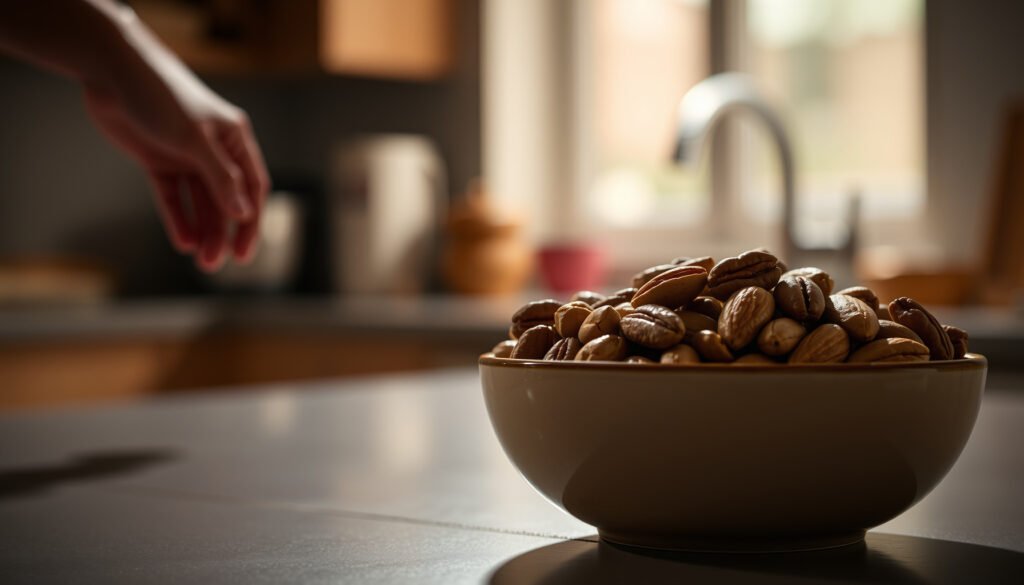

Yes, you can have nuts on the keto diet, and for most people they’re a smart, satisfying staple when you choose low-carb options. The key is portion control and picking nuts with the best carb-to-fat ratio so you stay in ketosis. Here’s exactly which nuts to prioritize, which to limit, and how to eat them without knocking yourself off track.
Yes—you can have nuts on the keto diet, as long as you control portions and choose the right types. Nuts are generally low enough in net carbs to work for many keto dieters, but some varieties (and some flavored products) are easier to overeat or can push carbs over your daily limit—especially in 2026 when label formats and product variety keep expanding.
Adding nuts can be a practical way to improve keto diet snack quality: they deliver healthy fats, fiber, and a satisfying crunch that often supports appetite control. In this guide, you’ll learn which nuts tend to fit best, how to portion them realistically, and how to avoid common keto pitfalls that cause “keto snacks” to quietly stall progress.
This is for you if you’re doing keto for weight loss, blood sugar control, or general metabolic health—and you want a flexible snack strategy that doesn’t require giving up crunch.
Which nuts fit keto best (and why)
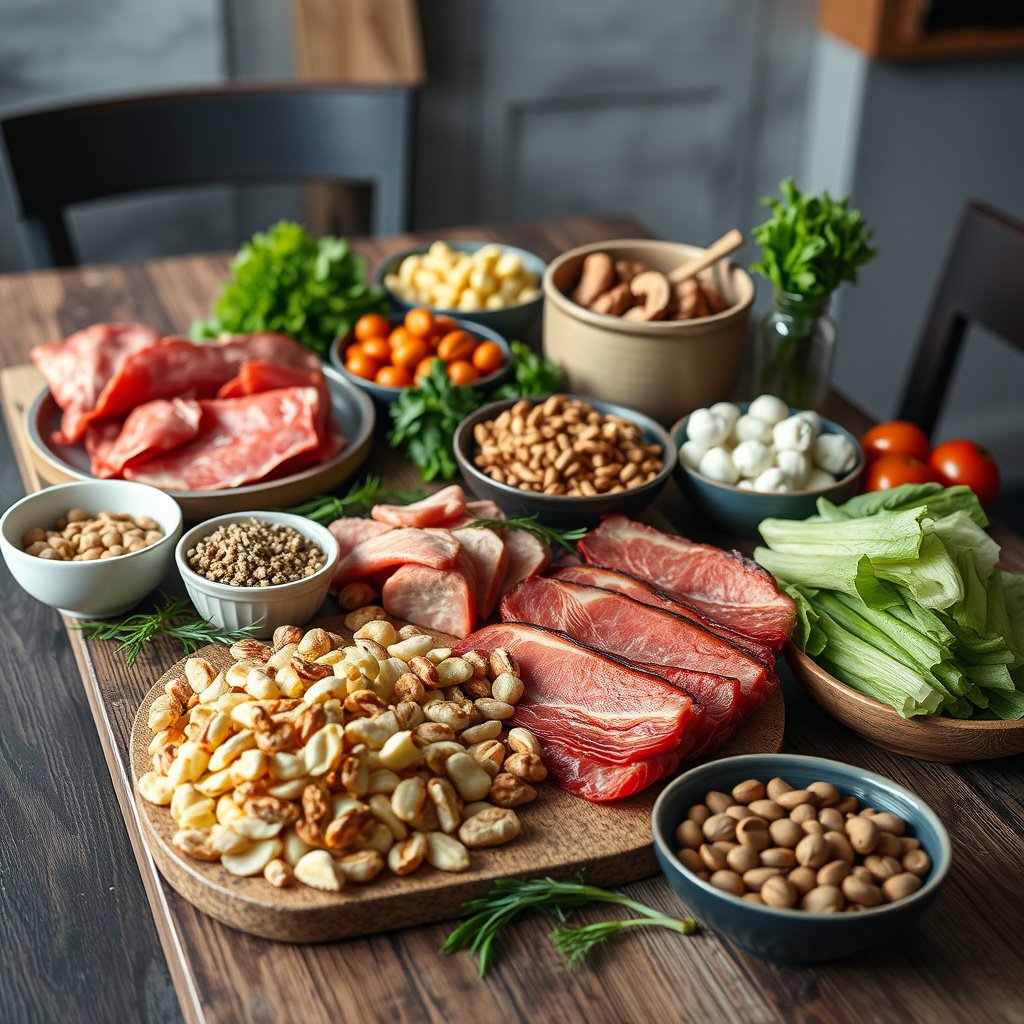
Many nuts fit the keto diet well because they provide fat and fiber with relatively low net carbs per serving. The key is to prioritize nuts that stay low after fiber is subtracted, while being cautious with higher-carb options that are easy to overeat—especially when you’re snacking.
According to FDA nutrition labeling regulations (21 CFR 101.9), the Nutrition Facts panel reports both total carbohydrate and dietary fiber, and “net carbs” is not an official FDA-defined term.
According to FDA’s 2016 Nutrition Facts rule, dietary fiber appears on labels in grams, which is why keto diet tracking often subtracts fiber to estimate “net carbs.”
Here’s the practical approach for nuts on the keto diet:
– Focus on nuts that are naturally lower in net carbs per serving. Common standouts are almonds, walnuts, pecans, macadamias, and Brazil nuts, which generally combine fat + fiber in a way that keeps net carbs relatively modest.
– Watch nuts that can push carbs higher quickly if portions expand. Cashews and pistachios are often the first culprits because their carb-to-fiber balance can be less favorable for tight keto limits.
– Remember that keto is carb-counting. On the keto diet, “keto-ness” comes down to net carbs (or total carbs—depending on your method) versus your daily carb target.
Net-Carb Reality Check for Common Keto Nut Choices (per 1 oz / ~28g)
| # | Nut (typical) | Total carbs (g) | Fiber (g) | Estimated net carbs (g) | Keto-fit (lower net carbs = higher) |
|---|---|---|---|---|---|
| 1 | Pecans | 4.0 | 2.7 | 1.3 | ★★★★★ |
| 2 | Brazil nuts | 3.5 | 2.1 | 1.4 | ★★★★★ |
| 3 | Macadamias | 4.0 | 2.3 | 1.7 | ★★★★☆ |
| 4 | Walnuts | 3.9 | 1.9 | 2.0 | ★★★★☆ |
| 5 | Almonds | 6.1 | 3.5 | 2.6 | ★★★☆☆ |
| 6 | Pistachios | 7.0 | 2.8 | 4.2 | ★★☆☆☆ |
| 7 | Cashews | 9.2 | 0.9 | 8.3 | ★☆☆☆☆ |
The data table above is a useful way to compare nuts on the keto diet at a glance—but your final choice still depends on your daily carb limit and how consistently you portion.
Portion sizes: the key to making nuts work
Portion size is where most keto diet success or failure happens with nuts. Even low-net-carb nuts can derail your day if you snack “by feel” instead of measuring—especially if you’re also eating other carb sources.
According to FDA Nutrition Facts labeling requirements (21 CFR 101.9), nutrition information is tied to a stated serving size, so “keto-friendly” nuts can become higher-carb if you eat multiple servings.
According to USDA FoodData Central, nuts’ fiber and total carbohydrate can vary by species and preparation method, which makes portioning especially important when you’re on the keto diet.
A portion-first strategy for nuts on the keto diet:
– Start with a small serving (for example, 1 small handful or about 1 oz / 28 g) and adjust based on your net carb total for the day. If you’re early in keto, be conservative for a few days.
– Choose measured portions when you’re testing tolerance. Many people underestimate carb intake because nuts are energy-dense. Calories aren’t the only issue on keto—carbs drive the metabolic target.
– If you’re tracking macros, plan nuts rather than adding them randomly. On the keto diet, “planned snacks” prevent late-day carb creep when hunger hits.
If you want a simple mental model for keto diet snacking: assume nuts will be counted like a carb-containing food, not like a free-fat garnish. That mindset protects both your ketosis and your results.
How to count carbs: net carbs vs total carbs
You can include nuts on the keto diet using either net carbs or total carbs, but you need a consistent method and accurate label reading. The biggest difference is what you subtract (or don’t subtract) and how your chosen tracking app defines “net.”
According to the FDA (21 CFR 101.9), labels list both total carbohydrate and dietary fiber, but “net carbs” is not standardized as a regulated labeling term.
According to FDA nutrition labeling guidance (2016 rulemaking), dietary fiber is declared in grams, enabling keto diet calculations that use fiber subtraction—provided you track consistently.
Here’s how to count carbs for nuts on keto without getting tricked:
– Use the carb method that matches your tracking style. Many people track net carbs = total carbs minus fiber because fiber is largely not metabolized like digestible carbs.
– Read labels carefully for flavored, roasted, or seasoned nuts. Added seasonings can include sugar, starch, or honey-based coatings that increase total carbs.
– If you use prepackaged nut mixes, check the mix nutrition facts. A “keto trail mix” can still contain higher-carb pieces that raise total carbs for the same serving size.
One practical labeling tip for nuts on the keto diet: treat “serving size” as the unit of truth. If a bag says 1/4 cup is one serving and you eat 1/2 cup, you’ve doubled your carbs—regardless of whether the nuts are “healthy.”
What can go wrong (common keto mistakes)
Nuts can fit keto well, but common mistakes can push carbs up or disrupt your routine. The most frequent problems are portion drift, hidden sugar in coatings, and assuming branding replaces label math.
According to FDA added sugars labeling rules (2016 nutrition facts updates), “added sugars” are tracked separately on the label, which helps you identify sweet coatings in flavored nuts.
According to FDA labeling requirements (21 CFR 101.9), the Nutrition Facts panel is the source of carbohydrate and fiber grams per serving, not marketing claims.
Here’s what can go wrong with nuts on the keto diet:
– Eating nuts without measuring portions. Nuts are calorie-dense, and “one handful” can easily become multiple servings. Even if carbs stay low, your keto diet carb target can still be exceeded.
– Choosing nut products with added sugar or sweet coatings. Honey-based coatings or sugary flavor dust can turn a keto-friendly snack into a carb problem.
– Relying on “keto snacks” branding instead of the nutrition label. Marketing can be misleading when the real carb math doesn’t match the claim.
– Not accounting for your whole day. Even keto-friendly nuts can stall progress if you exceed your daily carb limit—especially when paired with other carb sources.
Quick reality check: if your keto diet results suddenly stall after you add nuts, don’t assume nuts “don’t work.” Re-check serving size, the specific product label, and how much you’re actually eating per day.
Verdict: should you include nuts on keto?
You can include nuts on the keto diet, and for many people they improve satiety while staying within carb targets. The best results come from choosing lower-net-carb nut types, keeping servings consistent, and avoiding sweetened or mixed products.
According to USDA FoodData Central, different nuts have meaningfully different total carbohydrate and fiber values, which changes their keto diet “net carb” impact.
According to FDA nutrition labeling regulations (21 CFR 101.9), portion-based carbohydrate and fiber grams are the dependable way to evaluate nuts on keto diet planning.
That said, nuts on keto aren’t perfect for everyone—especially in 2026, when more processed “keto” snack mixes are available. Here’s a balanced view:
– Good fit for: people who want crunchy snack options, need help meeting fat targets, and can measure portions reliably.
– Potential downside: if you struggle with portion control, or if certain nuts trigger digestive discomfort (commonly an issue for some individuals with higher-FODMAP foods), nuts may feel harder to tolerate than expected.
– Skip entirely if: you have a nut allergy. In that case, choose non-nut keto snacks instead.
- Pros of nuts on keto
- Typically provide satiety from fat + fiber; easy to portion into measured servings; convenient snack support for the keto diet.
- Cons of nuts on keto
- Portion creep is common; flavored/sweetened nuts can raise carbs; some people experience GI discomfort from specific nut types.
If you’re strict about tracking carbs and you keep nuts as a planned snack (not an “unlimited” food), nuts can be a reliable part of your keto diet.
Quick keto nut checklist (scan/save)
Use this checklist to keep nuts keto-friendly in real life—especially when you’re deciding what to buy or how much to eat today in 2026.
According to FDA labeling requirements (21 CFR 101.9), nutrition facts per serving should guide your keto diet carb math, not packaging claims.
According to FDA nutrition labeling updates (2016), dietary fiber and added sugars are separately declared, which makes it easier to evaluate nut snacks for keto.
– [ ] Choose nuts with lower net carbs per serving (commonly: almonds, walnuts, pecans, macadamias, Brazil nuts)
– [ ] Measure your first portion before “eyeballing”
– [ ] Track net carbs (or total carbs—whichever you consistently use)
– [ ] Avoid flavored mixes with added sugar or sweet sauces
– [ ] Keep nuts as planned snacks, not unlimited “free food”
Sources
– USDA FoodData Central (nutrition facts—fiber, total carbs—for nuts such as almonds, walnuts, cashews, pecans, macadamia nuts, and Brazil nuts).
– FDA, 21 CFR 101.9 — Nutrition labeling of food (Nutrition Facts panel content and carbohydrate/fiber labeling requirements).
– FDA (2016) — Final rule and guidance for the updated Nutrition Facts label (including dietary fiber and added sugars declaration and serving-based presentation).
Nuts can be a smart keto diet snack when you treat them like a planned food: choose lower-net-carb varieties, portion consistently, and rely on the label rather than marketing. If you want keto-friendly crunch without carb surprises, start small, measure for a few days, and adjust based on your actual carb totals—especially when you’re trying new brands or flavored mixes in 2026.
Frequently Asked Questions
Can you have nuts on the keto diet?
Yes, you can have nuts on the keto diet as long as you keep them within your daily net carb limit. Most nuts are low in net carbs and high in healthy fats, which makes them keto-friendly. Just watch portion sizes because some nuts can be carbier than they seem, especially if you’re snacking without measuring.
How many nuts can you eat on keto without going over carbs?
A practical approach is to track net carbs and start with measured portions, such as a small handful (about 1 ounce) per serving. Nuts like almonds, macadamias, and walnuts are typically easier to fit into keto macros because they contain fewer net carbs per serving. If you notice you’re exceeding your keto carb limit, reduce the portion or switch to lower-carb nuts.
Why do nuts fit so well on keto?
Nuts fit on keto because they provide fats and fiber, which can help you feel full while keeping carbs low. Their fat content supports ketosis, especially when paired with other low-carb foods. Many nuts also contain micronutrients like magnesium and vitamin E, which can be helpful when you’re adjusting to a ketogenic diet.
Which nuts are best for keto, and which should you limit?
Generally, almonds, macadamias, walnuts, pecans, and hazelnuts are among the best keto nuts due to their relatively low net carbs per serving. You should limit or be more cautious with cashews and pistachios, since they tend to be higher in net carbs. Also avoid roasted or flavored nuts with added sugar, since sugar can quickly push carbs up.
What should you check on the label if you’re buying keto-friendly nuts?
Check the nutrition label for net carbs and serving size, because the carbs can add up quickly if you eat more than one serving. Look for added ingredients like sugar, honey, or “sweet” seasonings, which can make a keto snack non-keto. If possible, choose unsweetened, dry-roasted nuts and consider tracking your portion to stay consistent with your keto diet goals.
📅 Last Updated: October 26, 2026 | Topic: can you have nuts on the keto diet | Content verified for accuracy and freshness.
References
- Ketogenic diet
- https://www.mayoclinic.org/healthy-lifestyle/weight-loss/in-depth/keto-diet/art-20198091
- https://www.britannica.com/topic/keto-diet
- Food Search | USDA FoodData Central
- https://pubmed.ncbi.nlm.nih.gov/?term=ketogenic+diet+nuts
- https://pubmed.ncbi.nlm.nih.gov/?term=ketogenic+diet+nut+intake
- https://www.sciencedirect.com/search?qs=ketogenic%20diet%20nuts
- https://scholar.google.com/scholar?q=ketogenic+diet+nuts Google Scholar
- https://scholar.google.com/scholar?q=keto+diet+almonds+carbohydrates Google Scholar