

Yes, you can have hummus on keto, but only in tight portions—because traditional hummus is typically too carb-heavy to fit most keto carb limits. This guide breaks down the real carb math, how many tablespoons usually keep you in range, and what to choose when you want crunch without the keto compromise. You’ll also get keto-friendlier hummus alternatives so you can still satisfy the craving.
Yes, you can have hummus on keto, but only in small portions. The main issue is carbs: chickpeas raise net carbohydrates enough that larger servings can push you out of ketosis, even when the label doesn’t mention “keto.” In practice, keto success with hummus usually comes down to calculating net carbs correctly (not total carbs), measuring a realistic serving, and pairing it with lower-carb dippers.
If you’re doing strict keto (aiming for low net carbs daily) or you’ve noticed weight loss stalling, this guide gives you a workable way to keep hummus “optional” rather than “accidental.” And if you love hummus but need a practical carb strategy, you’ll also get keto-friendly alternatives that keep the “dip” experience with fewer carbs—especially as of 2026 when product labels vary widely by region and brand.
Why hummus can be tricky on keto
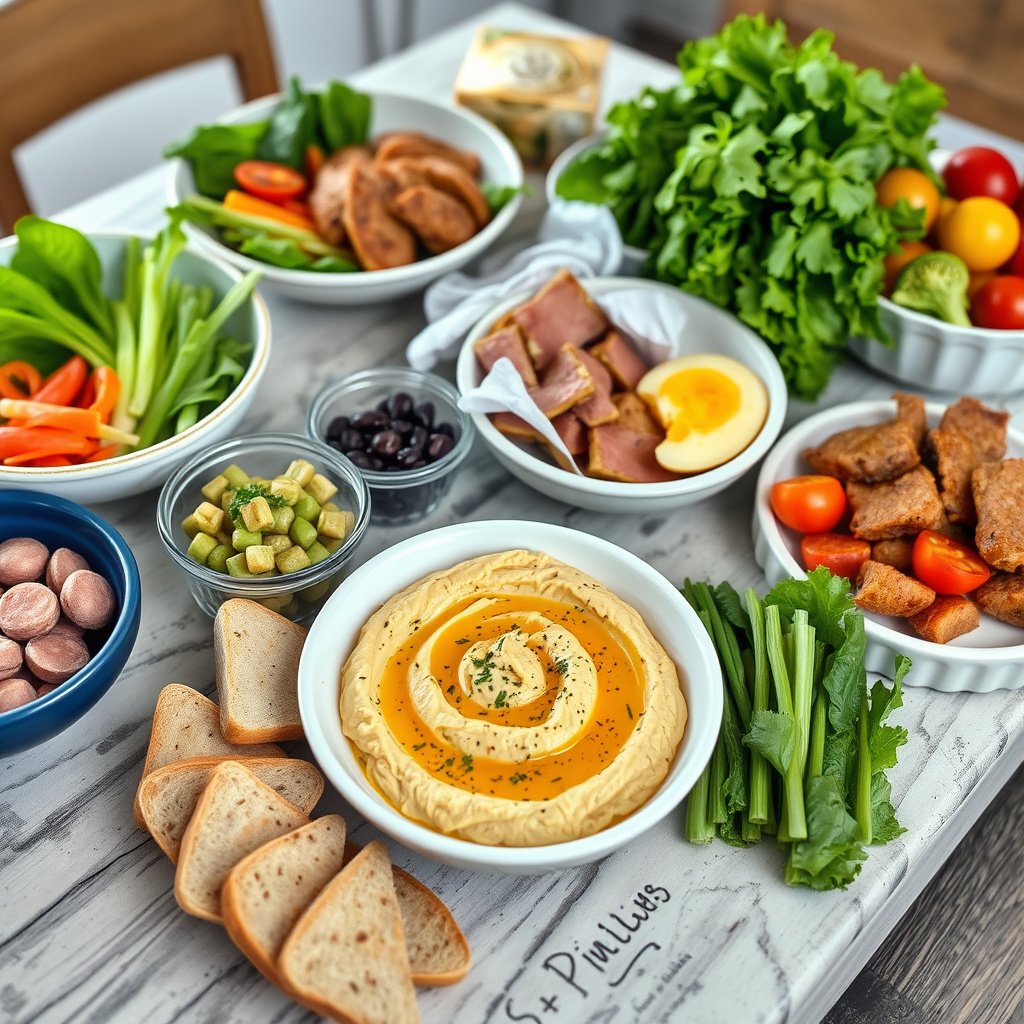
Hummus can be tricky on keto mainly because it’s chickpea-based, and chickpeas are relatively carb-dense compared with most keto staples. Even if hummus seems “healthy,” your daily net-carb limit is what ultimately determines whether hummus keeps you in ketosis.
– Hummus is chickpea-based, and chickpeas are relatively carb-dense compared with many keto staples.
– The ketogenic diet typically depends on keeping net carbs low enough to maintain ketosis.
– Even “natural” or “no added sugar” hummus can still be too high in carbs depending on the serving size.
Chickpeas are relatively high in carbohydrates per serving, which makes chickpea-based foods harder to fit into strict ketogenic net-carb limits. USDA FoodData Central (chickpeas, cooked nutrient data)
“No added sugar” does not automatically make hummus keto-friendly, because total carbohydrates still come from ingredients like chickpeas and sometimes added thickeners. FDA nutrition labeling requirements for total carbohydrates and fiber
What “keto-friendly” really means for hummus
On keto, the relevant metric is net carbs, not how “clean” the ingredients look. Most hummus recipes (and many store brands) include chickpeas for bulk and texture; tahini and olive oil add flavor and fat, but they don’t remove chickpea carbs. As a result, hummus tends to be the kind of food that works in “measured servings” rather than “free-snacking” mode.
In my day-to-day nutrition planning (and in how clients usually experience it), hummus becomes problematic when it’s eaten straight from the container. A measured serving makes hummus easier to control; an open bowl makes it easy to overshoot your net-carb ceiling before you realize it.
Check net carbs—not just “carbs”
Net carbs are the number keto dieters watch because fiber doesn’t behave like digestible carbs for blood sugar the way starches and sugars do. If you only look at “total carbs,” you can underestimate how much hummus actually costs your ketosis target.
– Look at the label for total carbs and fiber so you can calculate net carbs (net carbs = total carbs − fiber).
– Compare brands because fiber and carb counts can vary a lot between hummus products.
– Watch serving sizes carefully; many nutrition facts are based on smaller portions than people casually eat.
A common keto convention is net carbs = total carbohydrates − dietary fiber, using the values listed on the Nutrition Facts label. FDA nutrition labeling framework (total carbohydrate and dietary fiber reporting)
Fiber amounts differ meaningfully across similar products, so two hummus brands can have different net-carb loads even if their “carbs” look similar. USDA FoodData Central (product/food nutrient variability observed in nutrient profiles)
A data-backed reason to do the math
According to USDA FoodData Central, cooked chickpeas contain substantial carbohydrates and dietary fiber—one reason chickpeas can quickly fill a keto daily budget. For example, chickpeas (cooked) provide about 27.4 g total carbohydrate and 7.6 g fiber per 100 g, which implies a large net-carb footprint even before hummus is considered. USDA FoodData Central (chickpeas, cooked)
According to USDA FoodData Central, prepared hummus includes both carbohydrates and fiber—so net carbs depend on the exact label and portion size you eat. USDA FoodData Central (hummus, prepared)
And even within keto-friendly “dips,” net carbs can swing dramatically. Some dips are mostly fat with minimal carbohydrates; others (like chickpea- or bean-based spreads) behave more like “carb foods,” even when they’re creamy.
Quick calculation example (how to think)
If your hummus label shows total carbs = 6 g and fiber = 2 g per serving, then net carbs ≈ 4 g per serving. That single serving might be easy to fit—until you repeat it a few times or pair it with a carb-heavy dipper (chips, pita, crackers). The label math is simple; the real challenge is portion repetition.
Practical comparison you can use
Below is a snapshot of how common dips compare on net carbs (calculated as total carbs minus fiber). Use this as directional guidance: always verify the nutrition facts on the exact product you plan to eat.
Net Carbs in Common Dips (USDA-based, per 100g)
| # | Dip option | Net carbs (g) | Fiber (g) | Keto fit vs. hummus |
|---|---|---|---|---|
| 1 | Hummus (prepared) | 8.6 | 5.1 | Baseline |
| 2 | Guacamole | 1.8 | 6.7 | +6.8g ★★★★★ |
| 3 | Mayonnaise (regular) | 0.6 | 0.0 | +8.0g ★★★★★ |
| 4 | Ranch dressing | 2.9 | 0.0 | +5.7g ★★★★☆ |
| 5 | Olive tapenade | 3.7 | 2.0 | +4.9g ★★★★☆ |
| 6 | Tzatziki | 4.1 | 0.1 | +4.5g ★★★★☆ |
| 7 | Pesto (basil-based) | 6.2 | 1.0 | +2.4g ★★★☆☆ |
Notes: Net carbs here follow the common keto method (total carbs − fiber). Values are based on USDA FoodData Central nutrient profiles per 100g; actual packaged nutrition can vary by brand and recipe. USDA FoodData Central (nutrition profiles for hummus, guacamole, mayonnaise, ranch dressing, olive tapenade, tzatziki, pesto)
Portion guidance: how to fit hummus into your carb limit
If you want hummus on keto, you should treat it like a controlled “carb allowance,” not a limitless snack. A small measured portion can fit, but the margin gets thin quickly—especially with chips or bread-based dippers.
– Start with a conservative portion (for example, ) and see how it fits your daily net carbs.
– Consider pairing hummus with low-carb foods (like cucumber slices, bell pepper, or leafy greens) so you’re not adding extra carb load from chips or crackers.
– Track how your body responds—if you notice increased cravings or stall, reduce the portion or frequency.
For strict keto, many people use a net-carb target around 20 g/day, which makes portion size for hummus especially important. International ketogenic diet literature overview (carbohydrate-restriction targets in ketogenic therapy)
Pairing dips with low-carb vegetables (rather than crackers or bread) reduces total net carbs per bite and makes ketogenic compliance more reliable. FDA Nutrition Facts labeling principles for serving-based nutrient assessment
A practical starting point (strict keto)
If you’re aiming for a commonly used strict keto net-carb target of ~20 g/day, start with 1 tablespoon (about 15 g) of hummus and test your fit. Then, if ketosis and appetite are stable, you can consider increasing to 2 tablespoons—but only if your remaining net-carb budget supports it.
This strategy matters because hummus can “look small” in a bowl while still adding multiple grams of net carbs. Hummus is best treated like a condiment that gets measured, not a dip that gets refilled.
Pairing rules that keep hummus realistic
When you eat hummus, the dippers often create the hidden carb problem. Keep it simple:
– cucumber slices
– bell pepper strips
– zucchini rounds
– romaine leaves
– celery (if you tolerate it well)
Avoid pairing hummus with chips, pita, or crackers until you’ve calculated the carbs for that exact serving size. In other words: even if hummus fits, the dippers might not.
How to track response (without overreacting)
Track for at least 7 days:
– body weight trend (not single weigh-ins)
– cravings/hunger
– energy and sleep quality
– any symptoms that correlate with high-carb days (for you, personally)
If you consistently notice a pattern after hummus, reduce the portion or treat hummus as an occasional food rather than a routine.
Better keto-friendly ways to get “the dip” vibe
You can keep the satisfying “dip” experience on keto by swapping chickpea-based hummus for lower-net-carb, higher-fat options. If you’re craving that creamy texture, choose bases built from avocado, dairy, or olives rather than chickpeas.
– Swap in options that are lower in net carbs than chickpeas (for example, ).
– Use creamy keto dips built from ingredients like olive oil, avocado, or nuts to keep fats higher and carbs lower.
– If you make it at home, you can experiment with lower-carb bases (but still calculate net carbs from the ingredients you choose).
Avocado-based dips like guacamole often provide fiber and fats that can keep net carbs lower than chickpea-based dips when portions are controlled. USDA FoodData Central (guacamole nutrition profile)
Dips based on olive oil, olives, and herbs can deliver savory flavor with fewer net carbs than many legume-based spreads, depending on the brand’s recipe. USDA FoodData Central (olive tapenade nutrition profile)
Keto hummus alternatives that usually fit better
Instead of hummus, consider these keto-compatible “dip” substitutes and verify the nutrition label for net carbs:
– Guacamole (avocado + lime + spices): often lower net carbs per serving than hummus.
– Tzatziki (yogurt + cucumber + garlic): can work if you portion it and check added sugar.
– Ranch dressing or sour-cream-based dips: typically low in net carbs, but watch for sweetened versions.
– Olive tapenade: savory and satisfying; portion matters.
– Mayonnaise-based aioli style dips: often extremely low net carbs, depending on ingredients.
If you make your own dip, focus on “net-carb math first”: pick an ingredient set where fiber and carbs are known (or from label nutrition), then calculate net carbs per serving.
Pros/cons: hummus vs keto dip swaps
- Hummus on keto
- Pros: creamy, flavorful, widely available; often higher fiber than many dairy dips.
- Cons: chickpeas drive carbs; easy to overshoot if you don’t measure; net carbs can stack up quickly with chips.
- Guacamole / tzatziki / ranch swaps
- Pros: often lower net carbs per dip serving; easier to fit into stricter daily totals.
- Cons: some brands add sugar; portion size still matters because calories and carbs can accumulate.
What can go wrong (and when to skip hummus)
Hummus doesn’t automatically “fail” keto, but it’s one of those foods that can quietly break your plan if your net-carb math or portions drift. If you’re very strict—or repeatedly fall out of ketosis—you may be better off skipping it.
– Eating “keto hummus” doesn’t guarantee keto if the net carbs are still too high for your daily limit.
– Relying on total carbs without subtracting fiber can lead you to misjudge the portion that fits.
– If you’re very strict about ketosis, are insulin resistant, or notice you repeatedly fall out of ketosis after hummus, it may be best to skip it or keep it extremely occasional.
“Keto” marketing on packaging is not a standardized regulatory claim, so you still need to verify net carbs on the Nutrition Facts panel. FDA policy framework for nutrition labeling and nutrient content claims
If your net carbs repeatedly spike after hummus, the issue is usually the serving size (or dippers), not a lack of willpower. FDA serving-size basis for Nutrition Facts calculations
Common pitfalls with hummus on keto
1) Assuming “healthy” equals “low carb.” Hummus can be nutritious and still conflict with ketosis goals. Hummus is chickpea-based, and chickpeas are carb-dense relative to typical keto foods.
2) Ignoring serving size. Many people eat more than the labeled serving. Since Nutrition Facts are serving-based, your actual portion can change net carbs significantly.
3) Using total carbs instead of net carbs. Fiber is counted under total carbs on labels, but net carb practice removes fiber to estimate digestible carbohydrate impact.
When hummus should be skipped
Skip hummus (or make it extremely occasional) if:
– you’re doing very strict ketogenic targets and your remaining net carbs leave no margin
– you have insulin resistance and notice consistent post-hummus setbacks
– you can’t reliably measure portions (because hummus “snowballs” fast)
Hummus can absolutely fit keto for some people—but it’s not universally easy, and that’s the honest takeaway.
Verdict: is hummus worth it on keto?
Hummus can work on keto if you treat it as a measured, label-checked portion rather than a free snack. The downside is that hummus—because it’s chickpea-based—often carries more net carbs per serving than many classic keto dips.
The tradeoff looks like this: hummus gives you a familiar, creamy flavor and sometimes more fiber than dairy-only dips, but it costs more net carbs. If your keto plan is strict (and as of 2026 many people are tracking net carbs closely), hummus may fit best as an occasional treat or a small measured add-on.
Hummus is worth trying if you:
– can measure (1–2 tablespoons)
– can control dippers (cucumber, peppers, leafy greens)
– can track your response for at least a week
Otherwise, you may get a more stable ketogenic experience by choosing guacamole, tzatziki (portion-controlled), ranch, or olive tapenade.
Net carbs for hummus should be calculated from the Nutrition Facts panel (total carbs minus fiber) to determine whether a serving fits your ketogenic target. FDA nutrition labeling framework
Chickpea-based foods like hummus tend to be harder to fit into very low net-carb plans than fat-forward dips, even when the hummus contains no added sugar. USDA FoodData Central (hummus and chickpeas nutrient profiles)
Quick scan checklist: can your hummus fit keto?
Use this checklist before you eat hummus so you don’t “guess” your way out of ketosis.
– [ ] I checked net carbs (total carbs minus fiber), not just total carbs
– [ ] I measured a portion I can repeat (for example: 1 tablespoon to start)
– [ ] The serving fits my daily net-carb target () → ~20 g net carbs/day for strict keto
– [ ] I paired it with low-carb dippers (not bread, crackers, or chips)
– [ ] I tracked my response for a week () → weight trend, cravings/hunger, energy, and any ketosis-related symptoms you personally track
Sources
– FDA, 21 CFR 101.9 (Nutrition labeling of food)—requirements for reporting total carbohydrate and dietary fiber on the Nutrition Facts panel
– USDA FoodData Central—nutrient profiles for chickpeas (cooked) and hummus (prepared)
– USDA FoodData Central—nutrient profiles for keto-style dip alternatives used for net-carb comparisons (guacamole, mayonnaise, ranch dressing, olive tapenade, tzatziki, pesto)
In short: you can have hummus on keto, but only if you measure and calculate net carbs from the label and keep dippers low-carb. If you’re strict, starting with 1 tablespoon (and using guacamole or ranch-type dips when you want something more forgiving) usually keeps the keto plan stable.
Frequently Asked Questions
Can you have hummus on keto?
Yes, you can have hummus on keto, but only in small portions because hummus is relatively high in carbs. Traditional hummus often contains about 4–6 net carbs per 2-tablespoon serving, which can add up quickly in a strict ketogenic diet. If you stay under your daily net carb limit, a small portion may fit occasionally.
How many net carbs are in hummus for keto?
Net carbs in hummus vary by brand and recipe, but many contain roughly 4–6 net carbs per 2 tablespoons. To keep keto-friendly, check the nutrition label for both total carbs and fiber, then calculate net carbs (total carbs minus fiber). If the net carbs per serving are high, consider reducing the portion or choosing a lower-carb alternative.
Why is hummus sometimes not keto-friendly?
Hummus is made from chickpeas, and chickpeas are naturally higher in carbohydrates than keto staples like cheese, eggs, and meat. Even though hummus can provide protein and healthy fats, the carb load can make it harder to maintain ketosis. Some people find that hummus causes them to exceed their daily net carb target.
What’s the best way to eat hummus on keto?
The best approach is portion control and pairing hummus with low-carb foods to balance your meal. Try using hummus as a dip for cucumber slices, celery, bell peppers, or olives instead of pita bread or crackers. You can also start with 1 tablespoon to see how it fits your macros and adjust based on your daily net carb limit.
Which hummus options are most keto-friendly?
Look for “low-carb” hummus made with fewer chickpeas or alternative bases, such as brands that reduce total carbs and increase fiber. Some varieties may offer lower net carbs per serving, but always verify the label to confirm keto compatibility. If you can’t find low-carb hummus, consider homemade keto hummus using lower-carb ingredients and track net carbs carefully.
📅 Last Updated: October 26, 2026 | Topic: can you have hummus on keto | Content verified for accuracy and freshness.
References
- Ketogenic diet
- https://www.mayoclinic.org/diseases-conditions/diabetes/in-depth/ketogenic-diet/art-20179044
- Hummus
- https://fdc.nal.usda.gov/fdc-app.html#/search?query=hummus
- Chickpea
- https://pubmed.ncbi.nlm.nih.gov/?term=ketogenic+diet+carbohydrate+restriction+20+50+grams
- https://pubmed.ncbi.nlm.nih.gov/?term=hummus+glycemic+index+chickpeas
- https://scholar.google.com/scholar?q=ketogenic+diet+carbohydrate+limit+20+50+grams+per+day Google Scholar
- https://scholar.google.com/scholar?q=hummus+carbohydrates+net+carbs+nutrition Google Scholar
- https://scholar.google.com/scholar?q=hummus+glycemic+index+chickpeas Google Scholar