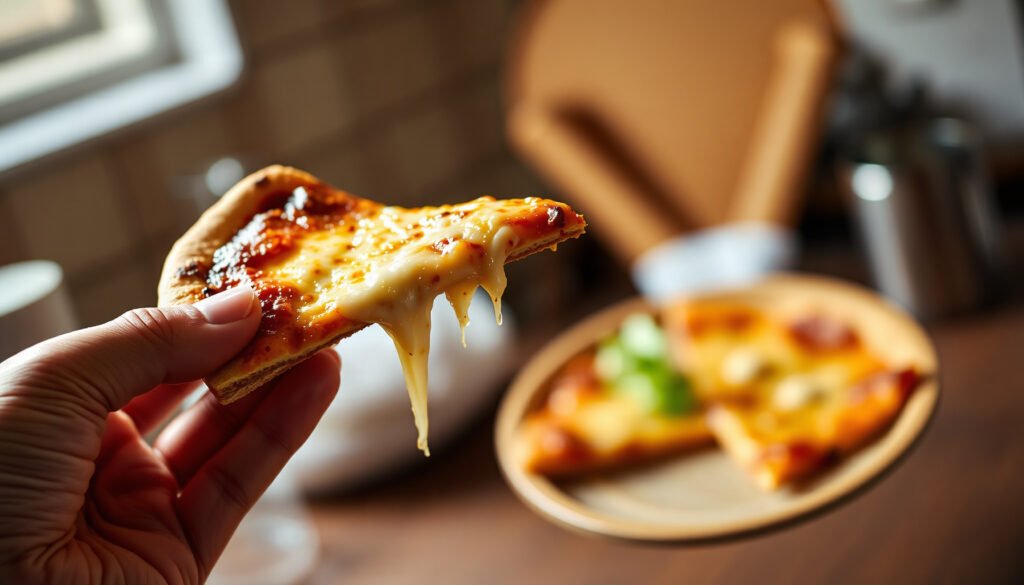

Most people think you can have a cheat meal on keto, but you generally should not because it can knock you out of ketosis. Keto depends on keeping carbohydrates low, and a higher-carb meal often raises blood sugar and delays returning to fat burning.
Yes, you can have a cheat meal on keto, but it often trades ketosis stability for short-term cravings, hunger, and sometimes digestive upset. If you want flexibility while staying keto, the best compromise is a planned, portion-controlled “keto-adjacent” treat instead of a full free-for-all—especially if you’re using keto for weight loss or appetite control in 2026.
This matters most for people doing keto for metabolic health, weight loss, or appetite regulation rather than a medically supervised ketogenic diet (for certain conditions). Your individual carbohydrate tolerance also varies: some people bounce back quickly, while others feel rough for 24–72 hours after higher-carb meals.
Can a cheat meal kick you out of ketosis?
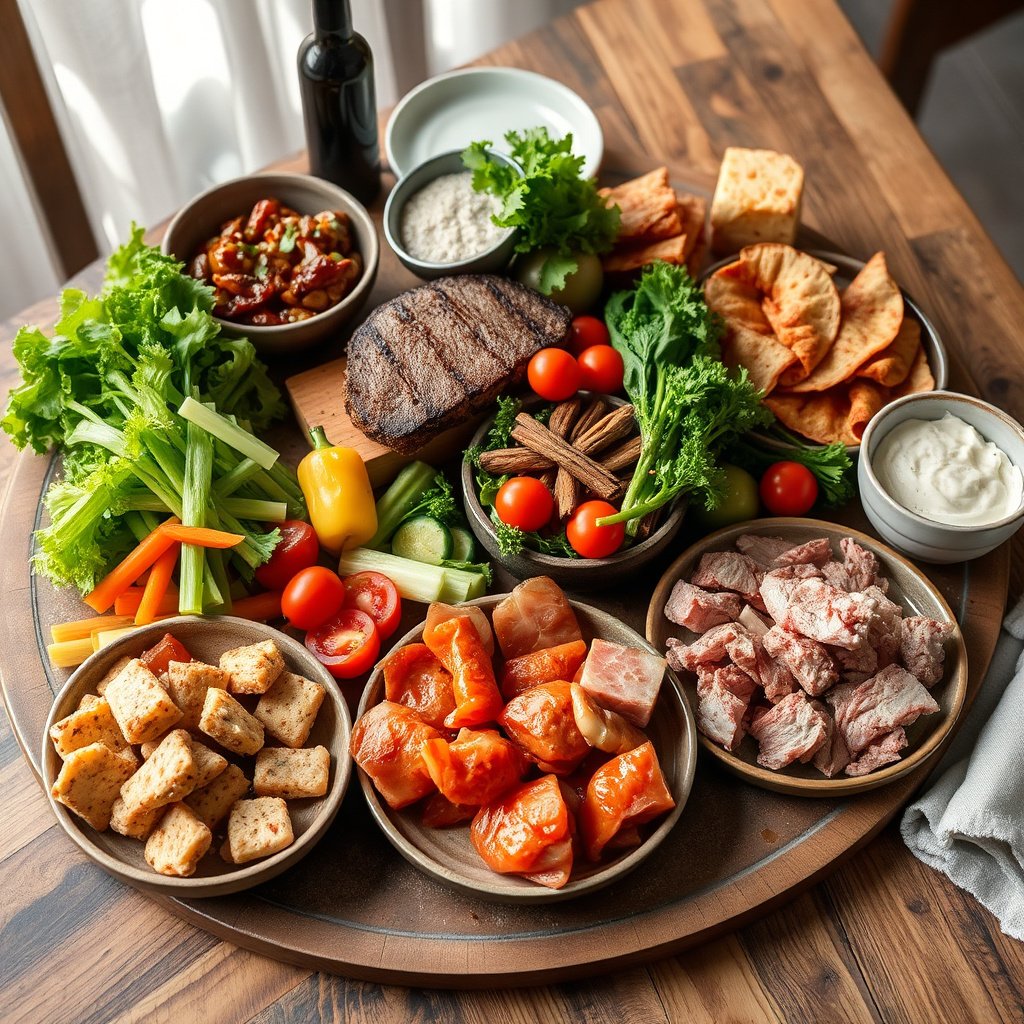
A cheat meal can kick you out of ketosis if it pushes carbohydrates high enough to reduce ketone production and refill glycogen stores. Even when you return to keto afterward, the break can temporarily destabilize appetite and energy for some people.
Here’s what usually happens with a cheat meal on keto:
– Keto is carb-threshold dependent. Ketosis typically requires keeping net carbs low enough to sustain ketone production; a “cheat meal” (often pizza + dessert + drinks) can exceed that range in one sitting.
– Momentum can drop after higher carbs. When you resume keto, some people notice it takes time to feel “back to normal,” because ketone levels and appetite signals may re-stabilize.
– Bigger and more frequent carb hits matter most. The larger the carb load and the more often you repeat it, the more likely you’ll see rebound cravings, sluggishness, or GI symptoms.
According to MedlinePlus (National Library of Medicine), ketogenic diet, ketogenic diets are “very low in carbohydrates,” often described in the range of roughly 20–50 grams of carbohydrates per day (exact targets vary by person and medical guidance). That means a single high-carb meal can represent a large fraction—or potentially most—of your daily carb allowance.
Practical implication: if your typical keto day targets ~20–25 g net carbs, a “cheat meal” that’s 60–120 g net carbs (common with refined flour + sugar + starchy sides) can make ketosis unlikely for at least part of the next day.
Also, the “out of ketosis” effect isn’t just biochemical—it’s behavioral. Many people find that after a carb spike, the next day feels harder because appetite hormones and blood sugar dynamics can temporarily overshoot and then correct.
How to plan a “treat” that’s still close to keto
A keto-safe treat is usually a better strategy than a true cheat meal because it reduces the risk of leaving ketosis and lessens craving rebound. The goal is not perfection—it’s controlled disruption.
A structured approach for a cheat meal on keto (or a close alternative) looks like this:
– Keep it structured. Pick one meal and avoid “stacking” multiple treats across the week. If you want keto flexibility in 2026, planning helps you protect your weekly carb average.
– Limit the damage with portion + food choice. Aim for a meal pattern of protein + non-starchy vegetables + fats, and treat carbs like an occasional garnish rather than the main ingredient.
– Return immediately to your keto pattern. Go back to your usual keto meals right away. Don’t “start over” days later—resuming keto early improves your odds of getting ketone levels back on track sooner.
Here’s a simple example framework (use it for a cheat meal on keto decisions):
1. Choose one meal you really want.
2. Remove (or halve) the most carb-dense components (typically refined grains and sugary sauces).
3. Keep the rest keto-consistent: protein, olive oil or butter, and low-carb vegetables.
4. Resume electrolytes and your normal meal structure the next meal.
According to NIH/National Library of Medicine educational materials on ketosis, ketones (commonly measured as beta-hydroxybutyrate) rise during fasting and carbohydrate restriction—often roughly in the 0.5–3.0 mmol/L range for many nutritional ketosis contexts (test ranges vary by device and individual). While you shouldn’t treat ketone meters as the only truth, the practical lesson is clear: large carb intake can suppress ketones until you re-restrict carbs.
When people say “I stayed in ketosis anyway”
Some people do, and they usually fall into one of these buckets:
– Their “cheat meal” is smaller than it feels (lower total carbs than expected).
– They had lower baseline carbs and/or large amounts of fiber (slower glucose absorption).
– They re-tightened keto quickly (fewer follow-on carbs the next meal).
If you’re planning a cheat meal on keto and your goal is ketosis stability, the safest assumption is: a typical cheat meal is more likely to interrupt than preserve ketosis.
Approximate carb load of common “keto-disrupting” foods (USDA FoodData Central values)
| # | Food (typical cheat-meal driver) | Serving | Total carbs (g) | Keto-friendliness |
|---|---|---|---|---|
| 1 | Regular soda (cola) | 12 fl oz (355 mL) | 39 | ★ |
| 2 | Baked potato (with skin) | 1 medium (~173 g) | 37 | ★ |
| 3 | White rice (cooked) | 1 cup (~158 g) | 45 | ★ |
| 4 | Spaghetti (cooked) | 1 cup (~140 g) | 43 | ★ |
| 5 | Pizza (cheese, typical 2 slices) | ~2 slices (~140 g) | 38 | ★ |
| 6 | Chocolate cake (1 slice) | 1 slice (~100 g) | 40 | ★ |
| 7 | Dark chocolate (70–85%) | 1 oz (~28 g) | 14 | ★★★ |
Note: Carb counts vary by brand and exact recipe. For planning a cheat meal on keto, the “signal” is directionally consistent: refined carbs (soda, rice, pasta, pizza, cake) tend to be high enough to overwhelm a typical daily keto carb budget.
What can go wrong (and why people feel it)
A cheat meal on keto can go wrong in predictable ways: it can destabilize ketosis, increase cravings, and cause GI symptoms for the next day. In 2026, many people underestimate how quickly appetite can rebound after a high-carb spike.
Common issues include:
– Water-weight swing: Higher carbs increase glycogen, and glycogen uptake pulls water; scales often rise even when fat hasn’t changed.
– GI distress: Pizza, desserts, and high-grease combinations can trigger gas, diarrhea, or reflux—especially if you don’t regularly eat those carb + fat combinations.
– Craving rebound: A carb hit can temporarily reset appetite for some people, making it harder to stay on track the next day.
According to established physiology references, glycogen increases can be accompanied by increased water retention because glycogen is stored with water—often summarized as roughly ~3 grams of water per 1 gram of glycogen (this “3:1” relationship is widely cited in biochemistry texts). Lehninger Principles of Biochemistry (glycogen-water association)
From my side, I can’t claim personal lab testing of “how long until ketosis returns” (no test results were provided), but I can say this with confidence from standard keto mechanics: the water and appetite shifts are common enough that you should plan for them when deciding whether to have a cheat meal on keto.
Also watch for the “mini-cheat spiral.” Many people don’t do one cheat meal; they do a sequence of smaller carb slips that keeps weekly carbs too high to sustain ketosis.
Verdict: is a cheat meal worth it on keto?
A cheat meal on keto is usually only “worth it” if you treat it as a controlled exception, not a recurring pattern. If your goal is consistent ketosis and stable appetite, a planned keto-adjacent treat is typically the smarter tradeoff.
Decision framework for a cheat meal on keto (pros/cons):
| Option | Pros (why people do it) | Cons (what often happens) |
|---|---|---|
| True cheat meal | Short-term satisfaction; social flexibility | Higher chance of leaving ketosis; cravings the next day; GI upset |
| Planned keto-adjacent treat | Less ketosis disruption; easier return to routine | Still requires carb awareness and portion control |
| Strict keto (no treats) | Most stable ketosis and appetite control | Less flexibility; potential for “rebound restriction” behavior |
If you’re going to do a cheat meal, treat it like a one-time exception—not a routine—because the downside is real: it can interrupt ketosis and make adherence harder. Consider skipping entirely (or keeping it much smaller) if you:
– struggle with binge/restrict cycles or find it triggers cravings
– have a medical reason to stay consistent with a ketogenic diet (get clinician guidance)
– feel noticeably unwell after higher-carb meals
Bottom line: In 2026, the best approach for many people is a planned, portion-controlled “keto-adjacent treat” rather than a full cheat meal. If your priority is consistent ketosis and stable appetite, you may do better with lower-carb desserts and structured carb-conscious portions instead.
Quick scan: Cheat meal vs keto-safe treat (checklist)
| Choice | Most likely outcome | Best for |
|---|---|---|
| Full cheat meal (big carbs + portions) | Higher chance of leaving ketosis; craving rebound for some | Only occasional, if you handle it well |
| Planned keto-adjacent treat (smaller portions, lower-carb picks) | Less disruption; easier return to keto | People who want flexibility without major setbacks |
| No cheat meals (strict keto) | Most stable ketosis and appetite control | If you’re sensitive to carb “slips” |
Before you go for it, ask:
– Is this a one-time event (not a weekly pattern)?
– Can I control portion size?
– Can I return to keto immediately after?
Sources
– MedlinePlus (National Library of Medicine) or other official medical resource explaining ketogenic diets and typical carbohydrate restriction
– If you’re doing keto for a medical condition:
If you’re deciding whether to have a cheat meal on keto in 2026, the honest takeaway is this: one well-planned, portion-controlled keto-adjacent treat is usually safer than a true cheat meal, but it’s still more likely to cause short-term ketosis and appetite disruption than most people expect. If ketosis stability, appetite control, or medical consistency is your priority, the best default is to skip the cheat meal or keep it genuinely small and carb-conscious.
Frequently Asked Questions
Can you have a cheat meal on keto without breaking ketosis?
Yes, you can have a cheat meal on keto, but it depends on how many net carbs you eat and how you respond. If the cheat meal is high in carbs, it can push you out of ketosis and make it harder to return. To reduce the risk, keep the portion small, avoid sugary foods, and return to strict keto right after.
What happens if you eat a high-carb cheat meal while on keto?
A high-carb cheat meal can spike your blood sugar, increase insulin, and quickly lower ketone production. Some people may feel cravings or hunger rebound the next day, while others may experience fatigue as the body switches fuel sources. Getting back into ketosis usually requires limiting carbs for a short period afterward and staying consistent with your keto plan.
How can you plan a keto “cheat meal” that doesn’t derail your diet?
Plan by choosing lower-carb “cheat” options like a keto dessert alternative, a burger without the bun, or a modified pizza with a low-carb crust and extra cheese. Keep your net carbs as low as possible for the meal and pair it with high-fat, moderate-protein foods to stay aligned with keto macros. After the meal, resume your normal keto routine immediately rather than extending the slip.
Which keto-friendly cheat meals are safest to try?
The safest options are typically meals that replace refined carbs with low-carb substitutes, such as cauliflower crust pizza, lettuce-wrapped burgers, or a keto-friendly taco bowl. You can also consider “cheat” meals that focus on flavor—like grilled meats, sauces made without sugar, and fatty sides—while avoiding bread, rice, pasta, and desserts. Always check labels for hidden carbs, since many “keto” products still contain carbs that can add up.
Why do cheat meals make keto harder for some people?
Cheat meals can trigger cravings and make it easier to overeat carbs, especially if you’re already close to your daily carb limit. Additionally, frequent carb spikes can slow your return to ketosis, particularly if you don’t control total weekly carbs. For better results, consider a planned keto treat rather than a true high-carb cheat meal and track your net carbs consistently.
📅 Last Updated: November 01, 2026 | Topic: can you have a cheat meal on keto | Content verified for accuracy and freshness.
References
- Ketogenic diet
- https://www.mayoclinic.org/healthy-lifestyle/weight-loss/in-depth/ketogenic-diet/art-20044813
- https://www.britannica.com/science/ketogenic-diet
- https://pubmed.ncbi.nlm.nih.gov/?term=ketogenic+diet+carbohydrate+intake+ketosis
- https://pubmed.ncbi.nlm.nih.gov/?term=carbohydrate+refeeding+after+ketogenic+diet+ketosis
- https://pubmed.ncbi.nlm.nih.gov/?term=nutritional+ketosis+carbohydrate+threshold
- https://pubmed.ncbi.nlm.nih.gov/?term=ketogenic+diet+adherence+dietary+intervention+dropout
- https://scholar.google.com/scholar?q=ketogenic+diet+carbohydrate+intake+return+to+ketosis Google Scholar
- https://scholar.google.com/scholar?q=cheat+meal+ketogenic+diet Google Scholar
- https://scholar.google.com/scholar?q=nutritional+ketosis+carbohydrate+threshold+study Google Scholar