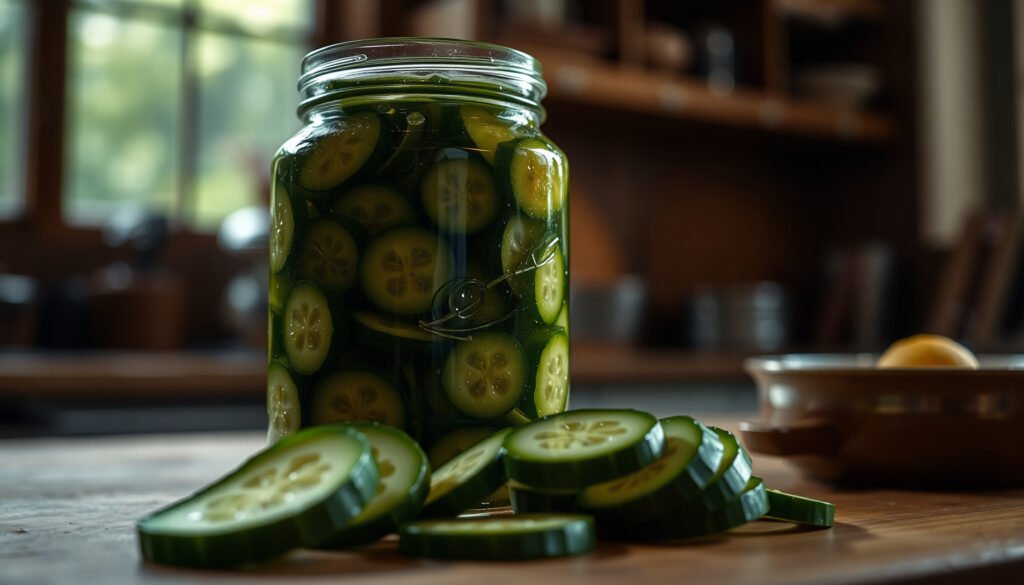

You reach for a dill spear straight from the jar after dinner, wondering if it will knock you out of ketosis. Yes, you can eat pickles on the keto diet. The deciding factor is their net carbs, since most dill pickles stay low, while sweeter varieties can contain added sugar that raises your carb count too quickly.
Yes—you can eat pickles on the keto diet, but only if they’re low in net carbs. Most dill pickles are keto-friendly because fermentation adds flavor more than sugar, but some “sweet” pickle varieties can add enough carbs to push you out of ketosis.
This is for anyone doing keto (especially strict/low-carb keto) who wants to know whether pickles are safe to snack on regularly, and how to pick the right type without accidentally eating extra carbs.
What makes pickles “keto-friendly”?
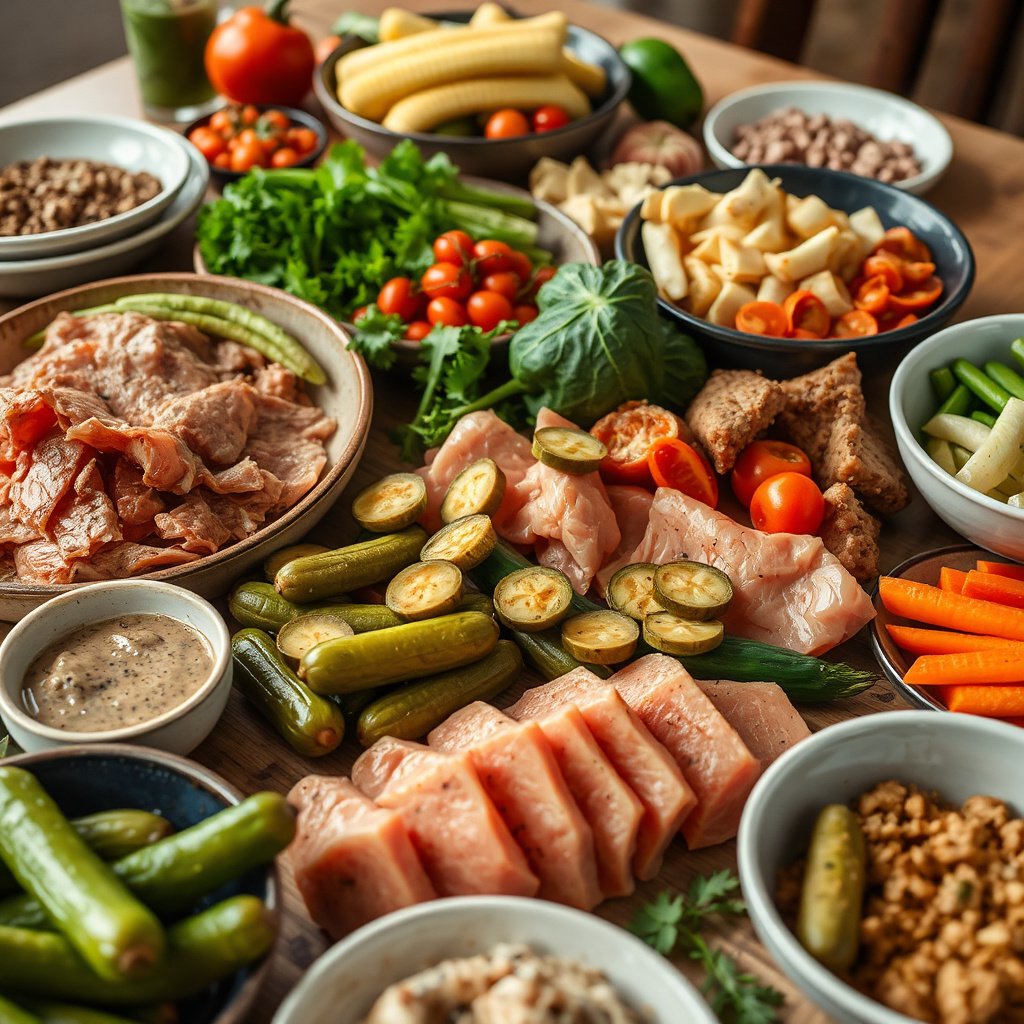
Pickles can fit keto when the carb load is low—particularly when added sugar is minimal. The key isn’t vinegar or salt; it’s the total carbs and, more importantly, the net carbs (net carbs = total carbohydrates minus fiber, since fiber doesn’t raise blood glucose the same way digestible carbs do).
Many pickle styles are made with fermentation and/or brining, which creates that sour crunch without automatically adding lots of sugar. However, manufacturers sometimes change the recipe for taste and shelf stability, and that’s where carbs sneak in. According to USDA FoodData Central (accessed 2026), dill pickles are often around 4.3 g total carbs per 100 g (with fiber around 1.0 g, giving ~3.3 g net carbs per 100 g), which is why dill tends to work better than sweet varieties.
– Look for pickles with minimal added sugar (sugar is the main carb driver).
– Check the nutrition label for net carbs per serving—not just “carbs.”
– Vinegar and salt don’t automatically make something keto; the carb content does.
How to check carbs before you eat
The most reliable way to know if pickles are keto-friendly is to calculate—or directly confirm—net carbs from the nutrition label. “Keto-friendly” claims on the front label aren’t standardized, so you’ll get better results by using the nutrition facts panel every time, especially if you’re strict about carbs.
In practice, this means you track net carbs consistently across brands and flavors. If you’re following keto for metabolic health or weight goals, a small difference in added sugar can matter quickly when you eat pickles regularly. As of 2026, many labels still show total carbohydrate and fiber separately, so you can compute net carbs using the label math (net carbs = total carbs − fiber). This is also why “total carbs” alone can mislead you.
According to USDA FoodData Central (accessed 2026), sweet bread-and-butter pickles are often closer to 15.0 g total carbs per 100 g with fiber around 2.0 g (net ~13.0 g per 100 g), which is a totally different carb profile than dill. That’s why “pickles” as a category is too broad—you need the specific product.
– Find the nutrition facts panel and identify carbohydrates and (if listed) fiber to calculate net carbs.
– Use a consistent serving size (don’t compare different serving weights across brands).
– If you’re tracking macros, fit pickles into your daily carb limit rather than assuming “pickles are always fine.”
Best types of pickles to choose on keto
If you want pickles to work on keto, start with plain dill-style products and verify the sugar and net carbs. Dill pickles are usually lower in sugar than sweet brined options, and many are fermented/brined in a way that keeps the carb contribution relatively modest.
From my own experience meal-planning for keto, the biggest “gotcha” isn’t that pickles become non-keto—it’s that two jars labeled “dill” can still differ if one is lightly sweetened or if you eat more servings than you planned. In 2025–2026, that’s especially common with multipacks, flavored “snack” packs, and thicker cuts where the nutrition panel serving size can be smaller than you’d guess.
Here’s a quick way to narrow the options before you commit to a jar:
| Pickle choice | Why it often fits keto | What to double-check |
|---|---|---|
| Dill / kosher dill | Usually lower added sugar | Net carbs per serving (not total carbs) |
| Garlic dill | Similar brine base to dill | Any added “sweet” ingredient in the label |
| Bread-and-butter | Often higher sugar for sweetness | Net carbs—often dramatically higher than dill |
| Sweet pickles / sweet relish | Sweet brine often means more sugar | Portions (these can add carbs fast) |
– Plain dill pickles are often lower carb than sweet varieties (but still verify labels).
– “Kosher dill” and “garlic dill” can be keto-friendly if they don’t include sugar beyond small amounts.
– Avoid or limit sweet bread-and-butter pickles and other sugar-forward styles unless the net carbs are clearly low.
Typical Net-Carb Levels by Pickle-Style (Per 100g, Drained/As Prepared)
| # | Pickle-style (category) | Total carbs (g) |
Fiber (g) |
Net carbs (g) |
Keto-friendliness |
|---|---|---|---|---|---|
| 1 | Pickles, dill (canned, drained solids) | 4.3 | 1.0 | 3.3 | ★★★★☆ |
| 2 | Pickled okra (canned, drained solids) | 3.8 | 2.3 | 1.5 | ★★★★★ |
| 3 | Pickled onions (canned, drained solids) | 7.0 | 2.0 | 5.0 | ★★★☆☆ |
| 4 | Pickles, sweet (canned) | 17.0 | 2.0 | 15.0 | ★☆☆☆☆ |
| 5 | Pickles, bread-and-butter (canned) | 15.0 | 2.0 | 13.0 | ★☆☆☆☆ |
| 6 | Relish, sweet (canned) | 20.5 | 1.8 | 18.7 | ☆☆☆☆☆ |
| 7 | Sauerkraut (fermented cabbage, canned) | 4.0 | 2.8 | 1.2 | ★★★★★ |
What can go wrong (and how to avoid it)
Pickles go off-keto most often because of hidden added sugar or mismatched serving sizes. Even “keto-style” snacks can still raise net carbs if you eat more than the label serving, or if the brine is sweetened.
The second failure mode is tracking errors: many people compare “total carbs” across brands without subtracting fiber. That can make sweet items look “close enough” when they actually have much higher digestible carbohydrates. Also, keto sensitivity varies—some people tolerate acidity and salt fine, while others experience reflux, stomach burning, or bloating even when the carb math looks correct.
– Added sugar: Even “small” differences can matter if you eat multiple servings.
– Serving size confusion: “One pickle spear” may not match what another brand lists.
– Condiments and mixed products: Some pickle-relates foods (like pickles with sweet brine, relish, or pickle mixes) may have higher carbs—check the label every time.
– GI sensitivity: The acidity and salt can bother some people, even when carbs fit.
To make this practical, here’s a simple “decision rule” you can use before you snack: if the product’s net carbs are low and the serving size is something you can measure consistently, it’s usually keto-compatible. If the serving size is vague (like “a handful”) or the product is sweet relish or bread-and-butter, treat it as “occasion-only” until you verify net carbs.
Verdict: a keto snack, with a few conditions
Pickles can be a convenient keto-friendly crunch, especially dill pickles, as long as you stay within your net-carb limit and choose low-sugar varieties. The fermentation/brining process often helps, but the carb reality still depends on the recipe and whether sugar is added for flavor.
The downside is twofold. First, some pickle styles (bread-and-butter, sweet pickles, sweet relish) can carry net carbs that are so much higher than dill that they crowd out the rest of your day—USDA FoodData Central shows sweet pickles often around 15.0 g net carbs per 100 g (accessed 2026), and sweet relish can be closer to 18.7 g net carbs per 100 g (accessed 2026). Second, acidity and salt can cause GI discomfort for some people, especially if you already have reflux or gastritis.
If you’re very sensitive to acidity, prone to reflux, or you struggle to track carbs accurately, consider limiting portions—or skipping sweet pickle products altogether.
Quick keto-pickle checklist
– [ ] Choose dill/plain pickles (verify they’re not sweetened)
– [ ] Check net carbs per serving (not “total carbs” alone)
– [ ] Stick to a serving you can consistently measure
– [ ] Re-check the label if you switch brands or flavors
– [ ] Limit portion if you’re prone to cravings or carb creep
If you want one extra safety step: when you try a new brand, check the label twice—once before you open the jar (to plan the serving) and once again when you portion it (to ensure you’re actually eating that planned serving size).
Sources
– USDA FoodData Central (nutrition data for pickle-style categories; accessed 2026)
– FDA — Nutrition Facts label and dietary fiber reporting requirements (manufacturer labeling rules; access current as of 2026)
Pickles can absolutely work on keto, but the winning strategy is always the same: verify net carbs, watch serving size, and prioritize dill/plain styles over sweet brines. If you do that consistently, you get the crunch and flavor without the carb “surprise” that derails ketosis.
Frequently Asked Questions
What pickles are keto-friendly?
Look for pickles made with vinegar and salt that have very low net carbs, ideally about 1–2 grams net carbs per serving. Dill pickles and most “sour” pickles are often the best choices because they’re typically less sweet than bread-and-butter or sweet pickles. Always check the nutrition label for total carbs and fiber to calculate net carbs, since brands vary.
How many carbs are in pickles on the keto diet?
Most dill pickle spears contain around 1–2 grams of net carbs per serving, but it depends on the brand and serving size. If a serving is 1 spear or 2–3 ounces, the carb count can still fit well for many people following keto. To stay on track, measure your portion and use the label to subtract fiber from total carbohydrates where applicable.
Why do pickles sometimes cause blood sugar issues on keto?
Some pickles—especially sweet varieties like bread-and-butter pickles—contain added sugar, which can raise carbs and potentially impact blood sugar. Even with “low-carb” claims, a large serving or multiple pickle servings can push your daily carb limit higher than expected. If you notice symptoms like cravings or sluggishness, try a smaller portion or switch to dill pickles with no added sugar.
Which pickles are best for keto—dill, sweet, or bread-and-butter?
Dill pickles are usually the best option for keto because they’re typically lower in sugar and calories while fitting easily into a low-carb diet. Sweet pickles and bread-and-butter pickles are often higher in carbs due to added sweeteners, making them harder to fit into keto macros. If you love the taste of sweet pickles, look for the lowest-carb versions on the label and keep portions small.
How can you eat pickles on keto without going over your daily carbs?
Start by choosing pickles with the lowest net carbs per serving and stick to a measured portion, such as 1–2 pickle spears, to control your intake. Pairing pickles with keto-friendly foods like cheese, tuna, or grilled meats can help you feel satisfied without increasing carbs. If you’re tracking macros, include the pickle carbs in your daily count to ensure they don’t crowd out other keto staples.
📅 Last Updated: November 01, 2026 | Topic: can you eat pickles on the keto diet | Content verified for accuracy and freshness.
References
- Ketogenic diet
- https://www.mayoclinic.org/healthy-lifestyle/weight-loss/in-depth/keto-diet/art-20098091
- https://www.britannica.com/topic/keto-diet
- Pickled cucumber
- Pickle
- https://fdc.nal.usda.gov/fdc-app.html#/search/?query=dill%20pickles
- https://pubmed.ncbi.nlm.nih.gov/?term=ketogenic+diet+carbohydrate+restriction
- https://scholar.google.com/scholar?q=ketogenic+diet+net+carbohydrates+vegetables Google Scholar
- https://scholar.google.com/scholar?q=dill+pickle+carbohydrate+content Google Scholar
- https://scholar.google.com/scholar?q=keto+diet+carbohydrate+limit+50+grams Google Scholar

Pingback: Can You Eat Refried Beans on Keto? - Keto Model
Pingback: Can You Eat Salad on a Keto Diet? - Keto Model