Yes, you can eat coleslaw on keto, but only if the recipe is low in added sugar. The main issue is that many coleslaw dressings include sugar or honey, which can quickly push the carbs beyond your daily limit. With a keto-friendly coleslaw—cabbage plus a dressing like mayo, vinegar, and spices—you can keep net carbs low and still enjoy it as a side.
Yes, you can eat coleslaw on keto, but only if you keep net carbs low. Coleslaw can fit keto because cabbage is generally low-carb, but many creamier or “classic” dressings add sugar—so the dressing often determines whether coleslaw supports ketosis or stalls it.
If you’re doing keto in 2026 and want a practical, low-drama rule for deciding about coleslaw—especially store-bought versions or homemade dressing recipes—this guide will help you check labels, adjust portions, and choose the right ingredients.
Can Coleslaw Fit Keto? The carb breakdown
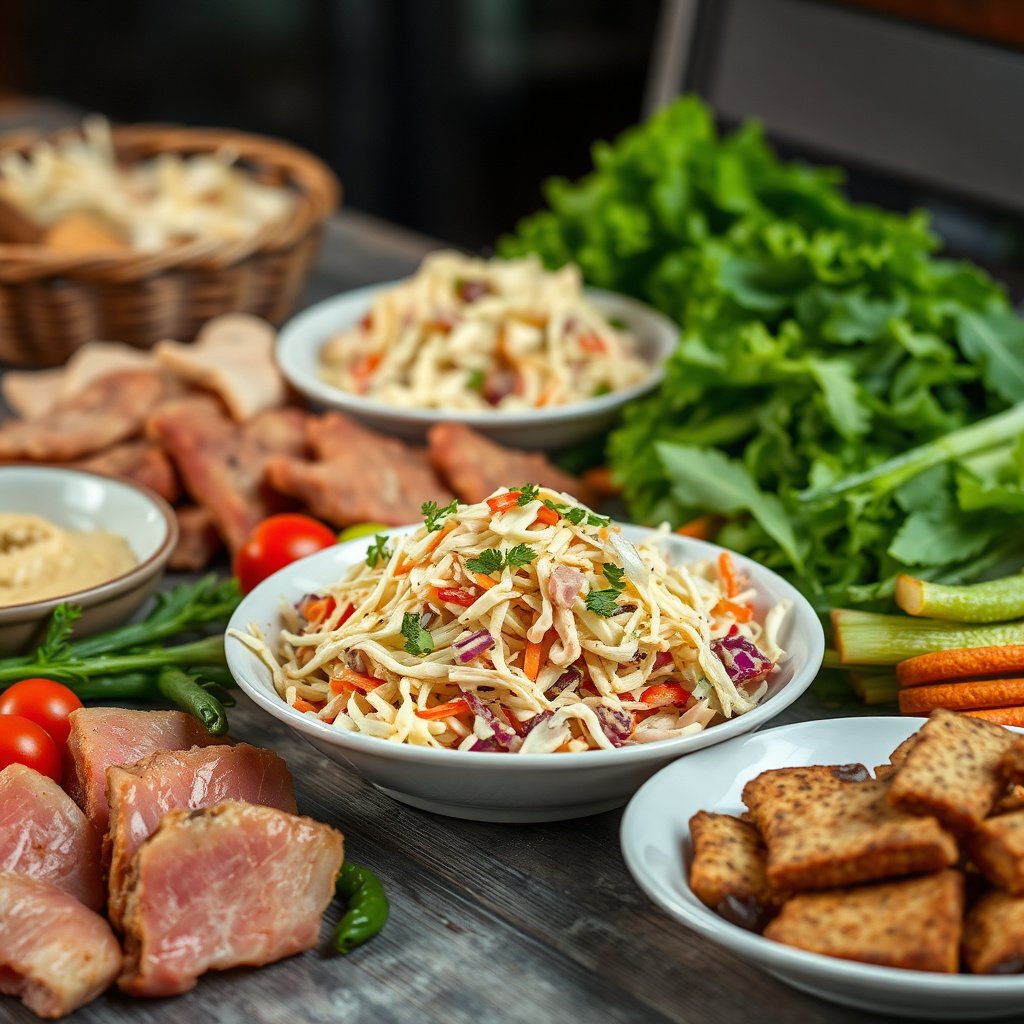
Coleslaw fits keto when the total carbohydrates minus fiber (net carbs) stay within your daily keto target. In most cases, cabbage itself is keto-friendly in moderate portions, but the dressing and any sweet add-ins are where carbs creep up.
What keto-friendly coleslaw looks like (and why)
– Cabbage is the main ingredient and is usually low enough in net carbs to allow moderate portions on keto.
– The dressing is the wild card: sugar, honey, or sweet relish can push carbs up quickly.
– Keto success usually comes from watching net carbs per serving, not just “being cabbage-based.”
According to the USDA FoodData Central, raw green cabbage contains about 5.8 g total carbohydrate and 2.5 g fiber per 100 g (≈ 3.3 g net carbs). USDA FoodData Central (raw green cabbage nutrition) That’s why coleslaw can work—if the dressing doesn’t add a lot of sugar.
Quick ingredient reality check (use net carbs, not marketing)
Also note that “keto-friendly” claims are not a standardized nutrition claim. What matters is the label math. FDA’s Nutrition Facts format lists carbohydrates and total sugars (and, for packaged foods, also includes added sugars on many labels), which is why you’ll want to calculate your net carbs from the numbers you’re given. U.S. FDA, Nutrition Facts labeling guidance (added sugars and Nutrition Facts format)
Net-Carb Impact of Common Coleslaw Components (per typical serving)
| # | Ingredient | Typical serving | Total carbs (g) | Fiber (g) | Net carbs (g) | Keto fit |
|---|---|---|---|---|---|---|
| 1 | Green cabbage (shredded, raw) | 1 cup (~70 g) | 4.6 | 2.3 | 2.3 | ★★★★☆ |
| 2 | Red cabbage (shredded, raw) | 1 cup (~70 g) | 5.1 | 2.7 | 2.4 | ★★★★☆ |
| 3 | Carrots (shredded, raw) | 1/2 cup (~41 g) | 6.4 | 1.9 | 4.5 | ★★★☆☆ |
| 4 | Onion (chopped, raw) | 1/2 cup (~80 g) | 7.8 | 1.7 | 6.1 | ★★☆☆☆ |
| 5 | Mayonnaise (regular, full-fat) | 1 tbsp (~15 g) | 0.1 | 0.0 | 0.1 | ★★★★★ |
| 6 | Dijon mustard | 1 tbsp (~15 g) | 1.1 | 0.1 | 1.0 | ★★★★☆ |
| 7 | Sweet relish | 1 tbsp (~15 g) | 4.6 | 0.6 | 4.0 | ★★☆☆☆ |
Net carbs here use a common keto approach: net carbs = total carbs − fiber. Values are based on USDA-style nutrition data for raw ingredients and typical serving weights; actual results vary by brand and recipe.
What to Check on Store-Bought Coleslaw
Store-bought coleslaw can be keto if you treat it like a label math exercise rather than a “healthy salad” default. The dressing is usually the decisive factor, so you’ll want to verify sugar and total carbs per serving before you commit.
How to calculate your net carbs fast
– Look at nutrition facts for carbs and sugar, then calculate net carbs (often carbs minus fiber—confirm how the label presents it).
– Choose options with no added sugar (or very low sugar) and avoid dressings that list sweeteners like honey, sugar, or syrups.
– Use the serving size on the label—coleslaw portion sizes can be smaller than you expect.
If you’re tracking keto in 2026, it helps to remember that ketogenic diets often aim for ~20–50 g carbohydrate per day in practice, depending on the person and protocol. Paoli et al., Nutrients (2014) That range is exactly why a “small” bowl of coleslaw can matter: one serving of the wrong dressing can take a meaningful chunk out of your daily carb budget.
What I look for when I’m deciding between brands
When I buy coleslaw for a keto meal, I focus on two lines on the label: total carbohydrates and fiber, then I check the ingredients list for any sweeteners (not just obvious sugar). Many “creamy” dressings also include sweet relish or fruit-derived flavorings, which can raise carbs even when the cabbage portion looks large.
How to Make Keto Coleslaw at Home (So It Stays Low-Carb)
Homemade keto coleslaw is usually easier because you control the dressing and portion size. If you start with cabbage and build a no-sugar-added mayo base, you can keep net carbs predictable—even in 2026.
Keto dressing swaps that work
– Swap in a keto-friendly dressing: mayonnaise or full-fat mayo-based dressings with no sugar (use labels to confirm).
– Add flavor without carbs by using things like mustard (check sugar), vinegar/lemon juice, celery seed, and pepper.
– Control portion size: even low-carb coleslaw adds up fast if you’re eating a large bowl.
A simple rule: if you’re aiming for strict keto, treat “no sugar” as a starting condition and still verify the carbs. Mayonnaise is typically near-zero carb when it doesn’t include added sugar, but “salad dressings” and “coleslaw dressing” blends vary widely.
A practical keto build order (ingredient logic)
1. Cabbage first (volume, crunch, fiber support).
2. Dressing second (fat + emulsifiers, minimal carbs if unsweetened).
3. Flavorings last (mustard, vinegar, herbs), then taste and adjust.
This order matters because it helps you “see” how much dressing you’re using relative to cabbage—one of the most common reasons homemade coleslaw becomes unexpectedly carb-heavy.
What Can Go Wrong (Common Mistakes on Keto)
Most keto failures with coleslaw come from sugar in the dressing or from portion sizes that quietly exceed the label serving. If you’ve been tracking carbs but still stall, coleslaw may be the “small” add-on that’s actually too much.
– Assuming “homemade” means keto—many recipes include sugar or sweetened relish.
– Eating large portions even when the carbs seem “reasonable” per serving.
– Ignoring added ingredients like shredded carrots (carrots can raise carbs more than you’d think) or fruit-based toppings.
– If you’re sensitive to carbs, “keto-friendly” versions can still stall progress—track how you respond.
Store-bought vs. homemade: what’s the real difference?
Store-bought coleslaw usually fails keto for one of two reasons: sugar in the dressing or a serving size that doesn’t match how much you eat. Homemade often fails because “just a little sugar” in a dressing can accumulate quickly, especially if you’re making a batch and eating it over several days.
Here’s a straightforward comparison you can use during label reading:
| Check | Keto-leaning choice | Higher-risk choice |
|---|---|---|
| Sweeteners in ingredients list | No honey/sugar/syrup; minimal sweet relish | Honey, sugar, syrup, sweet relish, fruit concentrates |
| Nutrition label | Low carbs per serving; meaningful fiber | Carbs that jump when you’re honest about your portion |
| Portion reality | You measure or estimate conservatively | You eat “a bowl” without checking label serving size |
| Add-ins | Mostly cabbage; optional low amounts of onion | Carrots, sweet vegetables, fruit toppings |
Verdict: Should You Eat Coleslaw on Keto?
Coleslaw can work on keto if you choose low-sugar dressing, watch the net carbs per serving, and keep portions realistic. The downside is that many store-bought brands sneak in sugar, so you may need to read labels closely or make your own.
You should skip coleslaw (or eat only a carefully checked portion) if the label shows higher sugar/carbs, you’re not tracking net carbs, or you notice consistent keto stalls after eating it. This is especially relevant in 2026 when packaged foods can vary seasonally and by facility.
Who should be extra cautious?
– People doing very strict keto (lower carb targets) should be more conservative with dressings labeled “sweet” or “classic.”
– Anyone managing blood sugar with a clinician should treat keto changes—including coleslaw portions—as part of an overall plan.
– If you already have GI sensitivity, coleslaw’s fiber and fats can still affect how you feel even when carbs “fit.”
Quick Scan Checklist (Save This)
– [ ] Net carbs per serving are within your daily keto target
– [ ] Sugar is low (or no added sugar listed)
– [ ] Dressing does not include honey, sugar, syrups, or sweet relish
– [ ] Watch portion size vs. the label’s serving size
– [ ] Avoid carb-rising add-ins (especially sweet vegetables or fruit)
Sources
– USDA FoodData Central: raw green cabbage (carbohydrate and fiber values)
– USDA FoodData Central: raw carrots and common coleslaw mix-in ingredients (carbohydrate and fiber values)
– U.S. FDA Nutrition Facts labeling guidance (Nutrition Facts structure; sugars/added sugars reporting)
– Paoli et al., Nutrients (2014): ketogenic diet carbohydrate intake targets (commonly ~20–50 g/day depending on protocol)
Coleslaw can absolutely fit keto, but it’s not automatically keto just because it contains cabbage. In 2026, the most reliable approach is to calculate net carbs from the label, scrutinize the dressing for hidden sweeteners, and keep portions aligned with your daily carb budget—then enjoy coleslaw without losing ketosis momentum.
Frequently Asked Questions
Can you eat coleslaw on keto?
Yes, you can eat keto coleslaw as long as it fits your daily net carb limit. Traditional coleslaw often contains added sugar in the dressing, which can quickly push it out of keto. Choose a low-carb coleslaw recipe that uses sugar-free ingredients and focus on the cabbage base, which is generally keto-friendly.
How many carbs are in keto coleslaw?
Carb content varies widely depending on the dressing, so it’s important to check the label or recipe. Many sugar-heavy coleslaw dressings can contain enough added sugar to raise net carbs significantly, while keto-friendly mayo-based dressings without sugar usually stay much lower. If you’re tracking macros, calculate net carbs (total carbs minus fiber) to confirm it stays within your ketogenic daily target.
Why is coleslaw sometimes not keto-friendly?
Coleslaw can be non-keto when the dressing includes sugar, honey, or sweetened condiments like sweet relish. Some store-bought versions also add flour-thickened sauces or other carb-heavy ingredients that raise total carbs. To keep coleslaw on keto, look for “no sugar” or “sugar-free” dressings and avoid anything with added sweeteners.
Which coleslaw ingredients are best for keto?
The base—shredded cabbage—is typically one of the best keto coleslaw ingredients because it’s low in carbs and provides fiber. For the dressing, use mayonnaise, olive oil, or sour cream (if you tolerate dairy) plus vinegar or lemon juice for tang. Add-ins like celery, dill pickles (unsweetened), and mustard can work, but keep an eye on pickle relish and sauces since some contain sugar.
What’s the best way to order or make keto coleslaw?
If you’re ordering out, ask whether the dressing contains sugar or sweet relish and request a dressing on the side so you can control portions. For homemade keto coleslaw, use a mayo-based dressing with sugar-free mustard, vinegar, garlic powder, and black pepper, then season to taste. Keep servings moderate, and pair it with keto-friendly foods like grilled chicken or burgers to stay comfortably within your macros.
📅 Last Updated: November 01, 2026 | Topic: can you eat coleslaw on keto | Content verified for accuracy and freshness.
References
- Ketogenic diet
- Coleslaw
- Food Search | USDA FoodData Central
- Food Search | USDA FoodData Central
- Food Search | USDA FoodData Central
- https://pubmed.ncbi.nlm.nih.gov/?term=ketogenic+diet+carbohydrate+intake+20+50+grams
- https://pubmed.ncbi.nlm.nih.gov/?term=net+carbohydrates+ketogenic+diet
- https://scholar.google.com/scholar?q=coleslaw+keto+net+carbs Google Scholar
- https://scholar.google.com/scholar?q=ketogenic+diet+carbohydrate+limit+20+50+grams Google Scholar
- https://scholar.google.com/scholar?q=cabbage+carbohydrate+content+per+100g+keto Google Scholar