
Chickpeas are generally not considered keto-friendly due to their high carbohydrate content. However, understanding how to incorporate them in small amounts and the nutritional benefits they offer can help you make informed dietary choices. This article will explore whether chickpeas can fit into a keto lifestyle and provide alternatives that align better with low-carb eating.
Understanding the Keto Diet
The ketogenic diet is a low-carb, high-fat eating plan that aims to enter ketosis, a metabolic state where the body burns fat for fuel. By drastically reducing carbohydrate intake and replacing it with fat, the body begins to rely on ketones, produced from fat, as its primary energy source. Typical carbohydrate intake on keto is around 20-50 grams per day, making high-carb foods like chickpeas difficult to fit into this framework. The restriction on carbs is crucial for achieving and maintaining ketosis, which is why foods that are dense in carbohydrates, such as chickpeas, can pose a challenge for individuals adhering to this dietary approach.
Nutritional Profile of Chickpeas
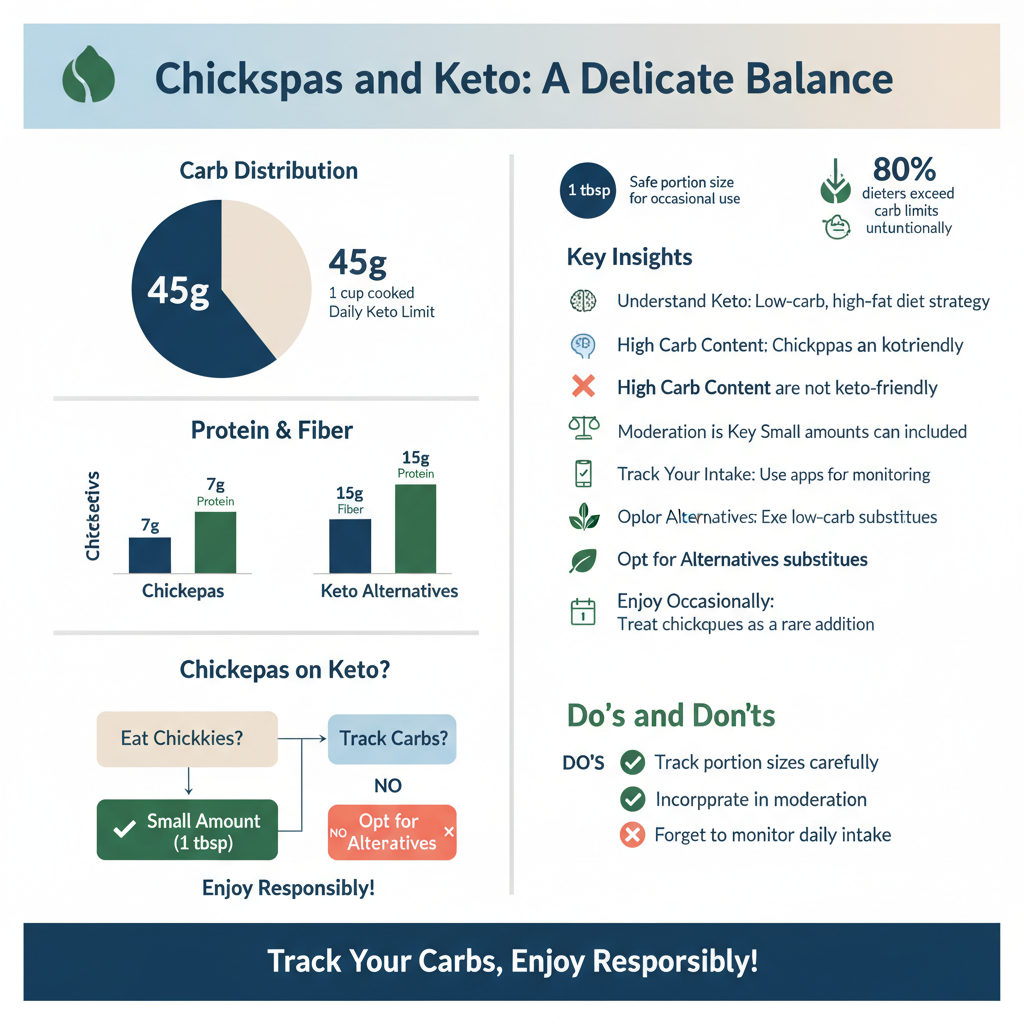
A one-cup serving of cooked chickpeas contains approximately 45 grams of carbohydrates, which is significantly higher than what most keto dieters can afford. In addition to their high carb content, chickpeas are rich in protein, fiber, vitamins, and minerals, including folate, iron, and magnesium, providing some health benefits. The fiber found in chickpeas can aid in digestion and promote feelings of fullness; however, it also contributes to the overall carbohydrate count. For those following a strict ketogenic diet, even the beneficial aspects of chickpeas may be overshadowed by the challenge of fitting them within the daily carbohydrate limit.
Can You Include Chickpeas in a Keto Diet?
If consumed in moderation, very small portions of chickpeas might be incorporated into a keto diet, but careful tracking of daily carb intake is essential. For instance, adding just a tablespoon of mashed chickpeas to a salad could provide flavor and texture without significantly impacting carbohydrate goals. However, this should be done with caution, as the cumulative effect of small portions can lead to exceeding daily limits. Consider using chickpeas as an occasional treat rather than a staple food to minimize their impact on your carbohydrate goals. Additionally, using tools such as food diaries or apps can help in monitoring intake and ensuring you remain within your targets.
Keto-Friendly Alternatives to Chickpeas
When looking for alternatives that are more aligned with a ketogenic lifestyle, several low-carb legumes and vegetables can provide similar texture and nutrients without the excessive carbohydrate load. For example, black soybeans offer a rich source of protein and fiber with only about 1 gram of net carbs per half-cup serving, making them a perfect substitute. Other alternatives include cauliflower, which can be roasted or mashed, or zucchini, which can be spiralized for a pasta-like effect. Pureed avocado is another versatile option that can mimic the creaminess of chickpeas in recipes while providing healthy fats. These substitutes can be creatively utilized in various dishes, allowing you to enjoy the flavors and textures you love without jeopardizing your keto goals.
Recipe Ideas Using Chickpeas Sparingly
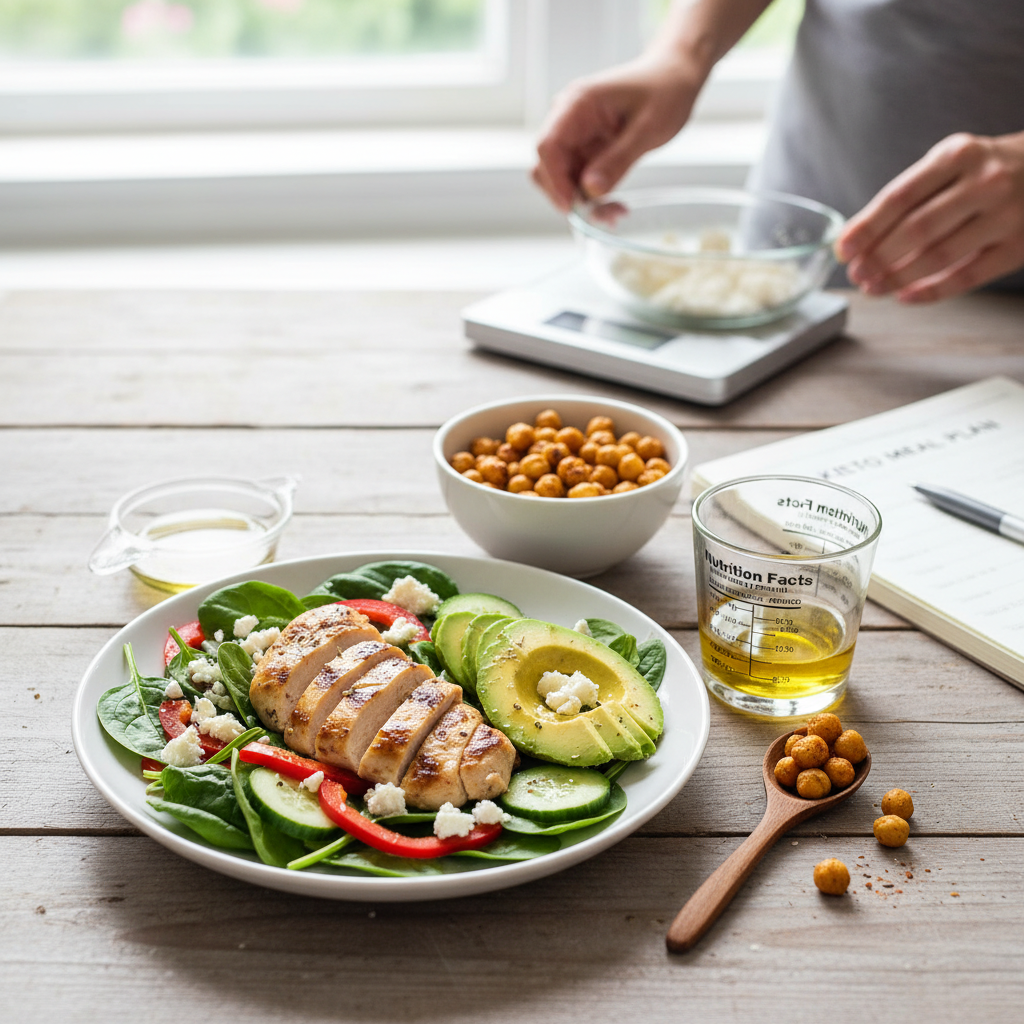
If you are keen on incorporating chickpeas into your meals, consider recipes where they are used as a garnish or flavor enhancer rather than the main ingredient. For instance, you can create a vibrant salad topped with a small portion of chickpeas, balanced with an abundance of low-carb vegetables like spinach, cucumbers, and bell peppers. Pair these with a keto-friendly dressing made from olive oil, vinegar, and herbs to enhance flavor without adding excess carbohydrates. Alternatively, you could make a chickpea salad but ensure that the majority of the dish is made up of leafy greens and other low-carb ingredients. This way, you can enjoy the taste of chickpeas while keeping your overall carb count in check.
Conclusion
While chickpeas are not typically keto-friendly due to their high carbohydrate content, understanding how to use them in moderation can allow for flexibility in your diet. By incorporating small quantities as garnishes or flavor enhancers and exploring low-carb alternatives, you can still enjoy a wide variety of flavors and textures in your meals. For those committed to a strict keto lifestyle, the suggested substitutes can provide delicious options that align with your nutritional needs while helping you stay within your carbohydrate limits. Whether you choose to indulge in a small serving of chickpeas occasionally or opt for low-carb alternatives, mindful eating is key to maintaining both health and dietary goals.
Frequently Asked Questions
Can you eat chickpeas on keto without exceeding your carb limit?
While chickpeas are a nutritious legume packed with protein and fiber, they are relatively high in carbohydrates, which can make them challenging to fit into a strict ketogenic diet. A one-cup serving of cooked chickpeas contains about 45 grams of carbs, significantly exceeding the typical daily carb limit of 20-50 grams on keto. If you choose to include chickpeas, it’s essential to consume them in moderation and consider using smaller portions, such as a tablespoon or two, to limit carb intake.
How can I incorporate chickpeas into a keto diet?
If you’re determined to include chickpeas in your keto meal plan, opt for smaller amounts and combine them with low-carb ingredients. For example, you can use a few chickpeas in salads, stews, or as toppings for keto-friendly dishes. Alternatively, you might try chickpea flour in small quantities for baking, but be cautious with portion sizes to stay within your carb limits.
Why are chickpeas generally not recommended for a ketogenic diet?
Chickpeas are high in carbohydrates, which is a primary concern for those following a ketogenic diet. The goal of keto is to enter a state of ketosis, where the body burns fat for fuel instead of carbohydrates. Consuming too many carbs can disrupt ketosis, making it difficult to achieve the desired weight loss and metabolic benefits associated with the diet. Therefore, it’s advisable to choose lower-carb foods to maintain your keto goals effectively.
What are some keto-friendly alternatives to chickpeas?
If you’re looking for alternatives to chickpeas that are more suitable for a ketogenic diet, consider options like cauliflower, zucchini, or even hemp seeds. These substitutes can provide similar textures and flavors without the high carb content. For instance, cauliflower can be used to make “cauliflower hummus,” which retains the essence of chickpea hummus but fits better within keto guidelines.
Which legumes are safe to eat on a keto diet?
Most legumes, including chickpeas, are too high in carbohydrates for a strict ketogenic diet. However, there are a few exceptions that may work in moderation, such as green beans and black soybeans, which have lower carb counts. Always check the nutritional values and be mindful of portion sizes to ensure you stay within your daily carb limits while enjoying these foods.
References
- https://www.ncbi.nlm.nih.gov/pmc/articles/PMC6313445/
- https://www.health.harvard.edu/staying-healthy/the-health-benefits-of-chickpeas
- https://www.healthline.com/nutrition/chickpeas-benefits
- https://www.ketodietapp.com/Blog/post/2021/04/07/Chickpeas-and-the-Keto-Diet
- https://www.webmd.com/diet/health-benefits-chickpeas
- https://www.dietdoctor.com/low-carb/chickpeas-keto
- https://www.eatright.org/health/wellness/nutrition/chickpeas-nutritional-value-and-health-benefits