The ketogenic diet may indeed lead to increased blood pressure in some individuals, especially during the initial transition phase. This is primarily due to factors such as rapid weight loss, dehydration, and electrolyte imbalances that can occur when drastically reducing carbohydrate intake. Understanding how the keto diet affects blood pressure levels is crucial for anyone considering this popular dietary approach, as well as for those already following it. This article will delve into the mechanisms behind these changes in blood pressure and provide strategies for effective health management while on a keto diet.
Understanding the Keto Diet

The ketogenic diet, commonly referred to as keto, is a high-fat, low-carbohydrate eating plan designed to shift the body’s metabolism into a state known as ketosis. In this state, the body becomes highly efficient at burning fat for energy instead of carbohydrates. The typical macronutrient breakdown of a keto diet consists of approximately 70-75% fat, 20-25% protein, and a mere 5-10% carbohydrates. This significant reduction in carbohydrates forces the body to adapt to utilizing fat as its primary fuel source, leading to various metabolic changes.
The diet often includes foods such as avocados, nuts, seeds, fatty fish, and oils while excluding high-carb foods like grains, fruits, and starchy vegetables. While many people find success with weight loss and improved energy levels on the keto diet, it is essential to recognize that this drastic change in dietary habits can impact various aspects of health, including blood pressure.
How Keto Affects Blood Pressure
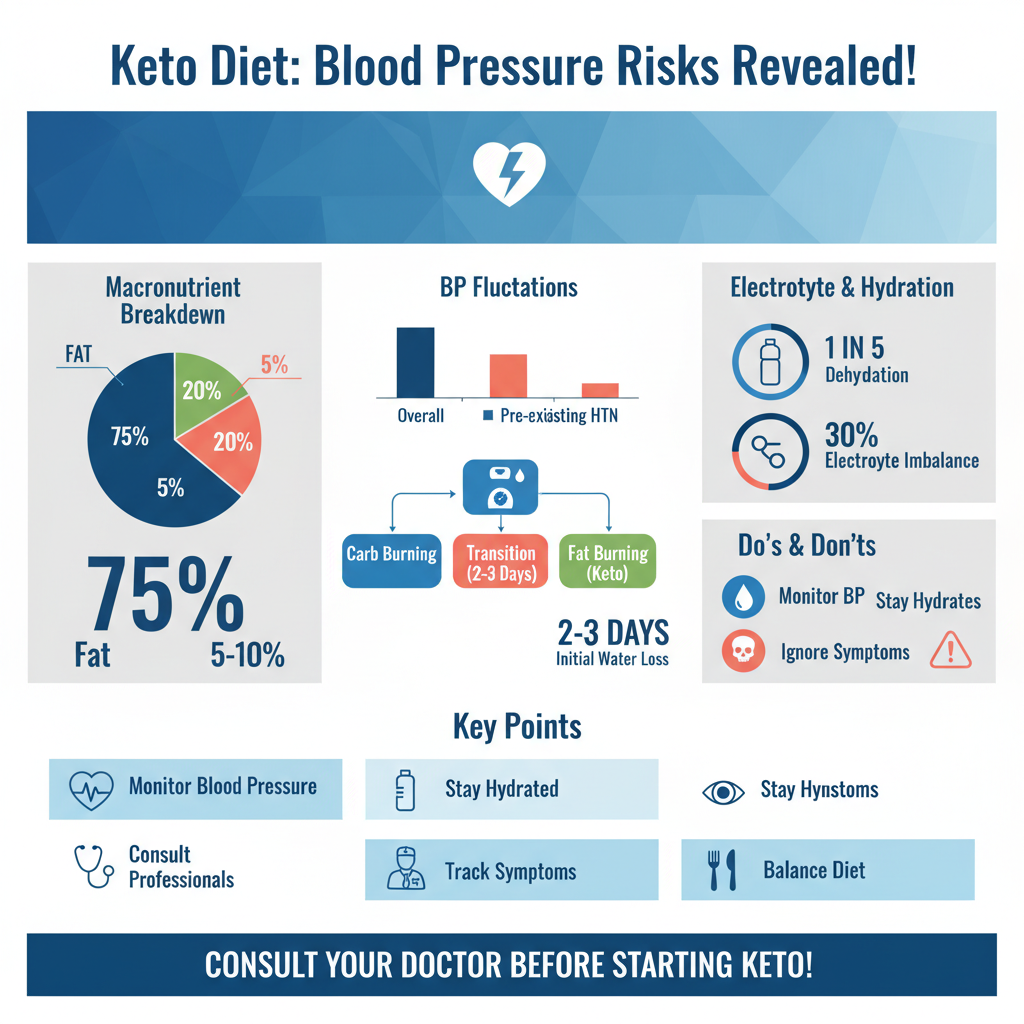
The transition to a ketogenic diet can lead to rapid weight loss due to the initial loss of water weight and glycogen stores. This can cause fluctuations in blood pressure, as the body adjusts to the new metabolic state. Initially, some individuals may experience a drop in blood pressure due to weight loss, but others may see an increase, particularly in the early stages of the diet.
Dehydration is another factor that can contribute to elevated blood pressure during the transition to ketosis. As the body shifts from burning carbohydrates to burning fat, there is a loss of electrolytes, particularly sodium and potassium, which can lead to changes in blood volume and vascular resistance. This imbalance may cause blood pressure to rise until the body stabilizes and adjusts to the keto diet.
Key Risk Factors for High Blood Pressure on Keto
Certain individuals may be at a higher risk for experiencing increased blood pressure while on a ketogenic diet. Those with pre-existing hypertension or cardiovascular conditions may be more susceptible to significant changes in blood pressure levels. It’s crucial for these individuals to approach the diet with caution and to monitor their blood pressure closely.
Additionally, the sodium intake in a high-fat diet can contribute to blood pressure spikes. Many keto-friendly foods, such as processed meats and cheeses, can be high in sodium, which may exacerbate hypertension in susceptible individuals. Therefore, understanding the food choices made on a keto diet is essential for managing blood pressure effectively.
Managing Blood Pressure on a Keto Diet
To mitigate the risk of high blood pressure while following a ketogenic diet, several strategies can be employed. First and foremost, ensuring adequate hydration is crucial. Drinking plenty of water helps to maintain blood volume and supports overall health. Furthermore, maintaining electrolyte balance is vital, particularly with minerals like potassium and magnesium, which can help regulate blood pressure. Incorporating foods rich in these electrolytes, such as leafy greens, avocados, nuts, and seeds, can be beneficial.
Regular monitoring of blood pressure is also essential for anyone on a keto diet. Keeping track of changes can provide valuable insights into how well your body is adapting to the dietary changes and can help identify any concerning trends early on.
Tips for a Heart-Healthy Keto Approach
Adopting a heart-healthy approach to the ketogenic diet involves making mindful food choices and incorporating lifestyle changes that promote cardiovascular health. Focus on consuming healthy fats, such as those found in avocados, nuts, and olive oil, rather than processed fats and oils. This not only supports heart health but can also provide essential nutrients that may be lacking in a standard keto diet.
In addition to dietary considerations, regular physical activity plays a significant role in managing blood pressure. Engaging in aerobic exercises, strength training, and flexibility workouts can enhance cardiovascular health and support weight management. Aim for at least 150 minutes of moderate-intensity exercise each week, and consider incorporating activities like yoga or pilates, which can also help reduce stress levels—another important factor in blood pressure regulation.
When to Seek Medical Advice
If you experience consistent high blood pressure or related symptoms while following a ketogenic diet, it is essential to consult a healthcare provider. This is especially important for individuals with a history of hypertension or cardiovascular issues. Regular check-ups can help assess the impact of the keto diet on your cardiovascular health and allow for timely interventions if necessary. Your healthcare provider may recommend modifications to your diet or lifestyle to ensure you remain healthy while pursuing your weight loss or health goals.
In summary, maintaining awareness of how the ketogenic diet affects your blood pressure is crucial for your overall health. By understanding the potential risks and employing strategies to manage them effectively, you can enjoy the benefits of keto while minimizing negative health impacts. If you’re considering starting the keto diet or have concerns about your blood pressure, it’s wise to consult with a healthcare professional for tailored advice.
Frequently Asked Questions
Can the keto diet cause high blood pressure in some individuals?
Yes, the keto diet can potentially lead to high blood pressure in certain individuals, particularly during the initial phases of the diet. This may occur due to changes in electrolyte balance and increased sodium intake from processed keto foods. It’s essential to monitor blood pressure regularly and consult with a healthcare provider if concerns arise while on the keto diet.
Why might someone experience elevated blood pressure while following a keto diet?
Elevated blood pressure on a keto diet may result from dehydration and loss of electrolytes, particularly sodium and potassium, which are crucial for maintaining fluid balance. Additionally, the increased intake of saturated fats and protein can impact blood pressure, especially in those with pre-existing conditions. Adjusting fluid intake and ensuring a balanced intake of electrolytes can help mitigate this risk.
How can I manage high blood pressure while on a ketogenic diet?
To manage high blood pressure while on a ketogenic diet, it is important to stay adequately hydrated and ensure proper electrolyte balance. Incorporating potassium-rich foods, such as leafy greens and avocados, can help, as well as limiting processed foods high in sodium. Regular physical activity and monitoring your blood pressure can also contribute to maintaining healthy levels.
What are the best foods to eat on a keto diet to prevent high blood pressure?
To prevent high blood pressure on a keto diet, focus on whole, unprocessed foods rich in healthy fats, fiber, and potassium. Include foods like avocados, leafy greens, nuts, seeds, and fatty fish, which can support heart health. Additionally, maintaining a low intake of processed meats and high-sodium foods can also help manage blood pressure levels effectively.
Which symptoms should I watch for that indicate high blood pressure while on keto?
While on a ketogenic diet, look out for symptoms such as headaches, dizziness, shortness of breath, and blurred vision, which may indicate high blood pressure. Other warning signs can include nosebleeds and flushing. If you experience these symptoms, it’s crucial to check your blood pressure and consult a healthcare professional for guidance and potential dietary adjustments.
References
- https://www.ncbi.nlm.nih.gov/pmc/articles/PMC6510370/
- https://www.webmd.com/diet/ss/slideshow-keto-diet
- https://www.healthline.com/nutrition/keto-diet-and-blood-pressure
- https://www.mayoclinic.org/healthy-lifestyle/nutrition-and-healthy-eating/expert-answers/keto-diet/faq-20458470
- President’s Council | odphp.health.gov