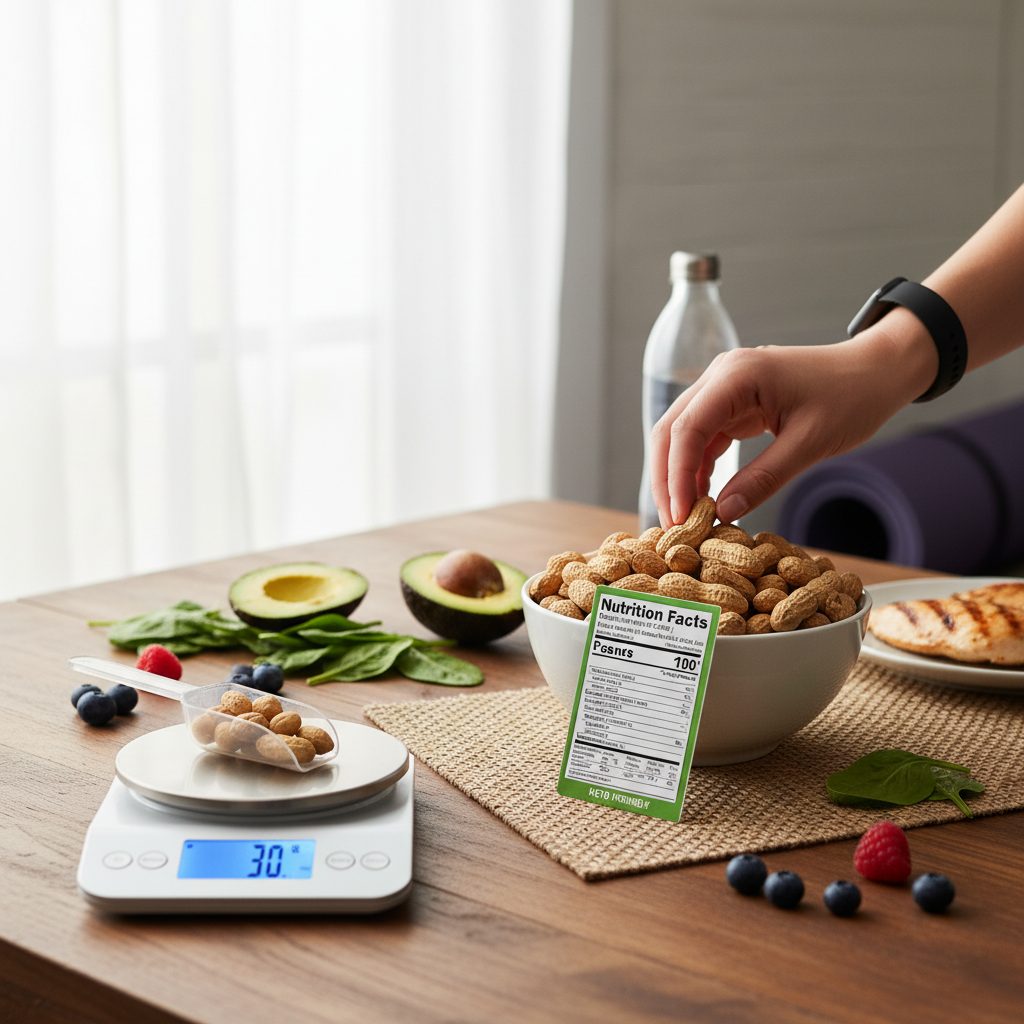

Yes, you can eat peanuts on a ketogenic diet, but moderation is crucial. While peanuts are relatively low in carbohydrates compared to many other snack options, they still contain enough carbs to affect your daily intake and potentially disrupt ketosis. In this article, we’ll delve into how peanuts fit into a keto lifestyle, examine their nutritional profile, discuss health benefits, and provide practical tips for enjoying peanuts without exceeding your carbohydrate limits.
Understanding the Nutritional Profile of Peanuts

Peanuts are classified as legumes, yet they share many nutritional similarities with tree nuts, making them a popular choice among keto dieters. One of the standout features of peanuts is their high content of healthy fats, which aligns well with the principles of a ketogenic diet. Specifically, peanuts boast approximately 14-16 grams of fat per ounce, predominantly in the form of monounsaturated and polyunsaturated fats that are beneficial for heart health.
When considering their carbohydrate content, peanuts contain about 6 grams of net carbs per ounce (28 grams). This relatively low carb count can fit within most ketogenic plans, provided that you carefully monitor your overall daily carbohydrate allowance. Additionally, peanuts are a good source of protein, providing around 7 grams per ounce, which can help you feel satiated and support muscle maintenance on a low-carb diet.
Health Benefits of Peanuts on a Keto Diet
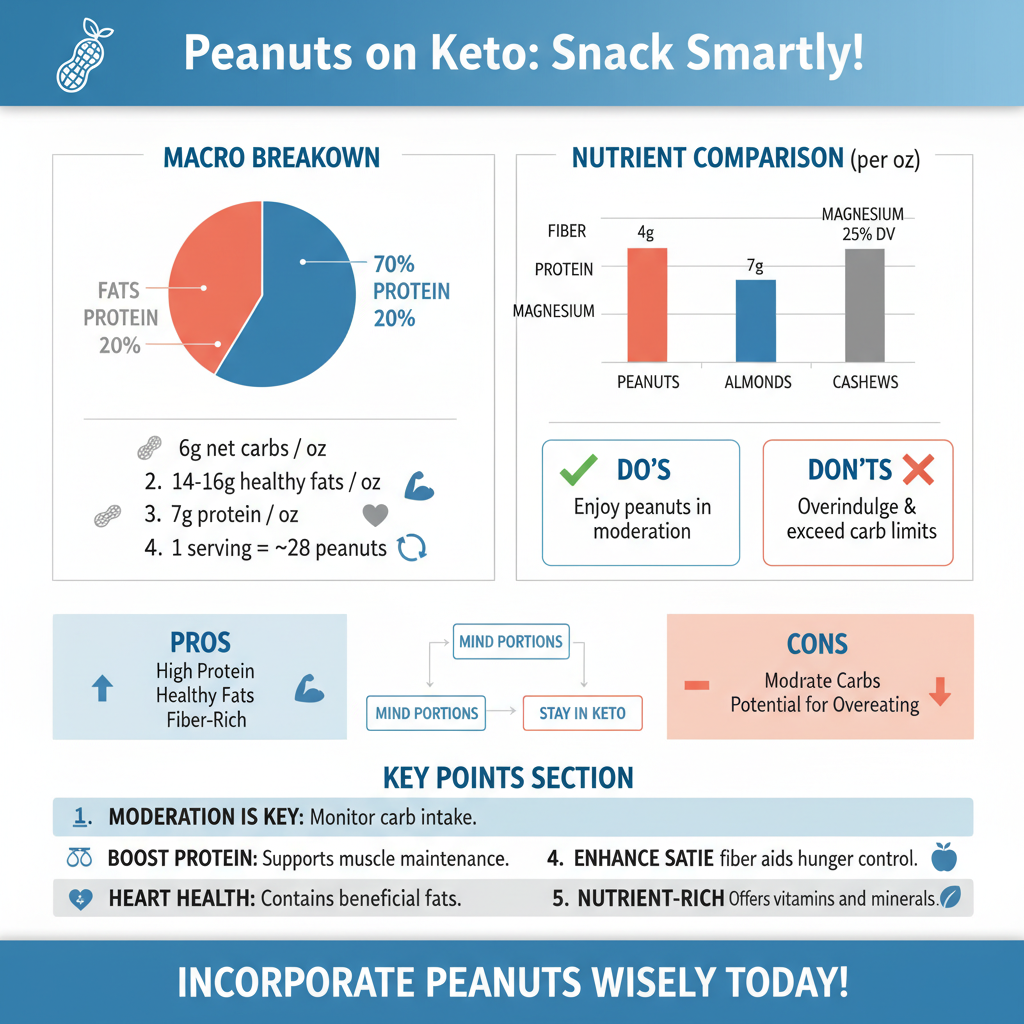

Incorporating peanuts into your keto diet can offer several health benefits. First and foremost, they are rich in protein and fiber. The high protein content helps maintain muscle mass while promoting satiety, making it easier to manage hunger and reduce overall caloric intake. Fiber, on the other hand, supports digestive health and can help regulate blood sugar levels, making peanuts a nutritious choice for those looking to stabilize their energy levels.
Moreover, peanuts are packed with essential nutrients such as magnesium, which plays a vital role in numerous biochemical reactions in the body, including energy production and muscle function. They are also a significant source of vitamin E, an antioxidant that helps combat oxidative stress and supports skin health. Additionally, peanuts contain phytochemicals like resveratrol, which has been associated with improved cardiovascular health.
Portion Control: How Many Peanuts Can You Eat?
While peanuts can be a part of a keto diet, portion control is essential to avoid exceeding your daily carbohydrate limit. A recommended serving size is about 1 ounce (28 grams), which translates to approximately 28 peanuts. This portion allows you to enjoy the nutritional benefits of peanuts while keeping your carb intake in check.
To maintain moderation, consider pre-portioning your peanuts into small bags or containers to avoid mindless snacking. It’s also helpful to track your daily carb intake using a food diary or a mobile app, ensuring that peanuts fit seamlessly into your overall dietary plan without pushing you over your carb limits.
Alternatives to Peanuts for Keto Snacking
While peanuts can be a tasty option, it’s wise to explore other low-carb nuts that may offer similar nutritional profiles. Macadamia nuts and pecans are excellent alternatives, as they provide higher fat content and lower net carbs, making them ideal for a ketogenic diet. For instance, macadamia nuts contain about 4 grams of net carbs per ounce, while pecans offer only 1.2 grams.
Additionally, if you enjoy nut butters, consider opting for almond or macadamia nut butter, which can be lower in sugar and higher in healthy fats compared to conventional peanut butter. Always check the ingredient list to avoid added sugars and unhealthy oils, as these can quickly increase the carb content of your snack.
Potential Drawbacks of Eating Peanuts on Keto
Despite their many benefits, there are some potential drawbacks to consider when including peanuts in your keto diet. For some individuals, peanuts can cause digestive issues, such as bloating or gas, due to their fiber content and potential for containing lectins. Furthermore, peanuts are one of the most common allergens, so individuals with nut allergies should avoid them altogether.
Moreover, the processing methods often used for peanuts can introduce unhealthy additives. Many commercially available peanut products are roasted in oils that are not conducive to a healthy diet, and some peanut butters contain added sugars that can significantly increase their carb content. To mitigate these concerns, it’s advisable to choose raw or dry-roasted peanuts and opt for natural peanut butter that contains only peanuts and salt.
Tips for Incorporating Peanuts into Your Keto Meal Plan
Incorporating peanuts into your keto meal plan can be enjoyable and straightforward. Here are some practical tips for doing so:
1. Use Peanuts as a Topping: Enhance the flavor and texture of salads, stir-fries, or low-carb dishes by sprinkling a tablespoon or two of chopped peanuts over the top. This adds a satisfying crunch without significantly increasing the carb count.
2. Make Your Own Peanut Butter: If you love peanut butter, consider making your own at home. Simply blend roasted peanuts in a food processor until smooth. This way, you control the ingredients, avoiding added sugars or unhealthy oils.
3. Create a Trail Mix: Combine peanuts with other low-carb nuts and seeds, such as pumpkin seeds or walnuts, to create a nutritious trail mix. This can serve as a perfect on-the-go snack that aligns with your keto lifestyle.
4. Pair with Low-Carb Vegetables: Use a small amount of peanut butter as a dip for celery sticks or cucumber slices. This not only enhances the flavor but also provides a satisfying snack that is low in carbs.
Incorporating peanuts into a ketogenic diet can be enjoyable and beneficial when done mindfully. By understanding their nutritional profile, practicing portion control, and being aware of alternatives, you can savor peanuts without jeopardizing your ketosis. Remember to listen to your body and adjust your intake as needed. If you’d like more tips on keto-friendly snacks, subscribe for more delicious ideas!
Frequently Asked Questions
Can I eat peanuts on a keto diet?
Yes, you can eat peanuts on a keto diet, but moderation is key. Peanuts are relatively low in carbohydrates compared to other snacks, containing about 6 grams of net carbs per ounce. However, they are also calorie-dense and can lead to overeating, which may hinder your keto goals. It’s essential to track your intake to ensure you stay within your daily carb limits.
How many carbs are in peanuts, and can they fit into my keto meal plan?
Peanuts contain approximately 6 grams of net carbs per ounce (about 28 grams). This amount can fit into a keto meal plan, especially if you are mindful of your overall daily carb intake, typically limited to 20-50 grams on a keto diet. Including peanuts in moderation, such as as a snack or added to recipes, can provide healthy fats and protein while helping you maintain ketosis.
Are there any health benefits to eating peanuts while on keto?
Yes, peanuts offer several health benefits even when following a keto diet. They are rich in healthy fats, particularly monounsaturated fats, which can support heart health. Additionally, peanuts provide a good source of protein and essential vitamins and minerals, including vitamin E, magnesium, and potassium, which can help maintain overall health during your low-carb journey.
What are some keto-friendly ways to incorporate peanuts into my diet?
There are various keto-friendly ways to enjoy peanuts, such as adding them to salads for a crunchy texture, using peanut butter in smoothies or as a dip for low-carb vegetables, or making homemade keto-friendly trail mixes with peanuts and other nuts or seeds. Just be cautious with portion sizes to keep your carb intake in check while enjoying these delicious options.
Which peanuts are best for a keto diet: raw, roasted, or flavored?
For a keto diet, raw or dry-roasted peanuts are generally the best choices, as they contain no added sugars or unhealthy oils that can increase carb counts. Avoid flavored varieties, especially those with added sugars or high-carb seasonings, as they can quickly derail your keto efforts. Always check the nutrition labels to ensure you’re making the healthiest choice while keeping your carb intake low.
References
- https://www.healthline.com/nutrition/peanuts-on-keto
- https://www.medicalnewstoday.com/articles/peanuts-and-keto
- https://www.ncbi.nlm.nih.gov/pmc/articles/PMC7071220/
- https://www.journalofnutrition.org/content/early/recent
- https://www.webmd.com/diet/ss/slideshow-keto-diet
- https://www.mayoclinic.org/healthy-lifestyle/nutrition-and-healthy-eating/expert-answers/keto-diet/faq-20485598
- https://www.verywellfit.com/are-peanuts-keto-friendly-5086872