

Drinking milk on the keto diet is generally not recommended, as traditional milk is high in carbohydrates, which can hinder your ability to maintain ketosis. However, there are alternatives and considerations that can help you enjoy milk-like beverages while staying within your carb limits. This article will explore your options, the types of milk you can consider, and how they fit into a ketogenic lifestyle.
Understanding Carbohydrates in Milk

To effectively manage a ketogenic diet, understanding the carbohydrate content in different types of milk is crucial. Whole milk contains approximately 12 grams of carbohydrates per cup. This level of carbs can significantly impact your ability to maintain ketosis, the metabolic state where your body burns fat for fuel instead of carbohydrates. Surprisingly, skim or low-fat milk can actually contain more carbohydrates than whole milk. This is due to the process of removing fat, which also tends to concentrate the carbohydrates. Therefore, while it may seem healthier to choose low-fat options, they can inadvertently sabotage your keto efforts. For those strictly adhering to keto principles, it is advisable to keep traditional cow’s milk to a minimum or eliminate it entirely from your diet.
Keto-Friendly Milk Alternatives
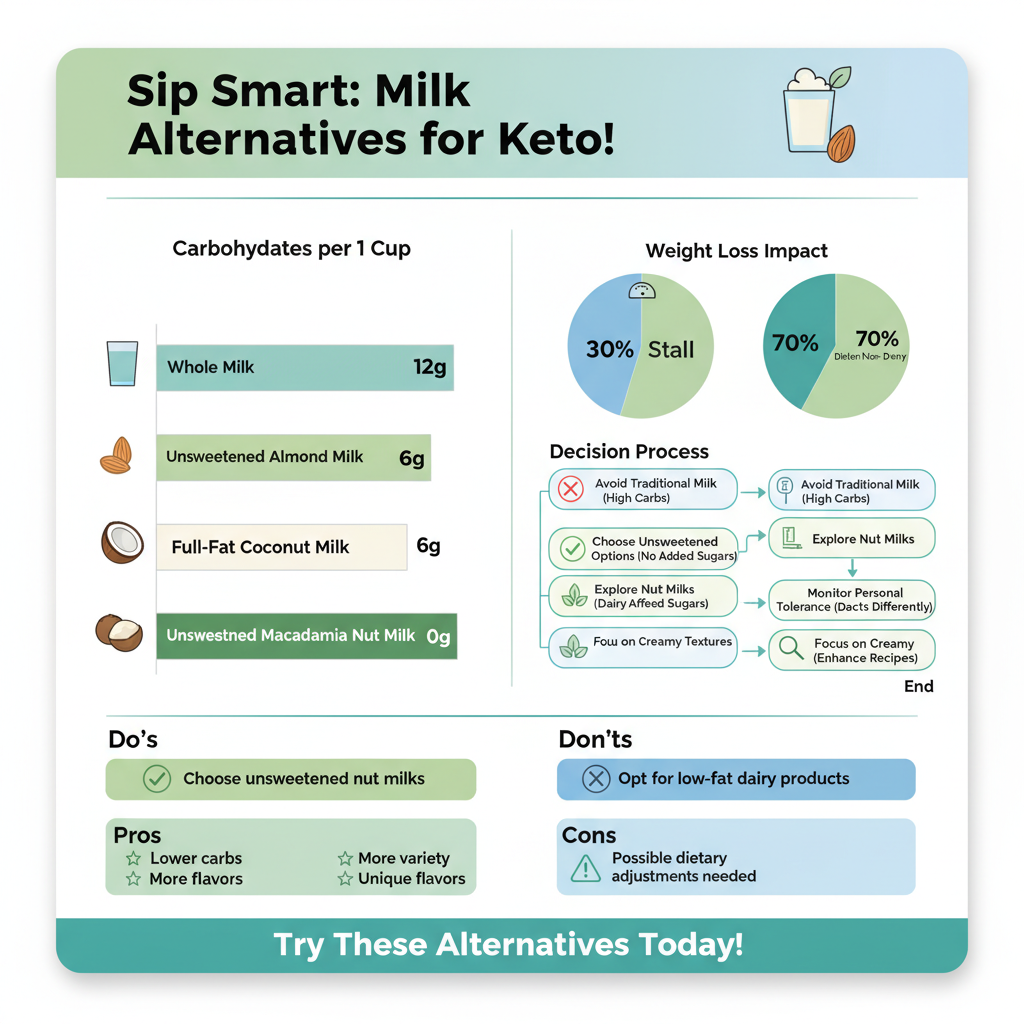
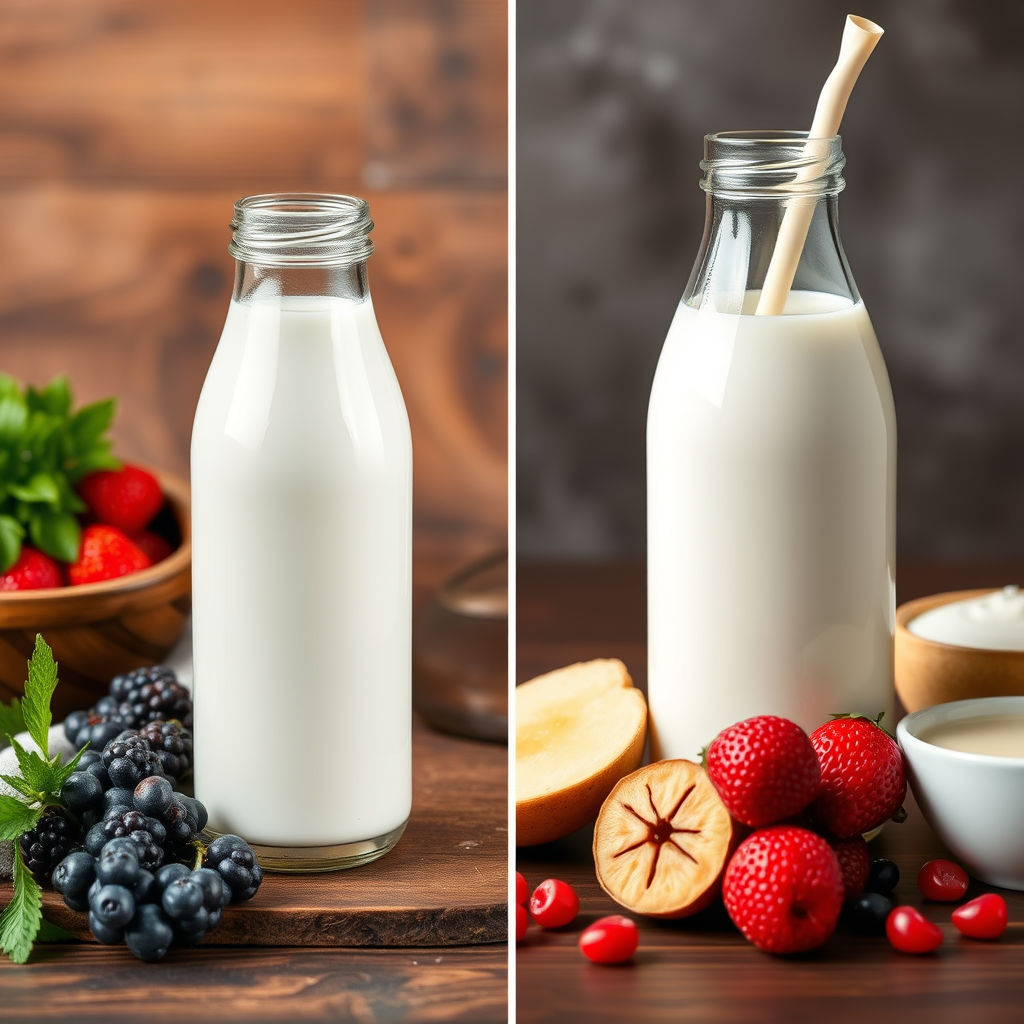
Fortunately, there are several keto-friendly milk alternatives that allow you to enjoy beverages similar to milk without exceeding your carbohydrate limits. Unsweetened almond milk is one of the most popular options, containing only 1-2 grams of carbs per cup. This low carb count makes it an excellent choice for various recipes, including smoothies, coffee, and baking. Another viable alternative is coconut milk, particularly the full-fat variety, which typically contains around 6 grams of carbohydrates per cup. Coconut milk not only offers a creamy texture but also provides a unique flavor profile that can enhance your culinary creations. Additionally, other nut-based milks, such as macadamia nut milk, are also low in carbohydrates and can be used in a keto diet. When selecting milk alternatives, always choose unsweetened versions to avoid added sugars that could disrupt your ketosis.
Impact of Dairy on Ketosis
The impact of dairy on ketosis can vary from person to person. While some individuals may tolerate dairy well without any adverse effects on their ketone levels, others might find that dairy consumption leads to stalled weight loss or increased cravings. This variability may be due to factors such as lactose intolerance or individual metabolic responses. It is crucial to monitor how dairy affects your body, especially when you first adopt a ketogenic lifestyle. Full-fat dairy products, such as heavy cream and full-fat cheese, are often more suitable for those on a keto diet. The higher fat content in these products can help you meet your daily fat intake goals while keeping carbohydrate levels low. As a general rule, pay attention to your body’s response to dairy and adjust your intake accordingly to maintain optimal ketosis.
Nutritional Benefits of Dairy
In addition to its potential drawbacks, dairy products offer several nutritional benefits that can be advantageous on a keto diet. Many dairy products are rich sources of essential nutrients such as calcium, vitamin D, and protein. For instance, cheese is a great source of protein and calcium, essential for bone health, while yogurt (especially Greek yogurt) provides probiotics that can aid digestion. However, it is important to consider the nutritional profile of dairy alternatives, as not all provide the same benefits. For example, while almond milk is low in carbohydrates, it may not offer the same protein content as cow’s milk. Therefore, if you choose to incorporate non-dairy alternatives, make sure they are fortified with nutrients commonly found in dairy products to help meet your daily requirements.
Tips for Including Milk in Keto
If you’re keen on incorporating milk or milk-like beverages into your keto diet, several strategies can help you keep carbohydrate intake low. One effective method is to use small amounts of milk in coffee or smoothies. A splash of unsweetened almond milk or a tablespoon of heavy cream can add creaminess without significantly increasing carb counts. Additionally, consider using high-fat dairy products like heavy cream, mascarpone, or full-fat cheese to enhance your meals and snacks. These options not only fit well within the keto framework but also help you achieve your daily fat intake goals. Lastly, when cooking or baking, experiment with using milk alternatives in place of traditional milk to reduce carbs while still achieving desired flavors and textures.
Common Misconceptions about Dairy on Keto
A common misconception about the keto diet is that all dairy products are off-limits. While it is true that many high-carb dairy items should be avoided, such as sweetened yogurts and flavored milk, there are still many dairy products that can be included in moderation. Furthermore, lactose intolerance does not automatically disqualify you from consuming dairy. Lactose-free options are widely available and can be suitable for those who are sensitive to lactose yet want to include dairy in their diets. It’s essential to differentiate between individual tolerances and the general guidelines of the ketogenic diet. By understanding what dairy products work for you, you can enjoy the benefits without compromising your diet.
Including milk or milk alternatives in your keto diet can be possible with careful selection and moderation. By opting for low-carb and high-fat dairy products, you can enjoy the benefits of dairy while maintaining your ketogenic lifestyle. Remember to monitor your body’s response and adjust your intake accordingly to stay on track with your health goals. Whether you choose to indulge in full-fat dairy or explore various milk alternatives, the key is to make informed choices that align with your dietary preferences and nutritional needs.
Frequently Asked Questions
Can I drink whole milk on the keto diet?
Whole milk is relatively high in carbohydrates compared to other dairy options, containing about 12 grams of carbs per cup. While it can be consumed in moderation, it’s essential to keep track of your overall carb intake to stay within the typical ketogenic range of 20-50 grams per day. If you crave the creaminess of milk, consider using heavy cream instead, which has a much lower carb content and can be easily incorporated into keto recipes.
What types of milk are best for the keto diet?
The best types of milk for the keto diet include unsweetened almond milk, coconut milk, and heavy cream. Unsweetened almond milk typically has only 1 gram of carbs per cup, making it a popular choice. Coconut milk and heavy cream are also low in carbs and high in fat, which aligns perfectly with the ketogenic principles of high fat intake.
How does drinking milk affect ketosis?
Drinking milk can potentially hinder ketosis due to its carbohydrate content, especially if consumed in large quantities. Since the keto diet relies on a very low carbohydrate intake to maintain a state of ketosis, consuming milk can increase your daily carb total, pushing you out of ketosis. It’s crucial to monitor the quantity and type of milk you consume to avoid disrupting your metabolic state.
Why is milk considered high in carbs for the keto diet?
Milk contains lactose, a natural sugar that contributes to its carbohydrate content. In whole milk, this sugar can amount to around 12 grams of carbs per cup, which is significant when following a strict keto lifestyle. For those on keto, it’s important to choose lower-carb alternatives or limit dairy intake to maintain the desired state of ketosis.
Can I use milk in keto recipes?
Yes, you can use milk in keto recipes, but it’s best to choose low-carb options like unsweetened almond milk or heavy cream. These alternatives can add creaminess without significantly raising your carb count. When substituting in recipes, be mindful of the overall carb content, and consider adjusting other ingredients to maintain your daily carb limits while still enjoying delicious meals.
References
- https://www.healthline.com/nutrition/keto-diet-foods#dairy
- Depression: Causes, symptoms, treatment, and more
- https://www.dietdoctor.com/low-carb/keto/milk
- https://www.ncbi.nlm.nih.gov/pmc/articles/PMC6520897/
- https://www.theketodietapp.com/Blog/post/2020/06/08/the-keto-diet-guide-to-dairy
- https://www.webmd.com/diet/what-to-eat-on-a-keto-diet
- Ketogenic.com | Start, Succeed & Sustain a Keto Diet
- https://www.mayoclinic.org/healthy-lifestyle/nutrition-and-healthy-eating/expert-answers/keto-diet/faq-20458928